
Silicone Mold Storage and Preservation: Best Practices for Long-Lasting Molds
Proper storage and preservation of silicone molds is essential for maintaining product quality and extending mold lifespan. Incorrect storage can lead to p
 Kyler Yang · Founder4 min read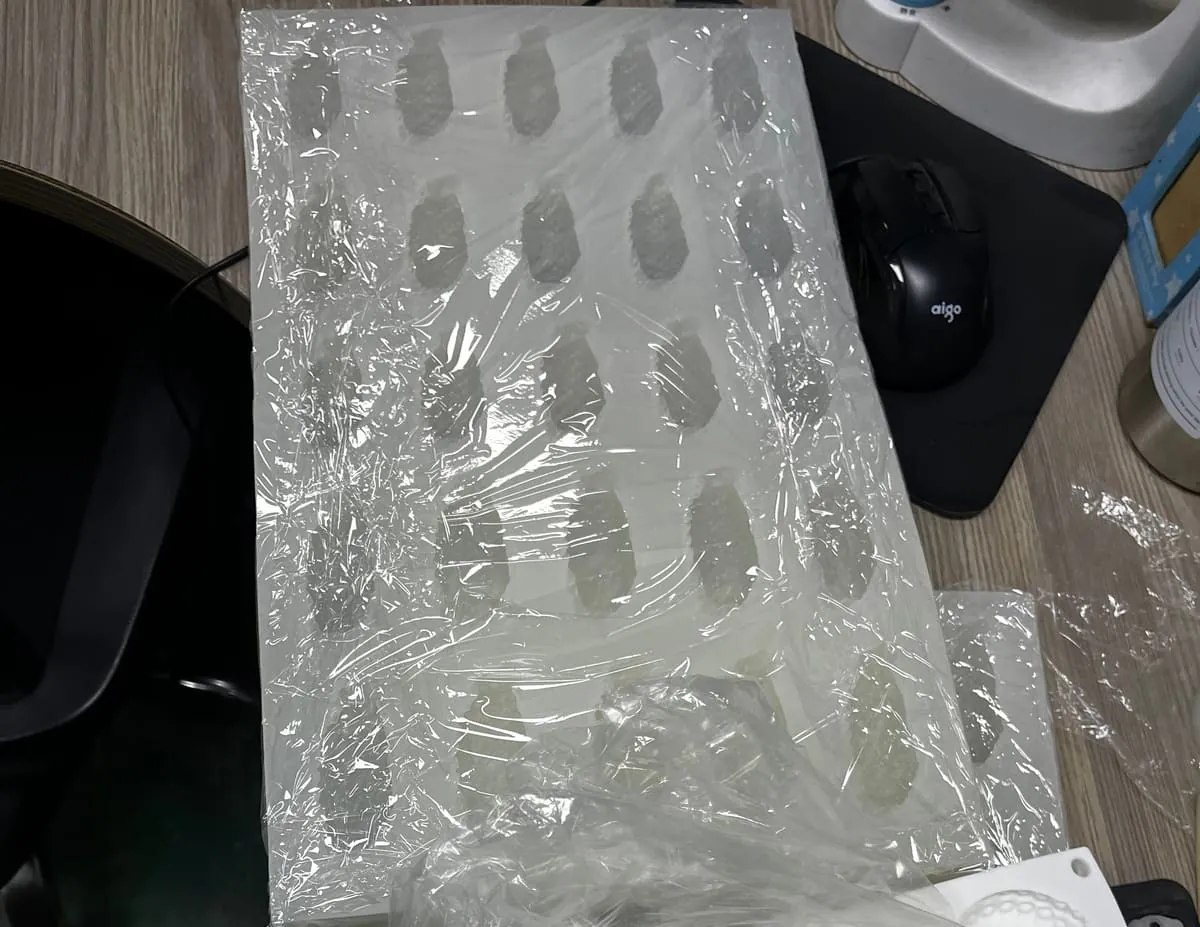
Introduction
Proper storage and preservation of silicone molds is essential for maintaining product quality and extending mold lifespan. Incorrect storage can lead to permanent deformation, surface degradation, and reduced production efficiency.
This guide covers best practices for storing and preserving your silicone molds.
Why Storage Matters
Impact of Improper Storage
| Storage Issue | Consequence |
|---|---|
| Folding or creasing | Permanent deformation, cannot be reversed |
| Rolling | Crease marks, uneven surface |
| Stacking improperly | Deformation under weight |
| Heat exposure | Accelerated aging, softening |
| UV/sunlight exposure | Surface degradation, discoloration |
| Humidity | Mold surface issues, contamination |
| Chemical exposure | Silicone degradation, contamination |
Expected Lifespan by Storage Condition
| Storage Condition | Expected Lifespan |
|---|---|
| Proper storage | 2,000-5,000+ cycles (2-5 years) |
| Moderate care | 1,000-2,000 cycles (1-2 years) |
| Poor storage | 500-1,000 cycles (< 1 year) |
Proper Storage Methods
Flat Storage (Recommended)
Method:
- Store molds completely flat on a clean, level surface
- Use a shelf or rack system designed for flat storage
- Ensure surface is smooth and free of debris
Best For:
- All silicone mold types
- Long-term storage
- High-detail molds
Vertical Storage (Alternative)
Method:
- Stand molds upright on their edge
- Support the full height to prevent bending
- Use storage racks with vertical slots
Best For:
- Small, rigid molds
- Limited floor space
- Short-term storage only
Never:
- Fold — Creates permanent crease lines
- Roll — Causes uneven deformation
- Hang — Stretches and deforms the silicone
- Stack without support — Causes deformation from weight
Environmental Conditions
Temperature
| Condition | Impact |
|---|---|
| Ideal range | 10°C - 25°C (50°F - 77°F) |
| Too hot | Softening, deformation risk |
| Too cold | Temporary stiffening (reversible) |
| Extreme heat | Permanent degradation above 60°C |
Humidity
| Condition | Impact |
|---|---|
| Ideal range | 40% - 60% relative humidity |
| High humidity | Surface contamination risk |
| Low humidity | Generally acceptable |
Light Exposure
| Factor | Recommendation |
|---|---|
| UV/sunlight | Store away from direct sunlight |
| Artificial light | Generally safe for storage |
| Storage location | Cool, dark environment preferred |
Cleaning Before Storage
Cleaning Protocol
| Step | Action | Details |
|---|---|---|
| 1 | Remove debris | Brush out loose particles |
| 2 | Wash | Warm water + food-safe detergent |
| 3 | Rinse | Thorough rinse with clean water |
| 4 | Sanitize | Food-safe sanitizer (optional) |
| 5 | Dry | Air-dry completely, towel dry cavities |
| 6 | Inspect | Check for damage before storage |
Drying Requirements
- Complete dryness is essential before storage
- Moisture trapped in cavities causes contamination
- Air-dry on clean rack or towel
- Never store damp molds
Long-Term Storage Guidelines
Preparation for Storage
1. Clean thoroughly — Follow cleaning protocol 2. Inspect for damage — Document any issues 3. Label clearly — Identify mold type, cavity count, date 4. Wrap if needed — Use clean, breathable covering 5. Store flat — On clean, level surface
Storage Container Options
| Option | Pros | Cons |
|---|---|---|
| Clean plastic bin | Protects from dust | Ensure breathable |
| Original packaging | Designed for protection | May not fit all sizes |
| Paper wrapping | Breathable, protective | Needs flat surface |
| None (open shelf) | Easy access | Dust protection required |
Storage Labeling
Include on label:
- Mold type and cavity count
- Product compatibility (gummy, chocolate, etc.)
- Durometer (20A, 25A, etc.)
- Date manufactured
- Last use date
- Any special notes
Regular Inspection Schedule
Weekly Checks
| Check | Method |
|---|---|
| Visual inspection | Look for dust, damage |
| Surface condition | Check for stickiness or degradation |
| Shape integrity | Verify mold sits flat |
Monthly Checks
| Check | Method |
|---|---|
| Cavity weight | Sample 10 cavities for consistency |
| Detail reproduction | Test pour and inspect |
| Surface condition | Check for discoloration or degradation |
Quarterly Checks
| Check | Method |
|---|---|
| Comprehensive inspection | Full detail review |
| Dimensional verification | Measure key dimensions |
| Documentation update | Record condition in log |
Rotating Mold Inventory
Why Rotation Matters
- Prevents long-term compression set
- Ensures even wear across inventory
- Facilitates regular inspection
Rotation Schedule
| Frequency | Action |
|---|---|
| Weekly | Use different molds in production |
| Monthly | Rotate stored molds (flip position) |
| Quarterly | Full inventory audit and rotation |
Common Storage Mistakes
| Mistake | Consequence | Correction |
|---|---|---|
| Storing folded | Permanent creases | Always store flat |
| Leaving in sunlight | UV degradation | Store in dark area |
| Storing damp | Contamination, mold growth | Dry completely before storage |
| Stacking heavy items | Deformation | Store flat, no weight on top |
| Using solvent cleaners | Silicone degradation | Use only food-safe cleaners |
| Ignoring inspection | Late damage detection | Regular inspection schedule |
FAQ
Q: Can I roll my silicone mold for storage? A: No. Rolling causes permanent creases and deformation. Always store molds flat.
Q: How do I know if my stored mold is still good? A: Perform a test pour after storage. If detail reproduction and weight consistency are acceptable, the mold is ready for use.
Q: Should I store molds in the refrigerator? A: No. Room temperature storage is ideal. Refrigeration is only for production cooling, not storage.
Q: How do I protect molds from dust during storage? A: Use a clean plastic bin with lid, or cover with a clean breathable cloth. Avoid sealed plastic that traps moisture.
Q: Can I store different product molds together? A: Yes, but label clearly to prevent confusion. Keep food and non-food molds separated.
Conclusion
Proper storage and preservation of silicone molds protects your investment and ensures consistent production quality. Follow these best practices to maximize mold lifespan and maintain product quality.
For mold care and maintenance questions, contact our technical support team.
*Published: 2026-08-12 | Category: Mold Care | Read Time: 7 minutes*
Ready to order custom silicone molds?
Free quote for OEM/ODM projects. MOQ 20 · Prototype 3-7 days · FDA/LFGB available.