
Automated Peel vs Manual Strip: RTV Mold Lifespan Call
Automation saves labor, not the RTV mold by default. Timed peelers extend life when they cut peak strain. They shorten it when they yank a locked undercut.
 Kyler Yang · Founder8 min read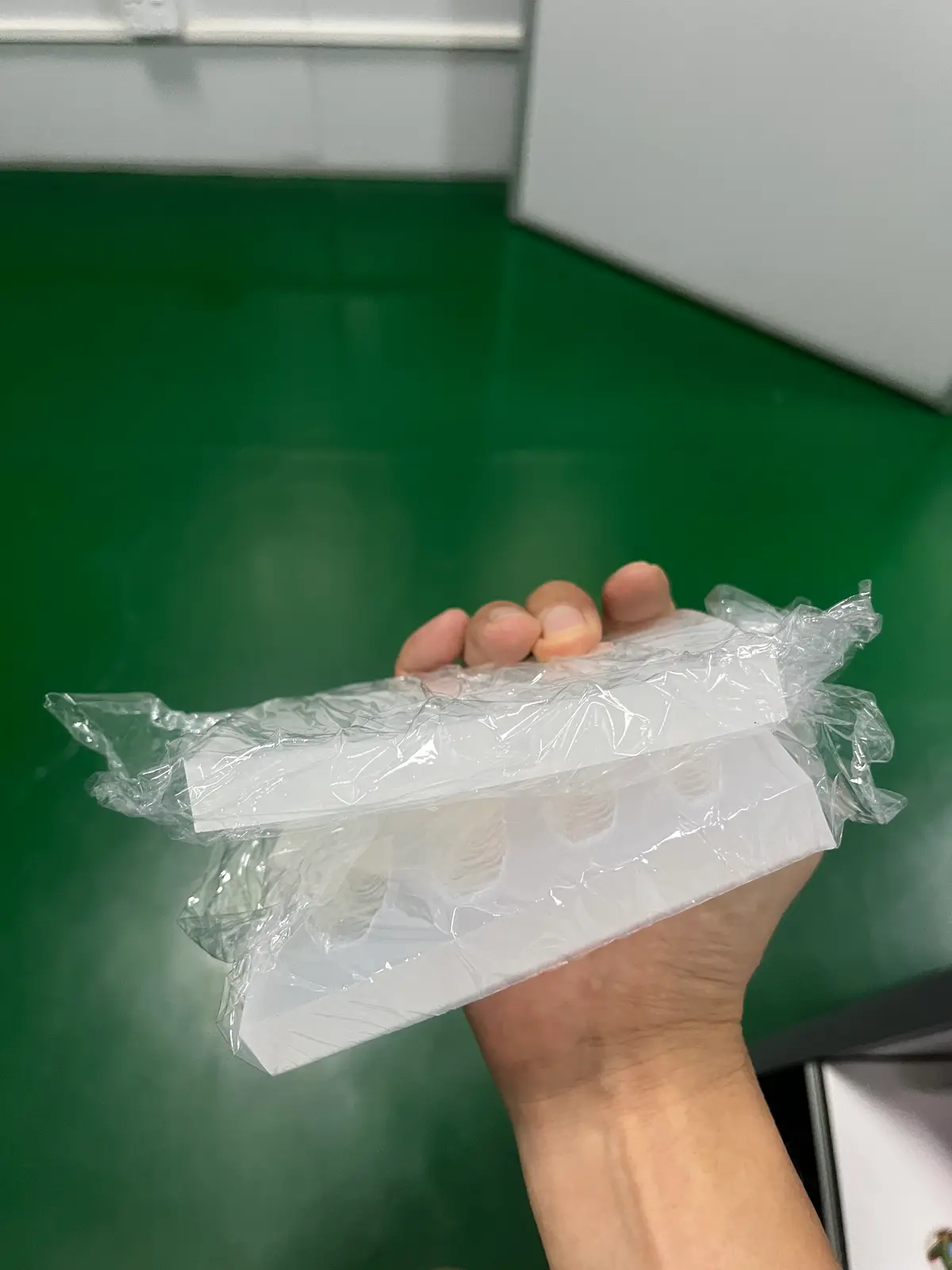
Automated demolding saves labor. It does not automatically save the mold. A poorly timed peel cylinder will tear an RTV skin faster than a careful hand strip. A good fixture that takes the casting at full cure, on a path the rubber can follow, will outlast a hero operator who levers every fifth dump with a screwdriver.
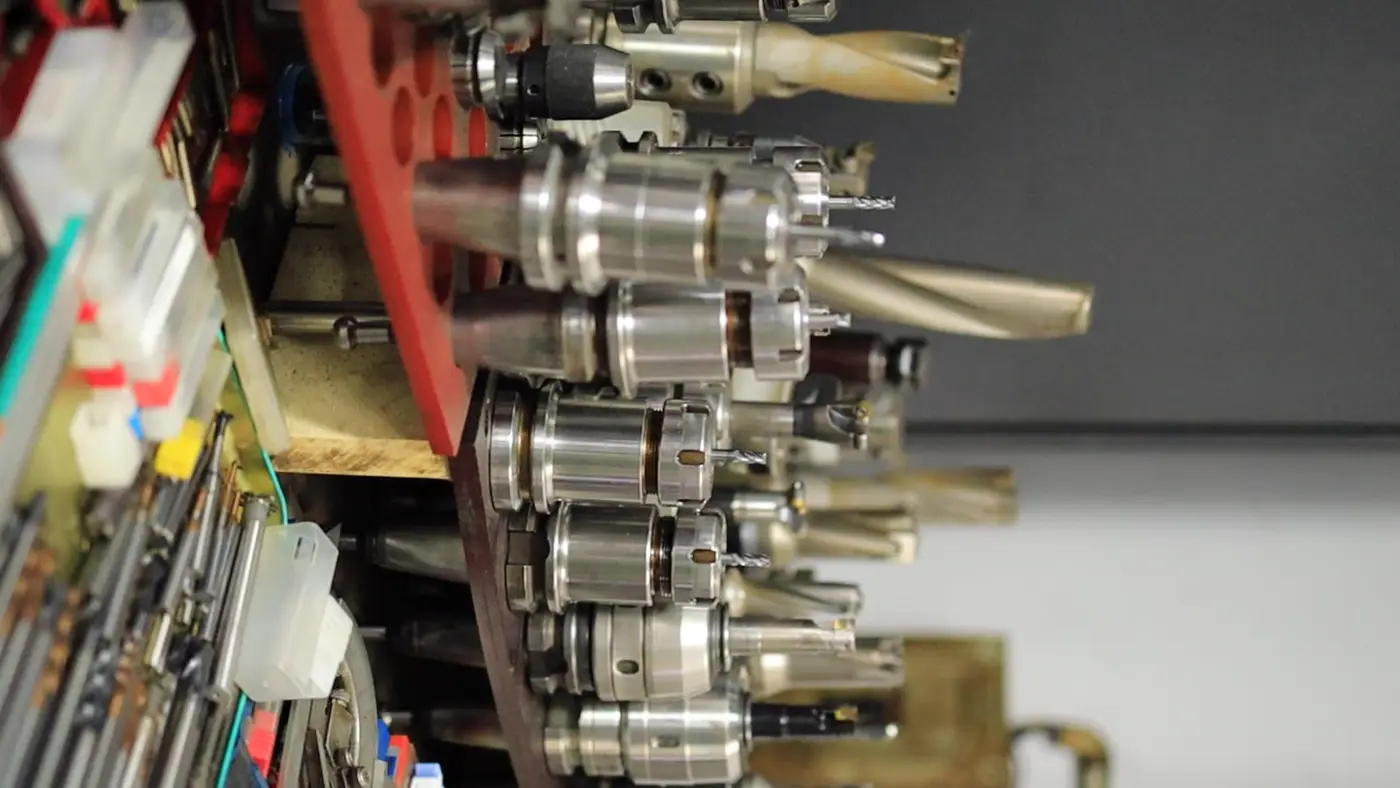
Lifespan here means the production RTV mold: skins, gloves, architectural jackets, and the castings that come out of them. LSR ejector timing on a hot tool is a different damage list on a parts OEM. Do not mix them.
What actually uses up a mold
Molds die from peak strain, abrasion, heat, and contamination, not from “number of hands.”
- Peak strain. Stretching a 10A–20A RTV over an undercut, or yanking a locked architectural panel because the cycle time said so, puts a local tear that then grows. One bad strip can cost more cycles than a hundred gentle ones.
- Abrasion. Dragging a mineral-filled part, a glass-filled overmold, or a sandy concrete tile across the face.
- Thermal and chemical. Hot PU, alkaline concrete, fragrance oils, as in other posts.
- Collision. Robot gripper vs. core. These are automation-only death modes. LSR pin-through-closed-slide is the parts-tool cousin.
Manual stripping can be gentle or brutal. Automation can be repeatable-gentle or repeatable-brutal. Repeatability is the feature. The path is the spec.
Manual stripping: where it still earns its keep
RTV glove and architectural skins. A person can peel from an edge, feed air, and stop when a leaf starts to tear. A pneumatic cylinder that only knows “extend” will finish the tear. For high-undercut art molds, train the peel sequence and keep automation off the show face.
Early tryout. Until cure time, stick, and draft are proven, hands find the sticky pocket. Automating a tryout tool cements a bad path.
Low volume, high mix. A robot that needs a new nest every SKU is not a lifespan investment. It is a fixture bill.
Manual damage to watch: fingernails, brass tools on a gloss master, twisting a grommet 90° to clear a core, and the habit of spraying more release when the part sticks. Those habits shorten rubber life more than the existence of a human.
Automation that extends life
Automation helps when it removes the peak, not when it copies a yank at higher speed.
Peel fixtures for RTV. A hinged jacket that opens on stops, with the skin still registered, lets a person or a slow actuator peel along a designed direction. That is automation of the *path*. It is worth more than a faster table.
In-bench wipe paired with a slow peel keeps residue from becoming a stick-tear loop. Stick is what makes people pry.
LSR/HCR contrast (different quote). Stripper plates, air poppets, and a delay after open so the part is fully vulcanized. Valve-gate cold-runners that leave a clean vestige remove blades on polish. Those numbers are not this PO.
Automation that shortens life
- Peel speed too high on a thin membrane (grommet casts, slits). The fixture punches instead of lifting.
- Gripper jaws that bite a cosmetic face and leave a bruise the customer calls a void.
- A take-out robot that collides with a core after a missed pour. One crash marks a master forever.
- Forced demold on a vacuum-locked architectural panel because the cycle time said so.
- Using a straight cylinder as the only stretch mechanism for a locked undercut instead of a collapsing core or a split. The jacket may survive. The skin will not.
Cycle-time pressure is the usual reason a good automated cell starts tearing tools in month three. The original delay-on-open (or delay-on-peel) gets shortened until the casting is green or the skin is over-stretched.
A way to choose without a slogan
| Situation | Default | Lifespan reason | | --- | --- | --- | | Deep undercut RTV art | Manual peel in a jacket | Path control | | Concrete/gypsum skins | Manual or slow peel with air | Suction and abrasion | | Food/gummy trays, open draft | Slow fixture or trained hands | Repeatable peel, no blades | | Grommet casts on a collapsible core | Automate core collapse, then gentle peel | Peak strain is the collapse, not the yank | | High-volume LSR, open draft (other site) | Automate take-out | Repeatable cure delay |
If you automate, put open-to-peel delay, peel stroke and speed, and gripper contact zones on the process sheet next to mix and cure. Those numbers are the mold-life spec. A cell that only logs dumps-per-hour will eat tools.
When a mold starts tearing after automation, do not first buy a harder rubber. First compare the peel path and the cure delay to the last good manual strip. Most “automation ruined this tool” stories are an undercured yank with better attendance.
Common mix-up: copying an LSR ejector recipe onto an RTV jacket
Pins, delay-on-open, and cold-runner vestiges are LIM. RTV peels. Faster pins on a sticky green part are the wrong picture.
What to ask when you're buying
- Peel path drawn, or “the operator will figure it out”?
- Jacket hinged on stops, air assist, show-face off-limits to grippers?
- Delay until the casting can take its weight?
- Recast in the price after a tear on a high-stretch undercut?
- Are they quoting LIM ejectors by habit?
Worked example: 12-cavity gummy vs 2 m leaf scroll
12-cavity 18 mm gummy, platinum 10A–20A, jacket: a slow fixture that peels the sheet after the pectin sets is fine. A 2 m architectural leaf: keep automation off the show face; peel from an edge with air. Yanking the leaf because takt said so is a recast. Outer-row 3–6% heavy is still jacket sag, not peel speed.
When this article is the wrong quote
If you are spec’ing LSR take-out robots, send the parts OEM. A tiny open-back ice tray can skip a peel fixture. Geometry can override: locked undercuts stay manual even at high dump counts.
Related reading: architectural peel, repair vs recast tears, pin witnesses vs peel, custom RTV molds.
What to put on the process sheet / RFQ
Open-to-peel delay, peel direction, air assist, gripper keep-out on the show face, recast if a third tear appears on the same undercut. Send undercut photos and dump rate. We will say hinged jacket or keep it manual.
We would not recommend a cylinder that only knows “extend” on a leaf scroll
We would not recommend raising Shore A first to survive a yank. We would not shorten peel delay to hit takt. We would not paste LIM ejector speed onto this jacket. We would not pry with a screwdriver.
RUUIPON Mold Structure Decision: if it cannot peel safely, it is two-part / plug / core, not a faster robot. Flat-back trays can take a slow fixture. Large wet casts still need the jacket registered during peel.
- Deep undercut / suction? - yes -> Manual or slow peel in jacket + air
- Deep undercut / suction? - no, open draft -> Slow fixture OK
- Demold RTV -> Automation copies a yank?
- Automation copies a yank? - yes -> Will tear; fix path not Shore
- Automation copies a yank? - path on stops -> Repeatable-gentle
- Manual or slow peel in jacket + air -> Do not first buy harder rubber
Typical shop values
Reference values only. Confirm material-specific limits against the supplier’s technical data and agree project acceptance criteria before production.
| Item | Typical shop value | | --- | --- | | Skin | Platinum 1:1 or 10:1, 10A–20A, jacket | | Platinum shrink | About 0.1–0.3% after full cure | | Architectural peel | Edge + air; not takt-forced | | Gummy tray | Slow peel after set; jacket keeps row | | Loaded-tray sag if jacket not registered at peel | About 0.5–1.5 mm |
FAQ
Does automating take-out automatically extend RTV mold life? No. Automation saves labor. A poorly timed peel tears a tool faster than a careful hand strip. Lifespan is peak strain, abrasion, heat, chemistry, and collision. Repeatability is the feature; the path is the spec.
When should high-undercut RTV art stay manual? When a person can peel from an edge, feed air, and stop when a leaf starts to tear. A cylinder that only knows "extend" will finish the tear. Early tryout also wants hands until cure, stick, and draft are proven. Low volume, high mix is a fixture bill, not a lifespan investment.
How does shortening open-to-peel delay destroy a good cell? Green castings smear, the next dump sticks harder, someone yanks, then tear gets worse. Consistent delay so the casting can take its weight is the lifespan control. Cycle-time pressure in month three is the usual reason a cell starts tearing skins.
Why are blades and screwdrivers on a pour face a lifespan event? They nick the copy. Robot collisions with a core after a missed pour are automation-only death modes. Fingernails and more release when parts stick are the matching manual habits.
What numbers on the process sheet are the mold-life spec? Open-to-peel delay, peel stroke and speed, and gripper contact zones, next to mix and cure. A cell that only logs dumps-per-hour will eat tools. When tearing starts after automation, compare peel path and delay to the last good manual strip before buying a harder rubber.
Custom silicone development · DFM & prototype support
CAD, drawing, photos or sample details