
Implant Silicone: ISO 10993 Map, Not an RTV Mold Stamp
Long-term implantable silicone needs ISO 10993-1 on the finished device. An RTV mold is tooling. This page is a map, not a filing or implant-approved
 Kyler Yang · Founder8 min read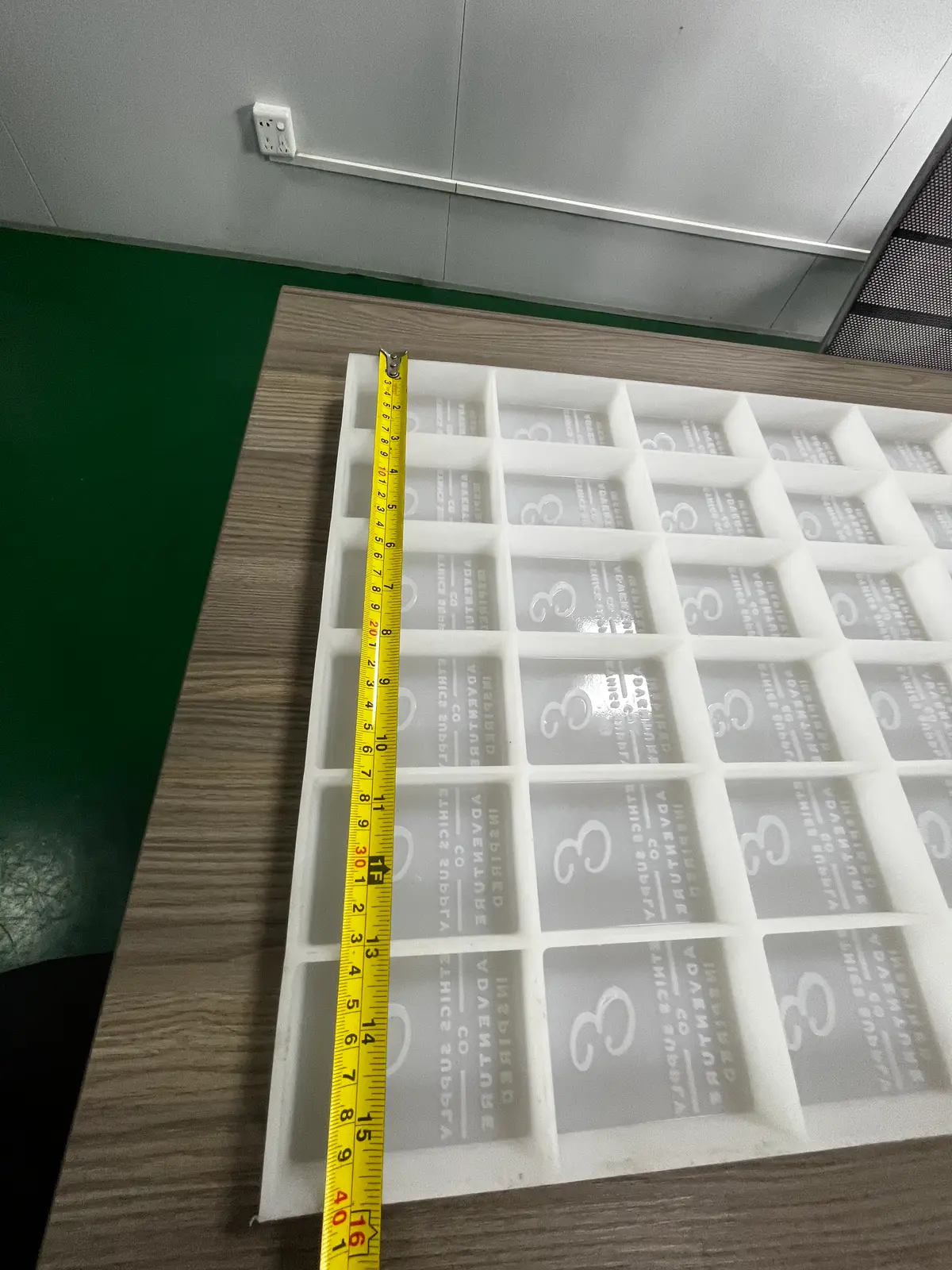
This page is a map for custom silicone components that will live in the body longer than a transient procedure. It is not a regulatory filing, not a 510(k), not a CE technical file, and not a biological evaluation report (BER). The legal manufacturer of the device owns ISO 10993-1 aligned with ISO 14971.
If you're buying a custom RTV mold, a molder can pour a platinum cavity so you can cast a stand-in. A molder cannot stamp that jacket “implant approved.” Long-term implant paths are platinum LSR or platinum HCR from a supplier healthcare policy that actually allows the implantation duration you need. Many “medical” gums are capped at limited implantation. Tin-cure RTV is not an implant elastomer. Peroxide HCR needs a serious post-cure story.
A poured mold that happens to be platinum is still tooling. The test article is the finished, sterilized component, not the cavity you pulled it from.
Start from contact and duration, not from a test catalog
ISO 10993-1 asks what the device touches and for how long, then which biological effects are relevant. Classic teaching used surface vs externally communicating vs implants, and limited (≤ 24 h), prolonged (> 24 h to 30 d), permanent (> 30 d). ISO 10993-1:2025 keeps risk management central, counts contact days, and organizes effects by contact type. Confirm the edition your reviewer expects. Do not treat a 2018 matrix printout as automatic 2025 compliance.
For a long-term implantable silicone component, the evaluation typically has to *consider*, as relevant: cytotoxicity (10993-5); sensitization and irritation (10993-10; irritation also 10993-23); systemic toxicity (10993-11); genotoxicity (10993-3); implantation / local effects (10993-6); hemocompatibility if blood contact (10993-4); chemical characterization (10993-18) and TRA (10993-17); degradation if applicable (10993-9 / 13); pyrogenicity, carcinogenicity, reproductive endpoints only when the BEP says so.
That is a consideration list. It is not an order form for every animal test. Blindly running “the full matrix” is neither required nor ethical.
USP Class VI (USP <88>) is an acute plastics screen. It is not a chronic implant study and not a junior 10993-1.
Common mix-up: medical-grade mold versus implant part
An RFQ says “ISO 10993 mold.” Two objects:
- RTV cavity to cast twenty urethane or wax stand-ins for a design review. Platinum RTV, clean master, maybe food-contact paperwork if someone also dumps chocolate. Not an implant filing.
- Implant component in platinum LSR/HCR. Different factory, cold-runner if LSR, never a LIM hot tool, BEP owned by the device maker.
Paying a tooling charge on the jacket does not buy a BER.
What to ask when you're buying
- Is this PO for an RTV cavity (stand-in tooling) or for an implant component?
- Supplier implantation policy duration vs your contact days?
- Test article: pigment, radiopacifier, self-lube, dissipative package, sterilization included?
- Who writes the BEP — not the mold shop?
- Who keeps the master if geometry changes after cadaver labs?
Worked example: 2-cavity bumper prototype, then LSR
A device team needed twenty bumper geometries, 8 mm, 40A-class feel, to check a port fit. The RTV job: CNC master, platinum 30A–40A cavity, keyed if undercut, jacket, clearly labeled not the device compound. Coupons for 10993 came later from a healthcare-policy LSR on a parts OEM, sterilized as the device would be. Class VI on the mold rubber was supporting identity of a tool, not a five-year implant.
The test article is the finished, sterilized component
A natural 40A LSR plaque is not a barium-striped, pigmented, post-cured, EtO-sterilized catheter bumper. Endpoints attach to the article that sees the patient: compound, pigment, radiopacifier, self-lube fluid, antimicrobial, dissipative package, cure and post-cure, mold release that remains, bonding/coating/laser, sterilization residuals (EtO per ISO 10993-7 if used).
If you change any of those, the BEP is reopened. Extractables and leachables (10993-18) are how you stop guessing. Silicone-specific issues: cyclic siloxanes, platinum traces, peroxide split products, pigment extractables, barium if radiopaque.
What a custom mold shop can own: pour the cavity, document platinum vs tin, refuse tin for anything that might be confused with a device, recast when geometry moves.
What a parts molder can own: healthcare-policy compound with a stated implantation duration limit; cure/post-cure; supplier biological summaries on named specimens; coupons for the OEM's lab. Cannot: certify the customer's device; extend a 29-day policy gum to a five-year implant by extra baking; substitute Class VI for 10993-6; hide a new additive inside an old report.
ISO 13485 at a molder is quality-system evidence. It is not biocompatibility.
When this article is the wrong quote
Food-grade chocolate molds use 21 CFR 177.2600 / LFGB, not an implant matrix. Wearable non-implant parts still need a BEP if they're devices, but not 10993-6 chronic implantation by default. Geometry can override: a one-off surgical-training model is still an RTV job.
Related reading: custom RTV molds, what tooling means, food-grade vs industrial, how we make the mold.
What to send for an RTV mold quote
- Object: platinum RTV cavity for stand-ins or redirect to a parts OEM for implant components
- If cavity: master, split, jacket, Shore, recast; label “not the device compound”
- If component: platinum LSR/HCR [code], implantation policy ≥ [duration], additives listed, cure/post-cure, 10993-1 edition, who writes the BEP
- Tin-cure RTV excluded as implant elastomer
Send contact type, duration, and which object ships. We'll pour a prototype mold or tell you this is the wrong factory.
We would not recommend stamping a molded nipple “implant approved”
We would not recommend extending a 29-day gum to a five-year implant by extra baking. We would not substitute Class VI for chronic implantation. We would not hide silver, barium, or pigment inside an old natural-gum report. We would not cut LSR steel “for later” while you still need a stand-in cavity this month.
RUUIPON Mold Structure Decision: for the stand-in mold — flat back? open-back. Cannot peel? two-part / core. Soft skin? mother mold. For the implant part, stop: different RFQ.
- Cavity for stand-ins or the device part? - cavity -> Platinum RTV mold; label not device compound
- Cavity for stand-ins or the device part? - device part -> LSR/HCR healthcare grade; OEM owns BEP
- LSR/HCR healthcare grade; OEM owns BEP -> 10993-1 + 14971 + 10993-18 on finished, sterilized article
- Platinum RTV mold; label not device compound -> Tin RTV excluded as implant elastomer
- LSR/HCR healthcare grade; OEM owns BEP -> Class VI is not the filing
Typical shop values: mold vs implant article
| Item | Typical shop value | | --- | --- | | Prototype mold | Platinum RTV, 10A–40A as geometry needs, jacket | | Mix / shrink (RTV) | 1:1 or 10:1; ~0.1–0.3% platinum | | Implant article | Platinum LSR or HCR; policy duration ≥ contact days | | LSR shrink (parts) | Often ~2–3%; not an RTV number | | Class VI | Acute plastics screen, not chronic implant | | ISO 3302-1 | M2 common drawing default on rubber; not biocompatibility |
Reference values only. Confirm material-specific limits against the supplier’s technical data and agree project acceptance criteria before production.
FAQ
Does a blog checklist or a Class VI certificate make my silicone part implantable? No. Implant use requires a device-level biological evaluation under ISO 10993-1 and the applicable device regulations. Class VI is an acute plastics screen. This article is orientation for a spec, not a filing. An RTV mold is not the implant.
Which ISO 10993 parts apply to a >30-day silicone implant? The BEP decides. Long-term tissue or blood contact commonly forces you to *consider* cytotoxicity, sensitization, irritation/local effects, systemic toxicity, genotoxicity, implantation/local tissue effects, 10993-18 chemistry, and 10993-4 if blood-contacting. It is not a mandatory animal-test shopping cart.
Can the molder certify ISO 10993 on the molded SKU or the mold? No. 10993 is not a product mark. The molder can certify the compound, the process, and that specimens were made as stated. The device manufacturer signs the BER.
Why isn’t USP Class VI enough for a pacemaker lead or a long-term port? Class VI does not cover genotoxicity, chronic implantation, hemocompatibility, or chemical characterization of the sterilized, additive-containing article. It is the wrong duration and the wrong scope.
If ISO 10993-1:2025 de-emphasizes the old matrix, can I skip testing? Only if chemical characterization and toxicological risk assessment, plus existing data, control the endpoints the new contact tables still require you to address. You skip *redundant animals*, not the evaluation. Record the edition you used.
Custom silicone development · DFM & prototype support
CAD, drawing, photos or sample details