
Blanket Orders and Kanban for RTV Mold Dumps
A blanket PO is a price-and-qty envelope. Kanban is a pull signal. RTV jackets still have kit lots and recast clocks. Write those into the pull.
 Kyler Yang · Founder11 min read
A blanket purchase order is an envelope: SKU, price structure, quantity cap, term. Kanban is a pull signal: a card, bin, or EDI message that authorizes the next lot. Neither one is a forecast, and neither one makes silicone behave like a bin of bolts.
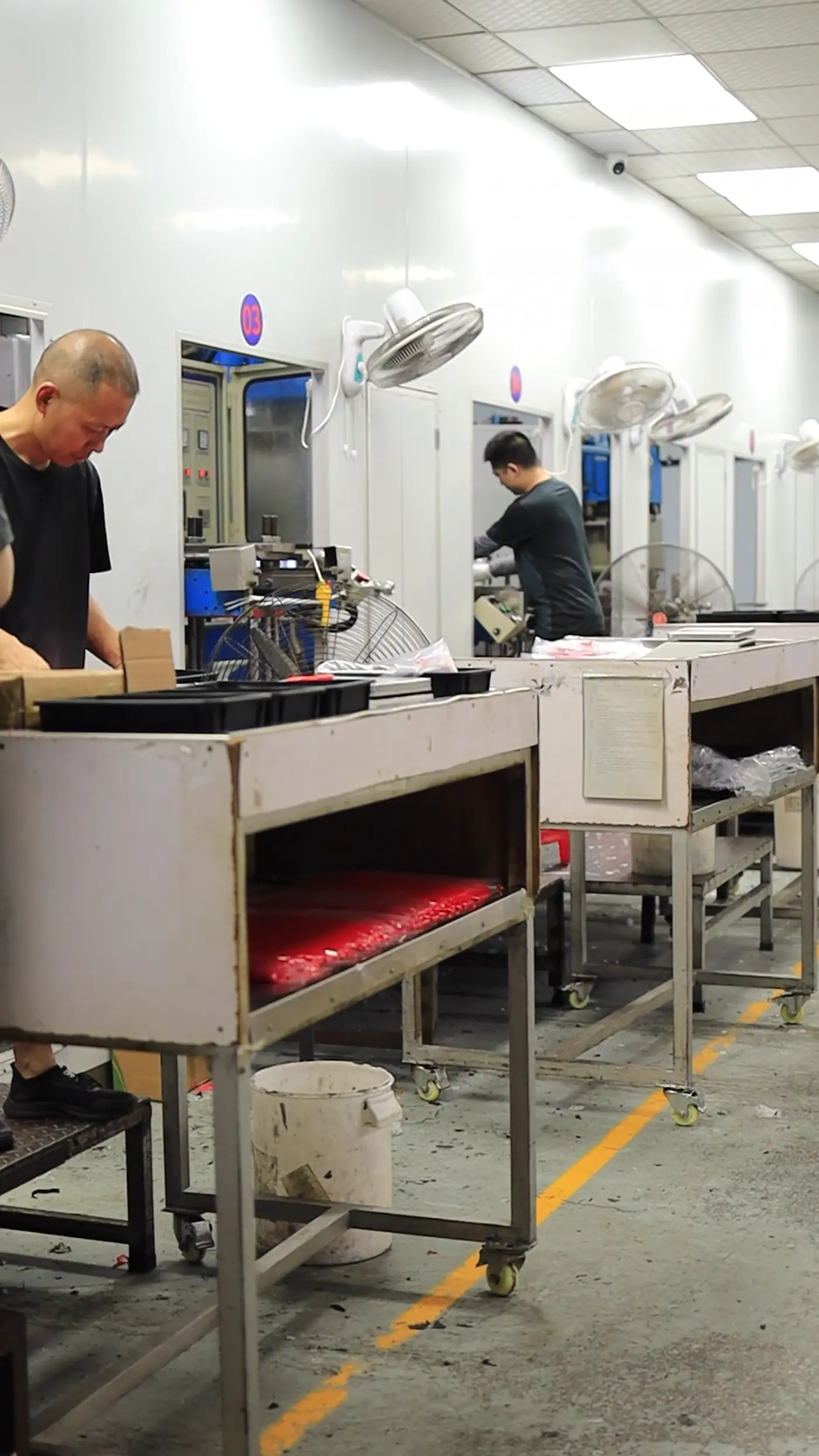
Custom LSR, HCR, and extrusion still have mix or mill time, heat cure, post-cure, lot identity, and (for some compounds) a use-by date on the gum. Custom RTV molds still have kit lots, pot life, jacket availability, technician calendar, and a recast clock. If you staple a two-bin card to a seasonal gummy tray with a six-week overseas transit, the card will look busy while the line starves.
Write the envelope and the signal as a system. Then put the chemistry and the jacket in the system, not the other way around.
Blanket PO: what it must freeze, and what it must not
Freeze identity: part or mold number, revision, compound (platinum RTV kit or LSR kit / HCR batch spec), color, post-cure if any, flash spec, packaging, quality agreement. A blanket that says “silicone gasket, 50A” or “silicone mold, food grade” is a license to substitute.
Freeze commercial structure: unit price *by release size* or a stated price break table, tooling already paid and owned (master, skins, mother — tooling charge ≠ unrestricted title), validity dates, currency, Incoterms, tariff/HS handling. Price that assumes 10,000-piece drops and then gets used for 400-piece kanban pulls is not a price. It is a fight. Price that assumes a year of dumps from one skin and then gets a recast invoice in month three is the same fight.
Cap quantity and time: maximum pieces, dumps, or maximum value, expiry. A blanket with no cap is an open liability for the shop and a surprise for your finance team.
Do not freeze the shop’s mix of presses or pour benches as if it were inventory. Capacity is a forecast conversation. The blanket should say how you will share a rolling forecast (even a bad one) and how the shop may buy kits against it.
Index or reopen raw material. Siloxane and platinum kits move. A 12-month frozen unit price with no material trigger is how shops pad the first quote or how they disappear in month seven. A trigger tied to a named index or to documented mill invoices is a structure. A handshake “we will be fair” is not.
Kanban that matches a thermoset cell — or a pour cell
Classic two-bin kanban assumes the replenishment time is shorter than the consumption of one bin, and that the item is interchangeable. Custom silicone breaks both assumptions unless you design for them.
Loop time, honestly. Queue at the press or pour bench + cure-dominated cycle × quantity / cavities + post-cure or wait + inspect/pack + inland + ocean or air + your receiving. For overseas LSR, loop time is often weeks. For overseas RTV *molds*, the loop is master/jacket lead plus freight; for *dumps* from a jacket you already hold, loop is technician calendar plus kit shelf life. Bin quantity must cover loop time × consumption, plus yield loss and a quality-hold buffer. If that bin is larger than the tool’s honest batch, you are not running kanban. You are running a min-max warehouse with extra cardboard.
Lot identity travels with the card. One kanban card should not authorize mixing two LSR lots in one carton if your device file forbids it. Print lot, tool number, and cure date on the traveler. FIFO in your cage. RTV: kit lot and jacket ID on the dump carton.
Shelf life is a kanban constraint. Some platinum LSR kits and mixed HCR batches have manufacturer use-by dates. Platinum RTV kits do too. Finished parts can take a compression-set or surface age you care about. Jackets take UV and stretch. A card that pulls “whatever is oldest at the factory” can deliver aged stock you never ordered. State maximum age at ship and at receipt. State recast if the skin is past the wear clause.
Setup and color. LSR color changes and HCR compound changes are not free. RTV color of the *dump* is a different mix; jacket Shore is not a color change. Kanban that chatters between dump recipes will pay in failed pours. Group cards, or pay for a dedicated cavity set.
MOQ, tool occupancy, and the lie of “pull anything”
The press does not care about your card. A 4-cavity Class 103 tool that needs a two-hour heat-up and a 20-shot start-up does not want a 50-piece pull. The pour bench does not care either: a 12-cavity tray still needs mix, degas, and a seated jacket.
Either:
- set the kanban quantity at or above a stated runnable lot (start-up scrap or failed-pour allowance included in the economics), or
- accept that the shop will batch multiple cards, which adds delay you must put in loop time, or
- pay a setup surcharge for true small pulls, in the blanket, in writing.
RTV vacuum-cast parts can look more kanban-friendly (no steel heat-up) and still fail: jacket availability, technician calendar, and platinum inhibition do not pull like a bin. Recast windows must sit in the calendar or the card will pull a torn skin.
Extrusion is a third animal: die in the press, line speed, start-up footage as scrap. Kanban on cut lengths should authorize a run, not a handful of pieces that force a die change twice a week.
Contract terms that make the pull real
Forecast vs firm. Rolling 12-week forecast, last 2–4 weeks firm (numbers depend on loop time). Kanban consumes the firm window. The shop may buy gum or RTV kits against the forecast at its risk unless you agree to a raw-material buy-ahead with a restocking rule.
Gum vs parts vs jackets. If siloxane lead times dominate, the blanket may authorize the shop to hold *named* LSR kits, HCR lots, or platinum RTV kits for your SKU. That is not consignment of finished goods. It is a raw hedge. Write who owns it, who pays if the revision dies, and the use-by date. Spare RTV skins are a hedge too — title them.
Failed cards. If a pull cannot ship (tool down, yield crash, gum short, jacket torn), the signal is not “try harder.” It is a written escalation: substitute lot only with approval, air freight at whose cost, temporary 1-cavity pour only if that process is qualified.
Inventory location. Factory hold, forward warehouse, or your cage. Kanban from a factory hold overseas is a long loop. Kanban from a local hub is a short loop you paid to create. Do not pretend they are the same card.
Revision control. A drawing change kills the bin. The blanket should freeze how WIP and finished cards are reworked or scrapped, and who pays. Kanban without revision rules will ship the old lip because it was in the full bin — or dump from the old master because the SLA was “close enough.”
RUUIPON Mold Structure Decision: The pull cannot invent a one-piece glove for a deep undercut. Freeze structure (open-back vs two-part vs core + mother) in the blanket identity, then pull dumps.
Common mix-up: catalog O-ring cards on a custom jacket
A lot of RFQs size weekly-use cards while ocean transit is monthly and the skin recasts every season. In the shop that usually means a pretty board and a starved depositing line.
What to ask when you're buying
- Identity frozen: rev, kit, jacket ID, flash spec?
- Price by release size, not a 10,000-break used on 300 pulls?
- Loop time from timed process plus real transit?
- Runnable lot vs bin size — within a factor of two?
- Recast / kit use-by / max age at ship in the card?
Worked example
You're dumping 8,000 gummies/season from a 12-cavity platinum tray, two campaigns, overseas. Blanket: tray ID, kit family, recast at tear or 12 months, price by campaign size, kit validity separate. Kanban from a local hub you stocked before campaign, not from the pour bench across an ocean on a two-day card. If a sister SKU is 4-cavity LSR at 2,000 / month, size the bin to loop time × consumption and compare to the runnable lot — same arithmetic, different factory.
We would not recommend piece price from a 10,000-break on 300-piece pulls
We would not recommend mixing medical lots to “make the bin,” cards sized to weekly use while transit is monthly, or skipping a recast window because every week has a card. We would not dual-source cards with no qualified second jacket.
- Blanket: identity + price by release + cap -> Loop time = cell + wait + transit
- Loop time = cell + wait + transit -> Bin ≥ loop x use x scrap + hold
- Bin ≥ loop x use x scrap + hold -> Bin vs runnable lot?
- Bin vs runnable lot? - Within ~2x -> Cards can work
- Bin vs runnable lot? - Far apart -> Hub, larger releases, or drop kanban theatre
- Need a pull system - Catalog O-ring card on RTV -> Starved line
Typical shop values
Reference values only. Confirm material-specific limits against the supplier’s technical data and agree project acceptance criteria before production.
| Item | Typical shop value | | --- | --- | | Firm window | Often last 2–4 weeks of a rolling forecast — depend on loop | | Platinum RTV mix | 1:1 or 10:1; kit use-by is a kanban constraint | | Jacket recast clock | Dumps *or* months, whichever first | | Platinum shrink | About 0.1–0.3% — rev change still kills the bin | | ISO 3302-1 | M2 common; a card is not a waiver of the flash spec | | Tooling on the blanket | Titled master/skins; charge ≠ transfer rights |
Copy this into a blanket / kanban RFQ
- SKU, revision, kit/grade, jacket or tool ID, flash spec, packaging
- Price by release size; cap and expiry; material reopener with documents
- Rolling forecast vs firm window; max age at ship
- Recast interval; spare skin title; failed-card escalation
- Hub vs factory-hold loop — do not pretend they are the same card
Send consumption, transit, and whether this is dumps or parts. We'll size a campaign and a recast, not a toy card. Custom RTV molds.
Related: siloxane shortages, tooling ownership, low MOQ.
FAQ
Is a blanket order the same as a forecast? No. A blanket is the commercial envelope (SKU, price structure, cap, term). A forecast is a non-binding (unless you say otherwise) look-ahead the shop uses to buy kits and slot benches. Kanban is the firm pull inside that envelope. If you skip the forecast, the shop will either over-buy unique compound or miss the first card.
Can I kanban custom LSR — or RTV dumps — the way I kanban catalog O-rings? Only if loop time, runnable lot, and lot-trace rules fit a two-bin story. Catalog rings often sit in a local DC. Custom 4-cavity LSR with overseas transit does not. Seasonal RTV dumps do not. You may still use cards from a hub you stocked on a blanket. The factory cell itself is usually min-max or MRP with a kanban face.
Who owns leftover compound bought against my forecast? Whoever the blanket says. Default shop practice is: they own kits they bought, and they will push you to take it if the revision dies. If you want dedicated kits reserved, write a buy-ahead with a use-by date, a restocking or take-or-pay rule, and a ban on substituting that lot onto another customer without consent. Spare RTV skins: title them.
How do I set kanban quantity without fake weekly usage? Measure consumption, then set bin ≥ loop time × consumption × (1 + planned scrap) plus a quality-hold buffer. Compare that bin to the factory’s runnable lot. If they disagree, change the network (hub, dual bins, larger releases), not the arithmetic.
Does kanban remove the need for a quality agreement? No. Pull systems ship faster. They do not inspect for you. Keep first dump / FAI on revision, incoming AQL or skip-lot as agreed, lot tickets, and change notification. A card is an authorization to make, not a waiver of the flash spec.
Custom silicone development · DFM & prototype support
CAD, drawing, photos or sample details