
Does Platinum Silicone Contain Platinum Metal | RUUIPON
Platinum-cured RTV uses a platinum catalyst at trace level, not a metal filling. Marketing vs TDS. Mix 1:1 or 10:1, MOQ 20, $50 CAD when that scope
 Kyler Yang · Founder7 min read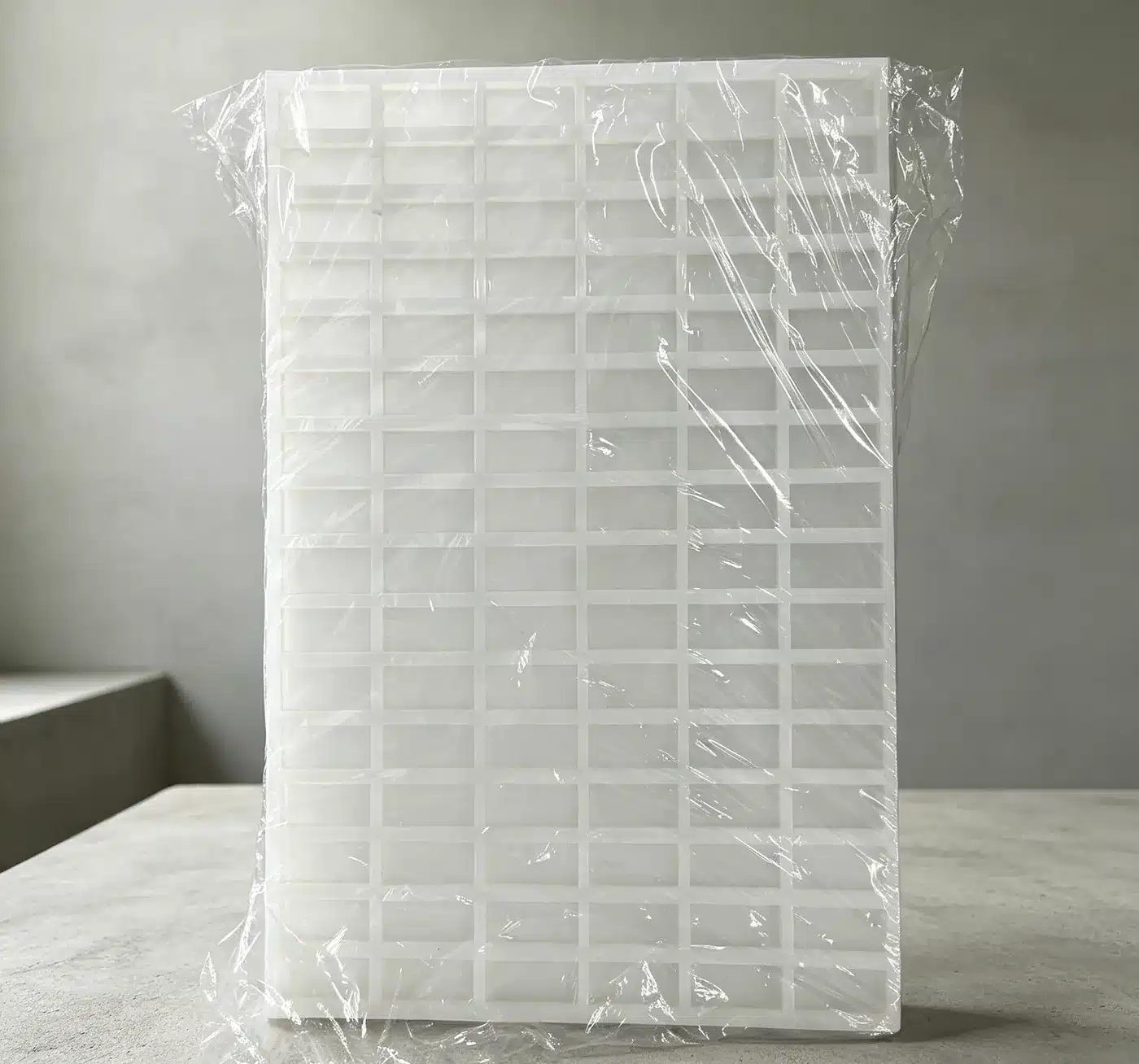
Yes, platinum-cured silicone contains platinum — as a catalyst, at a trace level set by the chemical supplier, not as a metal powder you could recover, not as a jewelry alloy, and not as a purity grade you should put on a retail hang-tag. The marketing word "platinum" names the addition-cure family. The TDS names a platinum catalyst. Neither sentence is a food stamp, a metal-content COA for a jewelry claim, or proof of 21 CFR 177.2600.
RUUIPON pours addition-cure tools in Bao'an / Shajing since 2018. Prototype 3–7 business days after CAD lock. Production MOQ 20 pieces per design. Simple 3D is USD $50 when that CAD scope applies. Mix 1:1 or 10:1 by weight; shrink after full cure typically about 0.1–0.3%. We do not invent ppm lab numbers or SGS report IDs for catalyst metal. Steel/LSR *parts*.
Does not apply when you need a precious-metal assay for a consumer "platinum infused" claim. We would not support that claim. It also does not apply to whether the mold is food-contact — that is article extraction, not metal content.
Catalyst metal at trace level is not a jewelry claim
Addition-cure works because a platinum complex kicks the vinyl/hydride reaction. Once the network is built, you have silicone rubber plus leftovers the TDS already accounted for. You do not have a metal part. Asking us for "how many grams of platinum in a 12-cavity tray" is the wrong RFQ. Asking whether the grade is addition-cure, what it inhibits against, and which article tests you need — that is the right RFQ.
What buyers try to do with the word:
- Print "contains platinum" next to a chocolate mold as if it were a health metal.
- Ask for a metal ppm COA instead of 177.2600 / LFGB.
- Assume more platinum (or 10:1 versus 1:1) means a "stronger" mold.
1:1 versus 10:1 is how the supplier packaged A and B, still by weight. It is not a platinum loading ladder we will quote as a feature.
- What do they actually need? - Food-contact -> Article extraction + wash SOP
- What do they actually need? - Library mold -> Addition-cure RTV; mix 1:1 or 10:1 by weight
- What do they actually need? - Jewelry metal claim -> We would not
- Article extraction + wash SOP -> Addition-cure RTV; mix 1:1 or 10:1 by weight
The photo that would prove the distinction: TDS "platinum catalyst / addition cure" highlighted, next to a packing list that does not list a metal assay. A glittery marketing render of "platinum molecules" proves nothing.
Procurement sometimes asks for a conflict-minerals statement on the catalyst metal. That is a supplier-chemicals question, not a tray millimetre question. We will not invent a smelter list. We will name the drum family on the traveler so your compliance desk can write to the chemical company.
A second confusion is "platinum" as a color. Translucent addition-cure is often water-white or pale; tin kits are often blue or green so you see streaks. Colorant is not metal content. A glittery silver pigment does not make a tin kit into addition-cure, and a water-white 1:1 is not "empty of platinum" because you cannot see flakes.
If a retailer wants a hang-tag that says the mold "contains precious metal," stop. The honest line is addition-cure platinum-catalyzed silicone rubber, plus whatever food-article tests you actually ran. Anything else is a claim we would not print. ISO 3302-1 M2 is a size class. It is not a metal content class.
We would not publish a fake ppm table. If a customer’s lab needs catalyst documentation, they work from the chemical supplier’s statements, not from a number we invent.

Confirm addition-cure, not a metal assay
Read the TDS family: addition-cure, platinum-catalyzed. Do not assay the tray for metal as a food test. Run the article tests you named. Lid patty to confirm the mix. Size after full cure in the 0.1–0.3% typical band.
Shop numbers (chemistry, not metal)
Reference values only. Confirm material-specific limits against the supplier’s technical data and agree project acceptance criteria before production.
| Item | Typical shop value |
|---|---|
| Mix | 1:1 or 10:1 by weight |
| Platinum shrink after full cure | about 0.1–0.3% |
| Cavity Shore | 10A–20A gloves; 20A–40A trays |
| Prototype | 3–7 business days after CAD lock |
| Production MOQ | 20 pieces per design |
| Simple 3D | USD $50 when that CAD scope applies |
Claims we would not print on a carton
We would not recommend "contains platinum" as a retail health line.
We would not recommend a metal ppm COA as a substitute for 177.2600.
We would not recommend tin labeled "platinum" because the box was silver.
We would not recommend quoting a ppm we did not measure.
A tooling charge is not unrestricted ownership of supplier TDS files you can reprint as your brand's metal claim. If marketing needs a paragraph, use "platinum-catalyzed addition-cure silicone" and stop before "precious metal."
We would not mill platinum powder into a tray to "raise the ppm" for a campaign. That would wreck the rubber and still not be jewelry.
Worked example: retailer who asked for a metal COA
Retail buyer asked for "platinum content certificate" on a gummy tray. We sent the addition-cure TDS language and the food-article pack names they needed. We did not invent ppm. Prototype 3–7 business days after CAD lock. $50 3D did not apply. MOQ 20 per design. The copacker accepted the article path; they never needed a jewelry assay.
Mix-up: expecting a metal content COA as food-contact proof
Extractives on the article are the food path. Catalyst metal is how the rubber cured. The other mix-up is "more platinum" as a Shore upgrade. Shore comes from the polymer design, not from sprinkling catalyst. Ask for 10A–20A or 20A–40A from the dump, then mix the TDS ratio. A glitter pigment does not change that Shore call. Keep metal marketing off the traveler so purchasing does not file a jewelry assay as the food pack.
Questions that keep marketing off the TDS
- Do you need addition-cure RTV, or a metal claim? (We do the first.)
- Food-doc names: 177.2600 / LFGB / craft-only?
- Mix 1:1 or 10:1 if you spec a grade?
- Dump and peak °C?
- Who keeps the master?
Related: what platinum-cured is, contact, food-contact quoting.
RFQ copy-pack — catalyst vs marketing
Paste into [email protected]:
Object: platinum-catalyzed RTV mold, not a metal assay Dump and peak °C Food path: 177.2600 / LFGB / craft-only Do not require a jewelry ppm COA Mix: 1:1 or 10:1 by weight if you spec a drum File: STEP / STL / photos with a millimetre scale CAD: mold-ready STEP OR USD $50 3D if that scope applies Prototype 3–7 business days after CAD lock, then MOQ 20 per design
Send the dump and the docs you actually need. We pour addition-cure — not a blank "free quote." Phone +86 135 3006 2969. Licheng Technology Industry Park, Xinhe Blvd, Shajing, Bao'an. Shop since 2018.
FAQ
Does the mold contain real platinum? A trace catalyst, yes. Not a metal filling and not a jewelry grade.
Can I advertise "platinum infused"? We would not. Name addition-cure and your food docs if food.
Is 10:1 more platinum than 1:1? It is a different mix package, not a metal-loading upgrade we sell.
Will a metal assay replace LFGB? No. Different question.
If I pay tooling, do I get the catalyst recipe? A tooling charge is not unrestricted ownership of supplier chemistry. You get the tool and the TDS family we used.
Custom silicone development · DFM & prototype support
CAD, drawing, photos or sample details