
Low-MOQ Custom RTV Silicone Mold Partner Checklist
A low MOQ on a custom RTV mold is a setup-cost policy, not a kindness. Check master custody, kit size, recast, and whether the shop actually pours gloves.
 Kyler Yang · Founder8 min read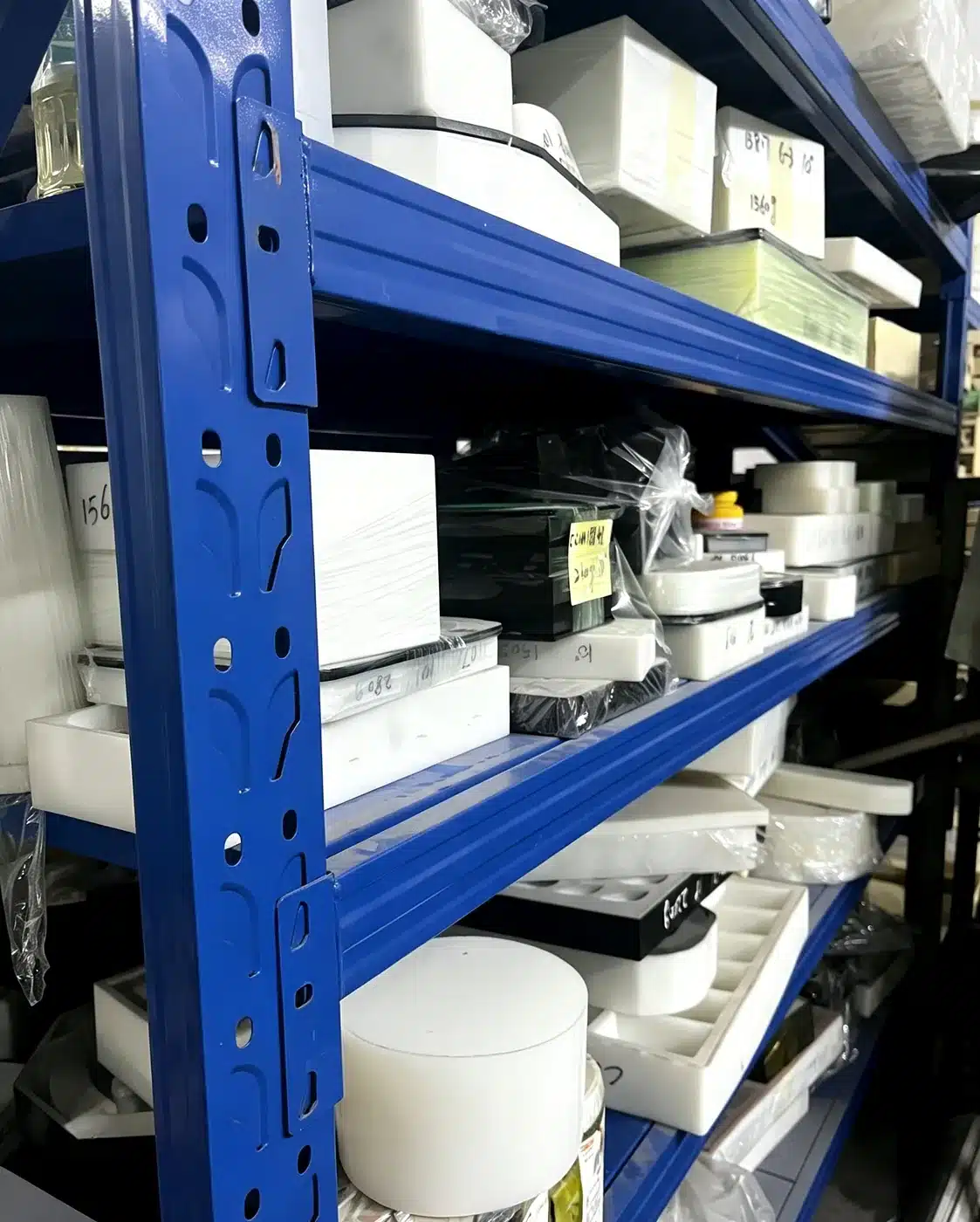
If you're hunting a low-MOQ custom RTV mold shop, treat a homepage MOQ of 1 mold or 50 dumps as a setup-fee policy. Shop the math that produced it.
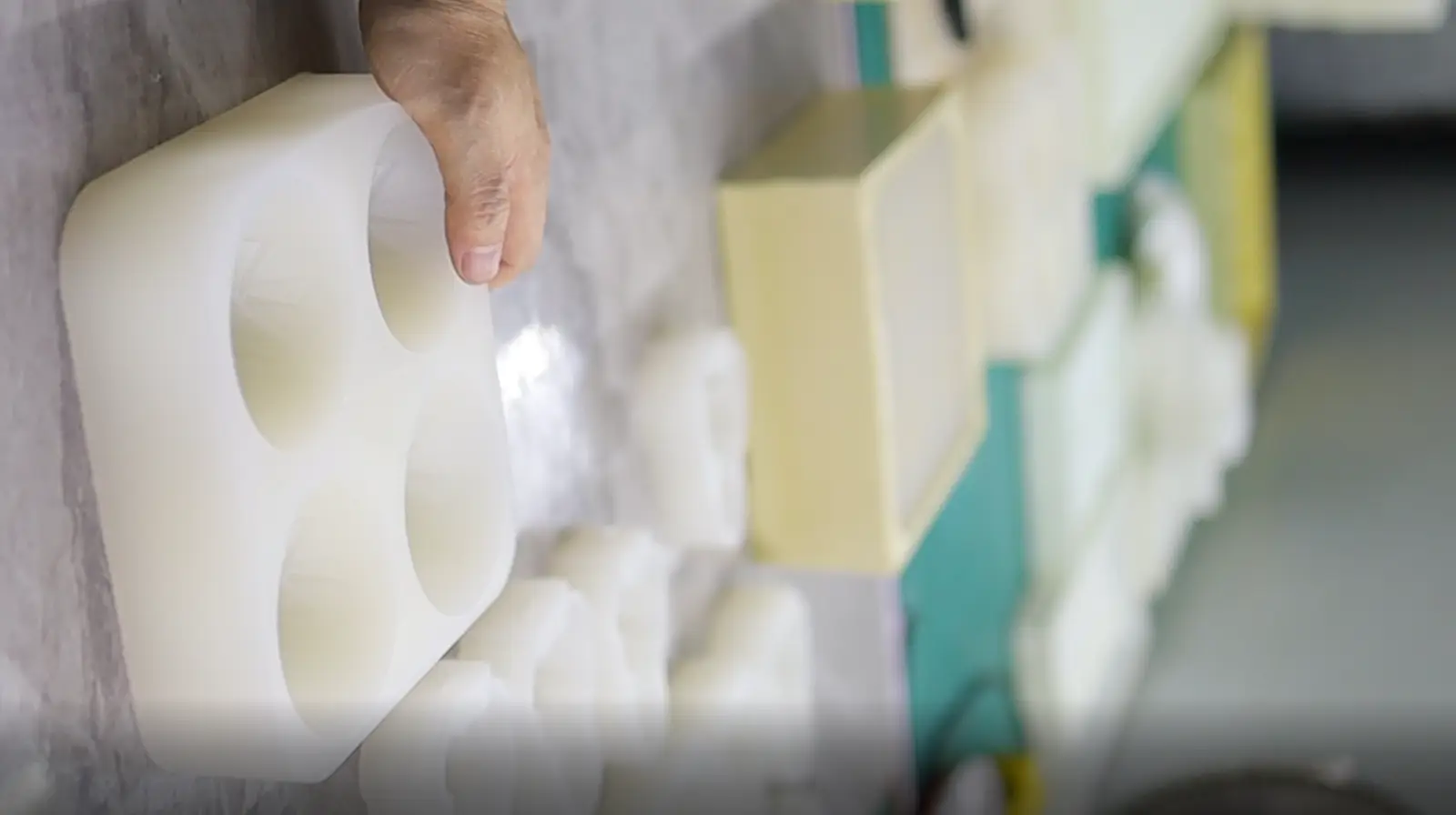
Custom RTV houses don't enjoy one-off jackets that wreck the vacuum calendar. They accept them when the master, the kit, and the bench can be staged without wrecking the week. “Low MOQ” is the policy that falls out of that math. Shop for the math, not for the smallest number on a homepage.
LSR “MOQ 50 parts” on a steel cell is a different partner. Mixing them is how buyers get a sample they cannot dump food into.
What MOQ is covering
A minimum order is the shop’s way of not pouring a glove after three hours of master prep for a kit they will never open again.
Typical covers, in the order they actually bite:
RTV kit minimum. Platinum 1:1 or 10:1 pails, tin 10:1, barrier coat, food-contact grades. If your one mold uses 800 g and the kit is 5 kg, someone owns leftover. A “low MOQ” shop either (a) already stocks that grade, (b) charges you the rest of the kit, (c) runs a shared grade you did not specify, or (d) hides leftover in a high mold price. Ask which.
Master and box time. CNC or print, wash, UV post-cure, barrier coat, flask. That block does not shrink because you only wanted one tray.
Quality release. Fill-weight map, Shore check, visual of the split: that packet is similar at 1 mold and at 10. A shop that skips it to hit your MOQ is not cheaper. You are the incoming inspection department.
Storage. A jacket and an unsanded master for 50 dumps a year is a storage fee with a birthday. Confirm who stores it, UV, and whether “MOQ 1” assumes the master stays in *their* rack.
Common mix-up: “MOQ 1” next to steel 8-cavity photos
If a manufacturer advertises “MOQ 1” and their photos are steel LSR tools, you are looking at a marketing page. If they show vacuum chambers, mold boxes, and glove molds, you are looking at RTV. Both can be competent. They are not interchangeable partners.
ISO 3302-1 is a drawing class if you sell a rubber article. It is not an MOQ.
Process first, MOQ second
RTV custom molds (this site). Naturally low quantity of *tools*. Labor-heavy dumps. Fine for food, gummy, chocolate, resin. A bad predictor of LSR flash and heat-shrink if someone later wants *parts*.
LSR injection, soft tool. Real compound, real heat. Different factory. Don't use their MOQ against an RTV RFQ.
HCR compression. Mill lots set a floor. Different factory.
Signals of a shop that can actually pour small
Ignore adjectives. Look for cell design.
- A vacuum bench and mix protocol that is not the production LSR press.
- Willingness to quote setup as a line, MOQ as a *result*, and leftover RTV as a *choice* (you buy it / they stock it / you change grade).
- 1–2 cavity RTV as a normal offering, not a reluctant exception.
- A stated jacket and recast policy.
- Document control that works at low qty: lot of the platinum kit, master rev, who owns the pattern.
Red flags that rhyme with “we do low MOQ”:
- One unit price, no setup line, no leftover policy.
- “Any color, any hardness, MOQ 1” with no platinum vs tin named.
- Steel tool quoted as mandatory before a single RTV skin.
- No answer on who keeps the master.
What to ask when you're buying
- Process (platinum/tin RTV) and why it matches the dump.
- Tool type and cavity count for *this* MOQ, not for a fantasy year-two volume.
- Grade, pack size, and leftover policy.
- Setup fee vs mold price, and how they change at 3× dumps.
- Lead time as gates (DFM, master, pour, FA), not one calendar promise.
- What happens on recast of the same skin if the master is already at the shop.
Worked example: one 12-cavity tray, leftover kit
A confectioner needed one 12-cavity 18 mm bear tray, food-contact, about 500 dumps to start. Shop A: MOQ “1 mold,” stocked platinum 10A–20A, mix 1:1, vacuum degas, leftover kit on the shop, recast priced, master custody written. Shop B: MOQ 20 molds, special-order pail, steel “so you can scale.” Shop A won once leftover, jacket, and recast were added. A parallel LSR MOQ 200 with a stocked medical pail is a different product.
When this article is the wrong quote
If you need 80 molded LSR *parts*, a glove-mold shop is the wrong partner even at MOQ 1. Quote a parts OEM. A tiny artisan can skip leftover-kit math if they bring a physical master. Geometry can override quantity: one deep core is still a split job at MOQ 1.
Related reading: custom RTV molds, turnaround times, RFQ seven details, food-grade molds.
Partner, meaning the boring parts
A production partner at low volume is a shop that will still recast the *same* skin against the *same* unsanded master in six months. That requires:
- The master and jacket ownership in writing. Paying a tooling charge does not, by itself, give unrestricted transfer rights.
- The RTV named as a manufacturer grade, not “transparent 20A.”
- A recast that does not restart DFM charges without a CAD change.
Put this on the RFQ: “State MOQ as a function of setup, kit pack size, and 1-cavity pour time. Split setup from mold price. Name platinum or tin. Don't quote a steel multi-cavity MOQ against a glove request.”
Send dump material, monthly dumps, and whether you already have a master. We will mark leftover policy, custody, and whether 1–2 cavities is enough.
We would not recommend a steel MOQ against a glove request
We would not recommend “any hardness, MOQ 1” with no grade family. We would not skip master custody. Raising Shore A first is the wrong fix for a shop that will not stock 10A–20A. We would not hide leftover platinum in unit price.
RUUIPON Mold Structure Decision: small MOQ still needs a real split. Flat back? open-back. Deep undercuts that will not peel? two-part / core even at qty 1. Soft 10A–20A or wet dump? mother mold in the first price.
- Shop pours RTV? - steel LSR photos -> Marketing; different partner
- Shop pours RTV? - vacuum bench + boxes -> Ask leftover kit + master custody
- Ask leftover kit + master custody -> Setup as a line?
- Setup as a line? - no -> Unit price is a bucket
- Setup as a line? - yes -> Recast path in six months?
Typical shop values
Reference values only. Confirm material-specific limits against the supplier’s technical data and agree project acceptance criteria before production.
| Item | Typical shop value | | --- | --- | | Mix | Platinum 1:1 or 10:1; vacuum degas | | Cavity Shore | 10A–20A skin with jacket | | Platinum shrink | About 0.1–0.3% | | Loaded-tray edge sag | About 0.5–1.5 mm without a jacket | | First tool | 1–2 cavities until peel freezes | | Kit leftover | Someone owns the rest of the pail — name who |
FAQ
Is a homepage MOQ of 1 mold a kindness? It is a setup-fee policy. Someone still owns leftover platinum, master hours, vacuum slot, and a quality packet that does not shrink as fast as lot size. Shop the math that produced the number, not the smallest figure on a banner.
Why can a shop with MOQ 5 molds beat one with MOQ 1? A stocked food-contact platinum kit plus one setup can beat a special-order pail at one mold once leftover, scrap, and freight are added. Align process first, then the hidden floor: pack size, leftover owner, and setup as a line.
How do I tell RTV low-MOQ from LSR low-MOQ? Vacuum chambers and glove molds are RTV: naturally small tool lots, craft scatter, a poor predictor of LSR flash and heat-shrink. Heated presses and 1-cavity aluminum are LSR: real compound and real flash. Steel 8-cavity photos next to "MOQ 1" are marketing.
What leftover-kit policy should a small-lot RTV shop declare? You buy the rest of the kit, they stock that grade, they run a shared grade you did not specify, or they hide leftover in mold price. Ask which. Platinum packs set a mass minimum even when mold count looks tiny.
Does "any color, any hardness, MOQ 1" mean they can recast in six months? Not if the grade is unnamed, setup is missing as a line, and steel is mandatory before a skin. A partner at low volume still names the manufacturer grade, writes master ownership, and does not restart DFM charges without a CAD change.
Custom silicone development · DFM & prototype support
CAD, drawing, photos or sample details