
Parting Line Placement: Flash Versus Keys | RUUIPON
Put the RTV parting land off the show face and off the logo. Keys register the halves; flash lives on the land. A seam through the wordmark is a fail.
 Kyler Yang · Founder7 min read
On a split RTV mold the parting line is a placement choice, not a decoration. Flash will grow on the land where the two skins meet. Keys — bumps, sockets, a fence in the jacket — are how those skins find each other every cycle. If you put the land through a logo, a chocolate face, or a sealing rim, you will pick flash forever or you will read a seam in the brand. If you skip keys and hope the jacket “lines up,” you will throw a step in the dump that looks like a design feature until purchasing weighs it.
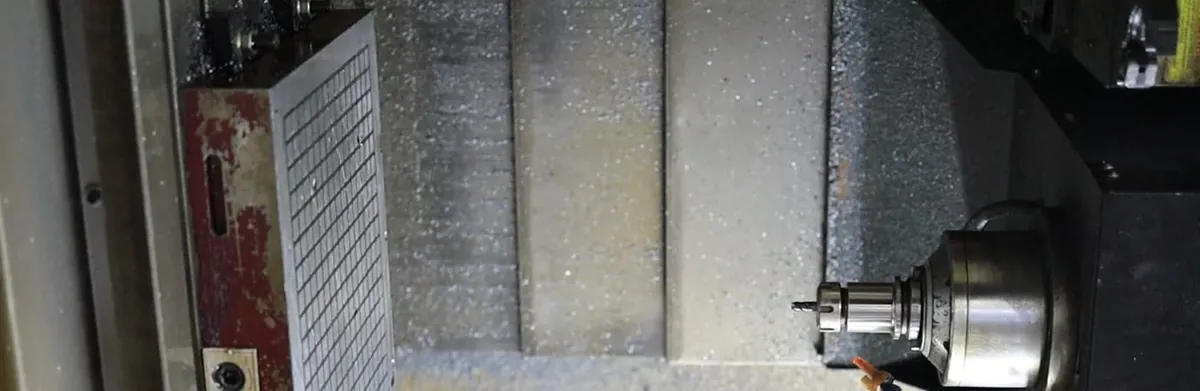
RUUIPON pours the split in Bao’an: resin master to RTV casting mold. Prototype 3–7 business days after CAD lock. MOQ 20 pieces per design. This is not an LSR shut-off lecture; steel flash lands for molded *parts* are a different RFQ - ask us.
Does not apply when the tool is an open-back tray (flat-back chocolate, gummy sheet, wax melt) with no split at all. Those jobs have a dump face, not a parting line. They belong on tray layout or logo-depth pages. It also does not apply if you are trying to hide flash by raising Shore A.
Flash lives on the land; keys live next to it
Walk the show faces with the buyer before we cut the master. The land should sit:
- Off the logo and off serifs (a seam through a wordmark is a brand complaint, not “character”).
- Off a food face you want clean (chocolate gloss, soap stamp field).
- Off a sealing rim or a nest that has to sit flat.
- Along a natural side seam when the dump already has one (figurine, pillar, two-sided bar).
Keys are a different object. They do not belong as bumps in the chocolate. They belong in the jacket, on a fence, or on a registration tab the operator can feel. A key that is also a cavity detail will print in the dump and will wear first.
The photo that would prove a good placement is a closed mold with a marker line on the land, then the first dump with flash still attached, then the same dump after a one-pass trim — flash gone, logo untouched. A closed-mold beauty shot with no dump does not prove the land.
ISO 3302-1 M2 on the drawing classes the rubber, not the seam. You can hold M2 and still put the land in the wrong place.
Typical shop values
Reference values only. Confirm material-specific limits against the supplier’s technical data and agree project acceptance criteria before production.
| Item | Typical shop value |
|---|---|
| Structure | Keyed two-part when the dump will not peel as a glove |
| Cavity Shore | 10A–20A skin; jacket takes the register |
| Mix / shrink | platinum 1:1 or 10:1; about 0.1–0.3% — compensate on the master |
| Loaded jacket sag if the support is weak | about 0.5–1.5 mm, which opens the land on one corner |
| Prototype / MOQ | 3–7 business days after CAD lock; 20 pieces per design |
| Simple 3D | USD $50 when that CAD scope applies |
| Food-contact path | 21 CFR 177.2600 and/or LFGB on the finished article, not a factory stamp |
Common mix-up: “put the seam wherever it is easy to pour”
Easy for the shop is a straight land through the equator of the master. Easy for you is a land you can trim in five seconds that never crosses the brand. Those two easies fight. Write the show face on the RFQ. The other mix-up is treating keys as optional because “silicone is floppy and we can wiggle it.” Floppy without keys is how you get a 0.5 mm step that reads as a design line.
Paying the tooling charge does not let a second factory recast from our keyed jackets unless the PO says so.
Worked example (anonymized)
A two-sided 40 g hospitality chocolate, logo on the face, texture on the back, about 800 dumps a month. First CAD from the buyer put the split through the wordmark because that was the widest section. We moved the land to the thin edge, put keys in the rigid jacket, and drafted the logo off that land. Prototype after CAD lock showed a hairline flash on the edge and a clean face. They signed. Production at MOQ 20. We would not have “just poured it” on the wide section to save a day of master work.
We would not recommend
We would not recommend a one-piece glove on a two-sided bar to “avoid a parting line.” You will tear the back or you will lock the logo.
We would not recommend putting registration pips in the cavity field so the operator can “see they lined up.” Those pips become dump defects.
We would not recommend skipping the jacket on a soft 10A–20A split. The land opens when the skin sags.
- Open-back will peel? - yes -> No parting line — stop
- Open-back will peel? - no -> Mark show faces and logo
- Mark show faces and logo -> Can the land sit on a side seam?
- Can the land sit on a side seam? - yes -> Land on seam, keys in jacket
- Can the land sit on a side seam? - no -> Move land off logo and off seal rim
- Land on seam, keys in jacket -> Keys in cavity field?
- Move land off logo and off seal rim -> Keys in cavity field?
- Keys in cavity field? - yes -> Move keys to fence or jacket
- Keys in cavity field? - no -> CAD lock, then 3-7 day prototype
What to ask when you are buying
- Where will flash sit on the first dump, in words and on the 2D?
- Are keys in the jacket or in the cavity?
- Can the halves go together backwards?
- Will a sagging skin open the land on the outer corner?
- Who trims flash — your line or the shop on the witness?
Related: undercuts and split structure, wall vs jacket, contact. Chocolate faces that must stay clean start from custom chocolate molds.
RFQ copy-pack — parting land
Paste into [email protected]:
Object: split RTV mold, not an LSR shut Show faces (do not put flash here): Logo file + depth mm if any Preferred land: side seam / equator / you mark it Keys: jacket / fence / not in the cavity Pour material, peak °C, monthly dumps Jacket required: yes Prototype 3–7 business days after CAD lock MOQ 20 per design after sign-off Ownership: who keeps master and jacket
Send the STEP and the show-face list. We mark the land on the 2D before A/B. Phone +86 135 3006 2969. Licheng Technology Industry Park, Xinhe Blvd, Shajing, Bao’an, since 2018.
How we would confirm the land (method, not a lot result)
On the prototype we would close the keyed jacket, dump the real material, and look at flash *before* anyone trims. Then we would check whether the halves can go together 180° wrong. Fill this grid on the witness — empty until you run it.
| Check | Result | Pass / fail sentence |
|---|---|---|
| Flash on show face? | ||
| Flash through logo / serifs? | ||
| Step at the land (mm, feel) | ||
| Keys in jacket, not in cavity? | ||
| Assembled backwards possible? | ||
| Corner of land open when loaded? |
A pass is a land you can trim in one pass that never crossed the brand. If the first sample already has a seam on the wordmark, stop. Move the land and recast the skins before anyone multiplies to twenty.
FAQ
Can you polish flash off an RTV land like steel? You trim it. Sanding the land changes the register. Recast if the land itself is wrong.
Do I need a parting line on a gummy tray? Usually no. A flat-back sheet is open-back. A two-sided mascot gummy is the exception — then this page applies.
Why not put keys in the cavity so I can see them? You will eat them, cast them, or wear them. Jacket keys do the same job without printing.
Does a tighter Shore close the seam? It can hide a small gap and then tear. Close the land with a jacket and keys. Shore is not a clamp.
If the first sample has a seam on the logo, is that a recast? Yes if the land was placed through the mark. Do not “live with it” into MOQ 20. Move the land, recast the skins, keep the master if it is still true.
Custom silicone development · DFM & prototype support
CAD, drawing, photos or sample details