
Why RTV Registration Keys Tear on Opening | RUUIPON
Keys tear when they are undercut pips in 10A rubber. Use draft, fillets, and enough wall — more keys is not stronger. Typical shop values. MOQ 20.
 Kyler Yang · Founder7 min read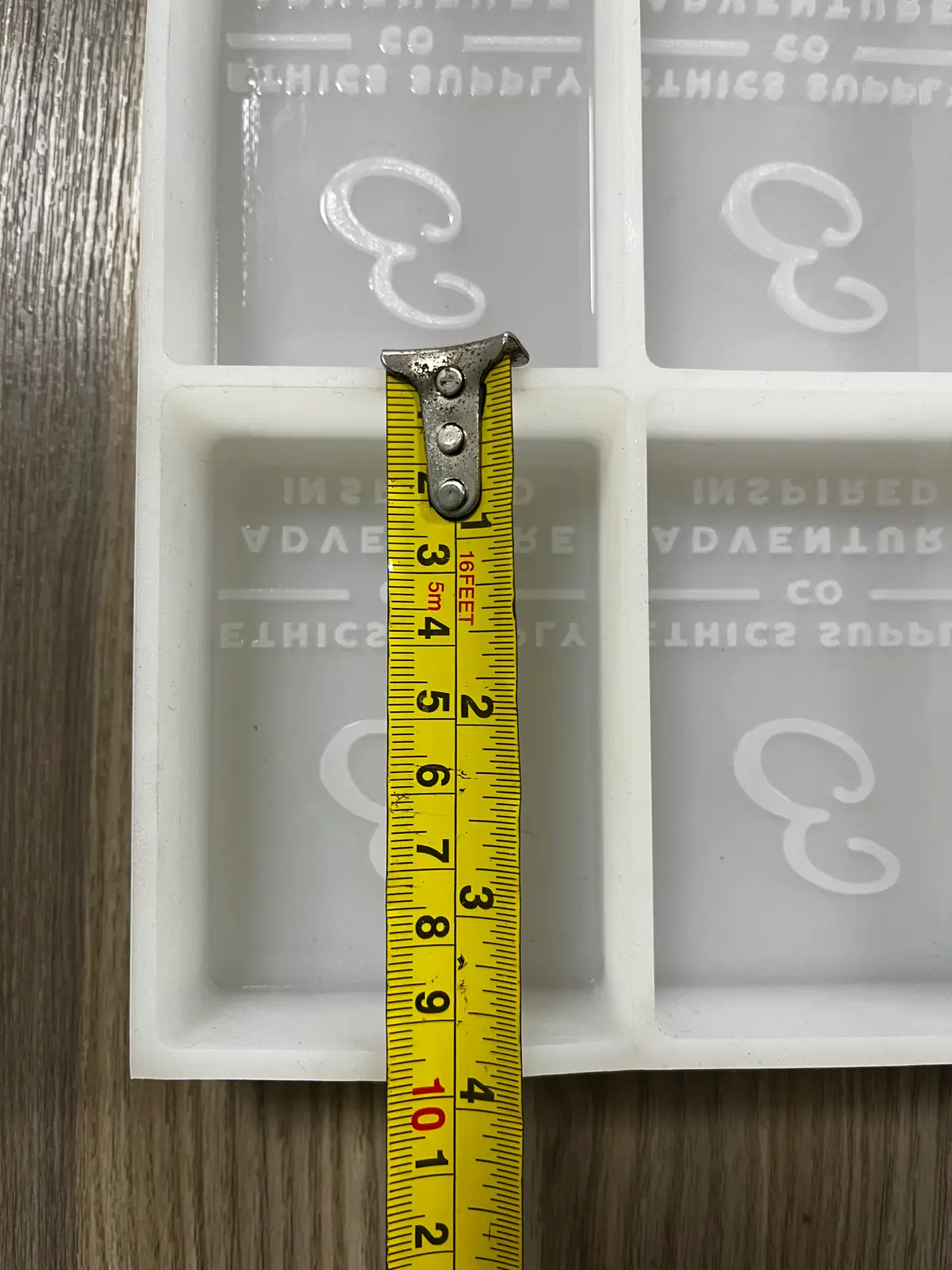
When a two-part RTV mold tears at a registration key on first open, the key geometry is the problem, not a "weak batch." A key has to locate the halves after heat and stretch, and it has to *leave* without ripping a 10A–20A wall. Undercut pips, knife-edge male cones, keys sitting in a 2 mm membrane, and keys you pry instead of peel will fail. Adding more of the same pip usually adds more tear sites. Draft, a fillet at the root, enough rubber around the female, and a peel direction that does not lever the pip — those are the fixes. Shore A is the last lever, not the first.
RUUIPON cuts keys into platinum skins in Bao'an since 2018. Prototype is 3–7 business days after CAD lock. Production is MOQ 20 pieces per design. Simple 3D is USD $50 when that CAD scope applies. Steel locators on an LSR tool are an HTV product RFQ here. Split language: split lines and keys.
Does not apply when the *casting* tore and the rubber key is intact, when you sliced a key with a knife while opening, or when a one-piece glove has no keys and you are describing a torn lip. Also does not apply to ISO 3302-1 M1 "precision" as if it were tear strength. Jewelry and figurine splits use the same key rules; those dumps are not food.
Keys that lock versus keys that bite
Male pip in a thin female well. The well is a rubber tube. Opening in shear rips the tube. Confirm: a ring of torn rubber left on the male, a crater on the female. Fix: thicken the female wall, fillet the pip root, add draft so it extracts along the open vector.
Hemispherical "easy" buttons with a negative equator. They feel secure and they hook. Confirm: a white stretch mark then a crescent tear. Fix: a drafted cone or a CNC boss with draft, not a mushroom.
Keys on the parting that you use as a pry slot. Operators screwdriver the key. Confirm: a nick at the same pip every time. Fix: a designed opening lip away from the locators.
Too few large keys vs a ring of tiny ones. Tiny keys in 10A are perforations. Confirm: a zipper of tears around the flange. Fix: fewer, larger, drafted locators with real wall.
Keys that fight the jacket. The mother mold already locates. Duplicate aggressive pips in the skin just strain the flange. Confirm: jacket still shuts; skin keys are shredded. Fix: let the jacket carry location; keep skin keys shallow.
The photo that would prove a good key is a drafted male, filleted root, female wall several millimetres around, and both halves unmarked after open. A mushroom pip with a torn halo is the failure photo.
Typical shop values
Reference values only. Confirm material-specific limits against the supplier’s technical data and agree project acceptance criteria before production.
| Item | Typical shop value |
|---|---|
| Skin Shore | 10A–20A common on undercut parts |
| Key style | Drafted cone / CNC boss, filleted root |
| Female wall | enough rubber that the well is not a membrane |
| Mix / shrink | platinum 1:1 or 10:1; about 0.1–0.3% |
| Jacket | carries sag 0.5–1.5 mm and can carry location |
| Drawing class | ISO 3302-1 M2 unless the print says otherwise |
| Prototype | 3–7 business days after CAD lock |
| Production | MOQ 20 pieces per design |
| CAD | USD $50 when modeling applies |
Common mix-up: more keys equal better registration
Buyers ask for a dozen pips after a shut mismatch. Mismatch is often a warped jacket or a missing mother mold, not a need for more rubber hooks. The cousin mix-up is raising Shore to 40A so the pips survive, then the figurine arms will not peel. Geometry first. Another: copying a steel dowel pattern into 15A RTV. Steel pins do not stretch; rubber keys do.
Worked example (anonymized)
A two-part resin figurine, 10A–20A skin, four mushroom keys on a thin flange. First open tore three females. Remake: CAD change (USD $50 because the original STL had no key solids, only "shop will add pips"), four drafted cones, fillet at root, flange thickened, jacket took primary location. Proto 3–7 business days after that lock. Production MOQ 20 of the new revision — the torn-key revision was not the locked SKU. Craft figurine, not food.
We would not recommend
We would not recommend mushroom / undercut pips in a 10A flange.
We would not recommend raising Shore A first so a bad key "stops tearing."
We would not recommend prying the mold open on the locators.
We would not recommend a ring of tiny keys as a substitute for a jacket.
- Undercut pip or thin female wall? - yes -> Redesign: draft, fillet, wall — do not add more pips
- Undercut pip or thin female wall? - nick from a tool -> Add an opening lip; stop prying keys
- Undercut pip or thin female wall? - jacket already locates -> Shallow skin keys or none
- Redesign: draft, fillet, wall — do not add more pips -> CAD lock → 3–7 days → MOQ 20 of the new rev
What to ask when you're buying keyed splits
- Are keys drafted solids in the CAD, or "shop to add clay pips"?
- Female wall thickness around each well?
- Does the jacket locate, or only the rubber?
- Open vector vs key axis — do they match?
- If keys change, is that a new revision and another MOQ 20?
Related: split mold, figurine molds, contact.
RFQ copy-pack — keys that survive open
Email [email protected]:
Two-part RTV, platinum 1:1 or 10:1 Keys: drafted cones/bosses in CAD — no mushroom pips Female wall: not a membrane Jacket locates: yes/no Duty: resin figurine / jewelry / food split (name it; jewelry is not food) CAD: locked / USD $50 if you model keys Prototype 3–7 business days after CAD lock, then MOQ 20 / design
Send the split and the key solids. We will not quote undercut pips in a 10A film. Phone +86 135 3006 2969.
FAQ
Why did the keys tear if the rest of the mold is fine? Keys concentrate strain on open. A drafted body can survive a peel that a mushroom pip will not. Look at the pip, not the drum.
Can you just glue the torn key and keep producing? On a craft tool, a patch is a maybe and a flash risk. On a food cavity we would not patch. Recast or redesign the key.
How many keys does a figurine mold need? Enough to shut, few enough that the flange is not perforated. Four good locators plus a jacket beat twelve hooks.
Will CNC keys in the master stop tearing? They stop *mismatch* if they match. They still tear if the rubber female is a thin undercut. CAD the rubber side, not only the mill.
If I paid tooling, can you recast torn keys forever? Archive terms decide. A tooling charge is not unrestricted remake of a key design we already told you would tear.
Open sequence so the keys are last, not first
Operators who "crack the mold at the pip" are using the locator as a hinge. Teach a peel: break the parting at a designed lip, walk the flange, then the keys slide on draft. A 10A–20A skin will stretch a few millimetres; it will not survive a pry bar. If the dump is hot resin, wait until the jacket is cool enough that the rubber is not also heat-soft at the female well.
First-open of a new proto is the highest-risk cycle. Talc or a *craft* release on the key (never on a food cavity face as a substitute for geometry) can help a dry rubber-on-rubber key. Food splits still need drafted keys and a wash SOP, not oil in a chocolate well.
If three of four keys tear, do not "use the last one." You are now running a loose shut and flash will walk into the face. Recast after CAD. Mix remains 1:1 or 10:1; shrink remains about 0.1–0.3% on platinum — neither number repairs a mushroom pip.
Concrete plaque jackets and jewelry plaque keys follow the same open sequence. Do not borrow a food extraction PDF for those tools.
Licheng Technology Industry Park, Xinhe Blvd, Shajing, Bao'an, since 2018. Phone +86 135 3006 2969.
Custom silicone development · DFM & prototype support
CAD, drawing, photos or sample details