MOQ 20 pcs · 3D design $50 USD · Prototype 3-7 days

WhatsApp +86 135 3006 2969

RUUIPONRUUIPON
Blog/rfq checklist 7 details for mold quote

RFQ Checklist: 7 Technical Details Required for an Accurate Mold Quote

A mold quote without 2D+3D, material, volume, cavitation, flash, class, and FAI scope is a guess. Seven inputs, and what each omission does to the price.

Kyler Yang · Founder6 min read
RFQ Checklist: 7 Technical Details Required for an Accurate Mold Quote

Pack seven inputs or the shop invents the eighth: risk padding on company letterhead.

Custom silicone tools (LSR, HCR, RTV jackets) are priced from risk. When you omit a detail, the shop either pads, underbids the wrong tool, or assumes the cheapest construction. None of those is an “accurate mold quote.” Pack the RFQ like a kit. If a line is unknown, say unknown and give a bound. Silence is worse than a range.

1. The part, as 3D plus a 2D that can be ballooned

Native CAD or STEP, and a 2D with datums, fits, flash max, gate keep-out, cosmetic faces, and post-cure note. Photos of a clay model are not a part definition.

If you omit the 2D, the shop quotes a cavity that copies the STL and ignores every tolerance that will fail FAI. If you omit undercut direction, they quote open-and-shut and you will buy slides later. If you omit the ship state (trimmed or not, post-cured or not), they quote a pretty as-molded part.

Unknown tolerance? Mark “commercial” vs “fit” vs “sealing bead” even without numbers. That still changes shutoff and polish.

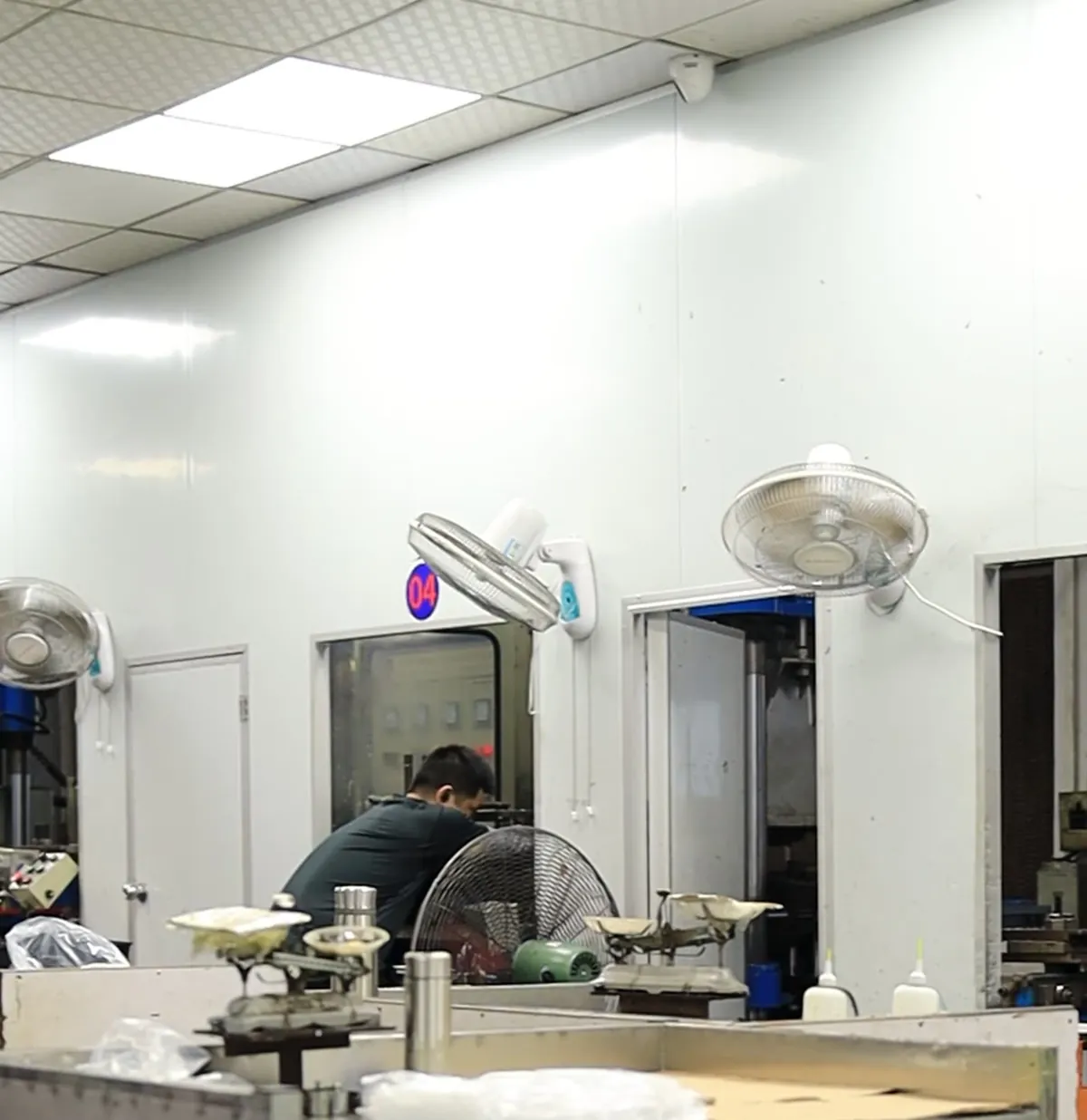
RUUIPON Shenzhen silicone mold workshop
RUUIPON production photo. Not a third-party marketplace image.

2. Compound family, grade if known, and what the cert must say

Name the process: platinum LSR, millable HCR, platinum RTV, tin RTV. Name a target Shore A. Name color and transparency. If a specific manufacturer grade exists, write it. If it must pass FDA 21 CFR 177.2600, LFGB, ISO 10993, or USP Class VI, write the claim and whether you need a cert, a file, or a tested lot.

Omission: they quote “50A transparent silicone,” then you discover the medical pail is a different shrink, a different min-buy, and a different oven. LSR vs HCR also changes the entire machine.

If grade is TBD, bound it: “platinum LSR, 40-50A, non-filled, food-contact cert.” That is enough to pick a press and a pail policy.

3. Lifetime volume, annual volume, and the real batch / release qty

Three numbers. They drive class, cavitation, leftover compound, and setup fees.

Omission: you get a Class 103 8-cavity quote against a 400-piece year, or a 1-cavity aluminum quote against a frozen 200,000-piece SKU. Both are “accurate” to a fantasy.

Say: “Year 1 = X, lifetime ~ Y, releases of Z.” If Y is unknown, give a floor and a ceiling and ask for two constructions.

RUUIPON mold inspection
RUUIPON QC photo from the Shenzhen shop.

4. Cavitation intent, or permission to propose it

Either specify 1-cavity prototype vs production cavities, or ask them to propose 1 and 4 against your volumes. Do not say “max cavities” without a press and an MOQ.

Omission: they maximize cavities to win unit price, and you cannot feed the tool. Or they quote 1-cavity forever because it is easy.

Add part size / projected area if you know it. LSR clamp and flash care.

5. Flash, finish, and the faces that are allowed to look like a tool

Flash maximum. SPI finish or a sample plaque. Texture yes/no. Gate remnant allowed on which face. Transparency / flow-mark rules.

Omission: polish is the hour-count that disappears from cheap quotes. LSR copies the steel. A sealing bead wants a different land than a hidden bumper. Trim labor hides here.

If cosmetics are unknown, state “non-cosmetic except sealing face F1.”

6. Tool construction: class, runner, vacuum, steel vs aluminum vs print

SPI/SPMA class as *intent* (105 proto, 104 low, 103 medium…). Metal family. Cold runner vs cold sprue for LSR. Vacuum yes/no. Spare shutoff inserts yes/no. Who owns the tool. Where it lives.

Omission: this is how two quotes differ by a factor that is not “margin.” One is a printed insert. One is a 102 cold-runner tool. You cannot average them.

If you do not know class, give lifetime shots and let them *declare* the class they bid.

7. FAI, tryout, and what is inside the tool price

How many tryout shots. How many sample parts. Ballooned FAI yes/no. Material cert. Dimensional actuals. Visual photos. First-article on every cavity. Steel complete photos.

Omission: the tool looks cheap because tryout is a change order. Or “samples included” means three unmeasured parts in a bag.

Also state DFM: one revision loop included, then paid.

What happens when you send only a STEP and a quantity

You get a number. That number assumes open-and-shut, no vacuum, no class, commercial finish, 1-cavity, leftover compound on you, FAI optional, slides extra. When the part is a medical bellows, the change orders will exceed the original tool.

Pack all seven even if two of them are ranges. Accuracy is a complete risk picture, not a precise currency figure.

A copy-paste block

Use this as the cover of the RFQ:

  1. STEP + 2D rev ___; balloons on fits, flash, gate keep-out; ship state = post-cure ___ / trim ___.
  2. Process/grade/Shore/color; certs required: ___.
  3. Annual ___; lifetime ___; batch release ___.
  4. Quote 1-cavity and proposed production cavitation.
  5. Flash max ___; finish ___; cosmetic faces ___.
  6. Class intent ___; aluminum/steel/print; LSR cold runner ___; vacuum ___; spare inserts ___; tool ownership ___.
  7. Tryout shots ___; FAI packet = drawing + cert + actuals + photos + cavity ID.

Shops that refuse to quote against that block are quoting a different job. Let them.

FAQ

What happens if I send only a STEP and a quantity?

You get a number that assumes open-and-shut, no vacuum, no class, commercial finish, 1-cavity, leftover compound on you, FAI optional, slides extra. On a medical bellows the change orders can exceed the original tool. Silence is worse than a range.

Why do lifetime, annual, and release quantity all belong on the RFQ?

They drive class, cavitation, leftover compound, and setup fees. One annual number gets you a Class 103 8-cavity against a 400-piece year, or 1-cavity aluminum against a frozen high-volume SKU. If lifetime is unknown, give a floor and ceiling and ask for two constructions.

Why name flash max and which faces may look like a tool?

Polish hours disappear from cheap quotes. LSR copies the steel. A sealing bead wants a different land than a hidden bumper. Trim labor hides here. If cosmetics are unknown, state non-cosmetic except a named sealing face.

If I do not know SPI class, what do I write instead?

Give lifetime shots and let the shop declare the class they bid. Also name metal family, cold runner versus cold sprue, vacuum, spare shutoff inserts, and who owns the tool. Two quotes that differ by a large factor are often a printed insert versus a 102 cold-runner tool.

Why is "unknown, bounded" better than omitting compound grade?

Omission quotes "50A transparent silicone," then the medical pail is a different shrink, min-buy, and oven. LSR versus HCR also changes the machine. "Platinum LSR, 40-50A, non-filled, food-contact cert" is enough to pick a press and a pail policy.

Ready to order custom silicone molds?

Free quote for OEM/ODM projects. MOQ 20 · Prototype 3-7 days · FDA/LFGB available.

Need a custom mold?

MOQ 20 · Quote in 24h

WhatsAppInquire