
Custom Silicone Baby Products Manufacturer
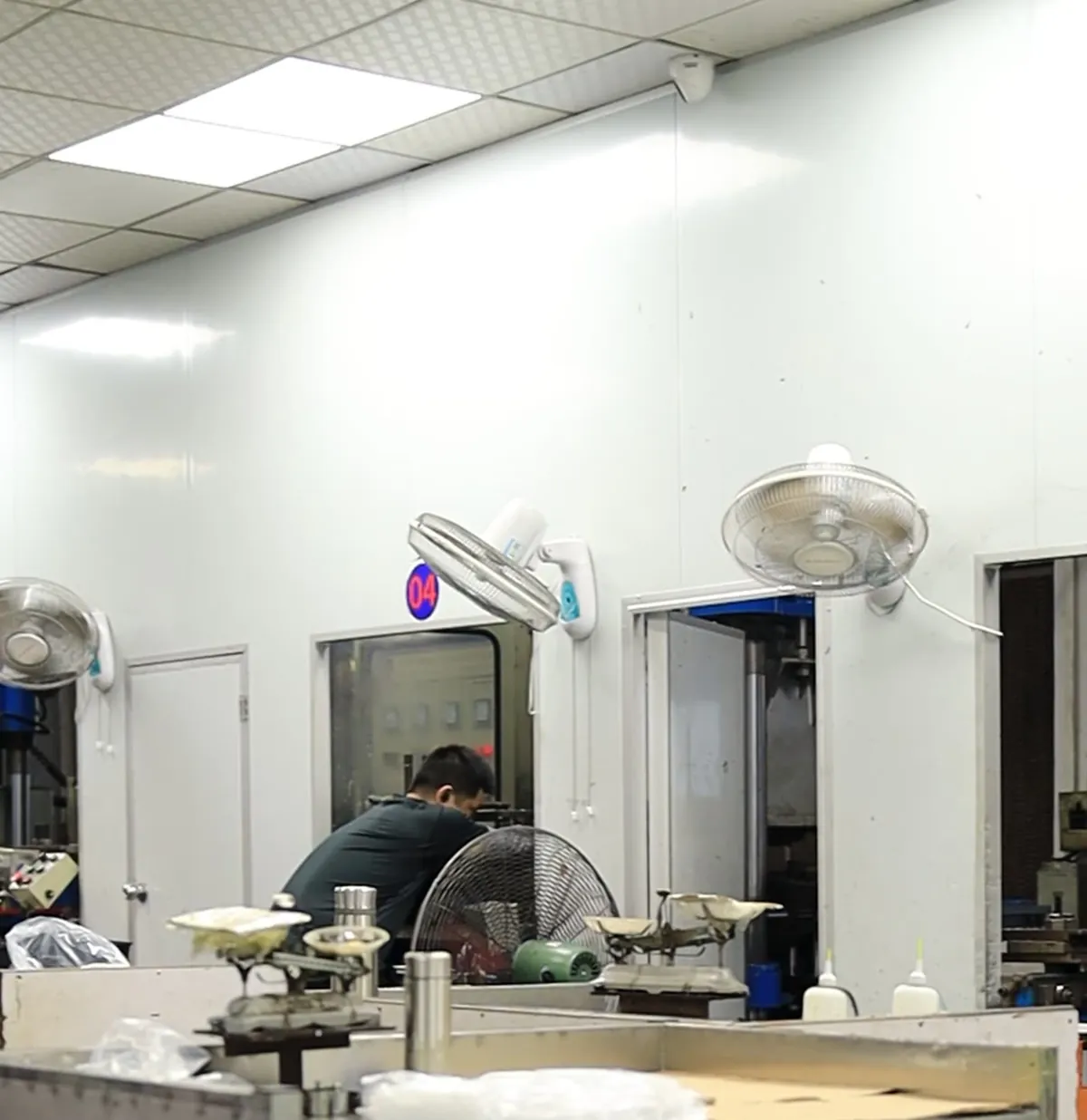
RUUIPON supports custom silicone baby-product development from concept, drawing or physical sample through DFM, tooling, prototype validation and production.
Depending on the product geometry, material and volume, the manufacturing route may use:
- LSR injection molding
- HCR/HTV compression molding
- silicone overmolding / insert molding
For products intended for babies or children, material selection, physical design, intended age/use and destination-market requirements must be defined before production.
Send your proposed product category and intended use so we can confirm the development and manufacturing scope.
Examples can include:
- teethers
- feeding accessories
- sensory silicone components
- handles/grips
- soft silicone components
- overmolded components
- custom silicone parts for baby products
LSR
Can fit products requiring liquid silicone, complex geometry, repeat production or controlled details.
HCR/HTV
Can fit finished silicone parts produced in compression tooling.
Overmolding
Can fit silicone integrated with a compatible plastic/metal insert.
Define:
- material grade
- hardness
- color/translucency
- food-contact need
- mechanical requirement
- temperature/cleaning
Hardness is selected for the required function and verified with the prototype.
Review:
- small detachable features
- wall/section changes
- pull/chew geometry
- accessible edges
- holes/openings
- insert retention
- bite/grip areas
- assembly
Safety requirements depend on product category, intended age and target market.
If the design includes:
- plastic ring
- metal insert
- rigid core
- tether/retained component
send the insert material and geometry.
Retention may be mechanical, bonding-based or combined depending on design/process.
Confirm:
- dimensions
- fit
- hardness
- surface
- insert retention
- pull/functional behavior
- assembly
- cleaning/use condition
- material documentation
MOQ and lead time depend on:
- HCR/HTV vs LSR vs overmolding
- tool complexity
- cavity count
- material
- quantity
- required testing
Finished baby-product MOQ is quoted for the selected process and tooling; it is not the same as the MOQ for RTV casting molds.
At RFQ stage, send:
- destination market
- intended age/use
- product category
- material requirement
- applicable test/standard requested
- retailer/customer requirements
Food-contact documentation alone does not establish the safety of a baby product. The complete design and intended use require a product-specific assessment.
We have a sensory bracelet that a baby will pull and chew. Can silicone be designed to return slowly instead of snapping back?
The geometry and material can be reviewed for a softer, more controlled return, but this is not solved by Shore A alone. Cross-section, length, internal structure and the intended pull behavior must be prototyped.
Can we compare two design concepts before committing to tooling?
Yes. DFM/prototype comparison is appropriate when the design direction is still open.
Can we start with 20–50 finished baby products?
MOQ depends on the selected HCR/HTV, LSR or overmolding route. Do not apply RTV mold MOQ to finished baby products.
Can an NDA be signed before we share the full design?
Yes.
Send:
- product concept/CAD/sample
- intended age/use
- destination market
- dimensions
- material/hardness if known
- insert/assembly details
- prototype quantity
- production quantity
- testing/document requirements
- target date
Do you make medical-grade baby products?
Please provide the required material specification and validation requirements. We will confirm whether the requested scope can be supported before quoting.
Can you recommend HCR vs LSR?
Yes, after DFM and volume review.