
How Registration Keys Keep a Two-Part RTV Silicone Mold Aligned
Registration keys do one job: return the mold halves to the same relative position every time they are assembled. They cannot compensate for a poor parting line, a distorted silicone skin or a support shell that allows the halves to walk under load. Good registration is therefore a system involving key geometry, parting surfaces, outer support and closure-not just a row of bumps molded into silicone.
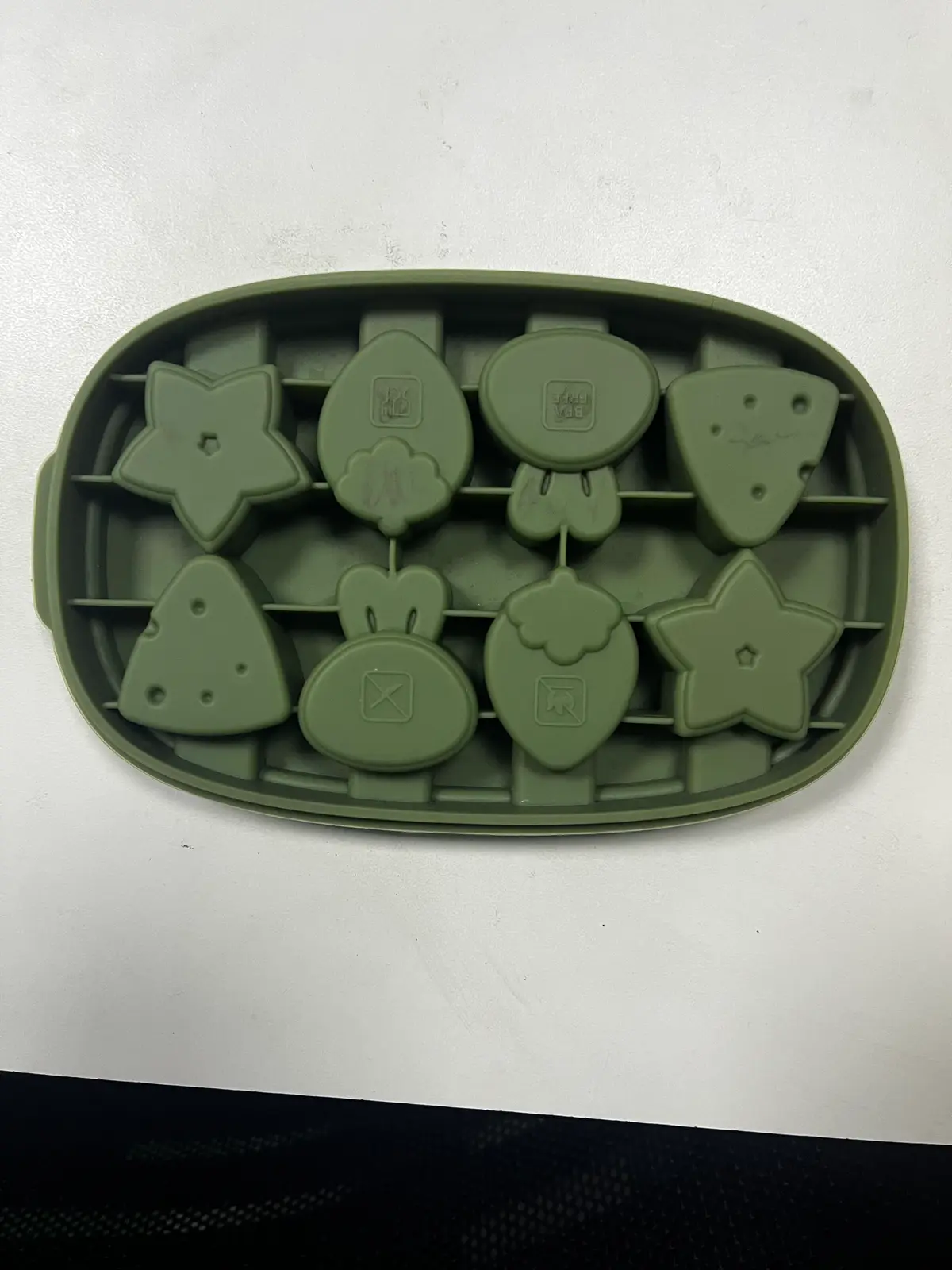
If castings show a step at the seam, diagnose the entire locating system before adding more keys.
What a registration key controls
A key should resist relative movement in the directions that matter during assembly and filling. On a small hand-poured mold, simple male/female keys may be sufficient. On a large silicone skin inside an FRP mother mold, the outer shell may control most global alignment while silicone keys register local seams.
The required precision depends on the casting:
- a decorative concrete stone can tolerate more seam variation than a polished resin figurine;
- a logo split through fine lettering needs tighter local registration;
- a two-part ice sphere needs stable closure to avoid a visible ridge;
- a large sculpture needs the skin and FRP shell to locate together.
Key shape should match the way the mold opens
Common shapes include:
- round or hemispherical keys;
- tapered pins/cones;
- rectangular or dovetail-like features;
- continuous tongue-and-groove features;
- local hard locators integrated into a rigid mother mold.
The important properties are:
- easy release from the master/mold-making setup;
- positive seating;
- enough section around the key to avoid tearing;
- no trapped pocket that prevents full closure;
- resistance to the expected sliding direction.
A deep sharp key in very soft silicone can become its own failure point.
Too many keys can make a mold worse
More is not automatically better. Excess keys can:
- slow assembly;
- trap debris between halves;
- create thin silicone webs;
- make the seam harder to clean;
- over-constrain a soft mold that should seat naturally in its jacket.
Use enough keys to establish repeatable location, then let broad parting surfaces and the support shell carry the load.
Registration depends on parting-surface quality
Two mold halves should meet on a controlled surface. If the parting surface is wavy, damaged or distorted, the keys may pull one local area into place while another area gaps open.
Inspect:
- flatness or mating shape of the split;
- flash or cured residue trapped at closure;
- wear around key roots;
- tears that let a key flex sideways;
- whether the mold is being assembled inside the correct support shell.
Large molds need hierarchical registration
For a large figurine or sculpture, think in layers:
- silicone-to-silicone registration controls the cavity seam;
- silicone-to-jacket registration prevents the skin from shifting inside the mother mold;
- jacket-to-jacket registration/bolts control the rigid shell;
- the base or support frame controls overall orientation.
If level 2 or 3 is missing, perfect silicone keys can still produce seam mismatch.
Example: two-part resin figurine with a stepped seam
A buyer sees a 1 mm step along one side of a resin casting. The instinct is to add larger keys. But inspection shows the FRP shell is not fully seating because resin residue has built up on one flange. The silicone halves are being forced into different positions by the shell.
The corrective action is cleaning/repairing the shell and verifying seating-not redesigning the cavity keys.
This is why the failure location must be traced before changing tooling.
How to inspect registration on a prototype
A useful validation sequence:
- assemble the empty mold several times and photograph the seam;
- check whether keys seat without excessive force;
- install the mother mold/support if used;
- perform a real casting;
- measure or visually inspect seam step at defined locations;
- repeat assembly to verify consistency;
- inspect the keys for whitening, tearing or permanent deformation.
One good casting does not prove repeatable registration.
Key geometry and Shore A are connected
A softer silicone key deforms more easily. That can help assembly but reduce positive location if the key is too small or unsupported. A harder silicone does not automatically fix registration if the overall mold is free to distort.
Treat Shore, key size, local wall section and mother-mold support together.
Merge overlapping RUUIPON content
RUUIPON already has /silicone-mold-split-lines-registration-keys/ plus an older parting-line article. Keep the former as the canonical split + key system page, and use P29 as the dedicated parting-line decision guide. Avoid creating a third near-identical "registration key design" URL unless Search Console proves a distinct intent.
The existing split/key page should be upgraded with real diagrams and remove generic template blocks.