
Wax Melt Layout - and When the Same Tray Cannot Run Soap
A wax melt tray is grams, pack, break line, and a sheet the operator can lift. Whether that same skin can later run soap is a second question. If you are locking a commercial melt layout, this page is that split. "Silicone works with both" is not a cross-use spec.
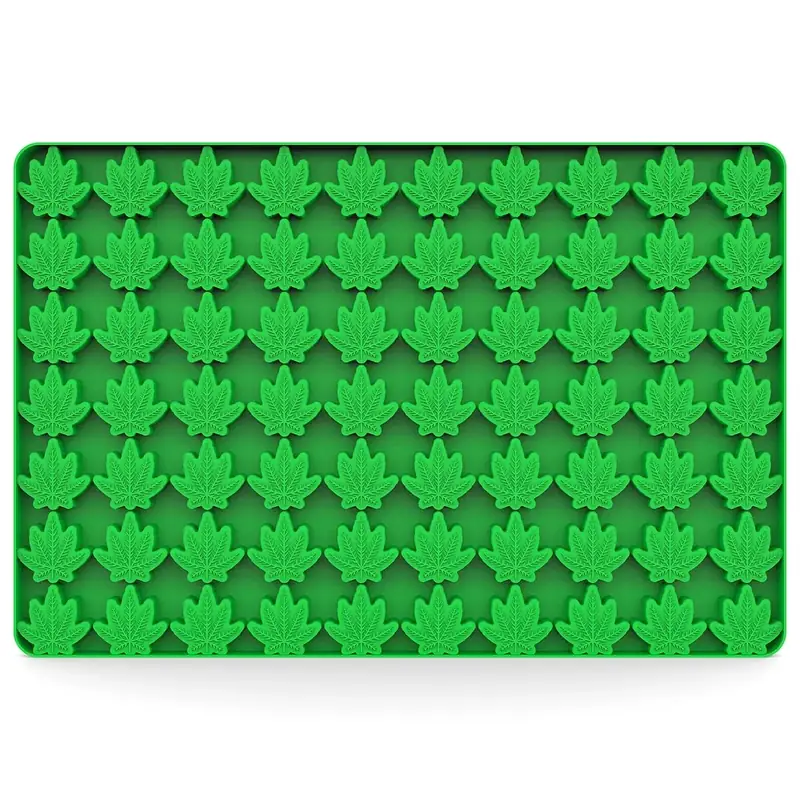
RUUIPON pours platinum RTV wax-melt and soap tools in Bao'an, Shenzhen (Licheng Technology Industry Park, Xinhe Blvd, Shajing; USCC 91440300MA5FAXCN9W) since 2018. Simple 3D is USD 50 when that CAD scope applies. Prototype is 3-7 business days after CAD lock. Production is MOQ 20 pieces per design. Wax and soap tools are not food-contact trays. The melt SKU lives on custom silicone wax-melt molds.
Where this page sits
Buy the melt mold on custom silicone wax-melt molds. Soap engineering lives on production soap mold engineering and the SKU on custom silicone soap molds. The family hub is candle, soap, and wax-melt solutions. This page covers melt layout plus whether one physical tray should also see soap.
Count from output and pack
Start with pieces per pack, packs per hour, cavity grams, pour method, operator count, and maximum footprint. A 24-up can beat a 48-up if it stays flatter, demolds faster, and breaks fewer bars. Measure the whole pour / cool / demold cycle, not CAD pocket count.
Grams set volume
Melts are often sold by weight. Define grams per piece, pieces per clamshell, wax blend, fragrance load, and the acceptable band. Estimate volume, then pour the real wax. Do not use one density for every blend.
Typical shop values
Reference values only. Confirm material-specific limits against the supplier’s technical data and agree project acceptance criteria before production. No food-contact row.
| Item | Typical shop value |
|---|---|
| Layout inputs | Target grams, pack count, break-line snap, tray the operator can lift |
| Cross-use default | Dedicated melt tray and dedicated soap tray from a shared master family |
| Break groove | Prototype the real wax - too shallow bends, too deep snaps in the tray |
| 3D / CAD | USD 50 when that modeling scope applies |
| Prototype after CAD lock | 3-7 business days, in the wax you will sell |
| Production after written pass | MOQ 20 pieces per design |
| Contact | [email protected] · +86 135 3006 2969 |
Break line is a section
A snap bar needs a real groove, not a decorative line. Balance consumer snap, fill strength, demold, and shipping. Too shallow: the bar bends. Too deep: it breaks in the mold or the carton, and the silicone web can tear. Prototype the actual wax and pack.
Brittle wax needs a peel
Cold melts can snap. Avoid deep reverse hooks, razor ribs, narrow undercuts, and unsupported tabs. The tray should peel away. Do not force the bar to flex.
Can the same tray run soap?
Some shallow shapes can hold either dump. Commercially, ask five questions. Is the geometry a soap anyone would sell, or a snap groove that makes a bad bar? Does Shore / support that works for warm wax still hold a heavy CP loaf? Which soap process - cold-process, hot-process, or melt-and-pour? Can you control fragrance, dye, wax film, and alkaline residue? If either SKU is food, do not cross-use. For a matched candle / soap collection, share artwork and CAD. Pour separate skins.
Cleaning and stain
Cross-use adds wash time, a separate SOP, odor, and stain checks. If restore time costs more than a spare tray, dedicated tools win. Dark dye and high fragrance can stain and hold odor. That does not automatically mean the rubber is unsafe. It means the next unscented SKU may look dirty.
Layout follows the pack
Send clamshell internals, bag count, snap geometry, and target grams. Design the tray around the packaged melt. A pretty bar that misses the pack is not production-ready.
Worked example: snap bar plus soap
Typical job, not a named PO. Buyer wanted one 24-up for melts and later CP soap. We shared the logo CAD, poured a melt tray with a real break section, and quoted a separate 12-up soap nest. The snap groove would have been a weak soap bar, and the fragrance would have stained the next white melt.
When this page does not apply
This layout page does not replace the wax-melt product or the soap product. It does not apply to food trays. It does not apply to sculptural candles - that is a different structure page. HCR compression products and molds stay on a RUUIPON HTV RFQ. High-volume LSR cold-runner part tools are a different RFQ - ask us.
RFQs we will not accept as-is
One tray for wax and CP with no residue plan. A decorative groove called a snap. Hanging FDA / LFGB papers on a melt cavity. Sending an HCR / LSR part through this RTV layout page.
Matched next step
Send target grams, pack drawing, snap or single cavity, and whether soap must share the same skin. We will name count, break section, and whether you need two tools. "Wax melt mold, also for soap" is not enough.
Send grams, pack, and soap plan · Wax-melt product · Soap product · Soap engineering
[email protected] · +86 135 3006 2969 · Licheng Technology Industry Park, Xinhe Blvd, Shajing, Bao'an, Shenzhen. USCC 91440300MA5FAXCN9W.
FAQ
Is this the wax-melt product page? No. Buy the mold there. Layout lives here.
Can one skin run wax and soap? Sometimes for a simple shape. Dedicated trays from one master family are usually cleaner.
Do you quote food papers on melts? No.
When is USD 50 3D in scope? Simple cavity-map modeling. Not a full sculpture rebuild.
What is MOQ after a pass? 20 pieces per design.