
3D-Print vs CNC Master Cost for RTV Molds | RUUIPON
The master is a pattern cost, not the mold. SLA plus seal vs CNC, and when the $50 CAD is the cheaper path. Typical shop values. Send STEP. MOQ 20.
 Kyler Yang · Founder7 min read
You are paying for a pattern the platinum can copy, not for a 3D-printed "mold." An SLA master is cheaper and faster when the geometry is organic, the logo is honest at print resolution, and you will wash, UV post-cure, and seal so addition-cure rubber does not inhibit. A CNC master is the cost you want when the cavity is a machined food logo, a gloss chocolate face, or a size you will recast for years. The USD $50 simple-3D line is modeling so *someone* can print or mill — it is not a substitute for either machine. Prototype rubber is still 3–7 business days after CAD lock, which includes "this master is pour-ready," not "the STL left the laptop."
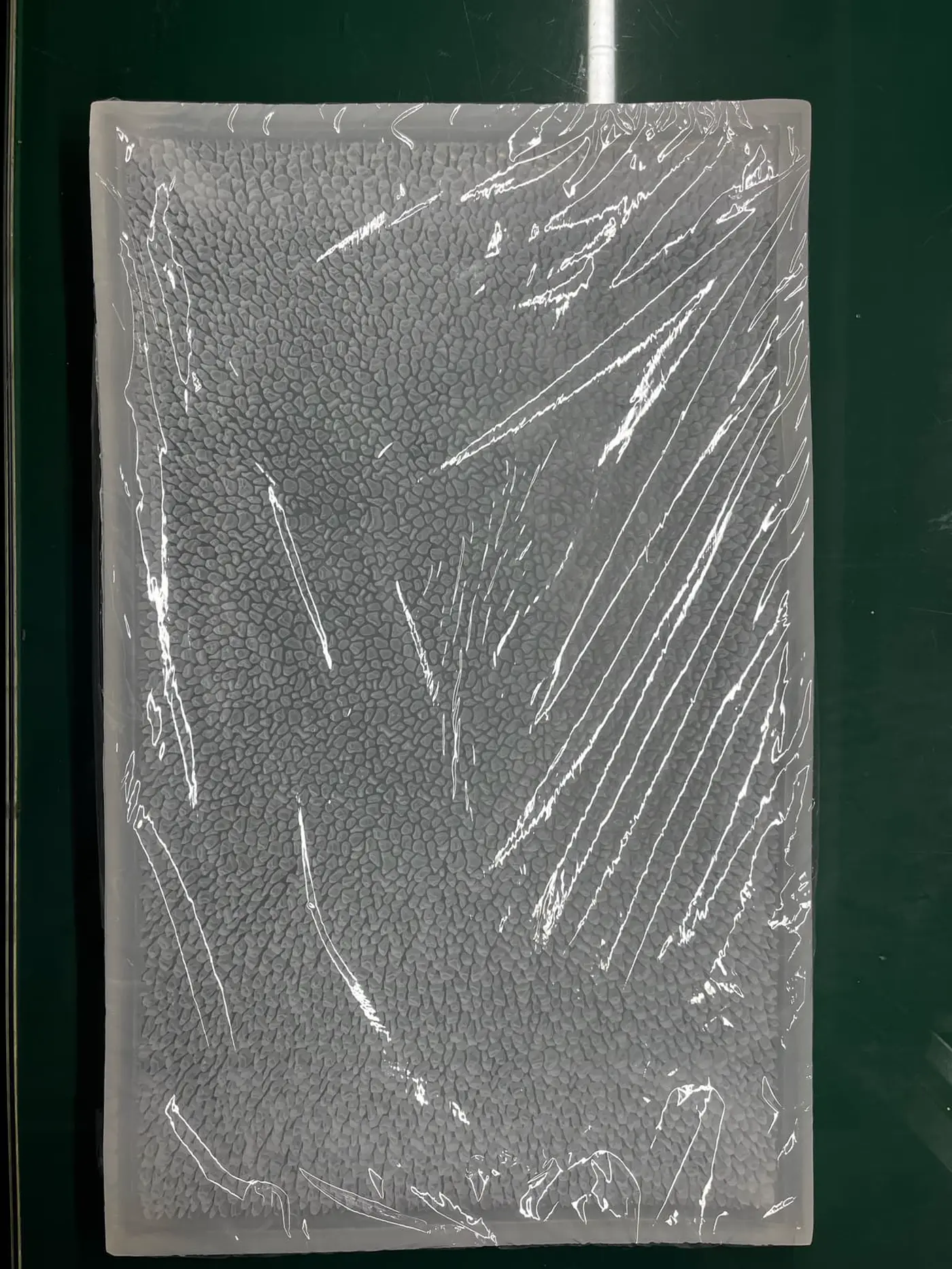
RUUIPON pours RTV around masters in Bao'an since 2018. Production is MOQ 20 pieces per design. Steel/LSR *parts* from a production tool are an HTV product RFQ here. Master options: master model options. Print inhibition: 3D-printed masters.
Does not apply when you already have a sealed, dimensioned physical master you will ship (then we pour, we do not re-buy a mill ticket), when the "CNC" you mean is the steel cavity for an LSR part, or when you want us to pour platinum food rubber against a mystery no-name print with no post-cure notes. We would not.
What the two pattern paths actually buy
SLA / DLP print. Good for figurine pose, jewelry masters that will be finished, and proto cavities where you expect a CAD change after the first dump. Cost sits in print hours, wash, UV, sanding, and a sealer that platinum will release from. Layer lines become chocolate texture and resin gloss unless you finish them. Inhibition is the tax: leftover photopolymer leaves the cavity face tacky. A cheap print that has to be remade twice is not cheaper than one CNC.
FDM print. A texture machine. Fine serifs die on nozzle width. Budget fill-and-seal or do not use it for a food logo well.
CNC (plastic, aluminum, or a machined board). Good for flat-back trays, crisp logos, repeatable recast, and masters you will archive. Cost sits in CAM, cutter time, and finish. You are not buying steel production tooling. You are buying a pattern that holds size while we pour twenty skins. Typical platinum shrink to compensate on the master is about 0.1–0.3% linear.
The $50 CAD. Simple 3D when that scope applies — photos to a model, a missing fill line, a logo that is still a PNG. Without a locked model, neither print nor mill has a file. Paying $50 does not mean the print is free and it does not mean CNC is included.
Paying a tooling charge on the rubber does not, by itself, mean you own the mill program forever. Write who keeps the master.
The photo that would prove a master-cost choice is the finished pattern under raking light (no stair-steps on a chocolate face, no sticky SLA), tagged with a revision letter, next to the first platinum skin.

Typical shop values
Reference values only. Confirm material-specific limits against the supplier’s technical data and agree project acceptance criteria before production.
| Item | Print master (SLA, finished) | CNC master |
|---|---|---|
| Best fit | Organic proto, jewelry, figurine | Flat tray, crisp logo, recast archive |
| Extra shop work | Wash, UV, seal, often sand | CAM, mill, finish |
| Food logo | Only after seal + inhibition check | Preferred for gloss / serifs |
| Shrink compensation | about 0.1–0.3% on platinum | Same chemistry, cleaner size hold |
| CAD | USD $50 when modeling applies | Same $50 if we still model |
| Rubber clock | 3–7 business days after CAD *and* pour-ready master | Same clock after the mill is accepted |
| Production skins | MOQ 20 per design | MOQ 20 per design |
| Drawing class | ISO 3302-1 M2 is a rubber class, not a print resolution | Same |
Common mix-up: the STL is free so the master is free
Buyers send an STL exported in inches, hollow, with a 0.2 mm serif, and a note "just 3D print it, $50 covers it." The $50 is modeling scope, not machine time, not sealer, not a second print after inhibition. Another mix-up: comparing a raw FDM cost to a finished CNC cost and calling CNC "ten times more" without counting the two recasts you will buy when the print inhibits platinum. A third: asking for CNC aluminum because "precision," then putting ISO 3302-1 M1 on an RTV cavity — rubber class is not mill precision.
Worked example (anonymized)
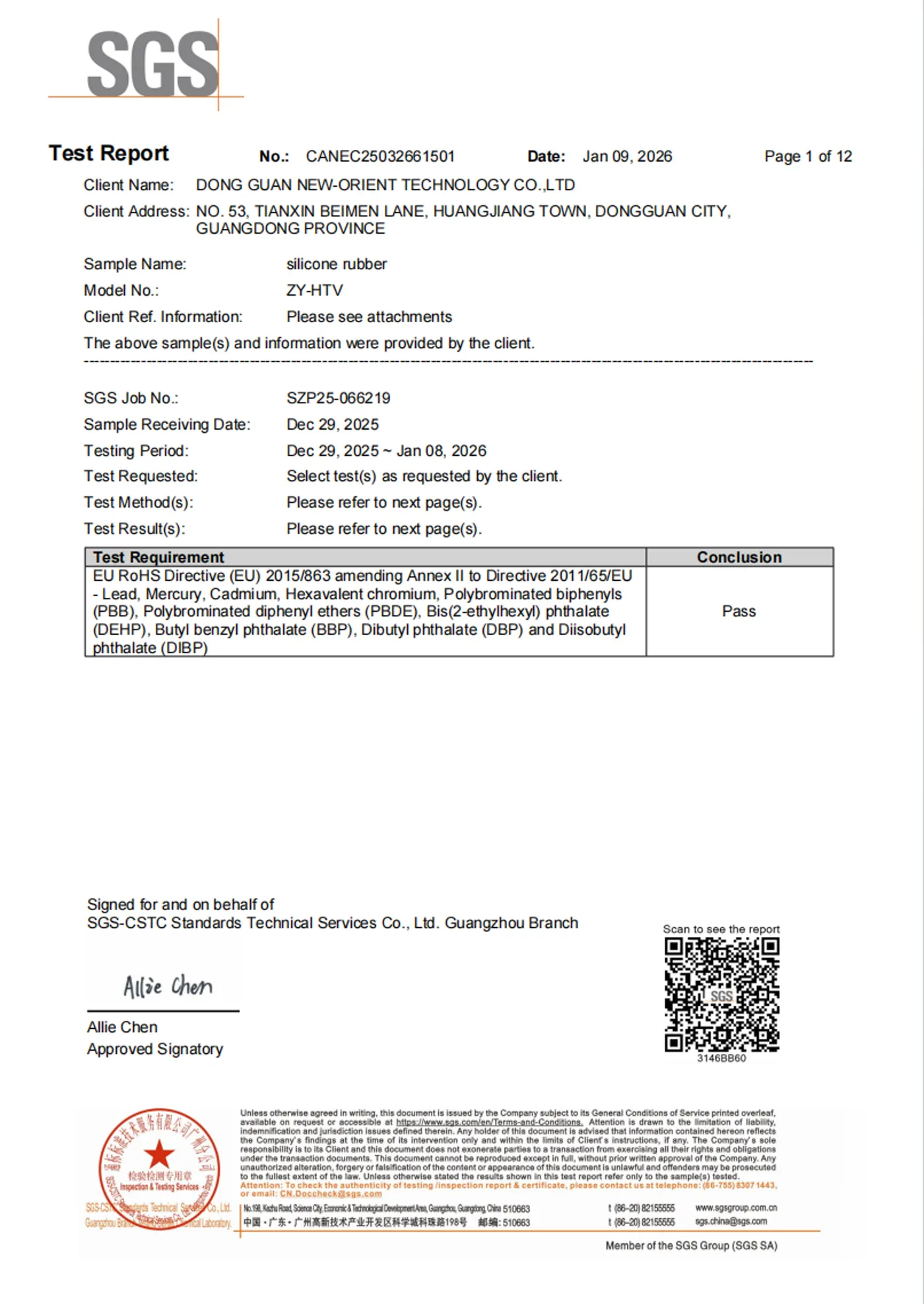
A 16-cavity chocolate bar, 2 mm logo, US food path. First RFQ asked for a printed master to save money. We quoted CAD USD $50 because the artwork was a PNG, then a CNC plastic master so the gloss face would not copy layer lines, platinum ~25A open-back, jacket for 0.5–1.5 mm sag, 177.2600 on the compound. Print would have been the cheaper pattern *if* this had been a posed resin figurine with a sealer and no food pack. The bar was not that job. Proto skin 3–7 business days after CAD lock and master sign-off, then MOQ 20. Jewelry resin of the same logo would not have inherited the food pack — jewelry is not food.
We would not recommend
We would not recommend pouring a food-contact platinum cavity against an unsealed SLA.
We would not recommend treating the $50 CAD as the print *and* the mill *and* the mold.
We would not recommend FDM as a chocolate or jewelry show-face master without a finish plan.
We would not recommend CNC steel "so it lasts" when you meant an RTV pattern — steel production parts are an HTV product or mold RFQ here, or ask us if you need a high-volume LSR cold-runner tool quote.
- CAD locked? - no -> USD $50 when simple 3D applies
- CAD locked? - yes -> Show face + recast years?
- Show face + recast years? - Crisp logo / food gloss / archive -> CNC pattern
- Show face + recast years? - Organic proto / jewelry after finish -> SLA + wash + UV + seal
- CNC pattern -> CAD lock + pour-ready master
- SLA + wash + UV + seal -> CAD lock + pour-ready master
- CAD lock + pour-ready master -> Platinum pour 3–7 business days → MOQ 20
What to ask when you're buying the master path
- Is the $50 CAD modeling only, or did someone bundle print time into that number?
- Who finishes and seals an SLA so platinum will cure on the face?
- Will this master be archived for recast, and in which material?
- Food cavity or craft (jewelry/concrete are not food)?
- After lock, is the rubber still 3–7 business days, then MOQ 20?
CNC cell: CNC master to pour. Photos-only: from photos.
RFQ copy-pack — print vs mill
Email [email protected]:
File: STEP preferred / STL with units / PNG logo Show face: food gloss / resin jewelry / figurine / concrete texture (not food) Master path you want: SLA+seal / CNC / you decide Archive: keep master for recast? how long? CAD: locked / USD $50 if you model Cure: platinum 1:1 or 10:1 Prototype 3–7 business days after CAD lock and pour-ready master Then MOQ 20 / design
Send the file and whether the face is food gloss or a craft texture. We will pick print-plus-seal versus CNC on that duty, not on a viral "3D molds are cheap" thread. Phone +86 135 3006 2969. Desk: contact.
FAQ
Is a 3D-printed master always cheaper than CNC? On organic protos, often. On a recast food logo with a gloss face, the print can cost more once you count finishing, sealer, and a remake after inhibition.
Does the USD $50 include the print? No. That fee is simple 3D when that CAD scope applies. Print or mill is a pattern cost on top.
Can I ship my own SLA and skip master cost? Yes if it is washed, UV post-cured, sealed, and dimensioned. We still check inhibition before a food pour. A sticky print is scrap, not a discount.
Will CNC make the rubber "precision"? ISO 3302-1 M2 is a common rubber drawing class on the pour. A milled master helps the pattern. It does not turn RTV into steel.
If I change the logo after a printed master, do I pay CNC the second time? A logo change is a new face. We may reprint or remill. Production of a new design is another MOQ 20 if it goes to a locked SKU. The first print is not a free revision bank.
Custom silicone development · DFM & prototype support
CAD, drawing, photos or sample details