
Antimicrobial RTV Molds: Silver-Ion Additive Limits
Silver-ion additives can reduce bacteria on a plaque screen. They don't sterilize a mold or the casting. Don't stir flake into RTV; cleaning still owns
 Kyler Yang · Founder7 min read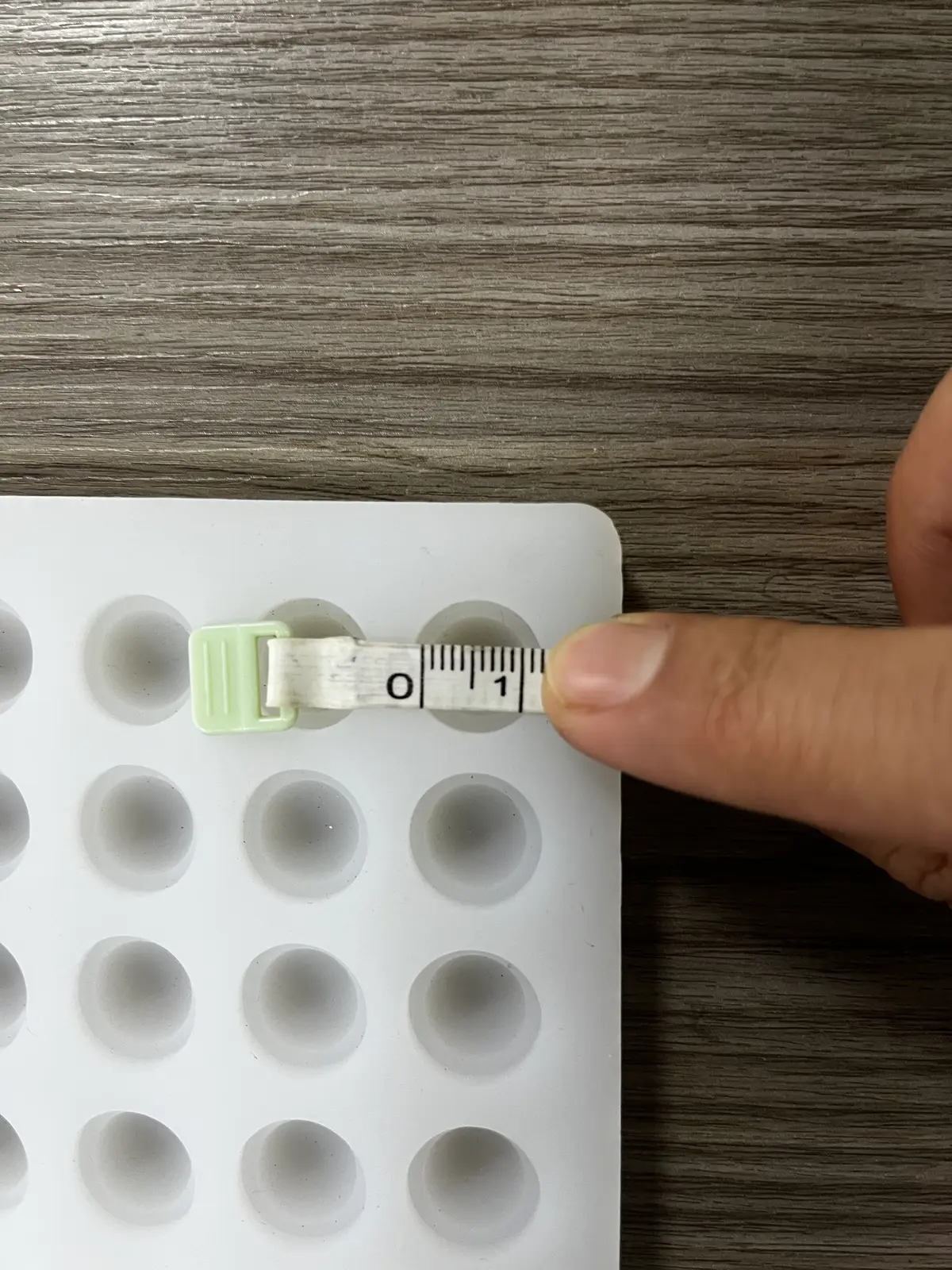
Silver-ion packages in silicone are additives. In a well-run screen such as ISO 22196 (or JIS Z 2801), they can show a log reduction of specified bacteria on a treated plaque versus an untreated control. That is a materials result. It is not a sterile device. It is not a kill-all-pathogens marketing sentence. It is not a substitute for cleaning a food mold, for sterilization of a sterile-labeled device, or for ISO 10993-1 on a finished article.
If you're buying a custom RTV mold, a poured cavity that happens to contain silver does not make the casting antimicrobial. Chocolate, gummies, and resin pick up what's in the pocket, not a 22196 plaque claim. Custom molders can buy a silver-ion masterbatch into platinum RTV for a high-touch mold face or, on a separate PO, into LSR/HCR parts. They cannot legally turn that into a public health claim for your brand.
Tin-cure RTV is the wrong food or device elastomer. Don't stir jewelry silver flake into a 1:1 kit.
What silver ion does in a rubber
Silver species (often exchanged in a glass, zeolite, or similar carrier) release ions that interfere with microbial metabolism at the surface. The carrier is there so the silver is dosed and not a conductive metal powder. Loadings are the compounder's. Do not invent a shop percent.
Consequences you will actually see:
- Color: greys, yellows, or a shift after heat and light. Pastel trays drift.
- Electrical: high loadings can move resistivity. Do not assume insulative if the mold sits next to a live board.
- Cure: some carriers are platinum-safe; some are not. Patch-test addition-cure.
- Extractables: silver and the carrier belong in 21 CFR 177.2600 / LFGB if it's a food mold, and in ISO 10993-18 if a device file needs it.
- Wear: a heavily dumped tray can lose surface activity if the mechanism depended on a smearable layer.
Common mix-up: antimicrobial mold versus sterile casting
A bakery wants “antimicrobial certified molds.” What they need is platinum food-contact RTV, a wash protocol, and maybe a 22196 screen on the mold plaque as a hygiene plus. The gummy is not sterile. The mold is not a disinfectant.
A wearable-strap OEM wants silver-ion LSR. That's a parts quote (cold-runner, never a LIM hot tool), and the device owner still writes the label.
What to ask when you're buying
- Is silver in the RTV cavity, in a shipping part, or neither (cleaning only)?
- Food-contact path on the pigmented, additive-containing mold?
- ISO 22196 organisms and that this is a materials screen, not a claim?
- Color shift after cure and UV acceptable?
- Who writes marketing copy — not the mold shop?
Worked example: 24-cavity vitamin gummy sheet
A nutraceutical asked for silver-ion platinum RTV, 24 cavities, 15A, jacketed, LFGB plus “kills bacteria.” We can pour a named silver-ion platinum grade, extract the finished colored mold, and attach a 22196 plaque report if the compounder has one. We will not stamp the tray “antimicrobial certified,” and the pectin dump still needs a cleaning protocol. Outer-row weight drift from a sagging tray is a jacket problem, not a silver problem.
ISO 22196 is a plaque screen, not a device claim
ISO 22196 measures antibacterial activity on plastics and non-porous surfaces under a wet-film, timed contact with named organisms (typically *Staphylococcus aureus* and *Escherichia coli*). What a pass means: on that specimen, under those wet conditions, the treated material reduced the test organisms versus the untreated control.
What it does not mean: antiviral/antifungal/sporicidal performance; performance on a dry wearable in sweat; resistance to a hospital disinfectant program; permission to say “kills COVID”; sterility; biocompatibility; FDA device clearance; a food-safe badge.
US and EU advertising rules treat antimicrobial consumer claims as a regulatory surface. The molder's job is to supply a compound and a test report on a specimen, not to draft packaging.
Healthcare accessories can use a 22196-screened compound next to a cleaning protocol. Invasive/implant/fluid-path parts: silver ion is a new leachable. Food-contact: biocidal additives and 21 CFR 177.2600 are not the same discussion. Sterile-labeled devices still get sterilized.
Color matching gets harder. Lock color after the silver paste is in.
When this article is the wrong quote
Implantable or sterile devices belong on a parts OEM with a BEP. A one-off resin art mold doesn't need silver. Geometry can override: a tiny ice tray with a good wash may skip the additive.
Related reading: food-grade molds, food-contact compliance, custom RTV molds, how food-grade silicone is tested.
What to send for an RTV mold quote
- Platinum RTV with silver-ion additive [code] or cleaning-only (no additive)
- ISO 22196 / JIS Z 2801 as a materials screen if you want it — not sterility
- Food-contact: 21 CFR 177.2600 and/or LFGB / BfR XV on the finished article including additive
- Color, Shore, jacket, recast
- Explicit: device claims are the brand owner's
Send whether you need a food mold, a device-adjacent tray, or a wearable part. We'll refuse flake-in-a-cup and overclaim language.
We would not recommend stirring silver powder into platinum RTV
We would not recommend an “antimicrobial certified mold” stamp. We would not reuse a natural LSR 10993 report for the silver compound. We would not imply the mold replaces disinfection. We would not raise Shore A first to “hold more silver.”
RUUIPON Mold Structure Decision: additive doesn't change split. Flat back? open-back. Cannot peel? two-part / core. Soft 10A–20A food sheet? mother mold. Silver is extra filler — tear and color move.
- Cavity, part, or cleaning only? - cleaning only -> Platinum food RTV + wash protocol
- Cavity, part, or cleaning only? - mold face plus -> Named silver-ion RTV; 22196 is a plaque screen
- Cavity, part, or cleaning only? - wearable/device part -> Different RFQ: LSR/HCR + BEP
- Named silver-ion RTV; 22196 is a plaque screen -> Additive in extraction / 10993 article
- Named silver-ion RTV; 22196 is a plaque screen -> No sterile or kill-all claim
Typical shop values: silver-ion in a mold context
| Item | Typical shop value | | --- | --- | | Default food mold | Platinum RTV 10A–20A, jacket; cleaning owns hygiene | | Mix | 1:1 or 10:1; vacuum degas until foam collapses | | Platinum shrink | ~0.1–0.3% | | 22196 | Wet-film plaque screen; not sterility | | Color | Silver packages often grey/yellow; lock after cure | | Loading | Compounder's recipe; no shop percent |
Reference values only. Confirm material-specific limits against the supplier’s technical data and agree project acceptance criteria before production.
FAQ
Does silver-ion silicone mean the mold or part is sterile? No. Sterility is a process and a sterility assurance file. Silver-ion additives are intended to reduce bacterial load on a surface in use. A sterile-labeled device still needs a validated sterilization method. A gummy mold still needs washing.
Is ISO 22196 enough to print “antimicrobial” on a box? It is a common materials screen, not a blanket advertising license. Claims are jurisdiction-specific. Use the report as technical support and let the brand owner's regulatory team write the label.
Will silver ion change ISO 10993 or food-contact results? It can. The additive and carrier are extra chemistry. Do not reuse a natural-gum report. Include the production formulation in extraction, chemical characterization, and any biological tests the BEP still requires.
Can I add silver powder to platinum RTV in the shop? You can ruin dispersion, color, and possibly cure. You will not have a 22196-qualified compound. Buy a formulated masterbatch meant for addition-cure silicone.
Why did a 22196-passing strap or tray still smell after a week of use? The method is a wet, timed bacterial screen on a plaque. Sweat, fungi, food soil, and abrasion are a different environment. Design for washing and drying; treat silver ion as a supplement, not the hygiene system.
Custom silicone development · DFM & prototype support
CAD, drawing, photos or sample details