
Cleaning Protocols for Food-Grade Culinary RTV Cavities
Clean culinary RTV by soil: cocoa fat, baked sugar, then sanitizer. Skip solvent sprays, bleach soaks, and dishwashers the article never qualified for.
 Kyler Yang · Founder9 min read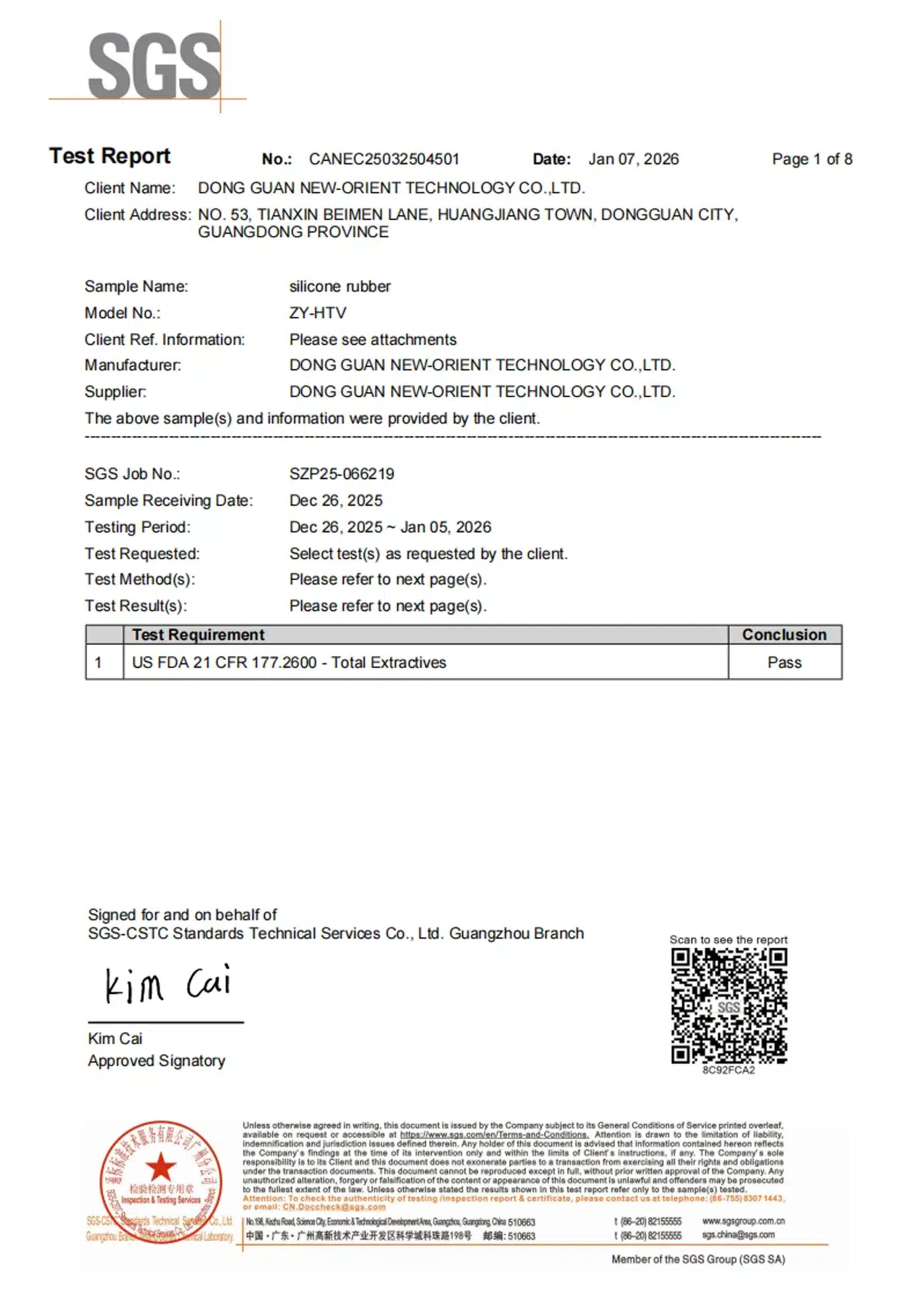
Cocoa butter and baked-on sugar do not clean the same way. Treat them as two soils that happen to share a sink. A food-contact certificate does not survive a greasy pastry brush, a citrus solvent, or a bleach overnight.
This is a wash protocol for finished culinary RTV cavities: chocolate molds, gummy trays, baking cups, mats, and ice-cream inserts. It is not a steel-tool PM, and it is not a medical device validated wash. Those have their own chemistries on a parts OEM.
What you are actually removing
Culinary silicone soils stack in a useful order:
- Loose crumbs and cocoa powder: dry, mechanical.
- Fat films (cocoa butter, dairy fat, frying oil): alkali plus heat, or a food-safe surfactant, not gasoline-shop solvent.
- Sugars and starches that have caramelized: hot water first to dissolve, then a non-scratch pad. Scraping a cold, sticky cavity gouges the rubber.
- Color and odor that migrated into the surface: often not fully removable; they are a formulation and post-cure problem, not a soap problem. Recast when the rubber is the dirt.
- Microbes: a sanitizer step after the soil is gone. Sanitizer on top of fat does not sanitize.
If you jump to a strong oxidizer while fat is still on the tool, you bake a varnish of oxidized oil into the silicone. That varnish then fails sensory on the next chocolate.
Protocol A: chocolate and cold confectionery molds
Work while the mold is still slightly warm from the room, not fridge-cold. Fat is easier to lift.
- Invert and tap out shells. Soft brush. No metal.
- Wash in warm water (roughly 40–50 °C) with a mild, unscented dish surfactant. Wash the food face and the back; chocolate handling contaminates both.
- A dedicated soft brush for lettering and undercuts. Do not use the same brush that just cleaned a floor mat.
- Rinse until the water sheets without soap islands. Residual surfactant is a sensory fail.
- Sanitize only with an agent listed for food-contact surfaces at the labeled dilution and contact time. Rinse if the label requires a rinse.
- Dry fully, inverted, in clean air. Nested wet chocolate molds grow odor and spots. Seat the skin in the jacket after dry so a 10A–20A tray does not take a set.
- Inspect under white light: a rainbow smear is leftover fat. Wash again. Do not oil the cavity “to help release.”
Skip essential-oil degreasers, d-limonene, and acetone. They can swell silicone, strip permitted pigments, and leave their own taste. Skip abrasive powders on a glossy chocolate face; you will matte the shine the cavity was polished to copy.
Protocol B: baking molds and mats after an oven cycle
Sugar that has seen 180 °C is not Protocol A.
- While the tool is still warm (not oven-hot, not a burn risk), soak in hot water to dissolve caramel. Cold soak on baked sugar wastes time and invites scraping.
- Wash with a food-safe alkaline detergent rated for baked-on soil, still with a soft pad. Fiberglass-reinforced mats can take a slightly firmer pad on the back; the food face still gets the soft one.
- For a stained rim, repeat the hot soak. Do not grind. Brown silicone in a thin section is often thermal discoloration of the polymer, not dirt.
- Rinse hard. Alkaline detergent left in a texture becomes the next bake’s bitter note.
- Sanitize as in Protocol A if the site requires it (commissary, shared bakery). Home-style “it looks clean” is not a HACCP step.
- Dry completely before stacking. A wet mat against another mat is a moldy sandwich.
Dishwashers: only if that exact article was designed and tested for the cycle. High-alkaline commercial dishwashers plus a 70+ °C final rinse age some silicones and can warp thin cups. A qualifying note on a gum datasheet is not a pass for a thick, closed muffin pan that traps water in a lip.
What never goes on a culinary cavity
- Hardware-store mold-release sprays, including “food-grade silicone” aerosols you have not qualified on this article.
- Oven cleaner, drain cleaner, or undiluted bleach soaks. Oxidizers attack some pigments and can leave chlorinated odor. If a sanitizer is chlorine-based, use the food-service dilution, then rinse.
- Steel wool, razor blades, dry-ice blasting, and printer-cleaning solvents.
- Fragrance, polish, or mineral oil “seasoning.” 21 CFR 177.2600 already told you to clean the article before food contact, not to coat it.
- Shared sinks with raw meat tools unless you have a defined wash-rinse-sanitize split. Silicone is a food surface, not a magic non-porous excuse.
Frequency and when cleaning will not save the tool
Chocolate molds in daily production: wash every use. A “dry wipe between pours” is acceptable only for the same recipe in a short run, and only if your HACCP plan says so. Baking tools: wash every bake cycle. Gummy trays: wash soils that pack letters; outer-row weight drift is a jacket problem, not a soap problem.
When odor remains after a correct wash, the polymer has taken in fat or residual siloxane is still leaving. Retire or recast. Post-cure is done at manufacture, not with a kitchen oven “burn-off” that you hope will match BfR XV.
When the surface is chalky, torn, or permanently tacky, stop. A damaged food tool is a foreign-body and hygiene problem. Repair adhesives are not automatically food-contact materials.
Common mix-up: sanitizer as detergent
Sanitizer on greasy rubber does not sanitize. Soil first, then sanitizer, then dry. A LIM cell wipe SOP is also the wrong picture: you are washing the article that *is* the mold.
What to ask when you're buying wash + tooling together
- Food type: chocolate, pectin, fatty bake, aqueous?
- Detergents named for the article file, or “whatever is at the sink”?
- Jacket: do you seat the skin after dry so it does not take a set?
- Recast in the price when odor or pigment is in the rubber?
- Dishwasher: tested on this geometry, or a gum-datasheet note?
Worked example: 12-cavity chocolate bear, daily dumps
12-cavity, 18 mm, platinum 10A–20A, jacket, cocoa butter, ~2,000 dumps/month. Protocol A every use, dedicated letter brush, dry, seat in jacket. Rainbow smear under white light means wash again. Do not oil. If white chocolate picks up pink, that is pigment bleed — recast, not more soap.
When this article is the wrong quote
If you need a validated wash for a medical LSR *part*, that is a different OEM protocol. A tiny shallow ice tray still follows soil-then-sanitizer. Geometry can override dishwasher claims: a thick closed muffin cup traps water in a lip.
Related reading: FDA/LFGB extractives, release stays off the cavity, storage after dry, food-grade molds.
One line for the wash station — and the RFQ
Soil first, then sanitizer, then dry. Fat and caramel are not killed by sanitizer, and a solvent spray is not a detergent. If the next chocolate would pick it up, it is still dirty.
Put on the PO: food type, named detergent family, no cavity spray, seat in jacket after dry, recast when odor remains. Send a photo of the packed letters if that is the failure. We will say wash or recast.
We would not recommend a bleach overnight or a hardware-store aerosol
We would not recommend d-limonene on a gloss chocolate face. We would not raise Shore A first so the tray “survives the dishwasher.” We would not burn off siloxane in a kitchen oven and hope it matches BfR XV. We would not dry-ice a 10A letter.
RUUIPON Mold Structure Decision: culinary tools are cavities you dump into. Flat back? open-back. Deep undercuts that cannot peel? two-part. Soft 10A–20A plus wet dump? mother mold — and that jacket is also how you dry and store the skin.
- Soil? - crumbs -> Dry tap, soft brush
- Soil? - fat / cocoa -> Warm 40-50 C surfactant
- Soil? - caramel / bake -> Hot soak first, then alkaline food detergent
- Warm 40-50 C surfactant -> Rinse until water sheets
- Hot soak first, then alkaline food detergent -> Rinse until water sheets
- Rinse until water sheets -> Sanitizer at labeled dilution
- Sanitizer at labeled dilution -> Dry fully; seat in jacket
- Dry fully; seat in jacket -> Odor, tack, or pigment in rubber?
- Odor, tack, or pigment in rubber? - yes -> Recast; wash will not save it
Typical shop values
Reference values only. Confirm material-specific limits against the supplier’s technical data and agree project acceptance criteria before production.
| Item | Typical shop value | | --- | --- | | Cavity | Platinum RTV 10A–20A, jacket; not tin for food | | Chocolate wash water | About 40–50 °C, mild unscented surfactant | | Bake caramel | Hot soak first; oven soils saw ~160–230 °C | | Mix on recast | Platinum 1:1 or 10:1; vacuum degas | | Nested wet storage | Odor; not a storage method |
FAQ
Why don't cocoa fat and baked sugar share one wash method? Fat wants warm surfactant, not a shop solvent. Caramel that saw oven heat wants a hot soak first; scraping a cold sticky cavity gouges rubber. Jumping to a strong oxidizer while fat remains bakes a varnish that fails the next chocolate sensory. Soil first, then sanitizer, then dry.
Can I degrease chocolate molds with d-limonene or acetone? Skip essential-oil degreasers, d-limonene, acetone, and abrasive powders on a glossy chocolate face. They can swell silicone, strip permitted pigments, leave taste, and matte the shine the cavity was polished to copy. Rinse until water sheets; leftover surfactant is a sensory fail.
Are dishwashers automatically acceptable for food-grade silicone bakeware? Only if that exact article was designed and tested for the cycle. High-alkaline commercial machines and a hot final rinse age some silicones and can warp thin cups. A gum datasheet note is not a pass for a thick muffin pan that traps water in a lip.
When will washing not save a culinary tool? When odor remains after a correct wash (fat taken into the polymer, or residual siloxane), or when the surface is chalky, torn, or permanently tacky. Do not "burn off" in a kitchen oven and hope it matches BfR XV. Repair adhesives are not automatically food-contact materials.
Why is sanitizer on a greasy mold not sanitizing? Sanitizer on top of fat does not sanitize. Wash every chocolate use in production; baking tools every bake cycle. Never hardware-store release, undiluted bleach soaks, steel wool, or mineral-oil "seasoning." Nested wet molds grow odor; a rainbow smear under white light is leftover fat.
Custom silicone development · DFM & prototype support
CAD, drawing, photos or sample details