
Inner Core for Hollow Chocolate Bomb RTV | RUUIPON
Hollow chocolate bombs need a registered inner core, a pull path, and a wall thickness — not a round open-back tray. Platinum only. MOQ 20, $50 CAD.
 Kyler Yang · Founder7 min read
A hollow chocolate bomb is a wall-thickness problem. The inner core sets how thick the shell is, keeps that thickness even, and has to pull without tearing the chocolate or the cavity. A round open-back tray that copies a hemisphere is a *half*. Two halves plus chocolate welding is a plant SOP, not a core. If you asked for a one-piece hollow sphere in RTV, you are asking for a core (or a collapsible plug) plus a registered outer. We would not stretch a one-piece glove around a closed sphere and call it a bomb tool.
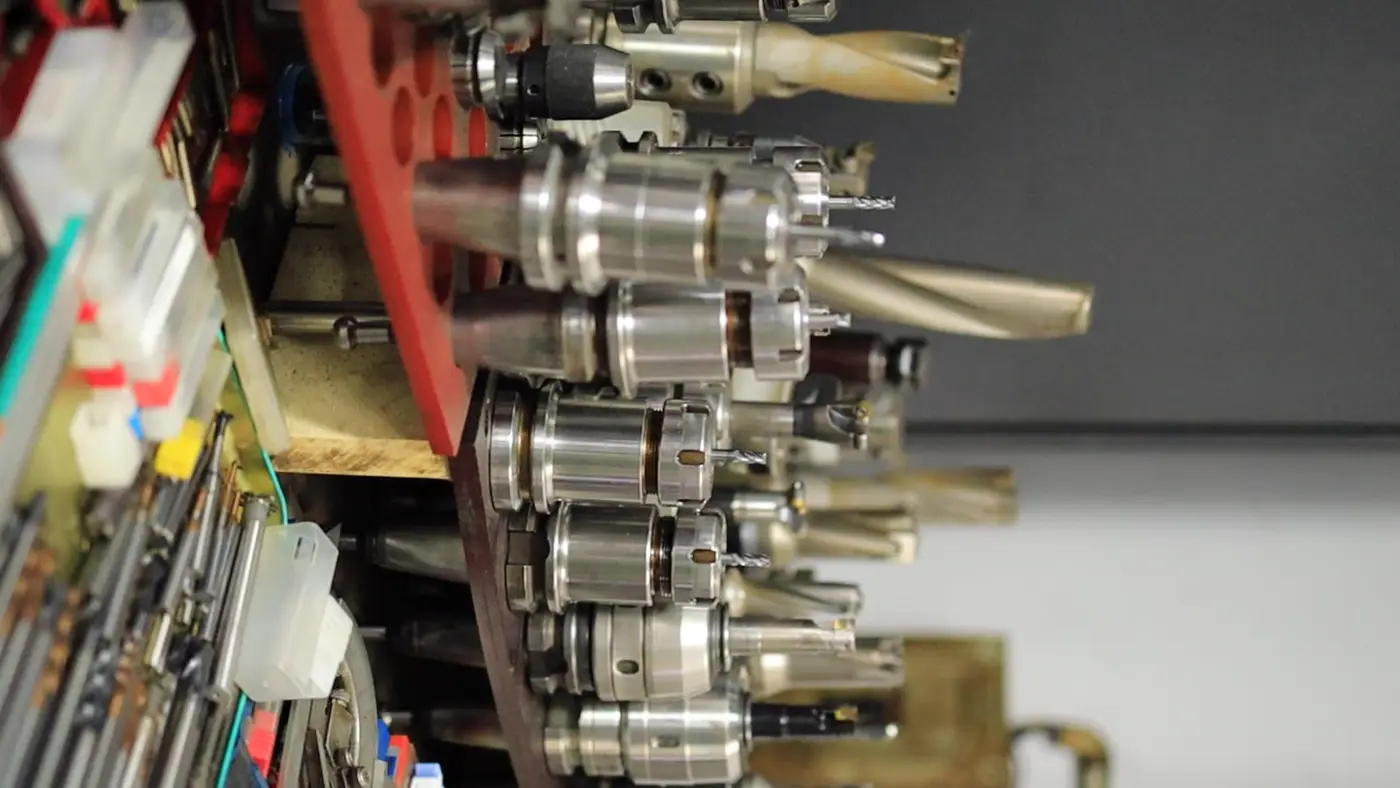
RUUIPON builds those platinum food cores in Bao'an, Xinhe Blvd, Shajing, since 2018. Mix is 1:1 or 10:1 by weight. Prototype is 3–7 business days after CAD lock of the core path, not of a pretty sphere STL. Production is MOQ 20 pieces per design. Simple 3D is USD $50 when that CAD scope applies. Platinum shrink after a full cure is typically about 0.1–0.3%. We would not spec tin under chocolate. Companion product URL for cocoa bombs stays on its live page: custom cocoa bomb molds. Steel/LSR *parts*: an HTV product RFQ here.
Does not apply when you are filling two open hemispheres and joining them in the kitchen — that is two open-back trays, no core. It also does not apply to a resin hollow figure with a plaster core, or to an LSR sippy-cup part. Food docs still sit on the platinum article (21 CFR 177.2600 / LFGB), not on the core idea.
Wall millimetres, buoyancy, and a pull path
Name the wall. A bomb that must crack in cocoa wants a different millimetre than a thick display sphere. The core OD is outer cavity ID minus 2× wall, after platinum shrink about 0.1–0.3%. Keys keep the core from floating when chocolate is still liquid. A core that drifts 1 mm is a thin wall on one side and a thick wall on the other — a reject even if the outer mold looks perfect.
Pull path: draft the core, or split it, or collapse it. A straight pull through a small pole hole is a plant decision you have to draw. Do not leave "shop to surprise." The RUUIPON Mold Structure Decision still applies to the outer: if the outer is a simple hemisphere, it is open-back. The core is the extra object.
- Two welded halves? - yes -> Two open-back trays — no core
- Two welded halves? - no, one-piece hollow -> Outer + registered core
- Outer + registered core -> Lock wall mm after shrink
- Lock wall mm after shrink -> Keys against float
- Keys against float -> Draft or split the core for pull
- Draft or split the core for pull -> Platinum, wash, post-cure, first dump
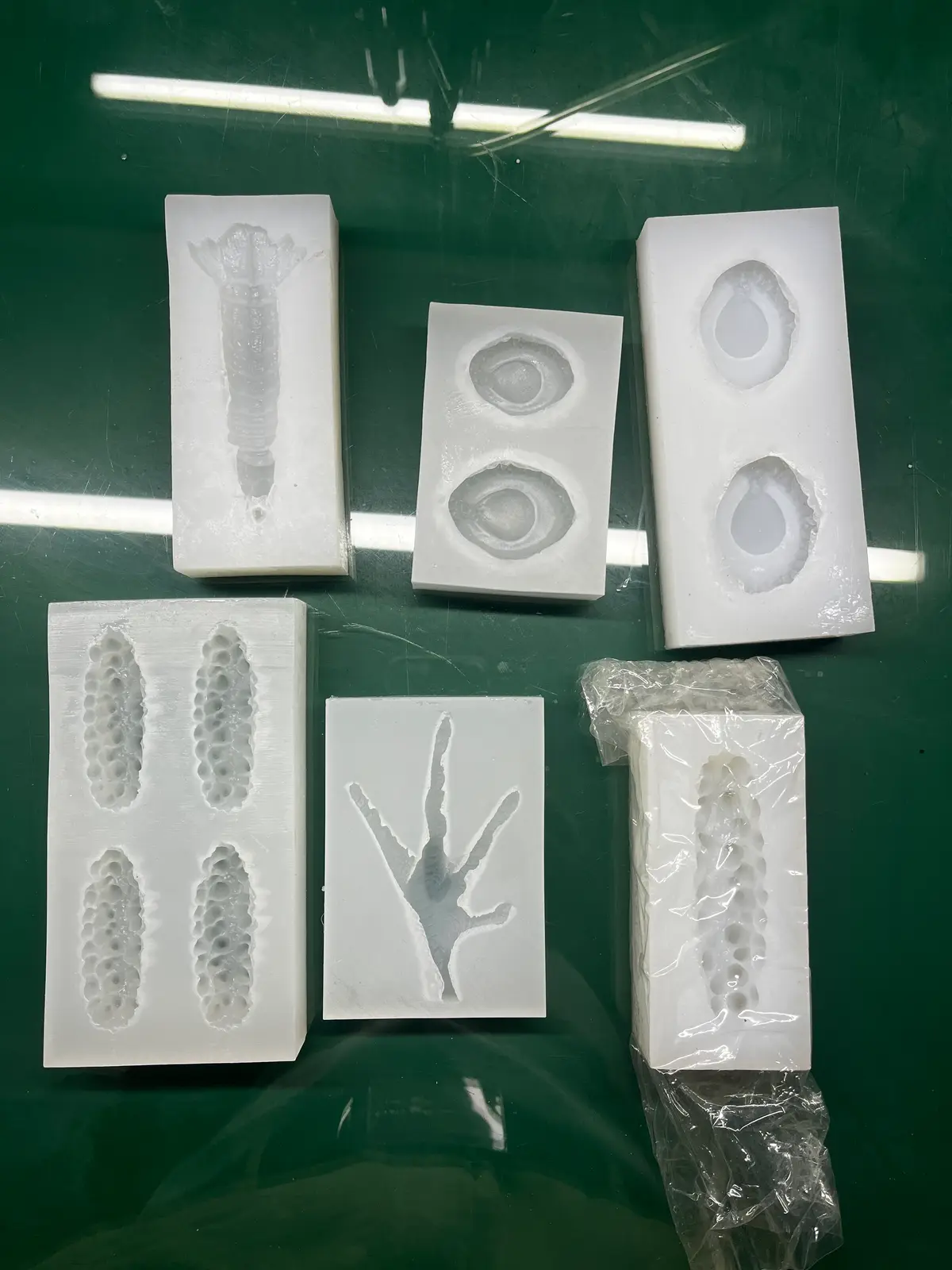
The photo that would prove a core: outer cavity, core on keys, feeler or millimetre scale in the wall gap, first shell broken to show even thickness. A lifestyle cocoa-bomb pour video does not show float.
ISO 3302-1 M2 is a common dump class. It does not replace wall millimetres on the drawing. CAD lock includes those millimetres. $50 CAD applies when the sphere arrived as a photo with no wall.
Failure: thin cheek, stuck core, chocolate in the keys
Symptom: one face paper-thin; core locked in the shell; chocolate packed into registration.
Cause: core floated; no draft; keys too shallow; dump too hot and the 10A outer flexed (edge sag about 0.5–1.5 mm class on an unsupported tray).
Confirm: section a first-article shell. Measure wall at pole and equator. Do not argue from a whole bomb on Instagram.
Fix: recast keys, add draft, jacket the outer if it flexed. Do not raise Shore first — you still need peel on the outer detail.
Inner-core design language for planters is a cousin: inner cores. Chocolate adds food wash and no tin.
Typical shop values
Reference values only. Confirm material-specific limits against the supplier’s technical data and agree project acceptance criteria before production.
| Item | Typical shop value |
|---|---|
| Mix / shrink | 1:1 or 10:1 by weight; platinum about 0.1–0.3% |
| Food chemistry | platinum only |
| Cavity Shore | 10A–20A outers; core often stiffer or jacketed |
| Loaded sag without jacket | about 0.5–1.5 mm |
| Prototype | 3–7 business days after CAD lock |
| Production MOQ | 20 pieces per design |
| Simple 3D | USD $50 when that CAD scope applies |
| Drawing class | ISO 3302-1 M2 as a common default |
Cores we would not build
We would not recommend a one-piece glove around a closed sphere "so there is no seam."
We would not recommend tin-cure for a chocolate core set.
We would not recommend skipping keys because the core "looks heavy enough." Chocolate is buoyant on a loose plug.
We would not recommend calling the factory FDA-approved. Extraction is on the article.
A tooling charge is not unrestricted ownership of the core CAD. Recasts follow the locked wall unless you pay to change it.
Worked example: 70 mm bomb, photo only, no wall
Retail bomb, 70 mm, photos of a competitor SKU, no wall mm. Buyer wanted "one-piece hollow." We refused a glove, quoted outer + core, $50 CAD to lock a 2.5 mm-class wall (typical shop start, not a named lab), platinum, jacket on the outer, keys on the core. Prototype 3–7 business days after that CAD lock. Production MOQ 20 of that design. Two-hemisphere alternative was cheaper and we wrote it as option B.
Temper still belongs on the plant SOP even with a perfect core. A registered wall will not save bloom. We would not take a bloom photo as proof the core drifted. Section the first-article shell, measure wall, then argue temper. Food wash and post-cure still happen on both outer and core before cocoa touches them. A green core pulled through a thin pole hole is how you tear the first dozen shells and then blame Shore.
Mix-up: round tray equals bomb mold
A hemisphere tray makes halves. A bomb you want as a single hollow needs a core or a weld SOP. The other mix-up is treating ice-sphere molds as chocolate bombs. Ice can be a solid dump. Chocolate bombs are shells.
What to ask when you're buying the core
- Two halves to weld, or a one-piece hollow with a core?
- Wall millimetres at pole and equator?
- Pull path: draft, split core, or pole hole?
- 177.2600 / LFGB on this article?
- After CAD lock, 3–7 business days, then MOQ 20 / design?
Related: chocolate molds, contact.
RFQ copy-pack — bomb core
Paste into [email protected]:
Object: platinum chocolate RTV — halves OR outer+core (tin not accepted) Outer size mm and wall mm if hollow Pull path for the core if one-piece Docs: 177.2600 and/or LFGB on this article File: STEP / STL / photos with a millimetre scale CAD: mold-ready STEP OR USD $50 3D if that scope applies Prototype 3–7 business days after CAD lock, then MOQ 20 per design
Send wall millimetres and halves vs core, not "like the viral bomb." We lock the core path — not a blank free quote. Phone +86 135 3006 2969. Licheng Technology Industry Park, Xinhe Blvd, Shajing, Bao'an. Shop since 2018.
FAQ
Do I need a core for cocoa bombs? Not if you dump two hemispheres and weld them. Yes if you want a one-piece hollow shell.
Can the core be the same 10A as the outer? Often the core wants more stiffness or a jacket so it does not flex and steal wall. Name the pull.
Will chocolate stick to the core? Dry platinum, temper still required, no tin. A stuck core is usually draft or a green dump, not "needs more spray."
Can you copy a competitor bomb from photos? Geometry maybe, via $50 CAD. We need your art, not their brand. Wall mm still missing until you lock it.
Does the core change MOQ? MOQ is 20 pieces per design. Outer and core are one design set unless you split the PO.
Custom silicone development · DFM & prototype support
CAD, drawing, photos or sample details