
Custom Plaster & Concrete Silicone Molds | RUUIPON
Plaster and concrete RTV tools fail by abrasion and sag, not by "the silicone expired." Spec Shore, a mother mold, and recast from a living master.
 Kyler Yang · Founder7 min read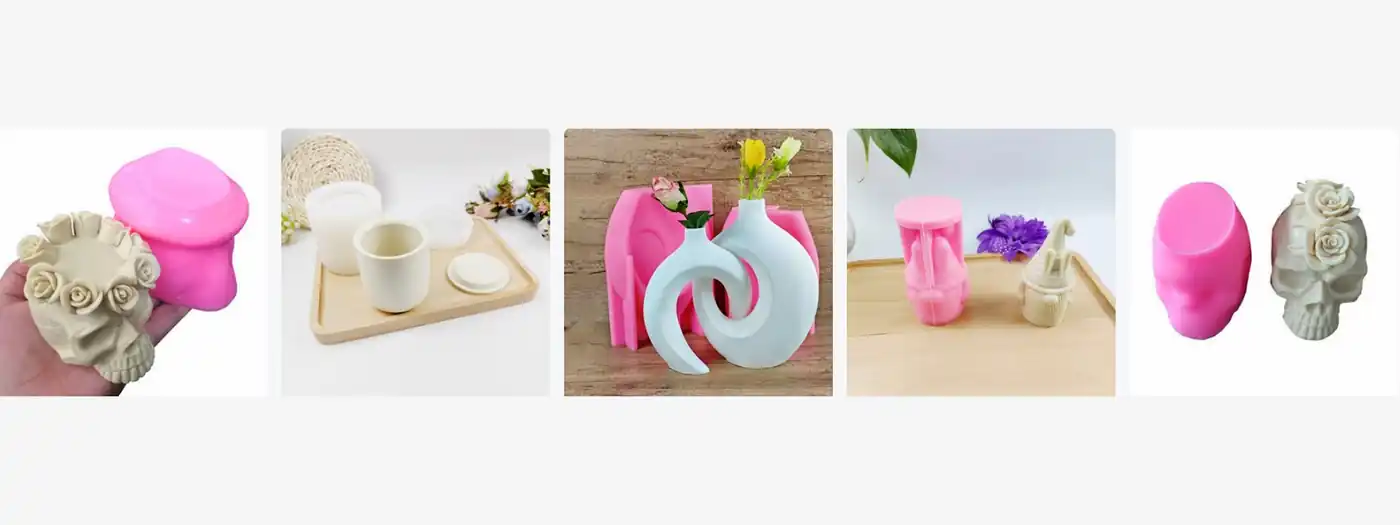
Plaster, gypsum, and concrete do not "use up" an RTV mold the way chocolate does. They abrade the face and they load the skin. A 10A glove without a jacket will sag 0.5–1.5 mm under a wet cement head and then take a set. A firmer tray without a recast plan will still lose logo lands to sand fines. RUUIPON builds these as RTV *tools* in Bao'an since 2018: platinum unless you named tin for a craft reason, jacketed when the dump is large and wet, recast from a living master. Prototype 3–7 business days after CAD lock. MOQ 20 pieces per design. USD $50 when CAD still applies.
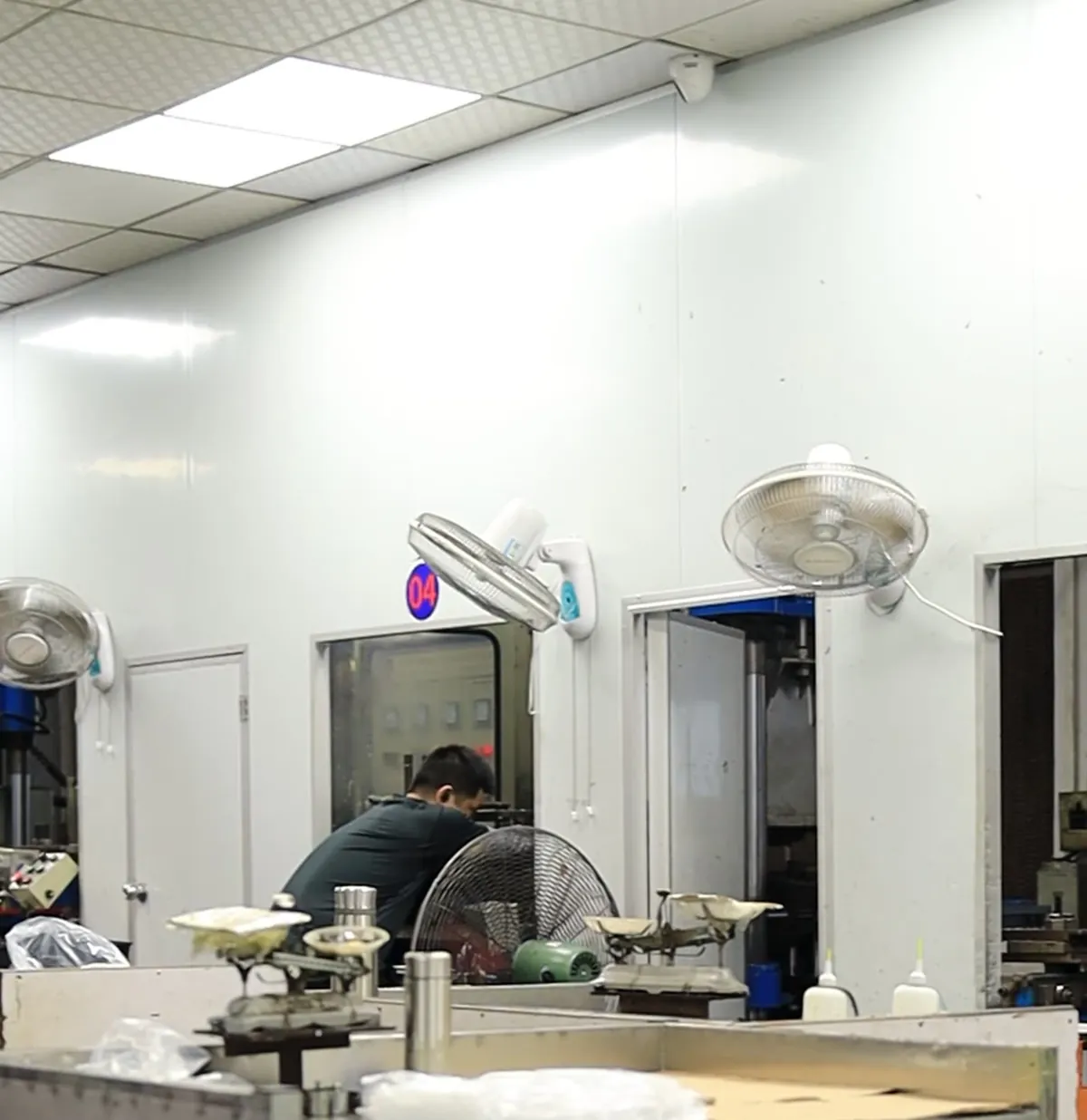
Steel/LSR *parts* are not this dump. Architectural precast in steel forms is another industry. This page is the rubber tool you pour gypsum or concrete *into*.
Does not apply when you are stamping a small soap loaf (softer chemistry, fragrance cabinet), when the piece is a food tray, or when you need a highway barrier form. We would not quote a 20A chocolate sheet as a stepping-stone mold.
Abrasive dump vs sag: two different deaths
Abrasion. Sand, aggregate, and plaster fines polish or pit the cavity. Logos go shallow. Release gets grabby because the micro-texture changed, not because you forgot oil (and we still would not grease a tool you later want near food — these SKUs are craft).
Sag / balloon. Wet head, tall wall, missing mother mold. Piece goes overweight in the middle, walls thin at the top, jacket keys walk.
Symptom: first pours sharp; pour 30 looks melted in the lettering; OD grew. Cause: abrasion plus stretch, or only stretch if a jacket was never there. Confirm: T1 photo vs now; dump in jacket vs dump on the bench; a straightedge on the back. Fix: recast skin if the master still has the logo. Add or replace the jacket if bench sag was always the limiter. New CAD ($50 when we must model) if the land was too thin for cement from day one.
Do not "just go 50A" as the first email. Firmer rubber can still balloon without a jacket and can tear a different corner. RUUIPON Mold Structure Decision: flat back → open-back; peelable undercuts → glove; if not → split / plug / core; large wet casting → mother mold. Concrete almost always trips that last line.
Plaster vs concrete on the same CAD
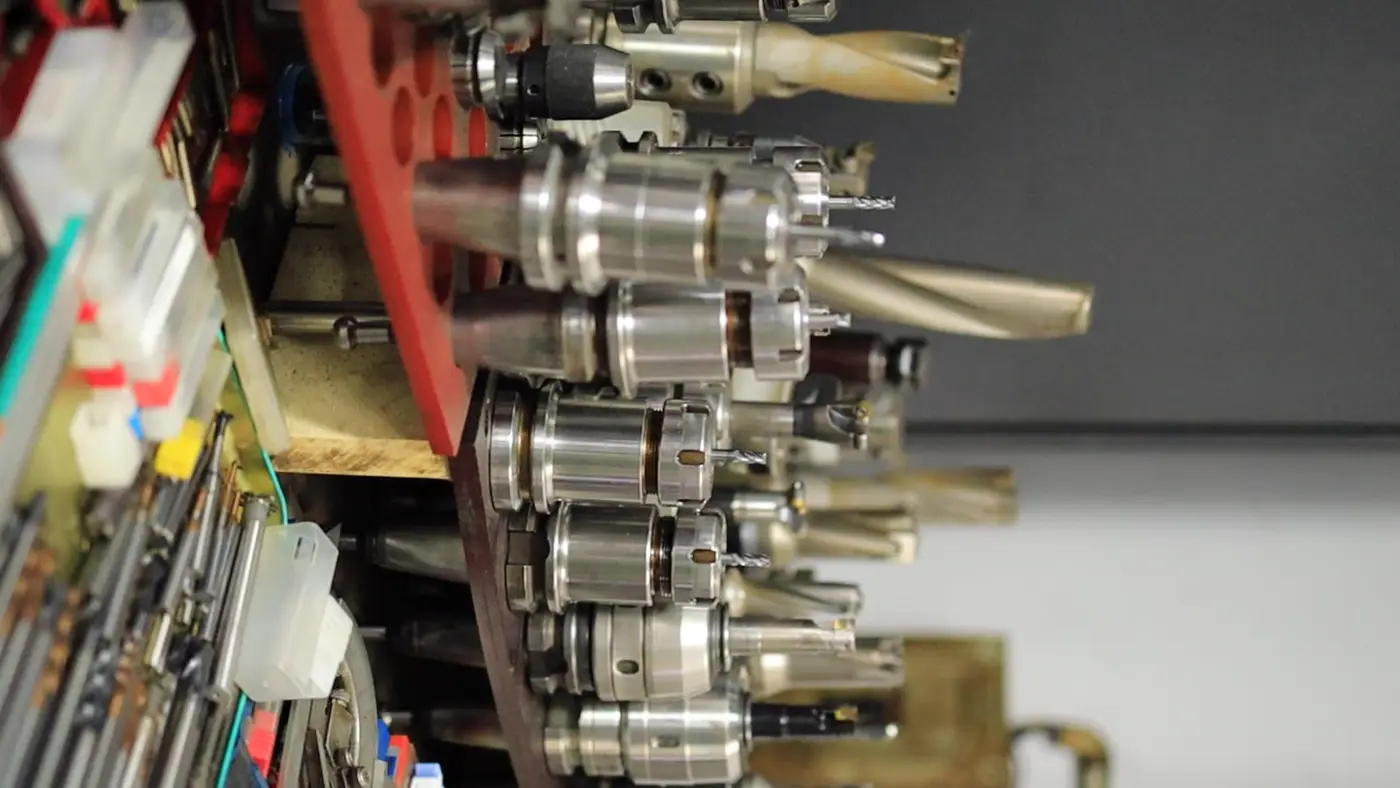
Gypsum is kinder than concrete, but both are wet and both copy the master. Concrete with exposed aggregate is a sandpaper. A decorative plaster tile with a 0.3 mm serif is a recast candidate even if the jacket is perfect.
| Dump | Typical limiter | Jacket | Shore talk |
|---|---|---|---|
| Pottery plaster / gypsum tile | Fine-logo abrasion, water | Often yes on large tiles | Mid tray, not a 10A glove unless undercuts demand it |
| GFRC / sanded concrete | Abrasion + sag | Yes on anything wet and wide | Firmer than a chocolate tray; still jacketed |
| Cement countertop section | Weight, heat of hydration | Mother mold required | Structure first |
| Small plaster figurine | Undercuts, not abrasion | Jacket on the glove | 10A–20A skin + split if needed |
Reference values only. Confirm material-specific limits against the supplier’s technical data and agree project acceptance criteria before production.
Food-contact docs do not belong on this traveler. Cement dust and 177.2600 are not a pair. If you also want a chocolate version of the same mascot, that is a second skin, second cabinet.
ISO 3302-1 M2 remains a rubber class. It will not hold a 600 mm tile flat without a rigid mother mold.
The photo that would prove an abrasion recast: raking light on a logo land at T1 vs now, a scale, and the master still sharp. A dusty yard shot of finished pavers is not that photo.
Typical shop values
Reference values only. Confirm material-specific limits against the supplier’s technical data and agree project acceptance criteria before production.
| Item | Typical shop value |
|---|---|
| Mix | 1:1 or 10:1 by weight, vacuum on the *tool* pour |
| Platinum shrink | about 0.1–0.3% |
| Loaded sag without jacket | about 0.5–1.5 mm |
| Prototype | 3–7 business days after CAD lock |
| Production | MOQ 20 pieces per design |
| Simple 3D | USD $50 when that CAD scope applies |
| Rotation | extra complete tools if dumps/week would wear one skin before a recast ships |
| Archive | master + jacket IDs written; tooling charge ≠ forever storage |
Worked example (anonymized)
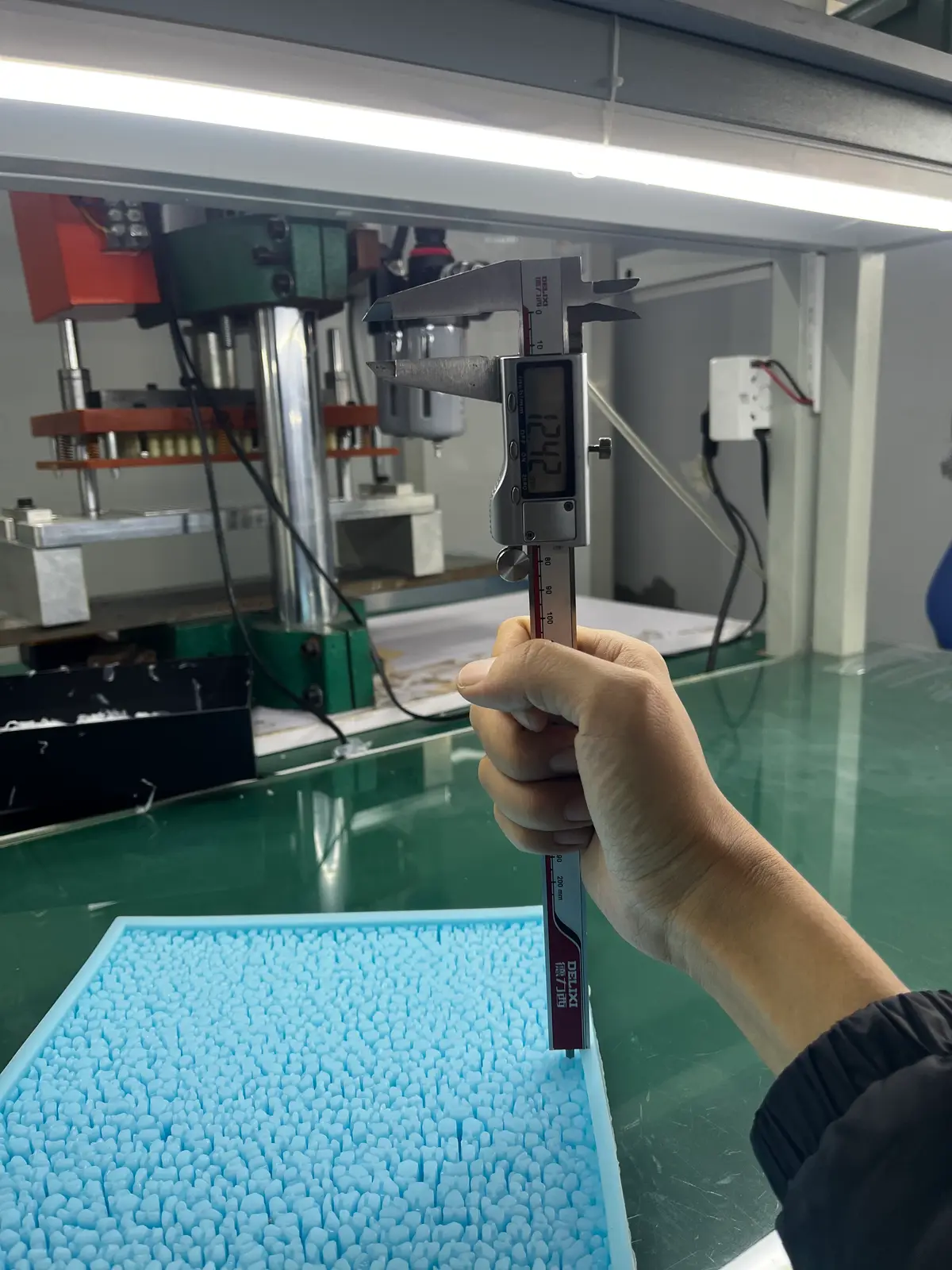
A 300 × 300 mm plaster tile, 12 mm relief, open-back platinum ~25A, no jacket. First pours acceptable. After a short run the field went dish-shaped. Buyer asked for harder rubber and a life number. Bench vs a mule jacket showed sag on pour one of the mule-off test. Recast with a mother mold, same relief CAD, no $50 model fee. MOQ 20 of the jacketed design. Concrete version of the same art was a *third* conversation: thicker lands, expected recast, rotation qty. First tooling charge on the floppy tile did not include the jacket; we added it.
One procurement mix-up
Buying a "concrete silicone mold" from a chocolate-mold photo and expecting the same Shore and no jacket. A second mix-up is counting tray flexes as life while the jacket is warped — you are measuring the mother mold's death. Recast the right object.
We would not recommend
We would not recommend a jacket-free large wet cement dump.
We would not recommend 0.25 mm serifs in sanded concrete.
We would not recommend oiling the cavity to "protect" it from abrasion — you hide CTQ and load the face.
We would not recommend tin-cure for a tile that must still key to a jacket next season.
- Mold Structure Decision -> Large wet head?
- Large wet head? - Yes -> Mother mold / jacket — non-negotiable
- Large wet head? - No small figurine -> Glove or split; still watch undercuts
- Mother mold / jacket — non-negotiable -> Logo land thick enough for fines?
- Logo land thick enough for fines? - No -> $50 CAD thicken; lock; 3-7 days
- Logo land thick enough for fines? - Yes -> Pour skin; plan recast + rotation
- Glove or split; still watch undercuts -> Pour skin; plan recast + rotation
What to ask when you're buying
- Plaster, GFRC, sanded concrete, or countertop mix — aggregate size?
- Tile size and wet head — jacket yes?
- Relief / logo millimetres that must survive fines?
- Recast archive of the master, months written?
- Rotation quantity vs one hero skin?
- Platinum named, not a mystery "concrete silicone"?
RFQ copy-pack
[email protected] · +86 135 3006 2969 · Xinhe Blvd, Shajing, Bao'an
RUUIPON plaster / concrete RTV mold RFQ Dump: plaster / gypsum / GFRC / sanded concrete / other Aggregate size if known: Part OD and relief mm: Structure: open-back / split / glove / jacket — or we decide Qty: prototype / MOQ 20 per design / rotation extras CAD: STEP / $50 3D if lands must move; then lock; then 3–7 business days Master archive: yes / months Craft cabinet: not food
Matched next step: send OD, relief millimetres, and whether the dump is plaster or sanded concrete. We will spec jacket, Shore, and a recast plan. We will not quote a chocolate-tray Shore for a paver. Prototype 3–7 business days after CAD lock. MOQ 20 per design.
Related: silicone molds for concrete, silicone molds for plaster, mother mold support shell, contact.
FAQ
How many concrete pours before I recast? We will not print a warranty count. Log abrasion on the logo land and sag on a straightedge. Plan recast from a living master; buy rotation if weekly dumps would zero one skin in transit time.
Can I use the same mold for plaster now and chocolate at Christmas? No. Cement cabinet is not a food cabinet. Recast a food skin from a clean master if you need both.
Do I need a harder Shore for concrete than for plaster? Often a firmer tray, always a jacket on large wet dumps. Structure first. Don't jump to 50A in the first email.
Will a plaster jacket survive outdoor concrete? Plaster mother molds chip and drink water. Ask for a resin or printed jacket if the tool lives in a yard. The skin still recasts against the master.
Is MOQ 20 twenty pavers? No. Twenty *molds* per design. Your paver count is dumps × cavities.
Custom silicone development · DFM & prototype support
CAD, drawing, photos or sample details