
How to Extend Custom RTV Silicone Mold Life
RTV life is tear, swell, UV, and a warped support shell - not an SPI shot count. Recast against a living mother. We do not sell a cycle warranty.
 Kyler Yang · Founder11 min read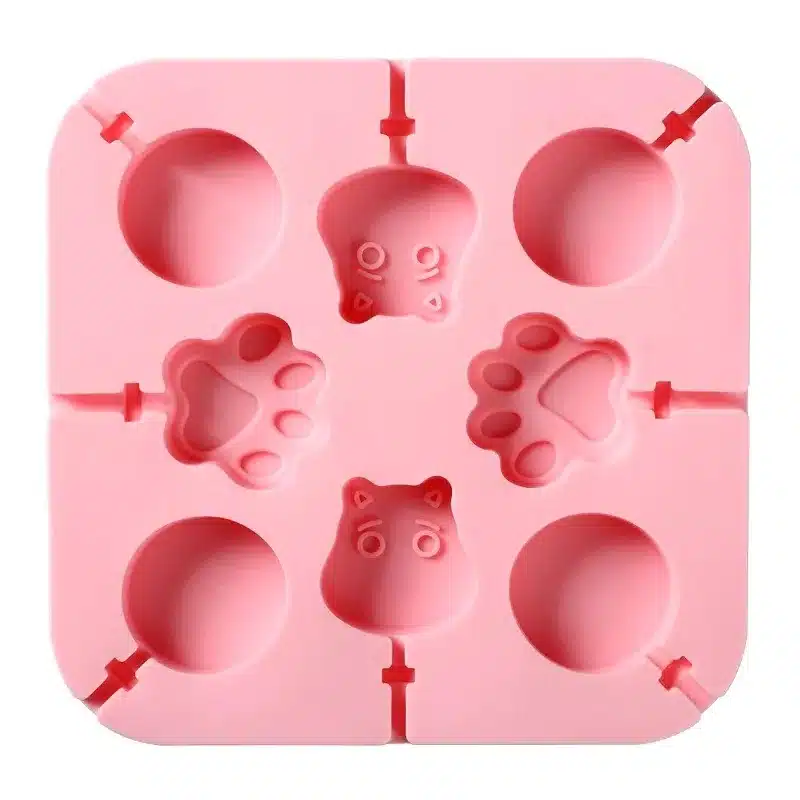
If you are trying to keep a custom RTV silicone mold alive, you are managing tear, swelling, UV, and jacket / mother-mold support-shell warp - not a steel shot count copied from SPI class language. Platinum and tin cavities die from nicks at splits and logos, the wrong cleaner, sun on a windowsill, compression set under stacked shells, and inhibition on a dirty pour. We do not print a warranty cycle count on the traveler.

Unmix the object. This is the flexible cavity you dump gummy, chocolate, wax, or resin into. On this site the path is photos, sketch, or CAD, then a 3D-printed pattern, often a temporary silicone flip, a resin production mother, then batch RTV. The mother is not the pattern. Free DFM. HTV/HCR compression mold tooling is also quoted on RUUIPON.
Match rubber and support shell to the duty
Life starts at the RFQ. A Shore 10A skin with no support shell against a hot pectin dump will balloon and tear at the lettering even if the platinum grade says high tear on the TDS. Name platinum when you need the cavity to hold size in storage and to recast next season against the same living mother. Name tin when the pattern is dirty and the run is short. Do not store tin as a library tool.
Coatings and food-release films, if you use them, are named extras with a recoat plan. They do not replace a jacket / mother-mold support shell on a floppy cavity. If your email still says "master, box, keys, jacket" as the life program, you are listing shop furniture.
Stop tears from becoming the process
Tears start at sharp letters, un-drafted bails, dry splits, and aggressive demold. Dust or a named food-safe release only if the PO allows it; random kitchen oil is a swelling event. Demold along the designed pull path. Inspect logo faces on a cadence. Recast the RTV skin while the living mother and the support shell still register. Waiting until the split no longer shuts is how you buy a new mother.
A sticky face is chemistry. More oven time will not un-poison platinum against sulfur, some tin leftovers, certain latex gloves, amines, or under-cured print residue. Multi-cavity trays often fail one pocket first. Running the rest while one cavity is torn trains the dump into a mixed bag.
Common mix-up: treating SPI class as a dump warranty
A lot of RFQs treat SPI/SPMA 101-105 language, or a TDS tear number, as how many dumps you will get. In the shop that usually means you are scoring steel construction intent against a rubber glove. Easy food grades, a rigid support shell, and an honest recast clause will outrun any warranty sentence. We will not quote a folklore pour count.
Typical shop values
Reference values only. Confirm material-specific limits against the supplier’s technical data and agree project acceptance criteria before production.
| Symptom | Likely cause | Fix |
|---|---|---|
| Sticky face after extra bake | Inhibition on the mother or pattern | Reclean / barrier; recast. Oven will not un-poison it |
| Tear at logo or shut | Sharp letter, dry split, missing shell | Recast while the mother still registers |
| Size drift after storage | Tin aging, UV, stacked shells | Platinum + unstressed storage, or a new mother |
| Ballooned dump | No support shell / warped shell | New jacket / mother-mold support shell |
| Path / proto / MOQ | Pattern, often flip, living mother, batch RTV | 3-7 days after CAD lock; 20 pcs/design; DFM free; USD 50 CAD |
Worked example: 24-cavity bear tray
A 24-cavity bear, 22 mm, food-contact platinum and a fiberglass support shell, ran on a depositing table. Life got better when the shop stopped stacking shells in a warm packing room, switched from abrasive sink powder to a written food-safe cleaner, and recast two torn cavities from the still-registered mother instead of running 22 good pockets and two bald ones. The living mother stayed in the buyer's custody because the PO said so. Nobody promised a cycle warranty.
Stay on this page / skip this page
Stay when you need a life program for a pour cavity: duty, storage, recast triggers.
Skip if you need thousands of molded silicone parts - a different RFQ - ask us. Skip if you need an HTV/HCR compression mold life memo - that is a different RUUIPON RFQ, not SPI language pasted onto rubber. Skip if the tool is already a nicked steel land.
We will not treat SPI class as a dump warranty. We will not invent mold-life hours or an HTV MOQ. We will not oil a food well as rust preventive. We will not sand the living mother "to clean it up."
Related: evaluate mold quality, lifespan care, contact.
What to send if the mold is dying
- Platinum vs tin; who holds the living mother
- Cavity-side photo of the tear or sticky patch
- Dump material and peak temperature; wash chemical
- Whether shells stack in a warm room
- Food-contact path if needed: 21 CFR 177.2600 and/or LFGB sections 30/31
Send the miss to [email protected] or contact.
- Mother still unsanded? - no -> New mother - not a recast
- Mother still unsanded? - yes -> Tear / stick / sag?
- Tear / stick / sag? - stick after bake -> Inhibition remake
- Tear / stick / sag? - tear -> Recast skin against living mother
- Tear / stick / sag? - sag -> New support shell
FAQ
How many dumps will this mold last? We do not sell a cycle warranty. Life is duty, chemistry, wash, storage, and whether a support shell holds the block. We sell a recast path against a living mother.
Will extra oven time fix a sticky face? Not if the face is inhibited. Reclean or barrier the mother, then recast.
Can I stack jackets in the packing room? That is how shells warp and splits drift. Store cool, dark, unstressed.
Does SPI 101 mean more dumps? No. That language is steel construction intent. It is not an RTV hour meter.
What starts a recast clock? A named trigger plus a living unsanded mother. Prototype usually 3-7 business days after any CAD lock. MOQ 20 of the recast design. DFM free. CAD about USD 50 when we edit 3D.
Custom silicone development · DFM & prototype support
CAD, drawing, photos or sample details