
Library Life vs Cycle Count of RTV Molds | RUUIPON
Shelf age and dump count are two clocks. Platinum holds size; tin keeps moving. How to archive an RTV tool. Mix 1:1 or 10:1, MOQ 20, $50 CAD when it
 Kyler Yang · Founder7 min read
Library life is how long a cured RTV mold still dumps to the size and face you signed, while it sits on a shelf. Cycle count is how many dumps it survived in production. They are two clocks. A platinum tray can look new after a year in a dark drawer and still be in the 0.1–0.3% shrink band. A tin tray that "only ran twenty times" can be undersize because condensation-cure kept moving in storage. A platinum tray that ran hot PU every shift can tear at keys while the unused twin on the shelf is fine.
RUUIPON archives skins and jackets in Bao'an / Shajing since 2018 when the PO says so. Prototype 3–7 business days after CAD lock. Production MOQ 20 pieces per design. Simple 3D is USD $50 when that CAD scope applies. Mix 1:1 or 10:1 by weight. Steel/LSR *part* tools have a different life model.
Does not apply when you mean dishwasher cycles on a food tray (wash SOP, not library age). It also does not apply to a one-weekend concrete pour you already called disposable.
Age on the shelf is not cycle count
What ages a sitting mold:
- Chemistry. Platinum addition-cure, once fully cured, is the library default. Tin keeps shrinking — tin in storage.
- Ozone, UV, heat. Window sills and ozone generators dry and crack faces.
- Stacking. Keys crush. Trays nest and print their own backs into cavities. Store open, supported, keys unloaded.
- Oils and dumps left in the cavity. Resin films and soap residue become the next inhibitor or a tacky skin.
What spends cycle life: abrasive concrete, hot PU, sharp demold, thin logo islands, torn keys. Recast from the unsanded master when the face fails. If the master was sanded "to clean it," you no longer have a library.
- Platinum or tin? - tin -> Do not treat size as locked
- Platinum or tin? - platinum -> Keys stacked / ozone / residue?
- Keys stacked / ozone / residue? - yes -> Rehouse; inspect face before the next dump
- Keys stacked / ozone / residue? - no -> Witness dump vs the signed sample
- Witness dump vs the signed sample -> Size and face still match?
- Size and face still match? - no -> Recast from unsanded master
- Size and face still match? - yes -> Return to archive
The photo that would prove a library call: two twins, one stacked with crushed keys, one stored open; a caliper on a witness dump from each. We are not attaching a staged lot.
How-to store (no ozone, no stacked keys) is a sibling intent. This page is the procurement split: do you replace on age or on dumps? Write both on the traveler. Spare rotation is not the same as library life. Running two twins so each sees half the dumps spends cycle life slower; it does not stop tin from moving on the shelf, and it does not forgive nested storage. If you need a spare, recast from the unsanded master at the same CAD lock, store both open, and dump a witness from the idle twin before it enters the line. Mixing a spare that sat in a resin cabinet into a chocolate week is a cabinet fail, not a clever rotation.
Ozone from a shop air cleaner is easy to miss. The face chalks, then cracks at keys. Move the archive away from the generator. UV from a window yellows a clear platinum and can tack a surface that then grabs the next dump. Dark and cool is boring on purpose. Label the bin with chemistry and last witness date. A tooling charge is not unrestricted ownership of the archive slot.
Food-contact cabinets: a tray that sat in a resin shop is not a chocolate tray next season without a written wash and doc path (21 CFR 177.2600 / LFGB). Cabinets do not reset because the rubber "still looks fine."
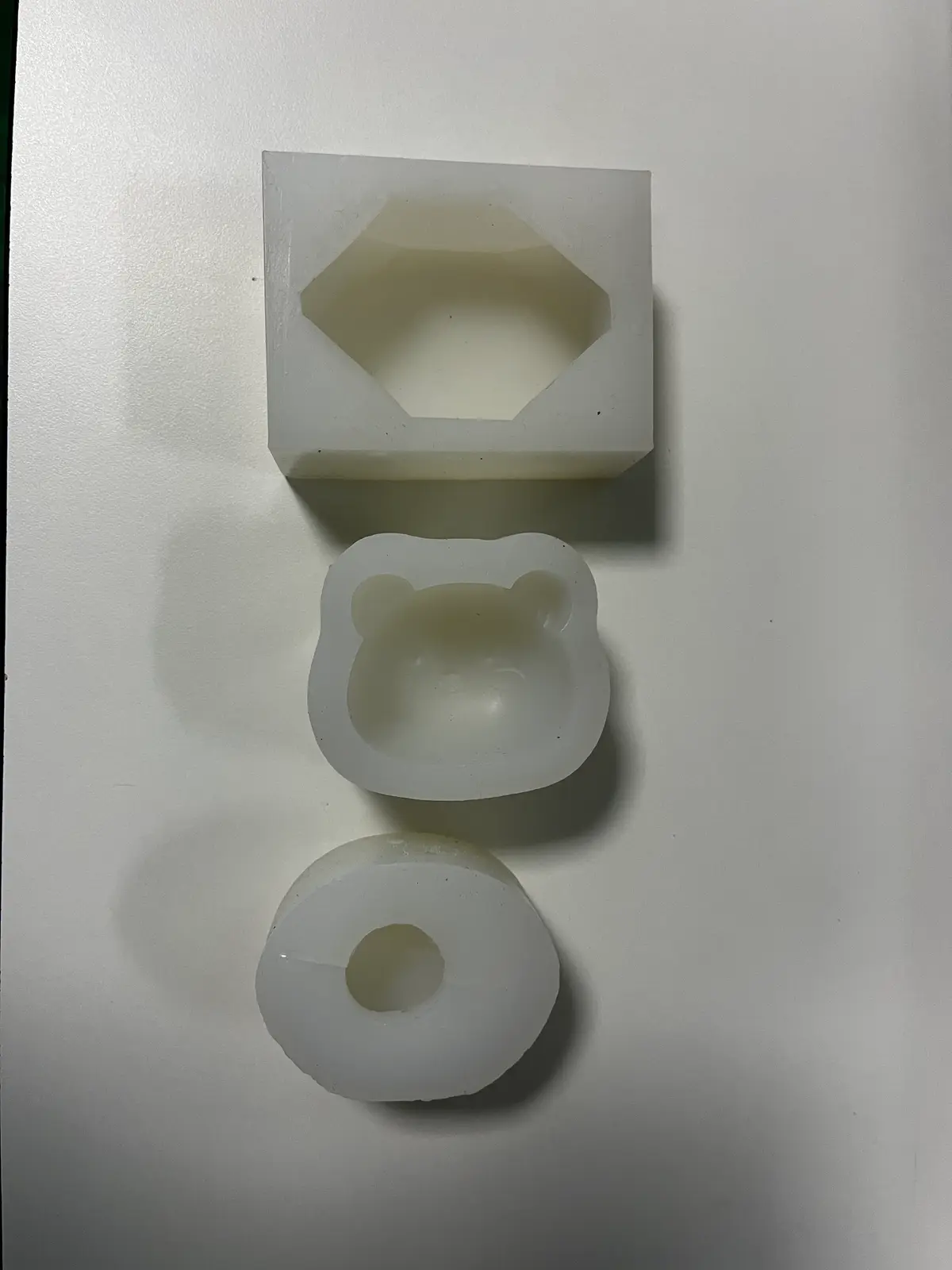
Witness dump before the archive returns to the line
Pull a witness dump, measure the CTQ against the signed sample, inspect keys and tack. Typical platinum shrink after full cure is about 0.1–0.3% — that band should not keep walking if the tool is platinum and stored sane. If it walked, you may have tin, heat, or a mixed-up twin. ISO 3302-1 M2 is the drawing class you compare to, not a shelf-life rating.
Shop numbers for archive vs dumps
Reference values only. Confirm material-specific limits against the supplier’s technical data and agree project acceptance criteria before production.
| Item | Typical shop value |
|---|---|
| Platinum shrink after full cure | about 0.1–0.3% |
| Mix | 1:1 or 10:1 by weight |
| Sag if stored nested / no jacket | about 0.5–1.5 mm dish possible |
| Prototype | 3–7 business days after CAD lock |
| Production MOQ | 20 pieces per design |
| Simple 3D | USD $50 when that CAD scope applies |
Archive habits we would not recommend
We would not recommend stacking keyed splits.
We would not recommend tin as a library chemistry for a SKU you recast next year.
We would not recommend a resin-shop tray returning to chocolate without a cabinet split.
We would not recommend "it still looks new" as the size sign-off. Dump a witness.
A tooling charge is not unrestricted ownership of the master you need for recast. Keep it unsanded.
Worked example: platinum twin vs tin after twelve months
Wax-melt line, platinum 20A, sat twelve months in a sealed bin, keys unloaded. Witness dump matched the signed sample within the 0.1–0.3% band. A parallel tin sample from a short architectural job, same calendar, was off on the diagonal. We recast the tin SKU in platinum after CAD lock; 3–7 business days; $50 3D did not apply. Production MOQ 20 of the recast design. Related: soap / wax cabinets.
Mix-up: if it still looks new it still dumps to drawing
Gloss hides shrink and crushed keys. Measure. The other mix-up is counting calendar years as a warranty. We do not invent a year rating here. A traveler with last-dump date, chemistry, and a witness measurement beats a guess in months.
Questions that separate the two clocks
- Platinum or tin, and is the master unsanded?
- Expected dumps per year vs months on the shelf?
- Storage: dark, cool, keys unloaded, no ozone?
- Food vs resin cabinet history?
- Who pays archive and who may pull the tool?
Related: contact, best silicone by pour.
RFQ copy-pack — library vs cycles
Paste into [email protected]:
Object: RTV library mold, not an LSR/HCR part Chemistry: platinum preferred for archive / tin if disposable Dump material, peak °C, expected dumps vs shelf months Master custody: unsanded master stays where? File: STEP / STL / photos with a millimetre scale CAD: mold-ready STEP OR USD $50 3D if that scope applies Prototype 3–7 business days after CAD lock, then MOQ 20 per design Witness dump after storage before the next production lot
Send chemistry and whether this is a library SKU. We recast from the master — not a blank "free quote." Phone +86 135 3006 2969. Licheng Technology Industry Park, Xinhe Blvd, Shajing, Bao'an. Shop since 2018.
FAQ
Does platinum stop shrinking in storage? After a full cure, typical linear change is about 0.1–0.3% and then it stays put if you store it sane. Tin does not get that promise.
Can I stack trays to save a shelf? Keys and cavities crush. Store open and supported.
Is library life a warranty in years? We would not invent a year rating. Write dump count, chemistry, and storage on the PO.
My unused mold is tacky after a year — is that age? Could be residue, inhibition from a dirty bin, or tin. Do not dump food from it until you know.
If I paid tooling, do you store the mold for free? A tooling charge is not unrestricted archive. Ask for storage terms; keep the unsanded master either way.
Custom silicone development · DFM & prototype support
CAD, drawing, photos or sample details