
Modification Costs After a Finished Custom RTV Mold
You can recast an RTV skin on the same living mother. A geometry change means a new mother, then a recast. Budget add vs subtract on the pattern, not a weld.
 Kyler Yang · Founder9 min read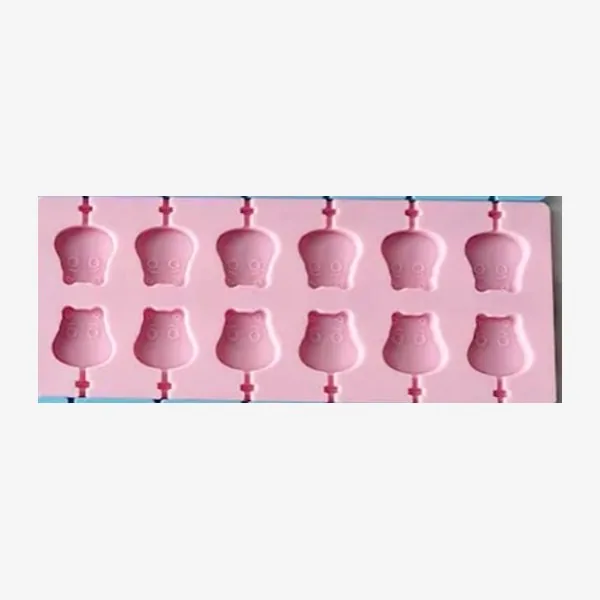
You can always recast the skin. You cannot always put geometry back onto a finished resin production mother. A finished custom RTV mold is not a CAD file. It is a platinum or tin cavity that copied a living mother, plus a jacket / mother-mold support shell that already seats. Can it be altered is three questions: can we recast the rubber, can we reprint or recut the pattern and cast a new mother, and will the support shell still close after we do.
On this site the path is photos, sketch, or CAD, then a 3D-printed pattern, often a temporary silicone flip, a resin production mother, then batch RTV. The mother is not the pattern. Free DFM. HTV/HCR compression mold tooling is also quoted on RUUIPON.
Recasting the skin (the cheap direction)
If the change is wear, a torn pour face, a new logo slug that already exists on the mother, or a switch from tin to platinum on the same geometry, you pour again against the mother you still have. The mother must still exist and must not have been sanded to clean it up. A recast copies today's mother, including dings. A thicker pour that no longer seats is not a recast. It is a new support shell.
Platinum shrink is typically about 0.1-0.3% after full cure. Tin that has already been shrinking on the shelf is a moving target; recast in platinum rather than stitching today's size.
Changing the mother (the expensive direction)
If the casting must get smaller in a pocket, or a groove must go away, or a letter must close, you need pattern material where a pocket is. Options: fill and recut a CNC pattern, drop in a slug you anticipated, or a new pattern / often a flip / new resin production mother, reuse the support shell if it still locates. People under-quote this as a mod when it is a second mother with a reused crate.
Moving the split, adding a core to an open-back glove, or adding four cavities to a one-cavity tray is a new layout. Recutting a photopolymer is often reprinting. Do not weld a print with more resin and call it the same shrink. If your email still says "master, box, keys, jacket" as the mod list, you are listing shop furniture.
Common mix-up: quoting a steel weld as an RTV mod
Steel LSR and HCR add metal / subtract metal language belongs on a parts quote. An HTV/HCR compression mold change is a different RUUIPON RFQ. On this site the cheap direction is a recast. The expensive direction is a new living mother. Catalog copy that says cut a resin master skips the pattern-vs-mother split. We will not quote that sentence.
Typical shop values
Reference values only. Confirm material-specific limits against the supplier’s technical data and agree project acceptance criteria before production.
| Change | Typical shop path |
|---|---|
| Torn face, same geometry | Recast skin against unsanded living mother |
| Logo deepen / groove widen (add on dump) | Pattern recut or slug, new mother if needed, recast |
| Pocket must shrink / letter must close | New pattern, often flip, new resin production mother |
| Split move / add cavities | New layout - not a mod |
| DFM / CAD / proto / MOQ | Free DFM; USD 50 when we edit 3D; 3-7 days after new CAD lock; 20 pcs/design |
Worked example: 12-cavity bear, logo swap
A 12-cavity bear needed a recessed brand moved 2 mm and deepened to 0.4 mm. The living mother still existed. Free DFM named a pattern recut, a new resin production mother, and a recast of the skin into the same support shell. USD 50 covered the CAD edit. Prototype in the 3-7 business day window after the new lock. Production MOQ 20 of the corrected design. Nobody welded the pour face to try it.
Stay on this page / skip this page
Stay when a finished RTV tool exists and you need to know recast versus new mother.
Skip if the CAD is still moving - pay for a one-cavity prototype, not a production-sheet mod. Skip steel weld language - a different RFQ - ask us for the part, RUUIPON only if you are changing a compression tool.
We will not weld a pour face or fill a gloss mother just to try. We will not cut a resin master as the written shop path. We will not quote a steel add-metal memo as an RTV mod.
Related: extend mold life, contact.
What to send for a modification quote
- What must change on the dump (photo + millimetres)
- Whether the living mother still exists and is unsanded
- Whether the support shell still seats
- Add vs subtract on the pocket
- Dump material; food-contact path if needed
Send the change to [email protected] or contact.
- Same geometry? - yes, wear / chemistry -> Recast skin
- Same geometry? - pocket must move -> Mother unsanded?
- Mother unsanded? - yes -> New pattern, often flip, new mother, recast
- Mother unsanded? - sanded / lost -> Full new path
FAQ
Can you just cut a resin master? We will not quote that sentence. The resin production mother is the hard production tool. It is not the 3D-printed pattern. A geometry change is a new mother, not a slogan.
Is a logo move a recast? Only if the mark already exists on the living mother. Moving or deepening it is usually a new mother, then a recast.
Can you add four cavities to a one-cavity tray? Not as a mod. That is a new layout.
Can you weld the pour face to test? No. We will not weld a pour face or fill a gloss mother just to try.
What is the clock on a corrected design? Prototype usually 3-7 business days after the new CAD lock. MOQ 20 of that design. DFM free. CAD about USD 50 when we edit 3D.
Custom silicone development · DFM & prototype support
CAD, drawing, photos or sample details