
Silicone vs. Plastic vs. Metal Molds: Material Comparison for Food Production
The material you choose for your production molds directly impacts:
 Kyler Yang · Founder4 min read
Why Material Choice Matters
The material you choose for your production molds directly impacts:
- Product quality and consistency
- Production speed and efficiency
- Total cost of ownership
- Regulatory compliance
- Mold lifespan and replacement frequency
This guide compares the three primary mold materials used in food production: silicone, plastic, and metal.
Material Comparison Overview
| Factor | Food-Grade Silicone | Hard Plastic (PC/ABS) | Metallic Tooling |
|---|---|---|---|
| Initial cost | Medium ($150-$900) | Low ($30-$150) | Very High ($1,000-$5,000+) |
| Lifespan (cycles) | 2,000-5,000+ | 50-200 | 10,000+ |
| Cost per cycle | $0.04-$0.18 | $0.15-$1.50 | $0.10-$0.50 |
| Detail reproduction | Excellent | Good | Excellent |
| Demolding ease | Superior (flexible) | Poor (rigid) | N/A (rigid) |
| Weight consistency | a job-specific weight band after DFM | ±5-10% | ±0.5% |
| Temperature resistance | -65°C to +230°C | -20°C to +80°C | Very high |
| FDA compliance | Straightforward | Variable | N/A |
| Customization flexibility | High | Low | Very Low |
| Lead time | 1-4 weeks | 1-2 weeks | 4-12 weeks |
| Repairability | Limited | Limited | Moderate |
Food-Grade Silicone Molds
Advantages
| Advantage | Description |
|---|---|
| Superior demolding | Flexible silicone releases products cleanly without force |
| Excellent detail reproduction | Captures fine lines, logos, and textures |
| FDA compliant | Inherently compliant per 21 CFR 177.2600 |
| Temperature versatility | Handles hot pouring and freezing without damage |
| Customization | Easy to engineer custom shapes and layouts |
| Cost-effective at volume | Low cost per cycle over mold lifespan |
| Lightweight | Easy to handle and store |
Limitations
| Limitation | Description |
|---|---|
| Higher initial cost | More expensive than plastic alternatives |
| Wear over time | Silicone degrades with repeated use |
| Temperature limits | Not suitable for very high-temperature applications (>230°C) |
| Cutting risk | Sharp objects can cut or puncture silicone |
Best Applications
- Commercial gummy production
- Chocolate molding
- Hard candy production
- State regulatory symbol molds
- Custom shape production
- Small to medium production volumes
Hard Plastic Molds (PC/ABS)
Advantages
| Advantage | Description |
|---|---|
| Low initial cost | Cheapest option for small-scale production |
| Fast production | Injection-molded plastic trays available immediately |
| Rigid structure | Maintains shape under pressure |
| Clear visibility | Some plastics are transparent for visual inspection |
Limitations
| Limitation | Description |
|---|---|
| Poor demolding | Rigid plastic requires force to remove products, causing damage |
| Short lifespan | Cracks and breaks after 50-200 cycles |
| Inconsistent results | Weight variation common due to manufacturing tolerances |
| Limited FDA compliance | Not all plastics are FDA-approved for food contact |
| No flexibility | Cannot accommodate undercuts or complex geometries |
| High long-term cost | Frequent replacement increases total cost of ownership |
Best Applications
- Very low-volume hobby production
- Short-term promotional products
- Non-regulated market testing
- Budget-constrained startups
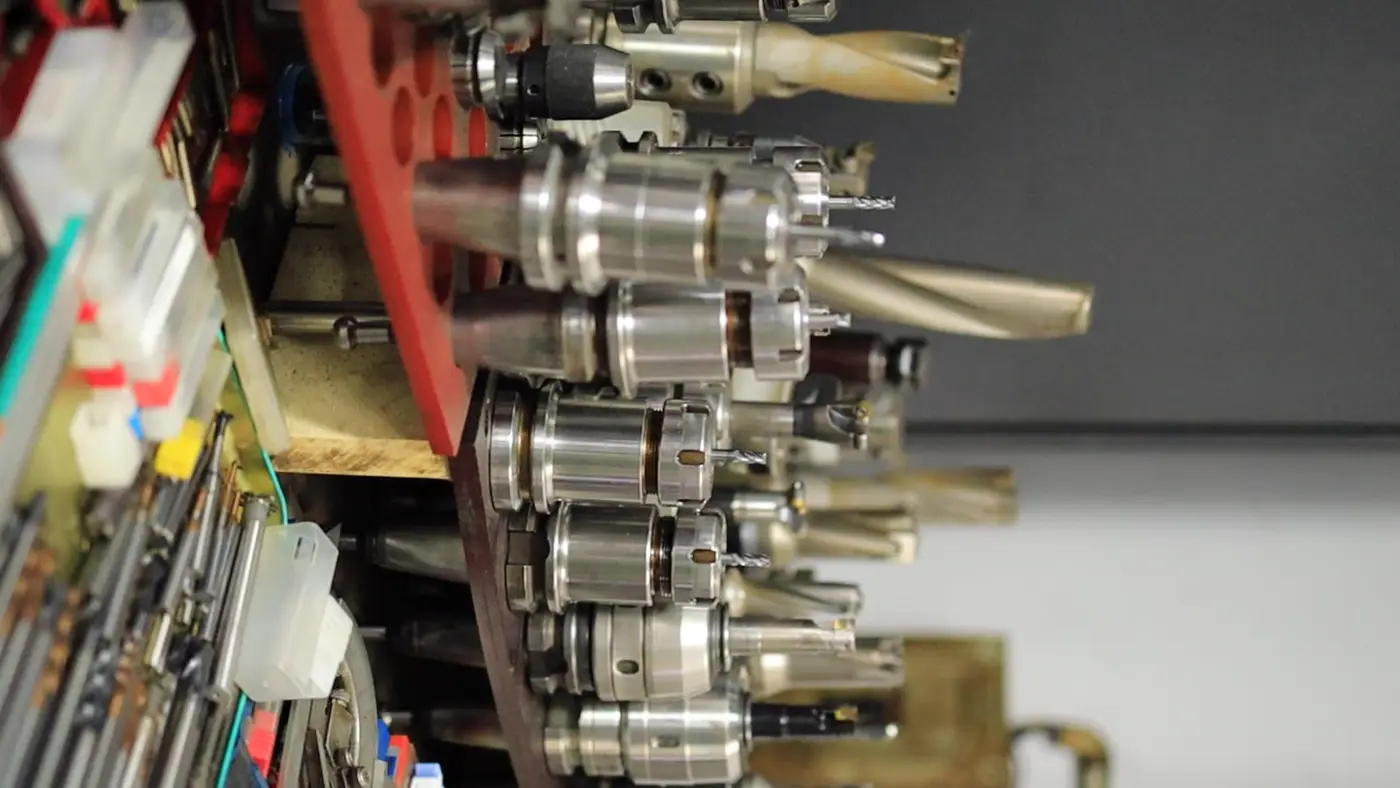
Metallic Tooling (Steel/Aluminum)
Advantages
| Advantage | Description |
|---|---|
| Extreme durability | Lasts 10,000+ cycles with minimal wear |
| Precision accuracy | ±0.01mm tolerance achievable |
| High-temperature resistance | Suitable for very hot applications |
| Consistent performance | No degradation over time |
| Automation compatible | Ideal for fully automated production lines |
Limitations
| Limitation | Description |
|---|---|
| Very high initial cost | $1,000-$5,000+ per mold set |
| Long lead time | 4-12 weeks for manufacturing |
| No flexibility | Cannot accommodate undercuts or flexible demolding |
| Heavy | Difficult to handle and store |
| Not FDA-specific | Material compliance depends on steel alloy |
| Design changes costly | Modifications require re-machining |
Best Applications
- Ultra-high-volume production (millions of units)
- Automated production lines
- Products requiring extreme precision
- Applications with very high temperatures
Total Cost of Ownership Analysis
Scenario: Producing 10,000 Gummies Per Week for 1 Year
| Material | Initial Cost | Replacement Frequency | Annual Cost | Annual Production Cycles | Cost Per Cycle |
|---|---|---|---|---|---|
| Plastic | $100 | Every 100 cycles (52 replacements) | $5,300 | 520,000 | $0.010 |
| Silicone | $350 | Once per year | $350 | 520,000 | $0.0007 |
| Metal | $2,500 | Every 10 years | $250 | 5,200,000 | $0.00005 |
Note: While metal has the lowest cost per cycle, the break-even point for silicone versus plastic is reached within the first few months of production. For most commercial operations, silicone offers the best balance of initial cost, performance, and total ownership cost.
When to Choose Each Material
Choose Silicone When:
- Production volume is 500+ pieces per week
- Product consistency and weight accuracy are critical
- You need custom shapes or regulatory symbols
- FDA compliance documentation is required
- You want the best balance of cost and performance
Choose Plastic When:
- Production volume is very low (<100 pieces per week)
- Budget is extremely constrained
- You're testing a product concept before committing to premium tooling
- Product quality requirements are minimal
Choose Metal When:
- Production volume exceeds 100,000 pieces per week
- Fully automated production lines are in place
- Extreme precision is required (±0.01mm)
- Initial investment budget is available
- Long-term production stability is guaranteed
Common Mistakes in Material Selection
Mistake 1: Choosing Plastic to Save Money
Cheap plastic molds fail quickly, producing inconsistent product and requiring frequent replacement. The total cost often exceeds silicone within the first few months.
Mistake 2: Assuming Metal Is Always Better
Metal tooling requires enormous upfront investment and long lead times. For most food producers, the economies of scale don't justify the cost.
Mistake 3: Not Considering Total Cost of Ownership
Focusing only on unit price ignores replacement frequency, product waste, and compliance risk. Always calculate cost per cycle.
FAQ
Q: Can I mix different mold materials in the same production? A: Yes, there's no technical restriction. However, we recommend using the same material type for consistency.
Q: Is silicone safe for food contact? A: Yes. Food-grade platinum silicone is inherently compliant with FDA 21 CFR 177.2600 and is safe for direct food contact.
Q: What's the most cost-effective material for a startup? A: For startups producing 500+ pieces per week, silicone offers the best value. For very low-volume testing, plastic may be acceptable.
Q: Can plastic molds be used for regulated products? A: Some food-grade plastics are food-contact path on request, but verifying compliance is more complex than with silicone. We recommend silicone for regulated applications.
*Published: 2026-08-12 | Category: Material Science | Read Time: 9 minutes*
Custom silicone development · DFM & prototype support
CAD, drawing, photos or sample details