
RTV Mold Temperature: Dump Heat vs Oven Use | RUUIPON
RTV heat limits are dump peak, not a baking-carton °C. Exotherm, isomalt, and oven trays are different RFQs. MOQ 20, $50 CAD when that scope applies.
 Kyler Yang · Founder7 min read
Temperature on an RTV mold is usually dump peak, not a baking-carton number. Resin exotherm, hot wax, isomalt, and a 180 °C kitchen oven are four different RFQs. A platinum cavity that peels chocolate at room temp can still scorch, oil, or curl if you treat it like a steel baking pan. an HTV product or mold RFQ here, or ask us if you need a high-volume LSR cold-runner tool’s baking-mold heat page is a food-tray oven story. This page is the RTV tool: what the pour does to the rubber, and when we would not run the dump.
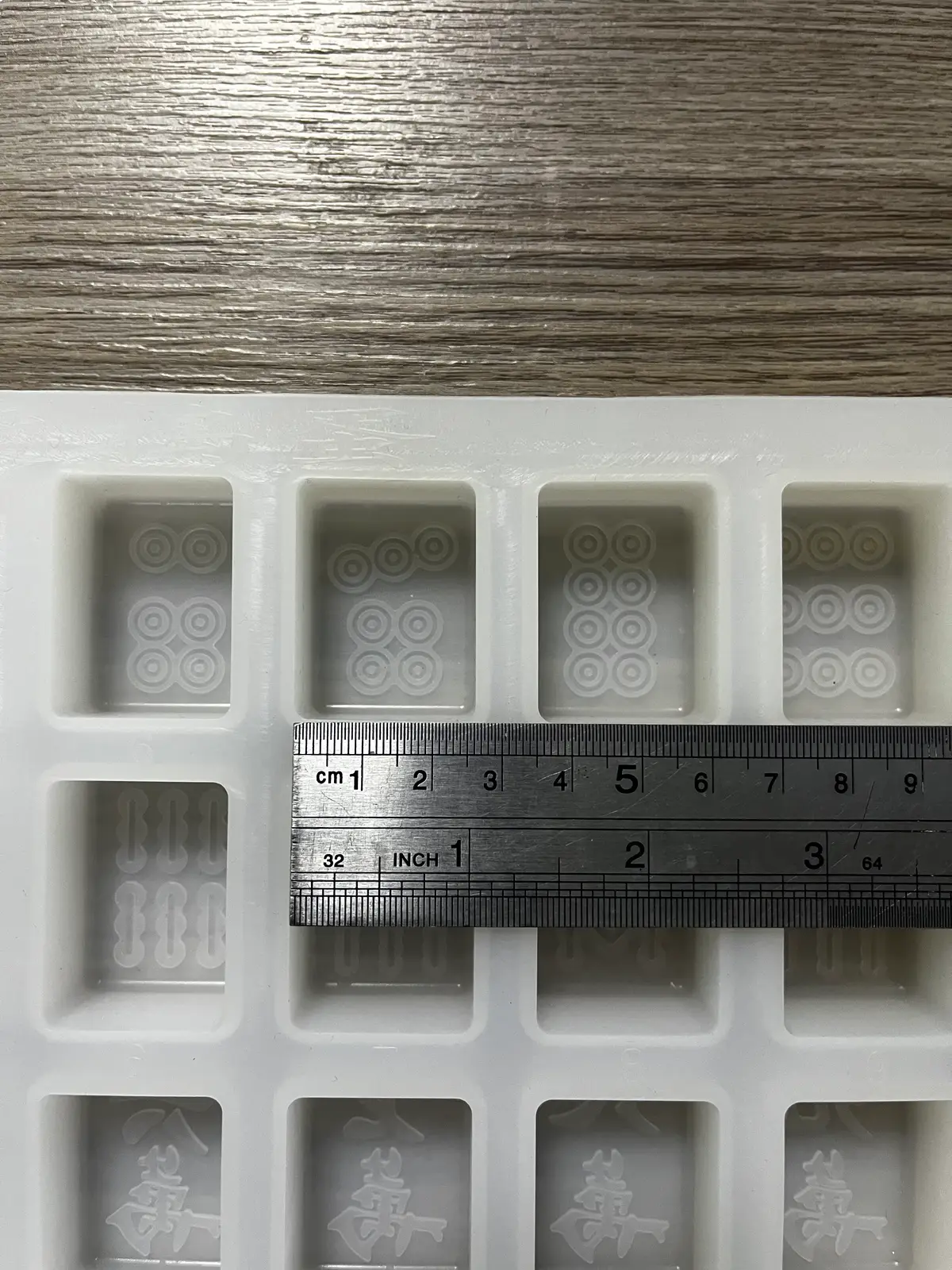
RUUIPON names peak °C on the traveler in Bao'an / Shajing since 2018. Prototype 3–7 business days after CAD lock. Production MOQ 20 pieces per design. Simple 3D is USD $50 when that CAD scope applies. Mix 1:1 or 10:1 by weight; platinum shrink about 0.1–0.3% after full cure. Heated LSR cavities are a parts plant.
Does not apply when you need a foundry flask for aluminum. It also does not apply when you only need a home-oven brownie pan story without a named dump — that is a different site intent.
Dump peak vs oven rating: do not steal the carton number
What actually happens when heat is wrong:
- Green rubber + hot dump. You peeled at demold, then poured hot PU. The lip tears. Wait full cure.
- Exotherm in a thick resin section. The dump cooks the face even if the kettle was mild. Name section thickness.
- Oven as a dryer for a craft mold. Soft skins curl; outer-row sag 0.5–1.5 mm if you skipped the jacket.
- Copying a 300 °C competitor hang-tag. We would not. We would not invent a lab curve either.
Baking food trays can have an oven band as a *use* spec on a documented platinum article. That still is not a license to pour isomalt into a chocolate bar tool, or to put a resin glove in a kitchen oven to "finish the cure" without a written plan.
- Oven bake of food? - yes -> Food tray RFQ + article docs
- Oven bake of food? - no -> Resin / wax / isomalt / concrete?
- Resin / wax / isomalt / concrete? -> Dump-peak RTV RFQ
- Dump-peak RTV RFQ -> Peak inside the drum TDS?
- Peak inside the drum TDS? - no -> We would not run it
- Peak inside the drum TDS? - yes -> Full cure first; jacket if sag
The photo that would prove a heat call: a thermocouple note on the traveler next to the dump name, and a curled tray that sat on an oven rack it was not specced for. We are not attaching a staged lot.
Freezer flex is a third question (ice/popsicle). Do not file it as "temperature resistance" next to isomalt.
A thermocouple in the kettle is not a thermocouple in the cavity. Thick PU in a closed split can peak higher than the bucket. If the buyer only has kettle °C, we treat it as a minimum and ask for section mm. Thin chocolate in an open-back tray at 32 °C is not that problem.
Do not use a heat gun on a stuck dump to "help release." You locally over-temp the lip, then tear it, then the next dump flashes. Cool, flex, and look at structure (split/plug) if it is a lock.
Food ovens still want the article pack. A high dump peak does not replace 177.2600. A high oven band does not make a resin glove food-contact. ISO 3302-1 M2 is a size class, not a °C class.
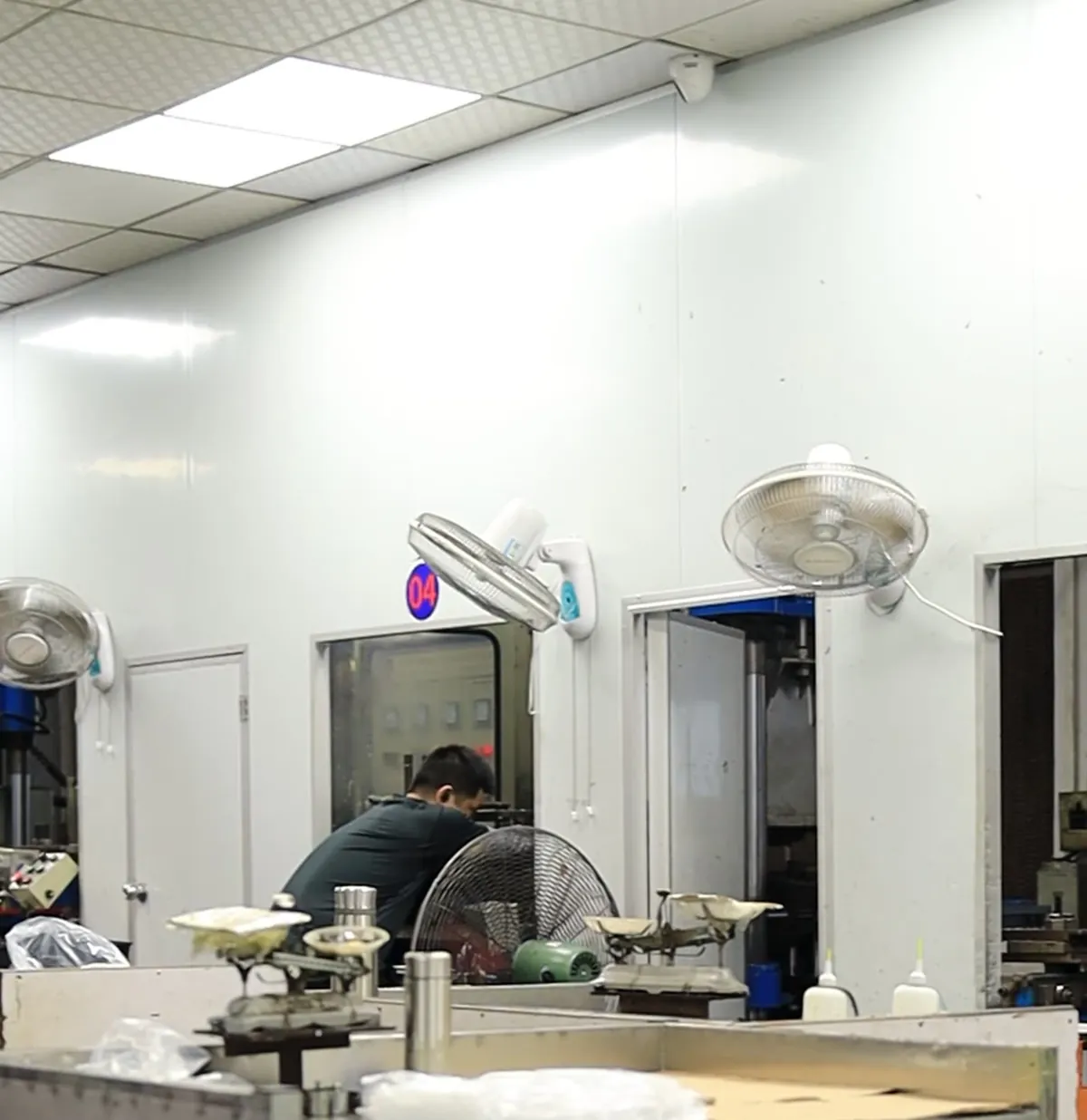
What heat actually does to an RTV cavity
Soft 10A–20A skins survive peel and lose beam as they warm. Jackets hold span. Abrasive hot concrete is cycle life plus heat. Tin leftover odor gets worse when you warm a tin tool. Platinum is the library default if you will recast.
We would not copy a baking-mold 230 °C line onto a PU figurine glove. Different dump, different page.
Witness dump at the named peak, then inspect
Witness dump at the named peak, then inspect tack, oil, curl, tear, size vs the 0.1–0.3% band. Empty table headers we would fill on your PO: dump name, kettle °C, section mm, cavity Shore, jacket yes/no, result (pass/fail). We are not pasting fake numbers in those rows.
Shop numbers around heat
Reference values only. Confirm material-specific limits against the supplier’s technical data and agree project acceptance criteria before production.
| Item | Typical shop value |
|---|---|
| Mix / shrink | 1:1 or 10:1; platinum about 0.1–0.3% |
| Sag without jacket | about 0.5–1.5 mm |
| Prototype | 3–7 business days after CAD lock |
| Production MOQ | 20 pieces per design |
| Simple 3D | USD $50 when that CAD scope applies |
| Drawing class | ISO 3302-1 M2 as a common default |
Heat we would not spec
We would not recommend a kitchen oven as a post-cure for a green resin glove.
We would not recommend copying a competitor’s 300 °C.
We would not recommend isomalt in a chocolate RTV without a high-temp dump conversation.
We would not recommend tin for a hot food path.
A tooling charge is not unrestricted ownership of a temperature claim you can print on Amazon. If retail wants a number on the carton, it has to be the dump you run and the drum TDS, not a copied competitor.
Concrete in sun on a black jacket is another quiet peak. We ask whether the dump is shade or yard. A platinum skin that was fine in the shop can oil in a hot yard. Jacket color and shade are RFQ fields on mineral work.
Isomalt and hard candy are closer to baking than to chocolate. Do not reuse a gummy tray. Related food routing still belongs on the food site when it is a different RFQ - ask us baking SKU; this page stays dump-peak on the RTV tool.
Worked example: PU bust quoted from a baking carton °C
PU bust, kettle 25 °C, thick section, buyer used a baking-tray 220 °C as the RFQ heat. First dumps cooked a 15A face. We kept platinum 15A, asked for section mm and peak, added jacket, waited full cure. Prototype 3–7 business days after CAD lock. $50 3D did not apply. MOQ 20 per design. Related: figurine molds.
Mix-up: using a baking-mold °C as a resin-exotherm spec
Carton oven ratings and dump peaks are different instruments. The other mix-up is treating freezer and oven as one "temperature resistance" checkbox.
Questions that name the peak
- Dump name, kettle °C, and section thickness?
- Food oven, or craft dump?
- Full cure before the hot dump?
- Jacket yes/no?
- Who owns the claim on the carton?
Related: what you can cast, contact, pot life vs demold.
RFQ copy-pack — dump peak
Paste into [email protected]:
Object: RTV mold I pour into, not an LSR/HCR part Dump name, kettle °C, section thickness mm Food oven use? (separate from dump peak) Jacket: yes/no File: STEP / STL / photos with a millimetre scale CAD: mold-ready STEP OR USD $50 3D if that scope applies Prototype 3–7 business days after CAD lock, then MOQ 20 per design Do not paste a competitor carton °C as the spec
Send peak and dump name. We will not invent a 300 °C — not a blank "free quote." Phone +86 135 3006 2969. Licheng Technology Industry Park, Xinhe Blvd, Shajing, Bao'an. Shop since 2018.
FAQ
Can I put my resin RTV mold in a kitchen oven? We would not use a food oven as a craft post-cure without a written plan. Wait full cure on the bench first.
Is baking-tray heat the same as PU exotherm? No. Name both if you somehow have both — usually you want two tools.
Will platinum handle isomalt? Only if the dump peak and the grade match. Do not assume from a chocolate RFQ.
Does shrink change with a hot dump? The 0.1–0.3% band is after full cure of the rubber. Hot dumps can distort a green or unsupported skin on top of that.
If I pay tooling, can I print 300 °C on the box? A tooling charge is not a temperature certificate. Write the dump peak you actually run.
Custom silicone development · DFM & prototype support
CAD, drawing, photos or sample details