
What Tooling Means for a Custom RTV Silicone Mold
For a custom RTV mold, tooling is the pattern, often a flip, the resin production mother, batch RTV, and a support shell - not an LSR cold-runner.
 Kyler Yang · Founder9 min read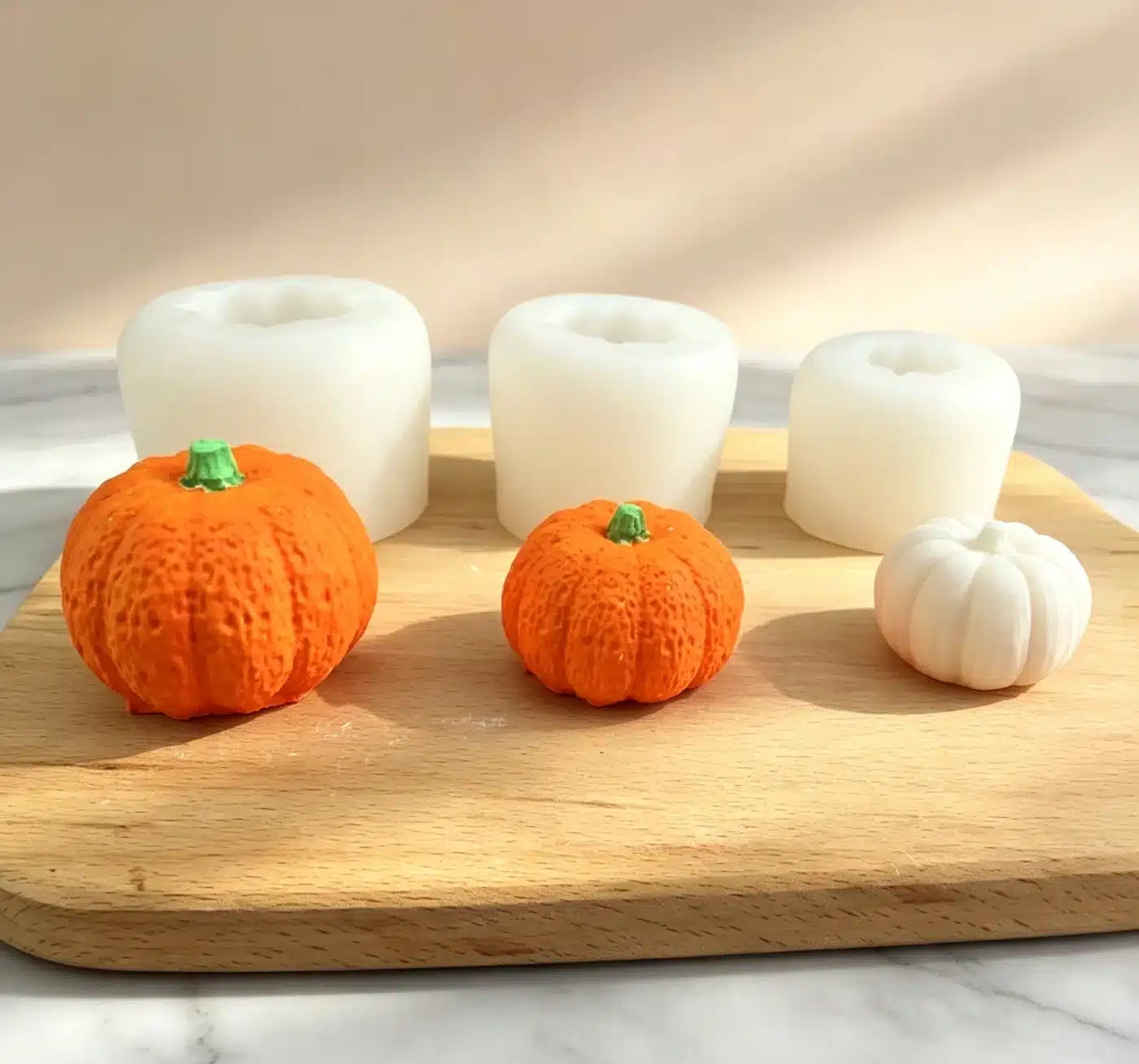
If you are ordering a custom RTV silicone mold, tooling usually does not mean a steel LSR injection mold. It means the hardware that lets a shop pour platinum or tin rubber against a living resin production mother and pull a usable cavity. If the PDF in your inbox is full of cold-runners, valve gates, and heated manifolds, you are looking at molded silicone parts, not a custom RTV mold.
On this site the path is photos, sketch, or CAD, then a 3D-printed pattern, often a temporary silicone flip, a resin production mother, then batch RTV. The mother is not the pattern. Free DFM. HTV/HCR compression mold tooling is also quoted on RUUIPON.
The object on this page
A custom RTV job typically includes some mix of: a 3D-printed pattern (from photos, sketch, or CAD); often a temporary silicone flip; a resin production mother (the hard production tool - not the pattern); batch RTV (platinum or tin cavity you dump into); a split or inner core when the pocket will not peel; and a jacket / mother-mold support shell so Shore 10A-20A rubber does not balloon. If your email still says "master, box, keys, jacket" as the buy, you are listing shop furniture, not the object.
The pattern's finish, after wash / UV / barrier when the print would inhibit platinum, starts the face. The flip is not the product. The mother is the tool we pour batch RTV against. Soft RTV without a support shell slumps. For undercut-heavy food or gummy tools, the usual stack is a thin, high-tear skin against the mother and a stiff shell behind it.
Write on the PO who owns the living mother, who owns the support shell, whether a recast of the RTV skin is included after wear or a logo change, and storage. Paying a tooling charge does not, by itself, give unrestricted transfer rights. A replacement RTV cavity is a recast against the same mother, provided the mother still exists and has not been sanded to clean it up.
Common mix-up
A brand wants a 12-cavity bear, 18 mm tall, food-contact, about 2,000 dumps a month. The RTV route is the locked path, a keyed two-piece platinum cavity, a support shell, maybe a second recast in the price. The production-part route quotes heated steel and a cold-runner. That quote will not dump pectin. Both PDFs can say mold cost. Ask which object ships. Catalog copy that says cut a resin master skips the pattern-vs-mother split. We will not quote that sentence.
Typical shop values
Reference values only. Confirm material-specific limits against the supplier’s technical data and agree project acceptance criteria before production.
| Item | Typical shop value |
|---|---|
| Path | Photos / sketch / CAD, 3D-printed pattern, often a flip, resin production mother, batch RTV |
| Cavity Shore | 10A-20A platinum RTV, jacket / mother-mold support shell behind it |
| Mix | Platinum 1:1 or 10:1 by grade; vacuum degas until the foam collapses |
| Linear shrink | About 0.1-0.3% (platinum); tin keeps moving in storage |
| Monthly dumps on a 12-cavity tray | About 2,000 is a common first production band |
| Outer-row vs 4.0 g target if tray sags | Center about 4.0 g; edge often 3-6% heavy |
| Loaded-tray edge sag | About 0.5-1.5 mm on an unsupported large food tray |
| DFM / CAD / proto / MOQ | Free DFM; USD 50 when we edit 3D; 3-7 days after CAD lock; 20 pcs/design |
Worked example
Same 12-cavity 18 mm bear. Free DFM named a two-part platinum skin plus a support shell so Shore 10A-20A rubber would not balloon. After CAD lock: pattern, often a flip, resin production mother, batch RTV. A later logo change is a recast against the living mother if nobody sanded the face. A parallel PDF quoted heaters and a cold-runner. That was a molded silicone part. If they had asked for the steel/compression tool itself, that HTV/HCR mold RFQ would have stayed on RUUIPON.
Stay on this page / skip this page
Stay when you need the noun defined before you compare prices: what tooling means on a custom RTV PO.
Skip if you already know the shop sequence - go to how molds are made. Skip if the carton is vulcanized parts - a different RFQ - ask us. Skip if you only needed a catalog ice sheet. An HTV/HCR compression mold stays on a RUUIPON RFQ.
We will not quote a one-piece glove for a bail, a letter with negative draft, or a two-sided logo. We will not raise Shore A first to make a floppy cavity stand up - add the support shell. We will not cut an LSR steel tool so we can scale later while you still dump pectin. We will not cut a resin master as the written shop path.
Related: custom RTV molds, gummy trays, food-grade molds, contact.
What to send
- Object: poured RTV cavity, HTV/HCR compression tool, or finished part
- Photos, sketch, or CAD; who keeps the living mother after the job
- One-piece vs split; photos of undercuts, bails, two-sided logos
- Casting material and working temperature
- Cavity count, first lot, monthly dumps
- Food-contact path if needed: 21 CFR 177.2600 and/or LFGB sections 30/31 - not a logo that says FDA approved
Send the pocket STEP or sample photos to [email protected] or contact.
- Silicone is the cavity? - yes, pocket is yours -> Custom RTV: pattern, often flip, resin mother, batch RTV
- Silicone is the cavity? - no, I need the compression tool -> RUUIPON HTV/HCR mold RFQ
- Silicone is the cavity? - no, silicone is the article -> an HTV product or mold RFQ here, or ask us if you need a high-volume LSR cold-runner tool: finished parts
- Custom RTV: pattern, often flip, resin mother, batch RTV -> Name living mother + support shell on the PO
FAQ
Is RTV mold tooling the same as LSR injection tooling? No. RTV tooling is pattern, often a flip, resin production mother, batch RTV, plus a support shell when the skin is soft. LSR injection tooling is heated steel or aluminum with gates and usually a cold-runner. They do not run on the same press.
Do I need a jacket / mother-mold support shell with soft RTV? For anything but a tiny, shallow tray, yes. The shell is how a 10A-20A cavity holds size during the pour.
Who owns the living mother if I paid for the mold? Only if the PO says so. Shops often keep a copy for recasts. If you need exclusive custody, write it down and ask for the file and the physical mother. The mother is not the 3D-printed pattern.
Can you recast a worn gummy or chocolate mold? If the living mother and support shell still register, a new RTV skin is the normal repair. If the mother was sanded or lost, you are back to pattern, often a flip, new mother.
Why did my quote include cold-runner and heaters? That is an LSR or HCR part tool. Ask for a custom RTV mold if what you need is a cavity to cast food, wax, or resin.
Custom silicone development · DFM & prototype support
CAD, drawing, photos or sample details