
Cold Runner vs. Hot Runner Systems in Liquid Silicone Rubber (LSR) Injection
LSR cures with heat. Cold runners keep the feed cool while the cavity vulcanizes. Copying thermoplastic hot-runner logic wastes compound and seizes nozzles
 Kyler Yang · Founder8 min read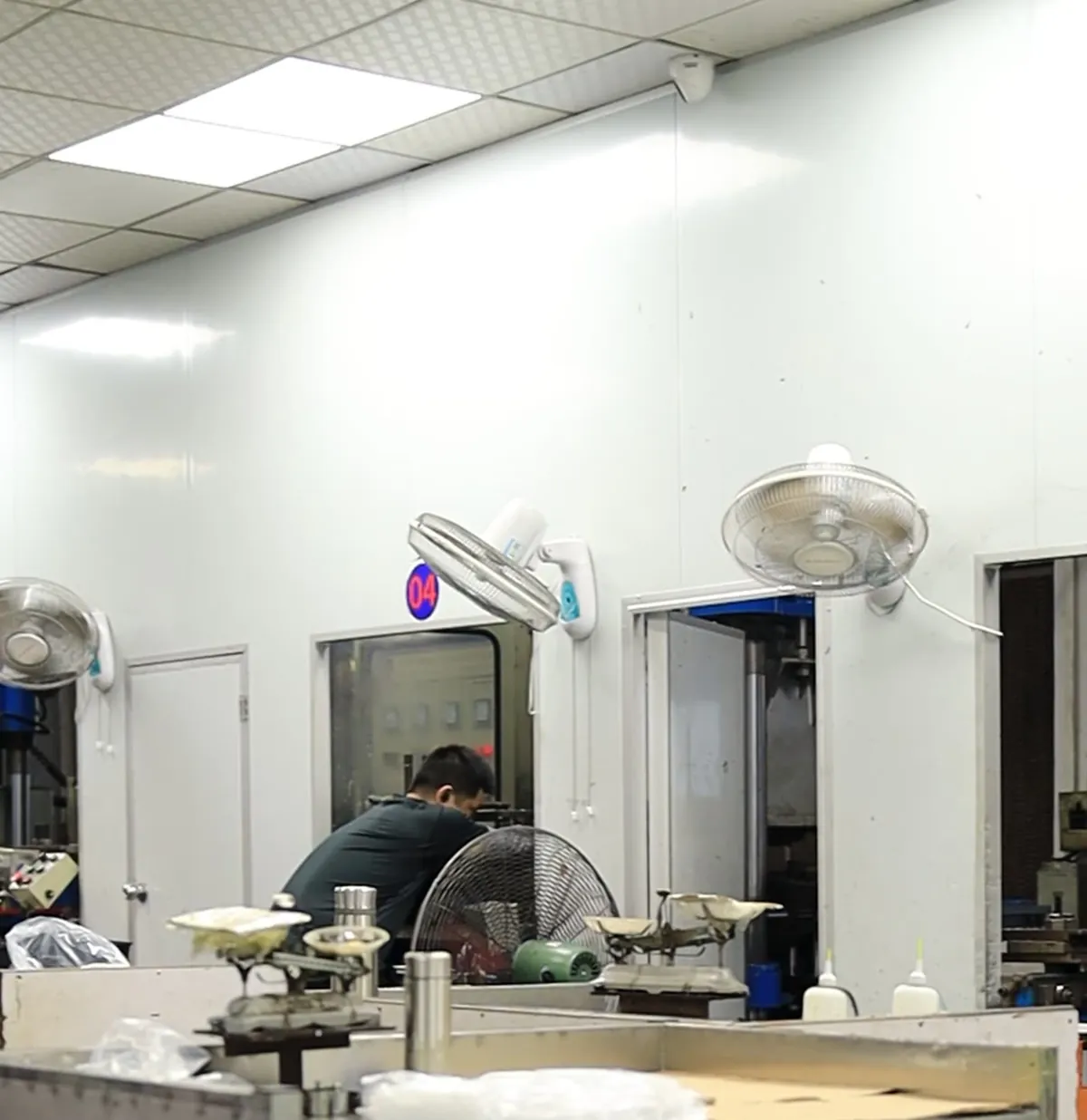
LSR does not use a hot runner the way polypropylene does. The chemistry is inverted.
Liquid silicone rubber is a two-part, platinum-catalyzed thermoset. It is a pumpable liquid at room temperature. Heat in the cavity (typically about 160-200 °C) starts vulcanization, and once the network is built the shot cannot be melted again. A thermoplastic hot runner exists to keep plastic molten until it reaches a cooled cavity. An LSR cold runner exists to keep silicone *uncured* until it reaches a *hot* cavity. If you copy hot-runner folklore onto an LSR RFQ, you buy a manifold that scorches, a nozzle that packs with rubber, and a scrap bin full of cured sprues you thought you had designed out.
The comparison is not “which runner is more modern.” It is which thermal job the delivery system is doing.
What a thermoplastic hot runner is actually for
In plastic injection, the barrel and manifold stay hot. The mold is cooled so the part freezes. A hot runner (hot sprue, hot drops, valve gates) keeps the melt liquid between shots so you do not throw away a cold runner tree. That is a good idea for PP, PC, ABS, and most engineering resins.
None of that maps to LSR.
LSR in the barrel is already liquid. Heat is the enemy of the feed and the friend of the cavity. A manifold that is hot by plastic standards will start crosslinking in the channel. The first symptom is a rising injection pressure. The second is a blocked drop. The third is a teardown of a cold deck someone specified as a “hot runner” because that is the phrase their last plastic tool used.
What an LSR cold runner (cold deck) actually does
A production LSR tool splits the mold into two thermal zones:
- Cold side: sprue, manifold, drops, and nozzle tips held roughly in the 20-50 °C band with circulating water (sometimes oil). The mixed A/B compound stays liquid. What sits in the runner is the next shot, not scrap.
- Hot side: cavity and core plates heated with cartridges, heater plates, or circulating hot fluid so the rubber vulcanizes in seconds to a couple of minutes, depending on thickness and grade.
The hard engineering is the *interface*. Heat wants to conduct from the cavity into the nozzle. If it wins, the tip skins over. Common countermeasures, none of which are optional folklore:
- Water jackets that actually reach the tip, not only the manifold block.
- A thermal break (air gap, insulation plate, or designed pull-back of the nozzle after injection) so the hot land is not sitting on a cold drop for the whole cure.
- Valve gates (needle shutoffs) that close the orifice after fill so uncured LSR does not drool into a 180 °C hole and cook into a plug.
- Pitch that was calculated at *operating* temperature. Steel grows. A cold-deck layout dimensioned at 20 °C will not sit on a 180 °C cavity pitch unless the designer offset it. Husky and other cold-deck makers are explicit about this; ignore it and gates walk off center as the tool heats.
Valve-gated cold runners are the usual high-volume answer because they support robotic demold, no sprue picker, and almost no cured waste in the feed. Open-tip cold runners exist: a small cured plug forms at the tip and is pushed into the next shot. They cost less and leave a vestige or a scrap bit. They are not “hot runners.”
Open sprue, waste cold runner, and the honest prototype
Not every LSR tool deserves a valve-gated deck.
A hot sprue / open cold sprue (a simple sprue into the cavity or a small cold runner tree that cures and is clipped) is still a legitimate prototype and low-cavity method. You throw away compound every cycle. For a 2-cavity medical valve at 50,000 lifetime shots, that waste can exceed the deck cost. For a 1-cavity aluminum tryout, it is cheaper than a six-drop manifold you will recut anyway.
Do not call that sprue a hot runner. It is a waste runner that happens to sit in a hot tool. The rubber in it cures. You cannot regrind LSR sprues back into the shot the way you regrind PP.
HCR (millable, high-consistency rubber) compression and transfer are a third family. They do not use LSR cold decks. Transfer pots and sprues cure. Mixing those three process maps in one RFQ is how a quote comes back with the wrong press.
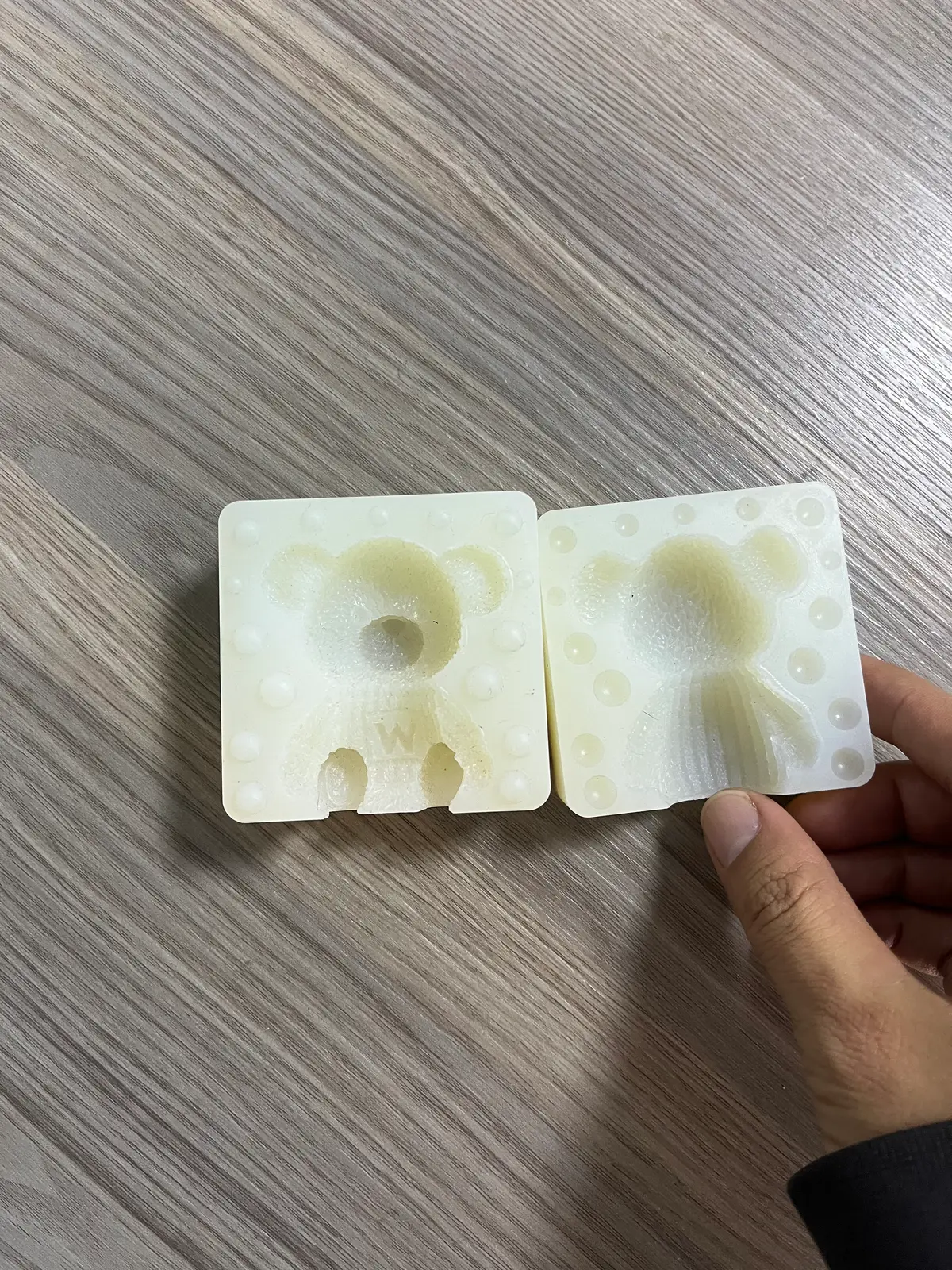
Balance, flash, and why the deck is a process tool
LSR viscosity is low. It will fill a 4-cavity family through a slightly unbalanced runner and then flash the easy cavities while the hard one shorts. Thermoplastic hot-runner balance can be tuned thermally (warm a drop, cool another). A cold deck is mechanically balanced: orifice, land, needle stroke, and channel diameter. Thermal tweaks on the *cavity* heaters are for cure, not for hiding a bad runner.
Flash is not a runner-type personality trait. LSR will leak through on the order of 0.005 mm at the parting line regardless of deck brand. What the runner *does* change:
- Valve gates cut the vestige and keep the gate land from packing extra pressure after fill.
- Overpacking through an open sprue to “make sure it filled” is a classic flash maker.
- A cold runner that is too warm raises viscosity locally as scorch starts, then the operator raises pressure, then you flash.
If you ignore thermal isolation at the tip, the defect is a cured stringer in the gate and a short on the next shot.
Language to kill on the RFQ
Write the hardware, not a plastic metaphor:
- Process: LSR injection, not “silicone hot-runner mold.”
- Feed: valve-gated cold runner / cold deck, open-tip cold runner, or cured sprue.
- Cavity heat method and setpoint band.
- Whether drops are direct on the part or onto a small sub-runner.
- Number of cavities and whether family cavities share a drop.
- Insulation / nozzle separation method.
If a vendor answers “we use hot runners like our PC tools,” they have not built an LSR tool. Ask for the water circuit on the deck and the heater map on the cavity. Those two drawings tell you which process they actually run.
RTV (tin or platinum, room-temperature) mold making does not belong in this comparison. There is no cold deck in a poured jacket. Two-shot LSR-over-plastic cells still use a cold deck on the silicone half and a conventional hot runner on the thermoplastic half. That machine is two thermal philosophies bolted to one rotary table. Specify both.
FAQ
Does LSR ever use a true thermoplastic-style hot runner?
No. A manifold that is hot enough to keep plastic molten will start to vulcanize LSR in the channel. Production LSR uses a water-cooled cold runner or cold deck feeding a heated cavity. If a quote says “hot runner LSR,” ask whether they mean a cold deck with a hot cavity, or whether they are copying plastic terminology.
When is a cured sprue acceptable instead of a valve-gated cold runner?
On single-cavity or low-cavity tryout tools, short programs, and parts where a gate vestige on a runner is cheaper than a deck. Count the compound you will throw away over the tool’s life against the manifold cost. At high cavity counts and automated cells, the deck usually wins on waste, vestige, and robot-friendly gates.
Why do cold-deck nozzles pull back or sit behind an insulation gap?
To stop cavity heat from conducting into the drop. If the tip stays hard against a 180 °C land, the LSR skins in the orifice. Pull-back, an air gap, or a designed thermal break keeps the next shot liquid. Skipping it shows up as rising fill pressure and stringing at the gate.
Can I balance an LSR family mold by changing cavity heater setpoints?
Not as a substitute for mechanical runner balance. Heater zones control cure rate, not fill the way a plastic hot runner can. Orifice size, land length, and needle stroke balance the shot. Using heat to starve a flashy cavity usually under-cures or over-cures that cavity instead.
Is a two-shot PC/ABS plus LSR tool a hot runner or a cold runner?
Both. The thermoplastic first shot uses a conventional hot runner into a cooled plastic cavity. The LSR second shot uses a cold deck into a heated silicone cavity. Rotary or index tools must isolate those two temperature maps so the plastic insert is not melted by the LSR heat, and the LSR drop is not cooked by the plastic half.
Ready to order custom silicone molds?
Free quote for OEM/ODM projects. MOQ 20 · Prototype 3-7 days · FDA/LFGB available.