
Food-Safe Colorant Bleeding in RTV Molds | RUUIPON
Color in the food is pigment bleed or wash film, not a food-grade color. Platinum path, 21 CFR 177.2600 on the article, and what to send for a recast.
 Kyler Yang · Founder7 min read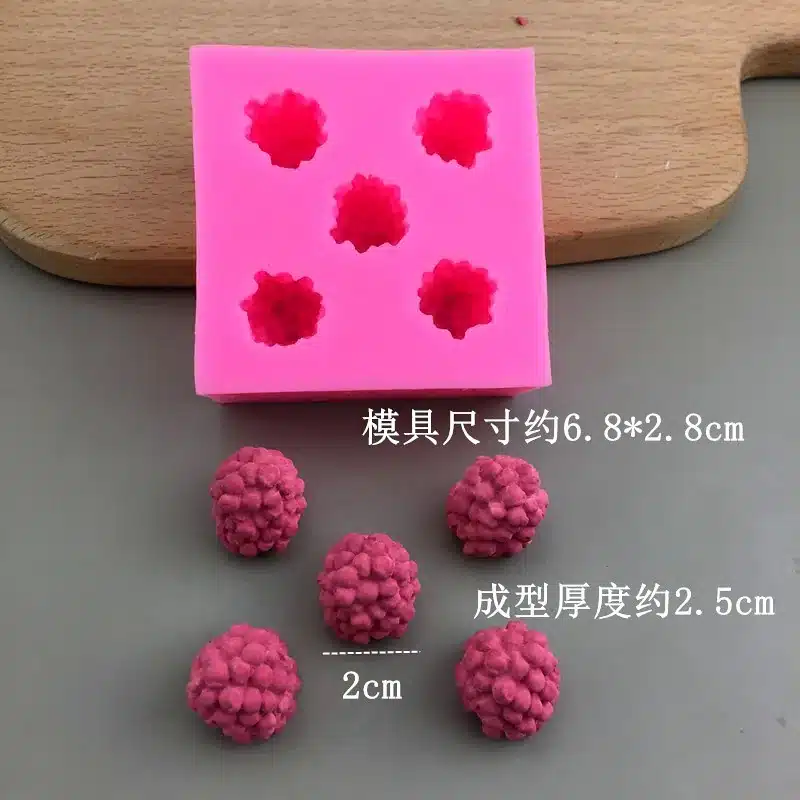
If your gummy, chocolate, or ice pick-up is the same color as the tray, you do not have a "fun colored food-grade mold." You have pigment leaving the cavity face, a wash film, or an under-cured skin. Food-contact on this site is a path: platinum RTV, a fully cured face, wash and dry before the first pour, and — when the market needs it — extraction testing on the finished article under FDA 21 CFR 177.2600 and/or an LFGB / BfR pack. A pastel cavity is not that path. Color in the rubber is a processing choice that can fail by bleeding.
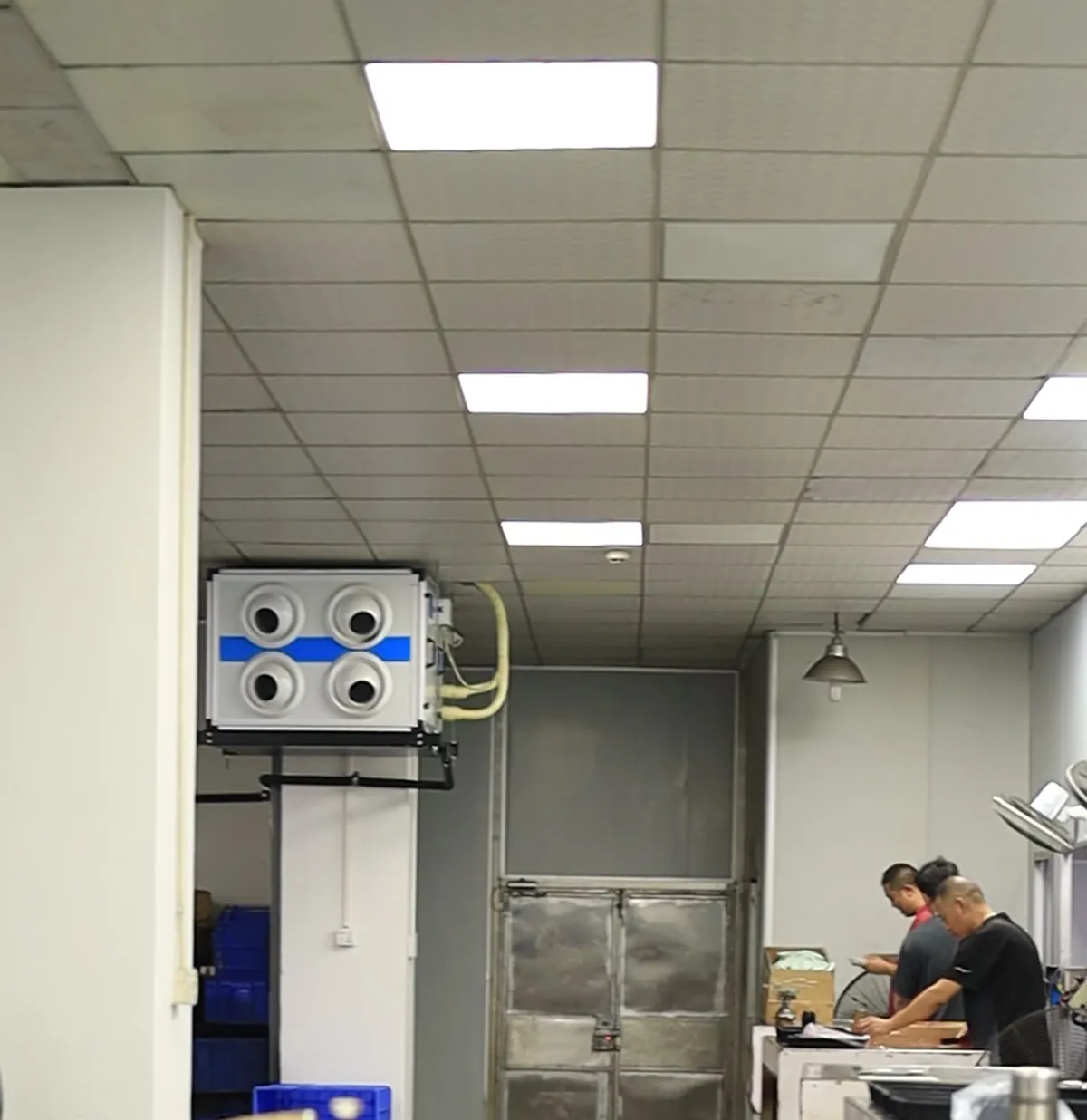
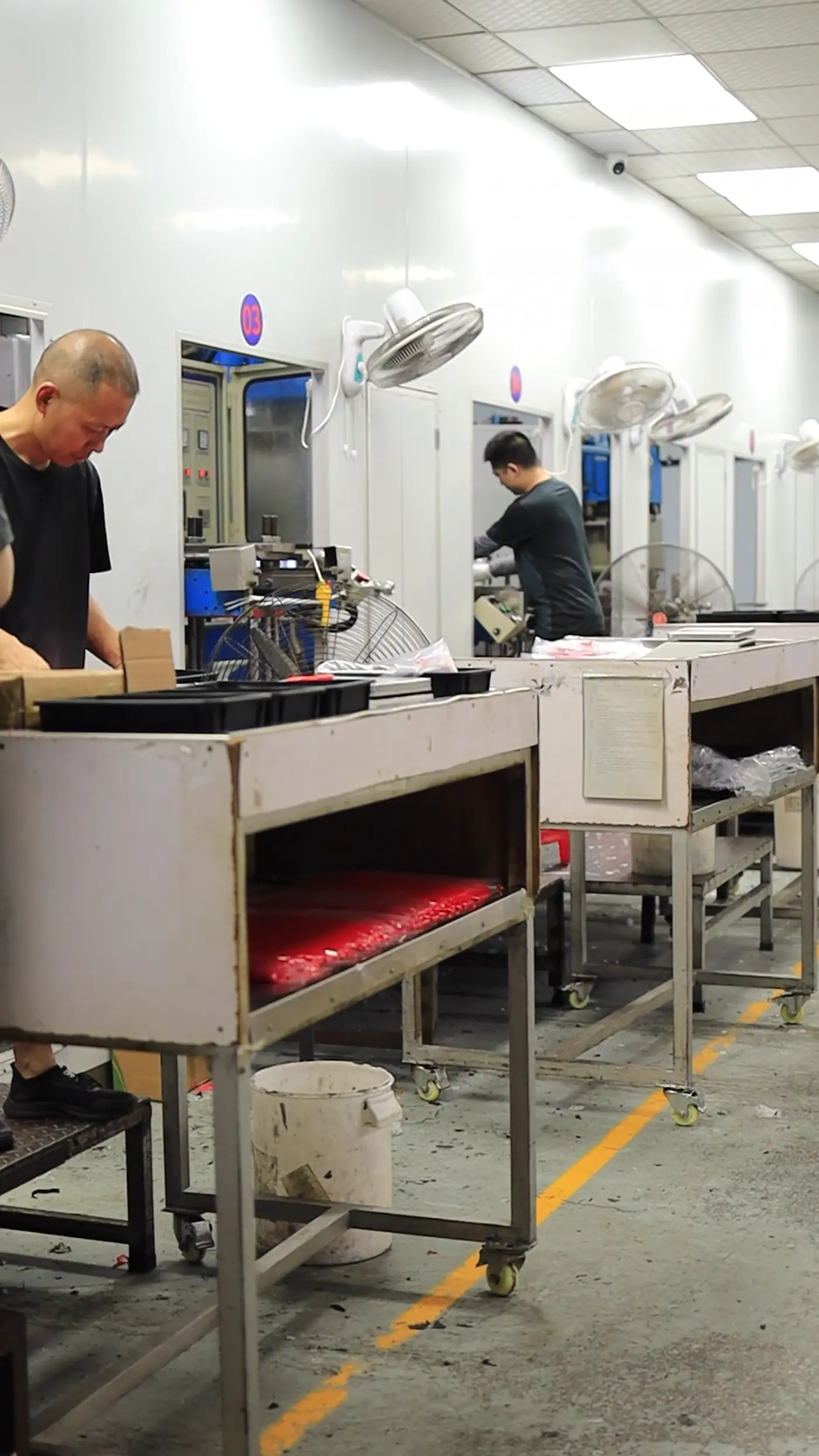
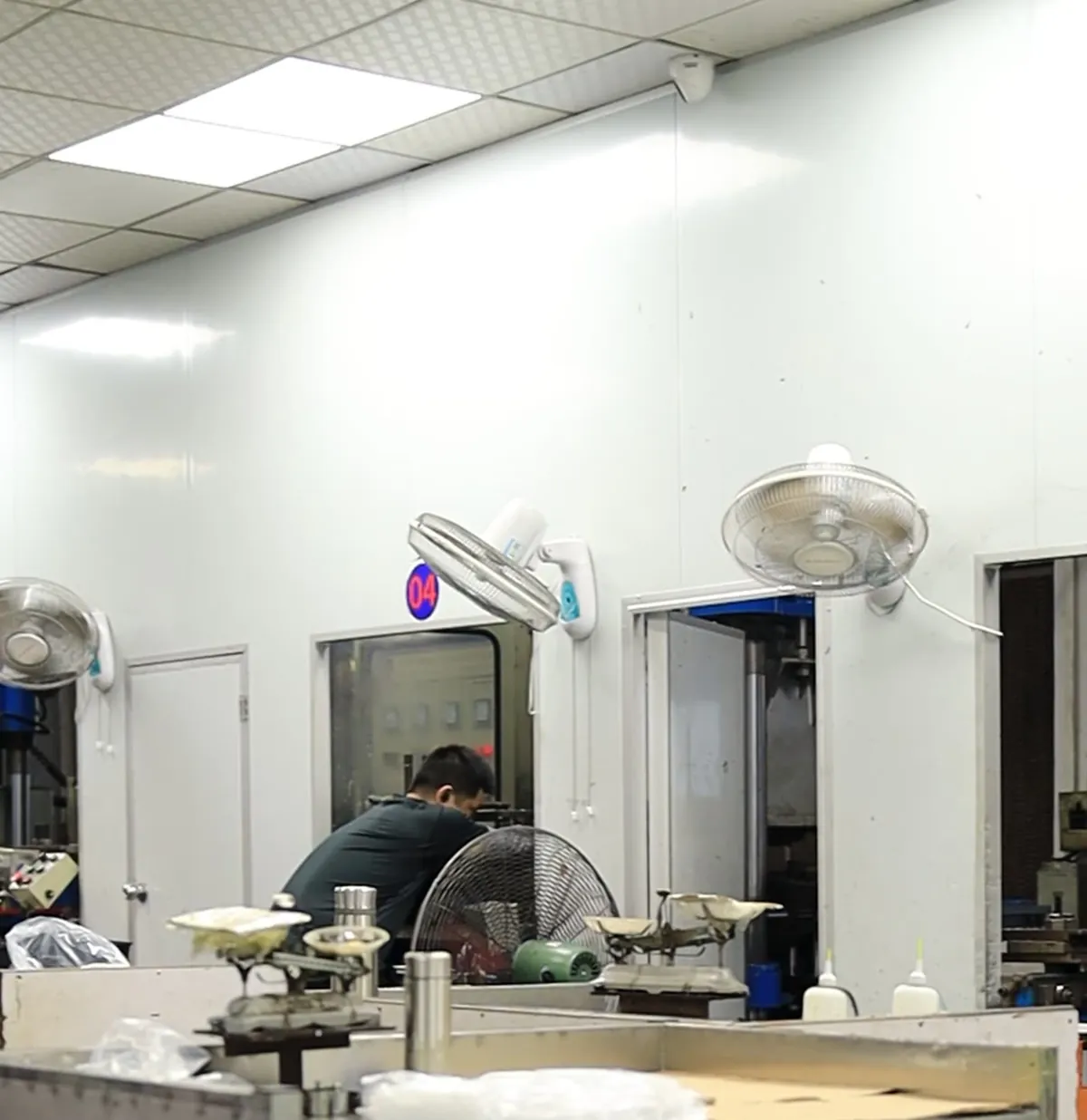
RUUIPON pours food-contact *molds* (the tool you dump into) in Bao'an since 2018, not FDA-stamped factory folklore. Prototype 3–7 business days after CAD lock. Production MOQ 20 pieces per design. Simple 3D is USD $50 when that CAD scope applies. This article is the bleed failure, not a color-matching catalog.
Does not apply when the color is in the *dump* (you tinted the gummy or the chocolate) and the cavity is unpigmented platinum — that is recipe, not mold bleed. It also does not apply to craft resin dyes in a non-food tool; those stains are a different cleanup. Molded silicone *kitchenware* (the spatula itself) is a parts quote here.
Symptom → cause → confirm → fix
First pour leaves a tint on a pale gummy or white chocolate; later pours fade. Cause: unbound or overloaded pigment in the cavity rubber, or a tin leftover smell/oil that carries color. Confirm: wipe the cavity with a clean, damp white cloth after a normal wash. If the cloth picks up hue, the face is shedding. If the cloth is clean and the food is still tinted, look at your dump colorant. Fix: do not oil the tray to "seal" it. That is a documentation problem. Recast in unpigmented or a food-path pigment system, platinum, fully cured. Scrap the bleeding tool for food.
Tint only after the shop dishwasher. Cause: detergent film holding pigment, or a face that was never fully rinsed. Confirm: wash by hand, rinse until the water sheets, dry cavity-up until matte. Repeat the white-cloth wipe. Fix: hand-wash spec on the next PO if the commercial dishwasher is leaving film. See also dishwasher vs mold life.
Sticky face plus color transfer, jacket back is fully cured. Cause: inhibition on the master (some SLA, sulfur clay, latex), not "cheap color." The under-cured skin sheds. Confirm: tacky cavity face, dry jacket. Fix: remake from a sealed master. Do not food-pour a tacky cavity.
No color on the cloth, but a smell in the first chocolate. Cause: more often tin leftover or incomplete platinum cure than pigment. Confirm: chemistry on the PO (platinum vs tin). Fix: we would not spec tin for a food cavity. Recast platinum.
Typical shop values
Reference values only. Confirm material-specific limits against the supplier’s technical data and agree project acceptance criteria before production.
| Item | Typical shop value |
|---|---|
| Food-cavity chemistry | Platinum RTV; we would not spec tin |
| Mix | 1:1 or 10:1 by grade, vacuum degas |
| Cavity Shore (food trays) | 20A–40A common; 10A–20A when peel needs it |
| Shrink (platinum) | about 0.1–0.3% |
| Color in the rubber | Optional; unpigmented is the low-bleed default |
| Food path | 21 CFR 177.2600 extraction on the *article*; LFGB/BfR separate |
| First use | Wash, dry matte; post-cure if the grade's food path says so |
| Prototype | 3–7 business days after CAD lock |
| Production MOQ | 20 pieces per design |
| Simple 3D | USD $50 when that CAD scope applies |
We would not recommend
We would not recommend craft resin dye, oil paint, or "mica in the mix" as a food-mold colorant. Those are craft materials. They bleed and they blow the document pack.
We would not recommend treating a pastel tray as FDA 21 CFR 177.2600 because the TDS said food grade. 177.2600 is extraction on the finished article, not a factory stamp and not a pigment name.
We would not recommend spraying oil or cocoa butter to "lock in" color. You will fight rancid film and a documentation hole.
We would not recommend a colored tin cavity as a cheaper food tray.
Worked example (anonymized)
A 12-cavity logo gummy, pectin, pale yellow target, buyer asked for a red tray "so the line can see it on the bench." First dump picked up a pink smear on the outer row. White-cloth wipe after hand wash still showed red. We recast unpigmented platinum 20A on the same master (unsanded), CAD already locked so the 3–7 day clock was a recast pour, not a remodel. $50 3D did not apply. Bleed stopped. Bench visibility moved to a jacket color or a painted *outside* of the mother mold — not the cavity face. MOQ 20 per design on the unpigmented tool. Food-doc path discussed as 177.2600 on the article for the US market; we did not call the plant "FDA approved."
The photo that would prove bleed: white cloth after a cavity wipe, next to the tinted gummy, cavity ID in the frame. A lifestyle shot of a rainbow tray proves nothing.
Common mix-up: colored silicone cannot be food-contact
Buyers hear "unpigmented is safer" and then refuse any colored jacket. The failure is pigment *on the food-contact face* that is not bound in a food-path system. A colored mother mold or a colored non-contact back can be a line-visibility choice. The cavity face is where bleed happens. Ask for unpigmented (or a named food-path pigment) on the face, not a ban on all color in the building.
A tooling charge is not unrestricted ownership of the master you may need for the recast.
What to ask when you're buying
- Cavity face: unpigmented, or a named food-path pigment?
- Market: US 21 CFR 177.2600 extraction on this article, EU LFGB/BfR, or craft-only?
- Wash: hand vs commercial dishwasher (film is a bleed lookalike)?
- Chemistry: platinum, mix ratio, post-cure before first food?
- If bleed happens, do we recast from the same unsanded master?
Related: food-grade molds, food-contact quoting, how to clean a mold, contact.
RFQ copy-pack — bleed vs food path
Copy to [email protected]:
- Dump: gummy / chocolate / ice / baking; pale or dark product
- Cavity face color: unpigmented (default) or named pigment
- Market and doc path: 177.2600 / LFGB / BfR / craft-only — on *this article*
- Wash method
- Photo of cloth wipe and of the tinted food if this is a failure RFQ
- Quantity: recast prototype, then MOQ 20 per design
- Simple 3D: USD $50 only if CAD still needs work
Matched next step: send the cloth-wipe photo and the market, not a request for "FDA colored silicone." Phone +86 135 3006 2969. Shajing, Baoan.
FAQ
Is an unpigmented mold the only food-safe option? Unpigmented platinum is the low-bleed default on the cavity face. A food-path pigment can be discussed. Craft dyes cannot. The document is still extraction on the article, not the color.
Can I bake the mold to stop bleeding? A proper post-cure can finish a platinum cure. It does not bind a craft pigment that was never meant for food. If the cloth still wipes color after a full cure, recast.
Does LFGB care about cavity color the same way 177.2600 does? They are separate file packs. Both look at the finished article, not at a factory stamp. Name the market. Do not assume one pastel TDS covers both.
The tray is red but only the first two dumps tinted. Is it seasoned now? It may have shed the loose pigment. That is not a food-path approval. If you need the document pack, recast on a clean face rather than "seasoning" a bleeder.
Will you color-match a tray to my brand pantone for food? Brand color on the *jacket* or non-contact back is easier than on the food face. Cavity-face color is a bleed and doc decision. Simple 3D stays $50 when CAD applies; color matching is not that line. Prototype after CAD lock remains 3–7 business days. MOQ 20 per design.
Custom silicone development · DFM & prototype support
CAD, drawing, photos or sample details