
Gelatin vs Pectin Gummy Mold Design: Cavity Depth, Release & Cycle Time
Gelatin vs pectin gummy mold design - cavity depth, demold release, set time, Shore A, spacing 8-20 mm, and silicone tray specs for supplement and candy brands at MOQ 50.
 Kyler Yang · Founder5 min read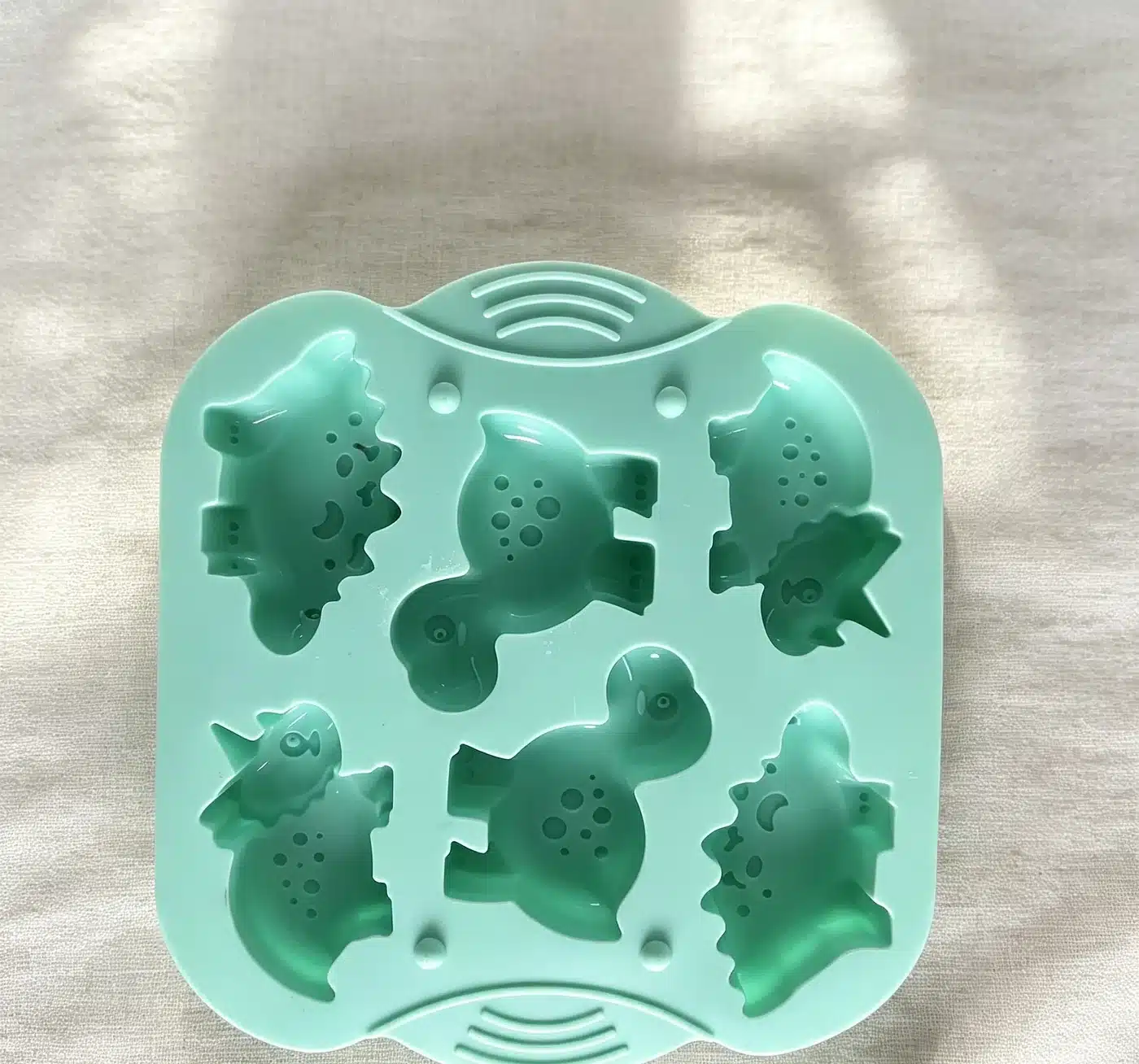
On this page
Gelatin and pectin gummies look similar in retail - they behave differently in a silicone cavity. RUUIPON builds custom silicone gummy molds for candy and supplement brands at MOQ 50, with formula-aware layout and prototypes in 3-7 days. This guide compares mold design choices that affect demold, cycle time, and dose weight consistency.
Quick answer: Gelatin sets firmer and releases differently than high-pectin vegan formulas. Design shallow cavities (8-15 mm deep), 1-3° draft, 8-12 mm spacing on dense sheets, Shore A 30-40 for tray stiffness, and test demold with your actual deposit temperature - not water.
Why Formula Type Changes Mold Design
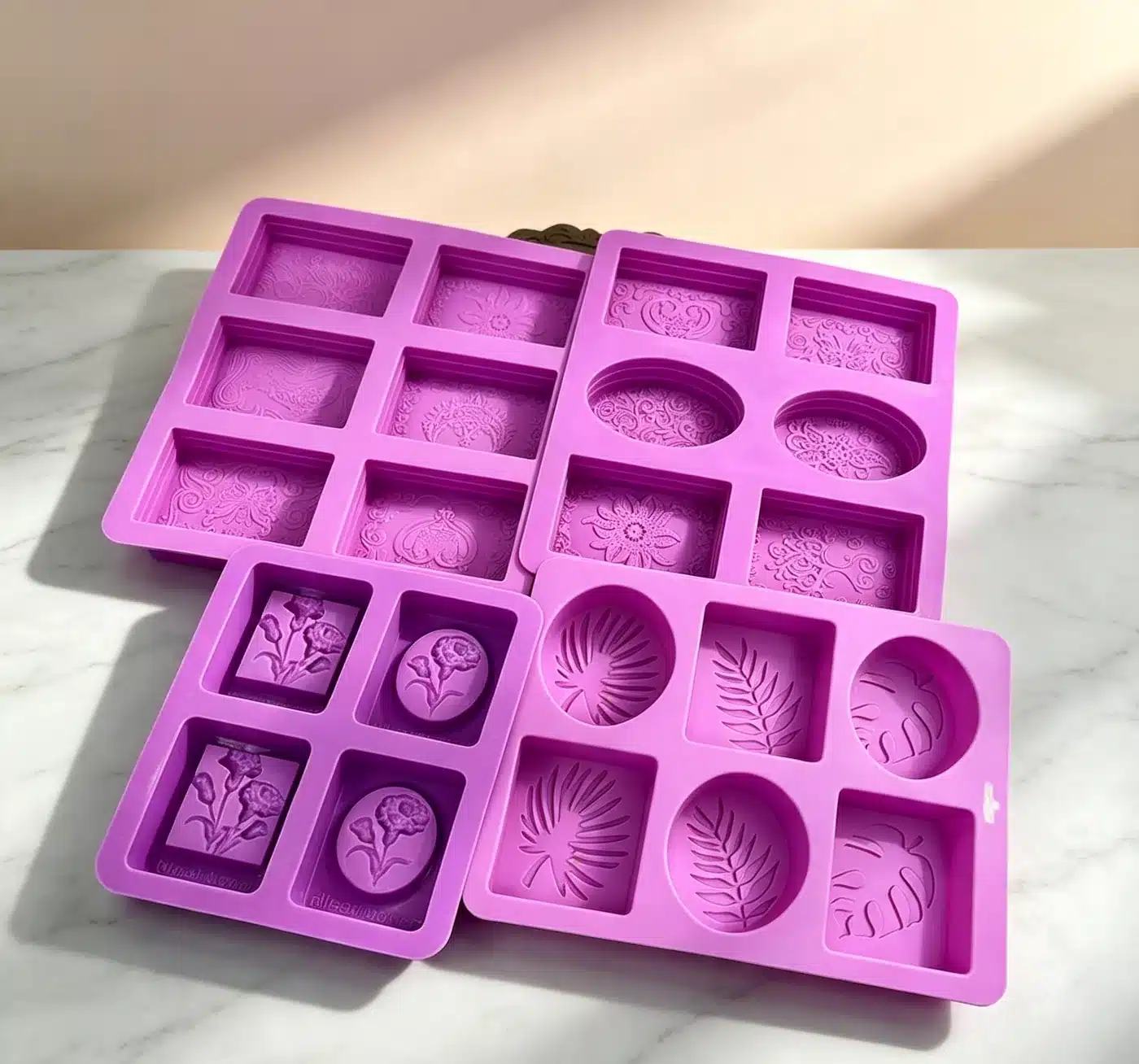
Pectin gels set through pH and solids; gelatin through protein network and cooling. That changes stickiness, shrink on set, and how much flex you need at demold.
| Factor | Gelatin (typical) | Pectin (typical) |
|---|---|---|
| Set mechanism | Cooling + bloom strength | pH + solids + calcium |
| Demold feel | Elastic snap if set fully | Can stick if under-set or high tack |
| Shrink on set | 1-2% volume common | 1-3% depending on solids |
| Acid sensitivity | Moderate | High - affects set and stick |
| Deposit temp | Often 70-85°C range on line | Similar; verify your SOP |
How Gelatin vs Pectin Behave in Silicone Cavities
Both formulas can run in the same tray geometry only after you prove demold on production viscosity and set time - not R&D beaker batches alone.
- Under-set pectin - tears ears off bears; reads as "bad mold" when it is premature pull.
- Over-dried gelatin - surface skin sticks in micro-texture; polish cavity finish matters.
- Hybrid formulas - treat as worst-case stick and shrink for first prototype.
- Starch molding vs direct deposit - starch adds release powder variables; direct deposit into dry cavities needs draft more strictly.
Food-grade docs: FDA vs LFGB. Full gummy design: gummy mold design guide.
Cavity Depth, Volume & Dose Weight
Supplement brands target mg active via piece weight; candy brands target appearance. Cavity volume must match finished weight after shrink, not wet pour volume.
| Shape type | Typical depth | Weight control note |
|---|---|---|
| Bear / worm candy | 8-12 mm | ±5% often acceptable |
| Supplement oblong | 6-10 mm | ±2-3% may be required |
| Deep 3D character | 12-15 mm max for silicone demold | Split demold or fewer cavities |
| Flat logo gummy | 5-8 mm | Logo 0.3-0.4 mm depth max |
Layout spacing 8-20 mm edge-to-edge with 2.5-5 mm walls - see multi-cavity layout. Tear risk on dense sheets: tear strength guide.
Release, Draft & Demold Paths
- 1-3° draft on vertical walls; gelatin tolerates slightly less if fully set and flex demold is gentle.
- Radiused internal corners - pectin under-set sticks in 90° pockets.
- Food-grade silicone - platinum cure; no tin-cure craft grades. Platinum vs tin.
- Release agents - rarely needed on food trays; if used on line, must be food-approved. Release agent guide.
- Demold method - flex-and-peel vs push-from-bottom affects whether you need softer Shore A 25-30 on small trays.
Cycle Time & Throughput Math
Cycle time = deposit + set + demold + tray reset. Pectin with long set windows can idle a tray; gelatin with fast set may bottleneck on demold if cavity count is too high.
| Variable | Gelatin impact | Pectin impact |
|---|---|---|
| Set wait | Often shorter in cold room | pH lock time - do not rush demold |
| Tray cavities | 12-up OK after sample | Start 6-up if stick history |
| Cleaning interval | Standard hot wash | Acid buildup may need more frequent clean |
| Second tray set | Recommended >300 pcs/day | Same - rotate while set completes |
MOQ 50 lets you prove cycle time before ordering backup trays. Lead time: lead time explained.
Silicone Tray Specs RUUIPON Recommends
- Shore A 30-40 for multi-cavity food sheets - flat under fill, enough flex to demold.
- Walls 2.5-5 mm between cavities; spacing 8-20 mm by shape width.
- Vacuum degassing on mold pour - fewer pinholes that trap gummy micro-bubbles.
- Tooling shrink ~0.1% on silicone - CAD targets finished gummy size after formula shrink separately.
- FDA/LFGB platinum silicone with supplier docs as available for your market.
Solution page: food & confectionery. Cleaning: food-safe cleaning & storage.
Prototype Workflow (3-7 Days → MOQ 50)
- Send CAD + formula type (gelatin/pectin/hybrid) + target piece weight + deposit method.
- Prototype 1-6 cavities in 3-7 days after CAD sign-off.
- Run production formula on your line; record set time, demold force, weight CV.
- Revise depth/draft/spacing if needed; then cut production layout.
- Production MOQ 50 trays ship ~2-4 weeks after sample approval.
Quote ~24 hours. [email protected] | Contact | WhatsApp +86 135 3006 2969.
Frequently Asked Questions
Can one mold work for both gelatin and pectin?
Geometry can, but demold and set times differ - validate both if you switch formulas on the same SKU.
What cavity depth for vegan pectin bears?
Start 8-12 mm with 2° draft; deepen only after clean 20-pull demold test.
Does pectin need more draft?
Often yes - tacky under-set pectin benefits from 2-3° and radiused corners.
MOQ for gummy trays?
MOQ 50 production per design after prototype approval.
Prototype speed?
3-7 days typical with complete brief.
Supplement vs candy mold docs?
Both need food-contact silicone docs; supplements add your internal QA - see gummy design guide.
How to brief formula details?
Deposit temp, Brix/solids range, pH target, citric level - brief checklist.
Ready to order custom silicone molds?
Free quote for OEM/ODM projects. MOQ 20 · Prototype 3-7 days · FDA/LFGB available.