
Why Gummies Stick or Tear During Demold
Pectin stretch, a wet cavity, and a thin mascot arm cause most stick and tear. Confirm gel vs tray vs draft. Recast only if the rubber is the tear start.
 Kyler Yang · Founder8 min read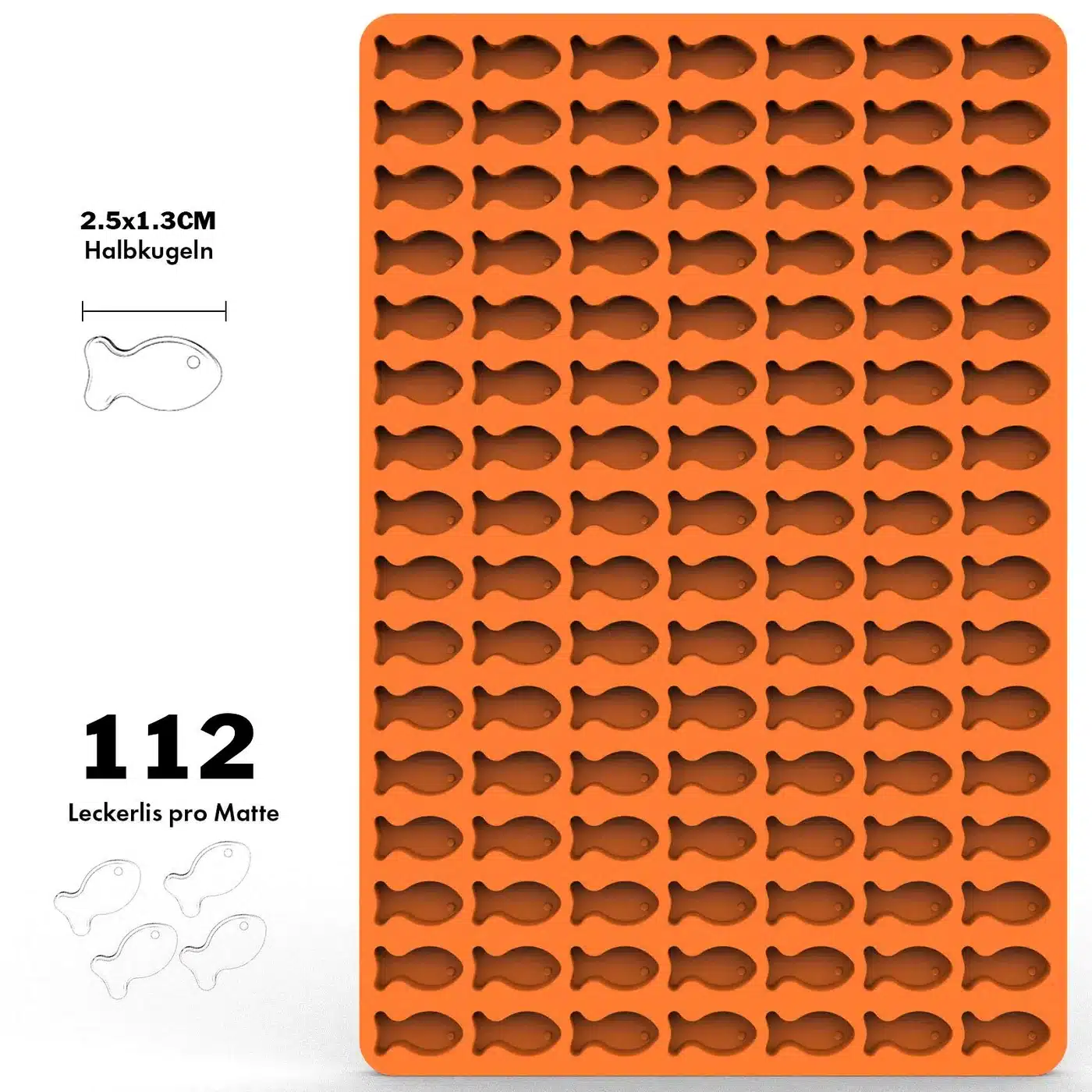
A gummy that will not dump, or that dumps with a torn ear, is three different failures that look the same from a packing table. Pectin gel that is still wet will stretch and snap. A cavity that is still damp will glue a set piece. A mascot neck that is thinner than the Shore can peel will tear even when the gel is perfect. You separate those three with a scale, a dry-cavity check, and a photo of the tear path - not by asking us to make it harder.
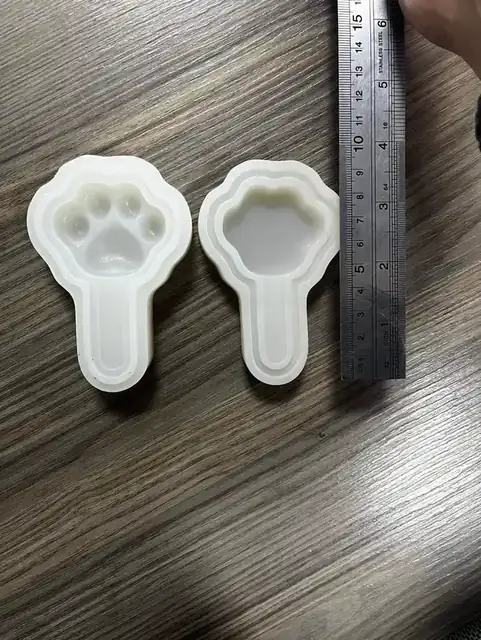
This is for pectin or gelatin dumped into a custom RTV gummy mold. On this site the path is photos, sketch, or CAD, then a 3D-printed pattern, often a temporary silicone flip, a resin production mother, then batch RTV. The mother is not the pattern. Free DFM. HTV/HCR compression mold tooling is also quoted on RUUIPON.
Three bench checks before you change Shore
Same tray, same formula, same operator. 1. Weigh the torn piece against a clean dump from the same row. If the torn piece is light, the gel never filled or it stretched on peel. If weights match and the tear is always the same arm, geometry is grabbing. 2. Fog the empty cavity with a cool breath after you dried it. Droplets on the logo mean the tray is still wet. 3. Photograph the tear from the cavity side. A shiny gel skin left in a dry well is an undercut. A dull smear across a whole pocket is set-time or a wet face.
Symptom clusters we actually see
Neck or ear tears; the body dumps. Wait one extra set window on three cavities only. If those three dump whole, you had a gel clock. If they still tear in the same fillet, recast with a fillet and a touch of draft. We will not jump Shore 10A to 40A to save a 1 mm arm.
Whole piece stays in the pocket. Wet tray, sugar film, or pectin that never gelled. Rinse, cavity-up dry until matte. Do not oil a food-contact face. Rubber tack on a new mold is inhibition - remake, not more oven.
Center dumps; outer row tears or stays heavy. Loaded-tray sag. Edge pockets sit about 0.5-1.5 mm lower and fill 3-6% heavy. Add or stiffen the jacket / mother-mold support shell. Do not max cavity count on a floppy sheet. If your email still says "master, box, keys, jacket" as the demold fix, you are listing shop furniture.
Gelatin worked; pectin on the same tray now tears. Pectin is stickier. Name pectin vs gelatin before CAD lock. First dumps were clean; wet nested fridge trays now tear. Dry, store cavity-up. Recast only if a nick is now a tear starter.
Common mix-up: same as the Amazon bear
Same as the Amazon bear, but our logo is not an RFQ. Grams, pectin vs gelatin, tray size, dump method, and support shell yes/no are the quote. 21 CFR 177.2600 / LFGB sections 30/31 are article tests, not an FDA-approved factory stamp.
Typical shop values
Reference values only. Confirm material-specific limits against the supplier’s technical data and agree project acceptance criteria before production.
| Item | Typical shop value |
|---|---|
| Rubber | Platinum RTV; tin leftovers can taste and keep shrinking |
| Cavity Shore | 20A-30A with a rigid support shell for sticky pectin; 10A-20A only when an undercut must peel |
| Loaded-tray edge sag | About 0.5-1.5 mm unsupported; outer-row often 3-6% heavy |
| Path | Photos / sketch / CAD, pattern, often a flip, resin production mother, batch RTV |
| DFM / CAD / proto / MOQ | Free DFM; USD 50 when we edit 3D; 3-7 days after CAD lock; 20 pcs/design |
Worked example: 48-cavity mascot
A 48-cavity mascot, 4.0 g pectin, platinum about 25A, no support shell. Center dumped 4.0-4.1 g. Outer row 4.3 g, tore at the left ear. Buyer asked for 40A. Same dump on a sheet pan: outer row 4.1 g, same fillet tear. Recast: jacket / mother-mold support shell plus a 0.4 mm fillet, Shore unchanged. Raising Shore would have locked the ear and hidden the sag.
Stay on this page / skip this page
Stay when a pectin or gelatin piece sticks or tears on a custom RTV tray and you need the three-check split.
Skip if you are running a starch mogul or a hard-candy deposit that is supposed to shatter. Skip steel depositor plates - a different RFQ - ask us. Skip a $10 catalog bear with unknown tin-cure rubber.
We will not quote oil on a food-contact gummy cavity. We will not raise Shore A first when one arm tears or the outer row is heavy. We will not freeze production from an unscaled mascot photo. We will not stamp FDA-approved factory.
Related: gummy trays, why molds stick, contact.
What to send
- Pectin or gelatin, target grams
- Cavity-side photo of the tear, not only the packed piece
- Tray envelope; support shell yes/no
- Wash method; whether trays nest wet
- 21 CFR 177.2600 and/or LFGB sections 30/31 on the tray
Send the miss to [email protected] or contact.
- Weight match same arm? - torn is light -> Gel clock
- Weight match same arm? - yes -> Fillet / draft recast
- Stick or tear -> Fog shows droplets?
- Fog shows droplets? - yes -> Dry; no oil
- Stick or tear -> Outer row heavy?
- Outer row heavy? - yes -> Support shell, not 40A
FAQ
Should I raise Shore if one ear tears? Not first. Confirm gel clock, wet face, and sag. Fillet and a support shell usually beat 40A, which can lock the ear.
Can I oil a food gummy cavity? We will not spec oil on a food well. Dry until matte. Sweet film is wash, not release spray.
Why are outer-row pieces heavy and torn? A loaded sheet can sag about 0.5-1.5 mm. Outer-row pieces often run 3-6% heavy. Stiffen the support shell.
Is 177.2600 an FDA-approved factory stamp? No. It is extractives on the finished rubber article. We do not invent an FDA-approved factory badge.
What is MOQ on a recast after a fillet change? MOQ 20 of the corrected design. Prototype usually 3-7 business days after CAD lock. DFM free. CAD about USD 50 when we edit 3D.
Custom silicone development · DFM & prototype support
CAD, drawing, photos or sample details