
ISO 10993 Medical Silicone Molding: Cleanroom Class 8 Tooling Requirements
ISO 10993 is biocompatibility, not a cleanroom cert. ISO 14644-1 Class 8 is a particle limit. Tooling there is debris control, not automatic biocompatibili
 Kyler Yang · Founder8 min read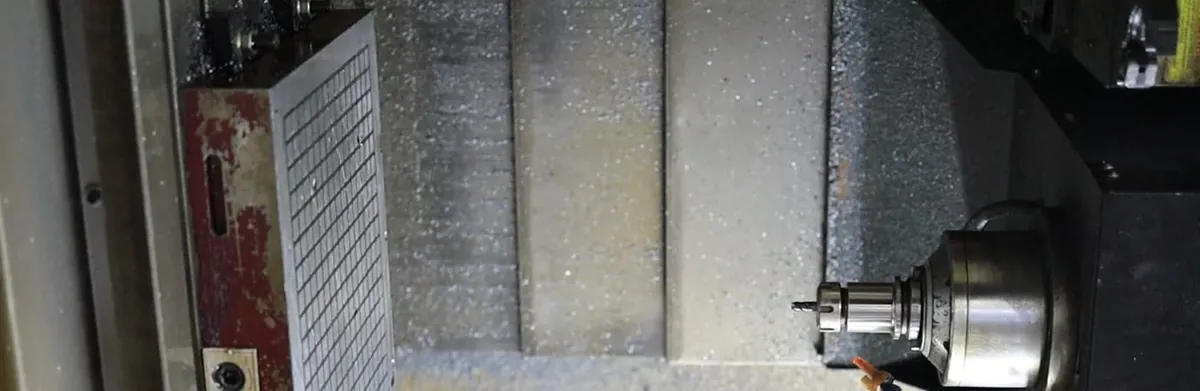
ISO 10993 does not certify a cleanroom. Class 8 does not certify a silicone as biocompatible. Mixing those two documents is how a purchase order ends up with a “medical grade mold” and no biological evaluation plan.
ISO 10993 is a biological evaluation framework for a finished medical device (and the materials that contact the patient). ISO 14644-1 Class 8 is an airborne particle concentration. Tooling that sits in a Class 8 room is a particle-control problem: rust, grease, flash, ejector dust, and release-agent mist. None of that is a cytotoxicity test.
Split the stack before you tool
A medical silicone part usually needs four separate controls. They do not substitute for each other.
- Material biological evaluation: ISO 10993 series on the device, scoped to body contact and duration. Often supported by ISO 10993-18 chemical characterization and a toxicological risk assessment. USP Class VI is an older biological-reactivity screen. It is not a drop-in for 10993.
- Quality system: ISO 13485 for medical device manufacturing. Traceability, change control, validated processes.
- Environment: ISO 14644-1 for the room, plus your viable monitoring if bioburden matters.
- Tooling hygiene: how the mold itself generates or traps particles.
Class 8 tooling lives in item 4, inside item 3. It does not finish item 1.
What ISO 10993-1 asks you to declare
ISO 10993-1 is risk-based. You classify the device, then justify endpoints. You do not buy a “10993 silicone” off a list and stop.
Nature of body contact. Surface (intact skin, mucosal membrane, breached surface), external communicating, or implant.
Contact duration. Limited (≤ 24 hours), prolonged (> 24 hours to 30 days), or long-term (> 30 days). Wearable patches that are used every day can accumulate into prolonged or long-term even when each session is short. Count cumulative contact with a single patient, not the length of one shift.
Typical endpoint thinking (not a shopping list): cytotoxicity (ISO 10993-5), sensitization (ISO 10993-10), irritation (ISO 10993-23) show up for many surface devices. Blood contact adds hemocompatibility. Implants and long-term tissue contact expand into systemic toxicity, genotoxicity, and implantation studies as the risk assessment requires. Chemical characterization (ISO 10993-18) is now the usual first analytical step, not an optional extra.
A platinum LSR used for a 12-hour skin-worn sensor and the same gum used for a 90-day implant are not one qualification. Post-cure, pigment, mold release, and cleaning agents are part of the extractables profile. A mold that sheds oil invalidates last year’s material file.
What ISO 14644-1 Class 8 actually is
ISO Class 8 limits airborne particles. The number people quote is a maximum of 3,520,000 particles ≥ 0.5 µm per cubic metre (the old Fed-Std-209E “Class 100,000” neighborhood). The class is verified by particle counting under the occupancy state you claim (as-built, at-rest, or operational).
Class 8 is a common molding and packaging environment for many non-implant, non-sterile-fill medical components. It is not “clean enough for implants by default.” Implantable and particle-critical fluid-path parts often move to Class 7 or tighter, with less open handling after ejection. The device risk file chooses the class. The molder does not upgrade biocompatibility by hanging a Class 8 sign.
Air changes, HEPA filtration, positive pressure, and gowning keep the *air* in spec. They do not keep a dirty mold from printing debris onto every shot.
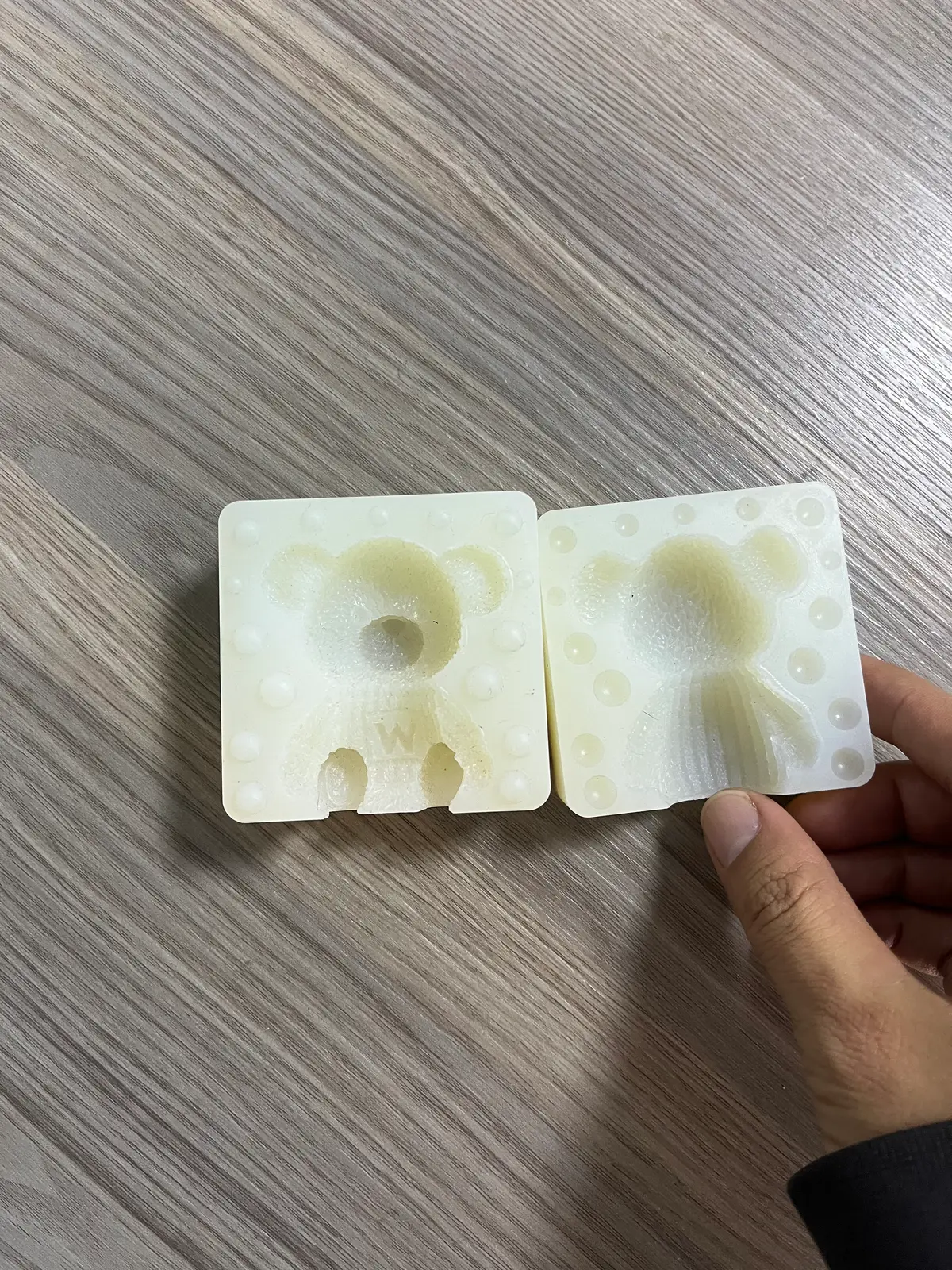
Tooling requirements that belong in a Class 8 cell
The mold is a particle generator if you treat it like a general rubber tool.
Steel and finish. Stainless or well-plated, corrosion-resistant cavities. Bare tool steel that flash-rusts after a water wipe will shed oxide. Polish to the cosmetic or particle spec of the part; a coarse EDM texture holds residue and fibers. Avoid rust-preventive greases that fog in a warm press. If you must protect steel in storage, use a film that is fully removed and solvent-wiped *before* the tool enters the room, then verify no residue with a white-cloth wipe.
No conventional release spray. Solvent-borne and oil-mist releases are contamination. Medical LSR tools are designed to run without sacrificial release: polish, plating, and a process window that does not stick. If a semi-permanent coating is proposed, it becomes a new material in the 10993 file. Do not “just try a can” on a qualified cavity.
Ejectors, slides, and vents. Dry lubricant powders, shop oil, and worn bronze wear plates dump particles at the parting line. Specify clean-room-compatible lubricants in microscopic amounts, or dry-running designs. Vent debris should be scheduled, not blown onto the part with a dirty air gun.
Cooling and hydraulics. Water leaks in a cleanroom are rust and bioburden. Isolate hoses, use drip trays, and keep hydraulic oil out of the clamp area. A fine oil mist looks like “process haze” on clear LSR.
Entry condition. Tools are cleaned and bagged outside, then introduced through the material airlock. Do not roll a press-side rack from a greasy HCR bay into Class 8 and call it transfer.
In-process cleaning. White lint-free wipes, specified IPA or a validated cleaner, and a log. Ultrasonic cleaning of inserts belongs in a defined dirty/clean split, with full dry-out before reinstall. Dry ice blasting can be used on metal tools if CO₂ and dislodged residue are ventilated and captured; it is still a process that must be validated so it does not etch a polish or leave blasting debris.
Human interface. Gloves change when they touch the floor or an uncleaned handle. Parts go into covered trays at the press, not into an open tote that walks the aisle.
What Class 8 tooling does not do
It does not make a tin-cure RTV into a medical elastomer. It does not replace ISO 13485 lot traceability. It does not sterilize the part. It does not excuse a mold release that was never in the biological evaluation. A Class 8 particle count taken on Sunday with the press idle does not describe Monday’s operational state.
If the part is terminally sterilized, the mold still has to be clean enough that bioburden and particulates stay within the validated starting point. Sterilization is not a particle eraser.
Write the PO as two specs
Line 1: device contact type and duration, the ISO 10993 endpoints or the biological evaluation plan the molder must support, compound grade, pigment, post-cure, and a ban on unapproved process aids.
Line 2: ISO 14644-1 class (8 or tighter), occupancy state for monitoring, gowning, and tooling rules: no sacrificial release, stainless or plated cavities, defined cleaners, and how the mold enters the room.
If a supplier answers both lines with “we are ISO 10993 Class 8 certified,” they have not read either standard. Do not buy that sentence.
FAQ
Does ISO 14644-1 Class 8 make a silicone part biocompatible?
No. Class 8 is an airborne particle limit. ISO 10993 is a biological evaluation framework for the finished device and contacting materials. Tooling in Class 8 is debris control: rust, grease, flash, ejector dust, release mist. None of that is a cytotoxicity test.
Why isn't USP Class VI a drop-in for ISO 10993?
It is an older biological-reactivity screen. ISO 10993-1 is risk-based: you declare body contact and duration, then justify endpoints, often starting with chemical characterization (ISO 10993-18). A 12-hour skin-worn sensor and a 90-day implant are not one qualification. Daily wear can accumulate into prolonged contact.
Can I use sacrificial mold release in a Class 8 medical LSR cell?
Not as a casual can. Solvent and oil-mist releases are contamination and a new chemical in the 10993 file if any coating is used. Design the tool to run dry: polish, plating, process window. Conventional shop oils on ejectors and a greasy HCR rack rolled into the room also dump particles onto every shot.
Does terminal sterilization erase debris the mold printed?
No. Sterilization is not a particle eraser. The mold still has to be clean enough that bioburden and particulates stay within the validated starting point. A Sunday at-rest particle count also does not describe Monday's operational state. Tin-cure RTV does not become a medical elastomer by sitting in Class 8.
What two PO lines stop "we are ISO 10993 Class 8 certified"?
Line 1: contact type and duration, 10993 plan or endpoints, grade, pigment, post-cure, ban on unapproved process aids. Line 2: ISO 14644-1 class and occupancy state, gowning, no sacrificial release, stainless or plated cavities, defined cleaners, how the mold enters the room. That sentence is two unread standards.
Ready to order custom silicone molds?
Free quote for OEM/ODM projects. MOQ 20 · Prototype 3-7 days · FDA/LFGB available.