
Liquid Silicone Rubber Molding vs RTV Cavities
LSR molding is platinum liquid injected into a hot tool - finished parts are an HTV product or mold RFQ here, or a different LSR-tool RFQ - ask us. RUUIPON RTV cavities stay here. HTV/HCR mold tools stay on RUUIPON.
 Kyler Yang · Founder12 min read
If you are reading about liquid silicone rubber molding on this site, pause on the object. LSR molding is platinum LSR pumped through a mixer into a hot steel or aluminum tool on a LIM (liquid injection molding) cell. The cavity is hot on purpose. The rubber arrives cold and vulcanizes in the tool. Flash is a shut-off problem. That process is not a 1:1 craft cup, not tin-cure RTV, and not millable HCR on a press. If a quote says "we pour LSR into the mold," the quote is describing RTV or a misunderstanding.
Finished LSR parts may route as an HTV product RFQ here. RUUIPON RTV cavities stay here: photos, sketch, or CAD, then a 3D-printed pattern, often a temporary silicone flip, a resin production mother, then batch RTV. The mother is not the pattern. Free DFM. CAD revision about USD 50 when we edit your 3D. Prototype usually 3-7 business days after CAD lock. Production MOQ 20 pieces per design. Bao'an since 2018. HTV/HCR compression mold tooling stays on a RUUIPON RFQ. Do not treat those press tools as an HTV product RFQ here, or ask us for a high-volume LSR tool. Do not write Soft Tooling in the H1 as if LSR were a discounted steel cousin.
LIM is a machine cell, not a poured kit
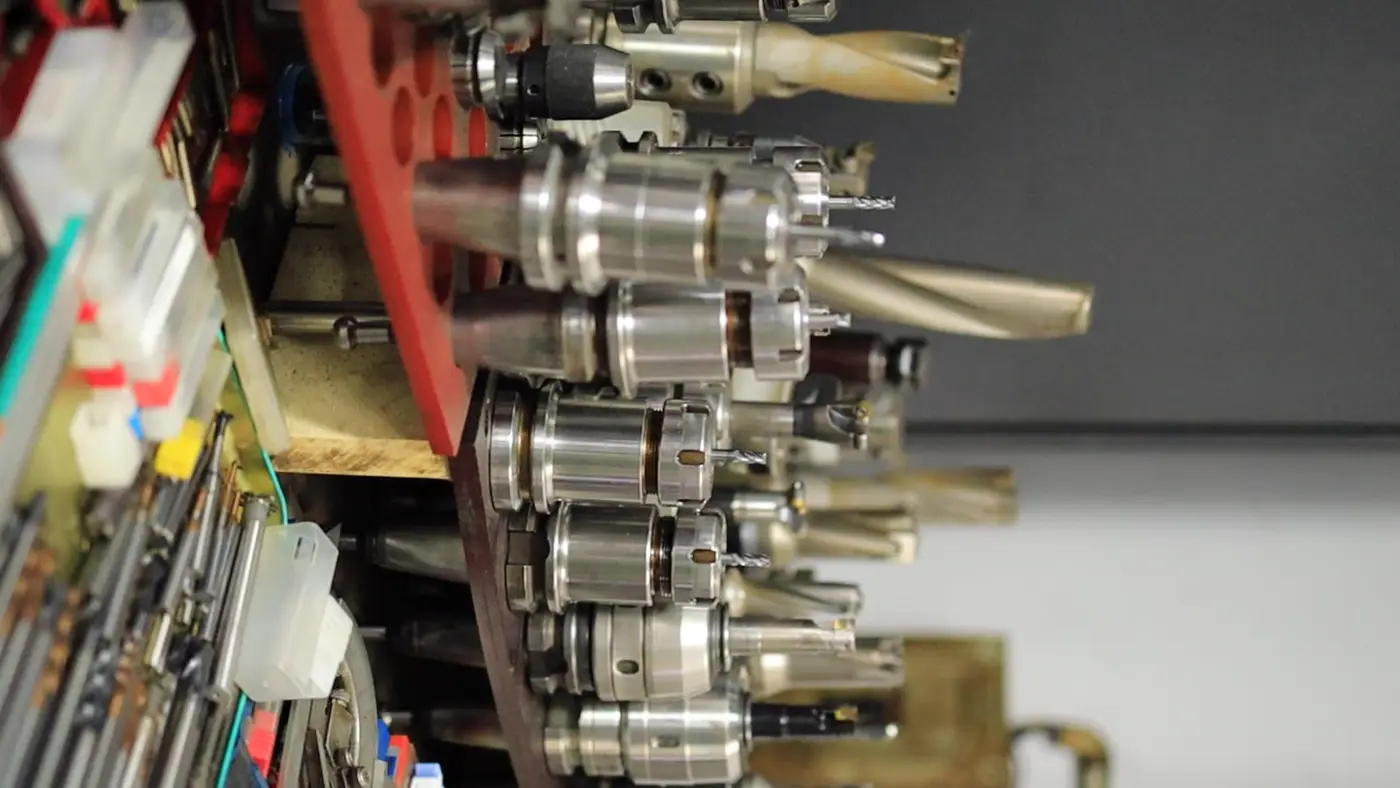
A LIM cell is pumps (often 1:1 LSR A/B), a static mixer, an injection unit, a heated tool, and a control system. The operator is not stirring a bucket. Pot life in a cup is the wrong mental model. If the shop's photo is a mixing stick, you are looking at RTV - this site's usual product.
Baby care, many medical components, keypad webs, and high-volume consumer parts live on LIM because the liquid can fill thin walls. Those applications still need named files. LSR is not automatically medical. Chocolate trays, gummy sheets, and resin figurine molds live on platinum or tin RTV. Same word platinum. Different factory.
Cold-runner, heat, and what LSR does poorly
Cold-runner manifolds keep LSR from curing in the feed. The cavity is hot. The runner is often cold. Never call this a LIM hot tool as if the runner were heated. Dump-runners cost less tooling and more scrap. Gate vestige will exist unless you hide it.
Typical LSR tools run hot (shop conversation often 160-200 C, grade-dependent). Shrink for LIM is in the heat-cure band (about 2-3%), not in the 0.1-0.3% band of many platinum RTV mold rubbers. Do not paste that 2-3% onto an RTV mother.
LSR is a poor default when you needed a flexible mold for chocolate or resin, when you needed five gaskets yesterday without a LIM cell, or when the geometry is a large simple slab that compression likes. That last case can still be an HTV/HCR mold-tool RFQ on RUUIPON; the finished gasket carton is a different RFQ - ask us.
Common mix-up: a cup kit labeled LSR
A lot of RFQs treat a 1:1 kit stamped LSR as production liquid silicone. In the shop that usually means RTV poured into a flask - which may be the right product, wrongly named. Production LSR is injected on a LIM cell. If your email still says "master, box, keys, jacket" on an LSR part PO, you sent the wrong furniture list to the wrong factory.
Typical shop values
Reference values only. Confirm material-specific limits against the supplier’s technical data and agree project acceptance criteria before production.
| Object | Typical shop value | Where the PO lives |
|---|---|---|
| RTV cavity | Pattern, often flip, resin production mother, batch RTV; platinum shrink about 0.1-0.3% | RUUIPON |
| LSR / LIM part | Hot cavity, often cold-runner; shrink often about 2-3% | an HTV product or mold RFQ here, or ask us if you need a high-volume LSR cold-runner tool finished parts |
| HTV/HCR compression mold | Flash land, preform, clamp - the tool | RUUIPON mold RFQ |
| HTV/HCR finished part | Vulcanized article from that tool | RUUIPON / ask us |
| RTV DFM / proto / MOQ | Free DFM; USD 50 CAD; 3-7 days after CAD lock; 20 pcs/design | Do not paste onto LIM or HTV MOQ |
Worked example: membrane vs gummy tray
A buyer wanted a 0.4 mm 30A membrane, about 50,000 pieces a month, platinum LSR, cold-runner, ISO 3302-1 on the lip. That carton is a LIM cell an HTV product or mold RFQ here, or a different LSR-tool RFQ - ask us. A sister PO wanted a 16-cavity gummy bear, 22 mm, 4.0 g, food-contact, about 8,000 dumps a month. That is platinum RTV on RUUIPON: pattern, often a flip, resin production mother, 10A-20A skin, jacket / mother-mold support shell so the outer row does not sag 0.5-1.5 mm. Same liquid silicone email. Two objects.
Stay on this page / skip this page
Stay when you landed here with the word LSR and need the object named before anyone prices a cell or a cup.
Skip if you already know you need a pour cavity - how molds are made. Skip finished LSR / HCR parts - a different RFQ - ask us. Skip if you need the steel/compression tool - stay on a RUUIPON HTV/HCR mold RFQ; do not treat that tool as an HTV product RFQ here, or ask us for a high-volume LSR tool.
We will not quote a cup kit as LIM. We will not paste a 2-3% LIM shrink onto an RTV mother. We will not write Soft Tooling as the H1 for this page. We will not invent an HTV MOQ or an FDA-approved factory badge.
Related: RTV vs HTV, what custom molds are, contact.
What to send
- Object: RTV cavity, HTV/HCR compression tool, or finished LSR/HCR part
- If RTV: photos / sketch / CAD, dump material, Shore band
- If LIM parts: Shore, runner type, quantity band - send that pack as an HTV product RFQ here, or ask us for a high-volume LSR tool
- If compression tool: land / preform notes - RUUIPON
- Food-contact path if needed: 21 CFR 177.2600 and/or LFGB sections 30/31
Send the RTV or compression-tool pack to [email protected] or contact.
- Silicone is the article? - no, I need the compression tool -> RUUIPON HTV/HCR mold RFQ
- Silicone is the article? - no, pour cavity -> RUUIPON RTV: pattern, often flip, resin mother, batch RTV
FAQ
Can RUUIPON mold finished LSR parts? Finished LSR parts may route as an HTV product RFQ here, or ask us for a high-volume LSR tool. RUUIPON RTV cavities stay here. HTV/HCR compression mold tooling stays on RUUIPON.
Is a 1:1 kit labeled LSR the same as LIM? Usually not. That kit is often RTV in a cup. Production LSR is pumped into a hot tool.
Can I use LSR shrink on my chocolate mother? No. LIM shrink is often about 2-3%. Platinum RTV after a full cure is typically about 0.1-0.3%.
Where does an HCR compression mold RFQ go? The tool stays on RUUIPON. The finished gasket carton stays an HTV product or mold RFQ here, or a different LSR-tool RFQ - ask us. Do not treat the mold tool as an HTV product RFQ here, or ask us for a high-volume LSR tool.
What is MOQ on the RTV side? MOQ 20 pieces per design after approval. Prototype usually 3-7 business days after CAD lock. DFM free. CAD about USD 50 when we edit 3D. Do not paste those three numbers onto a LIM or HTV parts MOQ.
Custom silicone development · DFM & prototype support
CAD, drawing, photos or sample details