
RTV Molds for Lost-Wax Jewelry Wax Dumps | RUUIPON
Platinum RTV jewelry tools dump wax for burnout, not chocolate. Not vulcanized rubber, not a food pack. Sprues, vents, Shore. Typical shop. MOQ 20.
 Kyler Yang · Founder7 min read
A lost-wax jewelry RTV mold is a cavity you inject or pour *wax* into, so the wax tree can be invested and burned out for metal. It is not a chocolate tool, not a UV-resin pendant mold, and not a vulcanized natural-rubber jewelry mold from a jewelry-tooling house. Platinum RTV is a craft/industrial chemistry here: mix 1:1 or 10:1, vacuum, keys if two-part, a sprue that is not on the show face, vents at the last air trap in a ring or a pierced filigree. We would not ship a 177.2600 pack on this PO because jewelry is not food. We would not quote it as an LSR part either.
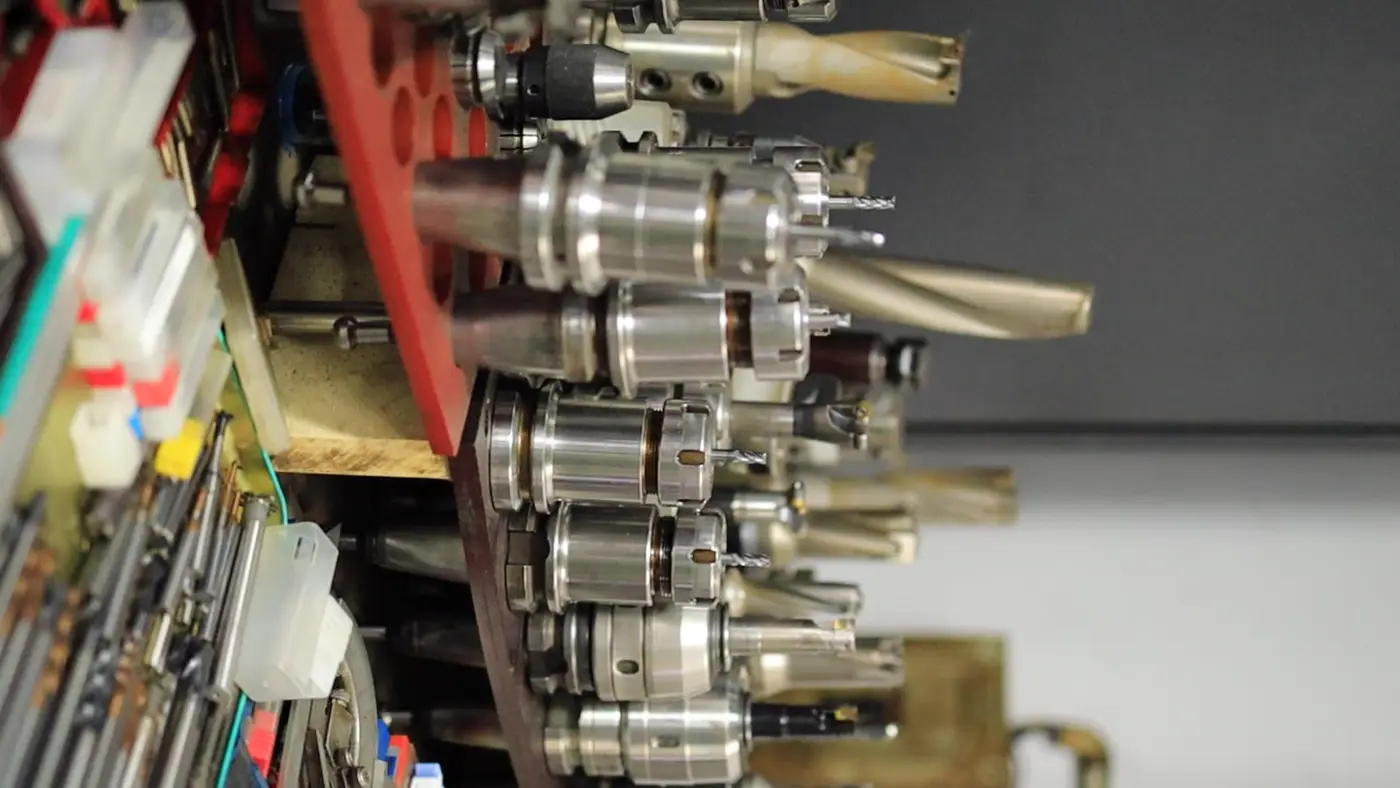
RUUIPON pours these platinum tools in Bao'an since 2018. Prototype is 3–7 business days after CAD lock. Production is MOQ 20 pieces per design. Simple 3D is USD $50 when that CAD scope applies. Resin jewelry (no burnout) is a cousin page: jewelry resin. Steel/LSR: an HTV product RFQ here.
Does not apply when you need vulcanized rubber for high-pressure wax injectors at a jewelry factory (different durometer family, different shop), when the master is a sulfur-containing wax that will inhibit platinum, or when you actually wanted epoxy charms with no metal step. Also does not apply to food-contact "jewelry" chocolates — that is a food cavity with extraction docs.
What the wax dump actually needs from the rubber
Master finish is the metal. Layer lines, a seam across a table, a pinhole in the RTV — all copy into wax and then into gold. SLA masters need wash, UV, seal. CNC is the cleaner path for a signet face. Shrink compensation on platinum is typically about 0.1–0.3% linear; metal shrink is a separate foundry number you do not hide inside our rubber class. ISO 3302-1 M2 is still a rubber drawing class, not a jewelry "precision" stamp.
Sprue and vents. A missing sprue puts a nub on the show face. A ring without a vent traps air at the far shank. Put the gate where the injector or the pour can fill downhill. Through-holes may want a core pin or a drill-after-wax — pick one on the RFQ.
Two-part vs glove. A flat pendant back can be open-back. A ring shank and a bail usually want a split or a plug. Structure Decision still applies. Do not invert a 10A glove through a filigree and then blame Shore.
Wax temperature vs rubber. Injection wax is warm, not a baking oven. Name the injector pressure and temp band you actually run. We would not spec a food-tray 40A "because jewelry should be harder." Tear at a serif is geometry.
Compatibility. Some release sprays and some sulfur waxes fight platinum. Coupon the wax in a sprue slug before you commit MOQ 20. Tin-cure is a named craft choice some jewelers still like for dirty masters; we would not silently substitute tin and keep a platinum shrink number.
The photo that would prove a lost-wax tool is a keyed split with a sprue on the waste, a vent at the last fill, a sealed master, and a wax shot that fills the filigree. A resin charm in the same cavity is a different dump.
Typical shop values
Reference values only. Confirm material-specific limits against the supplier’s technical data and agree project acceptance criteria before production.
| Item | Typical shop value |
|---|---|
| Dump | Injection or pour wax — not food, not UV resin |
| Cure | platinum 1:1 or 10:1 by weight |
| Shrink (rubber) | about 0.1–0.3% linear |
| Skin Shore | 10A–20A common; jacket/keys as needed |
| Vacuum | cup degas until foam collapses |
| Docs | craft/industrial — no 177.2600 because jewelry is not food |
| Prototype | 3–7 business days after CAD lock |
| Production | MOQ 20 pieces per design |
| CAD | USD $50 when modeling applies |
| Drawing class | ISO 3302-1 M2 unless the print says otherwise |
Common mix-up: jewelry RTV equals vulcanized rubber equals food-safe charms
A buyer forwards a vulcanizer cycle time and asks us to "RTV that." We pour room-temperature platinum around a master; we do not vulcanize natural rubber in a heated press. Another mix-up: requesting LFGB on a wax ring tool "in case we also pour chocolate." We would not dual-use that cavity. A third: using a UV-resin jewelry plaque as the lost-wax tool — resin dump chemistry and wax injector pressure are not the same RFQ.
Worked example (anonymized)
A signet ring, stone-set later, wax injector in-house. STL had no sprue. We charged USD $50 CAD to add a waste-side sprue, a shank vent, a two-part block with drafted keys, sealed SLA master (CNC quoted as option for the table face). Platinum 1:1, vacuum, proto 3–7 business days after lock. Production MOQ 20 skins. No food pack. Foundry metal shrink stayed on the buyer's investment sheet, not in our rubber class.
We would not recommend
We would not recommend a food extraction pack on a lost-wax tool.
We would not recommend vulcanizer settings as the RTV SOP.
We would not recommend a one-piece glove on a ring shank to save grams.
We would not recommend pouring chocolate in a cavity that has seen wax and release.
- Dump is wax for burnout? - yes -> Platinum RTV lost-wax tool — not food
- Dump is wax for burnout? - UV/epoxy charm -> Resin jewelry page — still not food
- Dump is wax for burnout? - Vulcanized rubber injector spec -> Different shop family — say so
- Platinum RTV lost-wax tool — not food -> Ring/bail undercut?
- Ring/bail undercut? - yes -> Two-part or plug + sprue/vent
- Ring/bail undercut? - flat pendant -> Open-back + sprue
- Two-part or plug + sprue/vent -> CAD lock → 3–7 days → MOQ 20
- Open-back + sprue -> CAD lock → 3–7 days → MOQ 20
What to ask when you're buying lost-wax RTV
- Wax inject or pour, and approximate temp/pressure band?
- Sprue on the waste side — in CAD?
- Vulcanized rubber vs RTV — which factory family?
- Master: sealed SLA or CNC for the show face?
- Confirm jewelry is not food, so no 177.2600 line?
Related: master options, resin molds, contact.
RFQ copy-pack — lost-wax, named as wax
Email [email protected]:
Dump: wax inject / wax pour for lost-wax metal — not food, not UV Piece: ring / pendant / filigree Sprue and vents: in CAD / USD $50 if you model Structure: open-back / two-part / plug Master: sealed SLA / CNC Platinum 1:1 or 10:1, vacuum Prototype 3–7 business days after CAD lock, then MOQ 20 / design Do not include 177.2600
Send the wax process and the sprue. We will quote a jewelry *tool*, not a chocolate tray. Phone +86 135 3006 2969. Xinhe Blvd, Shajing, Bao'an, since 2018.
FAQ
Can I use the same RTV mold for wax and for chocolate? We would not. Jewelry is not food. Retire a wax cavity from any food dump.
Is platinum RTV a replacement for vulcanized jewelry rubber? Sometimes for lower-pressure wax and for proto masters. High-pressure vulcanized workflows are a different tool family. Name the injector.
Do you include metal shrink in the rubber CAD? We compensate platinum ~0.1–0.3%. Foundry shrink is your investment process. Do not hide both in one unlabeled scale factor.
Will a pressure pot help the wax shot? Some jewelers vacuum or pressure wax. That is *your* dump. We still vacuum the RTV cup. A pot does not replace sprue and vents.
If the filigree tears the mold, do we raise Shore? Usually no. Add a split, a plug, or simplify the web. Structure Decision before durometer.
Coupon before MOQ 20
Cut a sprue slug from the same cup as the first proto. Inject or pour your actual wax, invest a dummy if you need to see ash, and look at the rubber after a handful of shots: tack, tear at the filigree, staining. A proto in the 3–7 business day window is for that coupon, not for a surprise 20-up plaque. Tooling charge is not unrestricted ownership of a second CAD if the bail moves.
Licheng Technology Industry Park, Xinhe Blvd, Shajing, Bao'an. Mix 1:1 or 10:1, vacuum until collapse, jewelry dumps stay off the food cabinet.
Custom silicone development · DFM & prototype support
CAD, drawing, photos or sample details