
Lye Soap vs Food RTV Cabinets at the Bench | RUUIPON
Lye, fragrance, and food do not share an RTV well. Split cabinets, recast the food skin, keep soap rags separate. Typical shop. MOQ 20, $50 CAD.
 Kyler Yang · Founder7 min read
A food-contact RTV cavity that sees lye leftover, fragrance oil, or a cold-process soap trial is a craft tool from that pour forward. Wash does not put it back on a 21 CFR 177.2600 / LFGB path. Split cabinets at your bench the way we split them in Bao'an: food skins, food rags, food masters on one side; lye, fragrance, and soap loaf tools on the other. This page is the cabinet rule for *tools* - not a finished-soap OEM essay, not a recipe, and not a "food-grade soap mold" marketing loop. Recast the chocolate or gummy tray from a clean master. Keep the soap skin in its own tote.
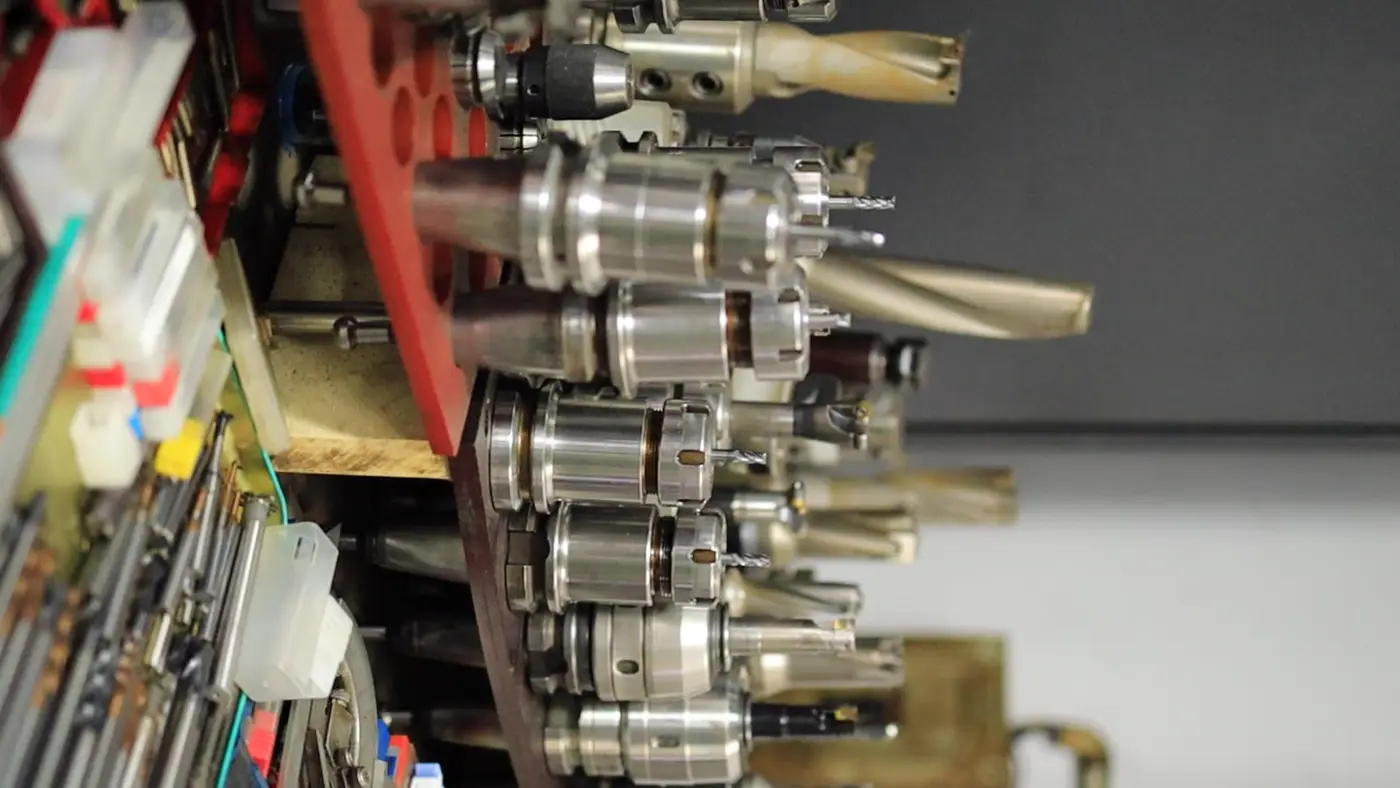
On this site the path is photos, sketch, or CAD, then a 3D-printed pattern, often a temporary silicone flip, a resin production mother, then batch RTV. The mother is not the pattern. Free DFM. HTV/HCR compression mold tooling is also quoted on RUUIPON.
Does not apply when the dump is melt-and-pour with no fragrance and you still want a food well (we would still not recommend sharing later), when you meant a steel LSR kitchen article, or when the "lye" is a cleaner on a *jacket*, not in the cavity. We would not write a fake lab number to "clear" a soaped well.
What lye and fragrance do that a sink cannot undo
Cold-process leftover is alkaline. Fragrance oils swell and perfume platinum. Colorants stain. A dishwasher cycle that would be fine on a dedicated food tray is not a chemistry reset after those guests. The rubber may still dump a perfect loaf. It is no longer a food cavity.
Melt-and-pour is not a free pass. The first essential-oil SKU is the retirement event. Superfat oils can also leave a film you will taste in chocolate.
Cabinets mean physically separate: different gloves (nitrile on both, but not the same pair walking between benches), different brushes, different drying racks. Latex gloves are a platinum poison anyway - different page.
The photo that would prove a cabinet split: two totes labeled FOOD and SOAP, two masters, two rags, no shared drawer. A pretty loaf next to gummies in one photo is the failure mode.
- Lye, fragrance, or food? - food -> Dedicated platinum well
- Lye, fragrance, or food? - soap / lye / FO -> Dedicated craft well
- Dedicated platinum well -> Never share rags or the well
- Dedicated craft well -> Never share rags or the well
- Never share rags or the well -> Already shared?
- Already shared? - yes -> Retire well to craft, recast food from clean master
- Already shared? - no -> MOQ 20 per design, keep the split
Recast vs wash, and two POs
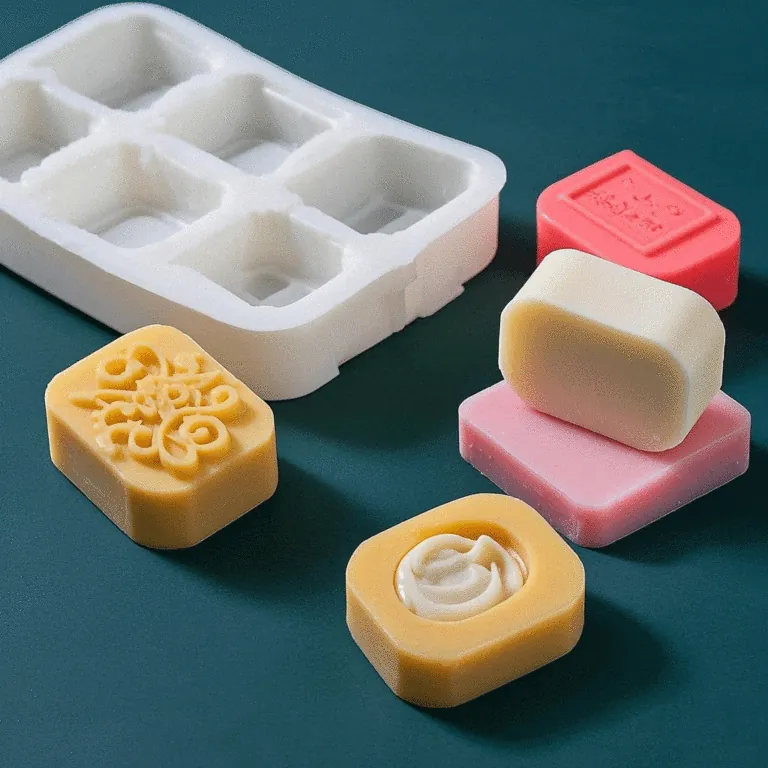
If you already ran soap in a chocolate tray: retire it, recast food. Do not boil, bleach, or "season" it back. The $50 CAD does not apply if the master is still locked; you are paying for a pour window of 3-7 business days after we confirm the master is clean. If the soap loaf needs a different cavity than the bar, that is a second design and a second MOQ 20.
ISO 3302-1 M2 is a rubber class, not a hygiene cert. We will not invent a 13485 or a lab report number to bless a mixed well.
Structure Decision still applies to each SKU: loaf with a flat back → open-back. Sculpted soap with undercuts → split. Food gummy tray → open-back, no lye ever.
Melt-and-pour buyers often argue the dump is "just glycerin." Glycerin is not the issue; the first fragrance oil, mica that was not food-named, and the shared spatula are. If you run an unscented M&P prototype and *then* a food SKU in the same well, you still have to prove the well never saw FO. We would rather recast than audit your soap drawer. Write the life of the well on the RFQ in one sentence. If you cannot, assume it will see fragrance and recast food as a second design.
Failure: one tray, two SKUs, a retailer question
Symptom: buyer used the same wells for a holiday soap and a gummy drop, then asked for a food pack.
Cause: cabinet mix.
Confirm: pour history. If soap or fragrance is on the list, the well is craft.
Fix: recast food from the sealed master. Keep soap in the retired tray. We would not sign a food pack on the mixed skin.
Typical shop values
Reference values only. Confirm material-specific limits against the supplier’s technical data and agree project acceptance criteria before production.
| Item | Typical shop value |
|---|---|
| Mix / shrink | 1:1 or 10:1 by weight; platinum about 0.1-0.3% |
| Food vs soap | separate wells, rags, totes |
| Cavity Shore | 10A-20A skins; 20A-40A loaves/trays |
| Prototype | 3-7 business days after CAD lock |
| Production MOQ | 20 pieces per design |
| Simple 3D | USD $50 when that CAD scope applies |
| Drawing class | ISO 3302-1 M2 as a common default |
Stay on this page / skip this page
Stay when a food RTV well saw lye, fragrance, or a cold-process soap trial and you need the cabinet split - recast vs wash.
Skip if you wanted an HTV product or mold RFQ here, or ask us if you need a high-volume LSR cold-runner tool kitchen part RFQ. Skip a "food-grade soap mold" marketing loop. Skip putting a food-contact sentence on a soap PO.
We will not quote washing a soaped well back onto chocolate. We will not quote one "platinum is platinum" drawer for both dumps. We will not quote lye as a cleaner inside a food cavity. We will not quote a 21 CFR / LFGB sentence on a soap PO. We will not clone an HTV product or mold RFQ here, or ask us if you need a high-volume LSR cold-runner tool kitchen-part RFQ onto this tool page.
Related: food-grade molds, talc and mold soap, contact.
Worked example: loaf trial in the gummy tray
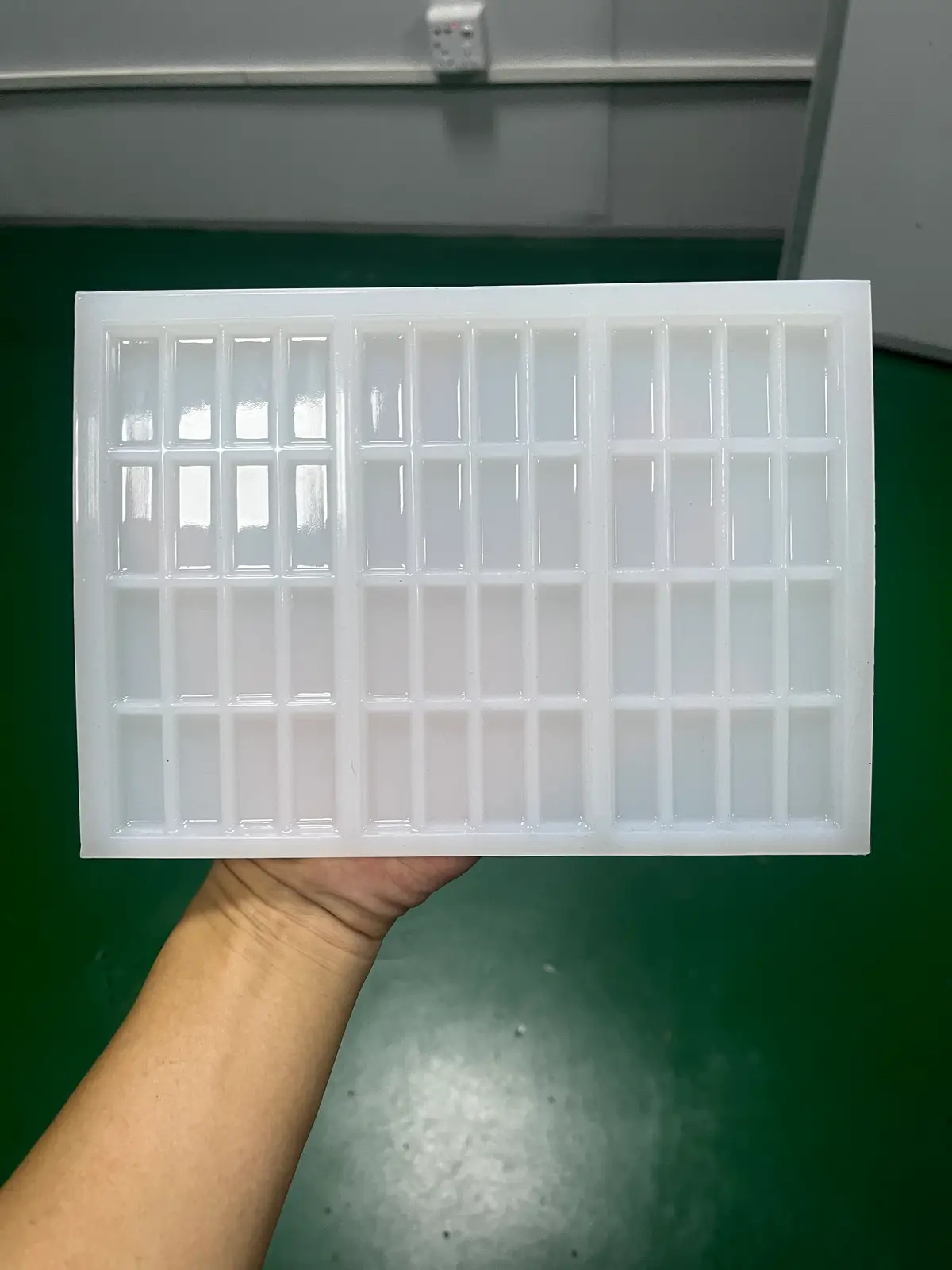
Pectin gummy tray, 90 cavities, then a CP soap trial "to see the logo." Logo looked fine. Retailer asked for a food pack. We recast twenty food trays from the sealed master (MOQ 20), retired the trial tray to soap. Prototype 3-7 business days after we confirmed lock - no new $50 CAD because millimetres had not changed. Two cabinets from then on.
Mix-up: "food-grade silicone means I can soap it and eat from it"
Food-path rubber is about the intended dump and the factory split, not a magic polymer that resets. Related: food-grade buyer spec, contact.
What to ask when you're buying
- Dump list for the life of the well - food, CP soap, M&P, fragrance?
- Two designs if you need both, two MOQ 20?
- Who keeps the clean master for a food recast?
- Lye on-site - how do you keep it off the food bench?
- After lock, 3-7 business days?
RFQ copy-pack - lye vs food cabinets
Paste into [email protected]:
Object: RTV tools, cabinets split, not an LSR/HCR part Design A dump: food (name it) Design B dump: soap / lye / fragrance (name it) Do not share wells File: STEP / STL / photos with a millimetre scale CAD: mold-ready OR USD $50 3D if that scope applies Prototype 3-7 business days after CAD lock, then MOQ 20 per design Who keeps each master
Send two dump lists if you have two SKUs, not "can I wash in between." We recast food - not a blank quote request. Phone +86 135 3006 2969. Xinhe Blvd, Shajing, Bao'an. Shop since 2018.
FAQ
Can I use a food silicone mold for cold-process soap once? You can, and that once retires it from food. Recast the food skin.
Will a dishwasher reset a soaped well? No. Fragrance and lye leftover are not a wash cycle.
Do I order MOQ 20 twice? If food and soap are two designs or two dedicated tools, yes - 20 per design. One mixed tray is not a food PO.
Is this the same as buying a silicone soap dish part? No. A molded *part* is an HTV product RFQ here. This is an RTV *tool* you pour soap or food into.
How fast is a food recast after a soap mistake? 3-7 business days after we confirm the clean master is still locked. USD $50 only if we must remodel. Mix 1:1 or 10:1.
Custom silicone development · DFM & prototype support
CAD, drawing, photos or sample details