
Turnaround Times for Prototype Silicone Tooling: Sample Delivery Schedules
A two-week silicone sample is four gates: DFM freeze, cut or print, tryout, FAI. Calendar time dies in waiting, not in spindle hours. Map the gates.
 Kyler Yang · Founder7 min read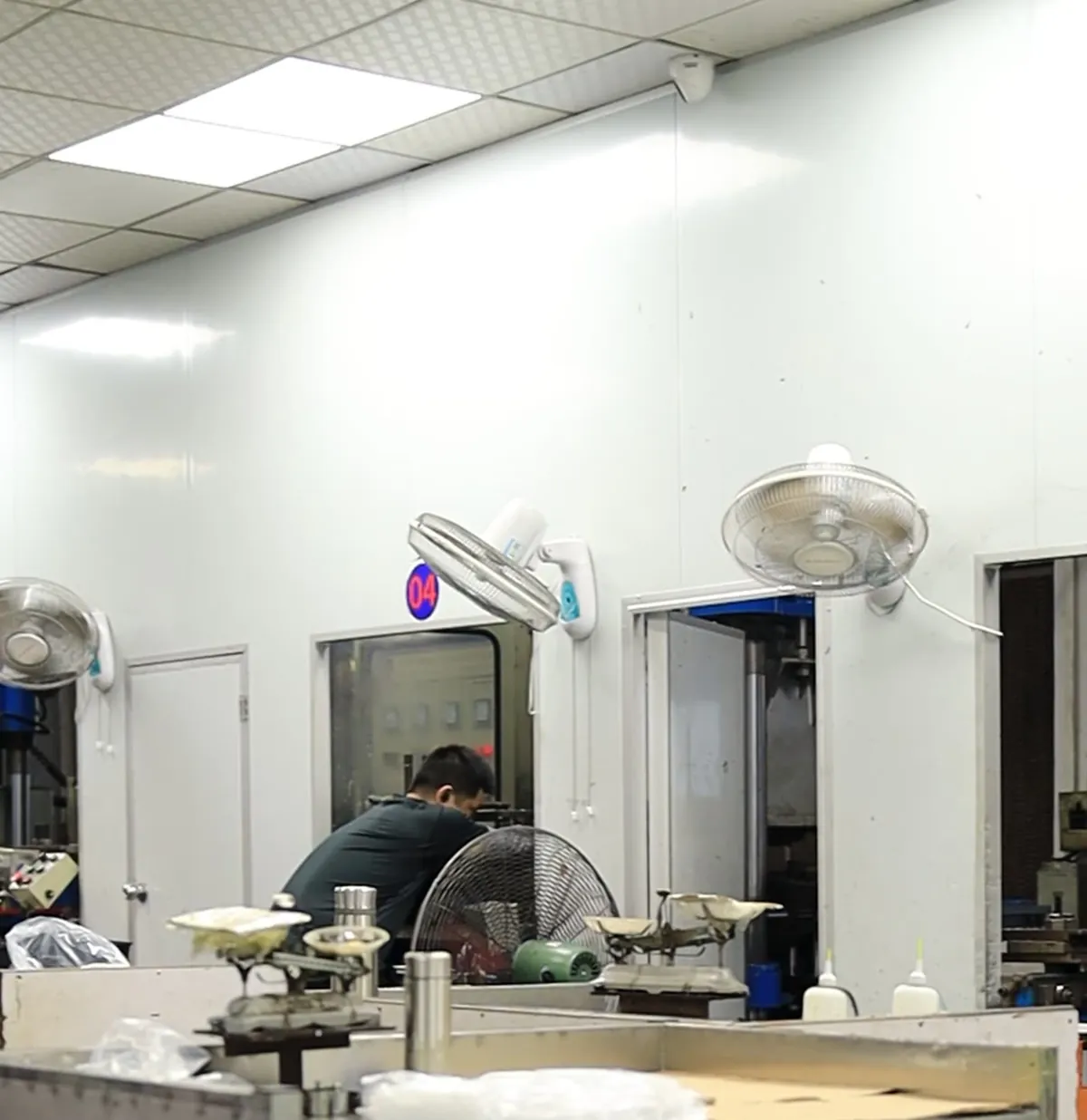
A “two-week sample” is usually four gates, and only one of them is cutting metal.
Prototype silicone lead time is a queue problem wearing a machining costume. Spindle hours on a 1-cavity aluminum insert are often a day or two. The rest is drawing freeze, material on the dock, press time on a sample cell, and someone with a CMM or a calibrated caliper who is not also running production.
If you need a date, schedule the gates. If you buy a single calendar number, you bought a hope.
Gate 1: The drawing has to stop moving
Nothing else is real until CAD, material, and the inspection list stop changing.
This gate includes:
- Parting line and gate intent (even on a prototype)
- Flash spec, cosmetic faces, and “as-molded” vs post-trim
- Compound family: platinum RTV, tin RTV, LSR grade, or HCR
- Shrink assumption the shop will cut to (LSR heat-cured shrink is not platinum RTV’s near-zero)
- Hardness, color, and whether this sample must be the production chemistry
Duration is almost entirely on the buyer. A shop that starts cutting while you still have two lip versions is not fast. It is generating scrap steel.
Do not pay for expedite on Gate 1. There is nothing to expedite except your own decisions.
Gate 2: Make the cavity
Pick the prototype mode, because the calendar is different.
Printed cavity / printed insert. Days, not weeks, if the printer is in-house and the resin can take the process heat. LSR still needs a frame, heaters, and a shutoff strategy. A print sitting on a bench is not a tool.
CNC aluminum, 1-cavity, open-and-shut. Often the next week after freeze if the cutter paths are simple. Slides, textures, EDM ribs, and high polish add calendar because they add *people*, not because aluminum is slow.
RTV tool off a master. Fastest when you already have a solid master (CNC, printed, or a part). The mold rubber’s cure is hours to a day. The master is the long pole: print + wash + post-cure + barrier coat if you are pouring platinum on an undercured resin pattern.
Steel “prototype” (SPI Class 105 intent). This is not a prototype schedule. It is a production tool with a short life rating. Treat it as weeks of design and build, even if someone labeled it proto.
Freight of the master or of electrodes, if any, sits in this gate. So does alloy on the shelf. “Aluminum” that is not in the building is a purchasing lead time.
Gate 3: Tryout, which is not a ceremony
First shots exist to find flash, shorts, burns, inhibition (for platinum RTV on dirty prints), and whether the cure window is sane.
A honest prototype tryout loop:
- Heat (LSR) or assemble (RTV), then first shots or first casts.
- Measure a short list: critical fits, flash, hardness after the agreed post-cure.
- One tool tweak if the issue is shutoff or vent, not a part redesign.
- A small sample lot, not a production release.
This gate dies when the sample press is booked, when the LSR pail is not the agreed grade, or when the buyer wants “a few more” after changing a rib. Shops that quote “tooling 10 days, samples included” have either bundled a thin tryout or they will invoice the second loop.
RTV vacuum casting tryout is shorter per iteration and noisier dimensionally. LSR aluminum tryout is longer and more predictive. Do not compare their clocks as if they produced the same object.
Gate 4: The packet that lets you use the parts
Samples without data are props.
Minimum packet for a prototype silicone lot:
- As-molded (or as-cast) vs post-cured state, named
- Material batch / grade identity
- Dimensional check against the drawing, even if it is five balloons, not a full FAI
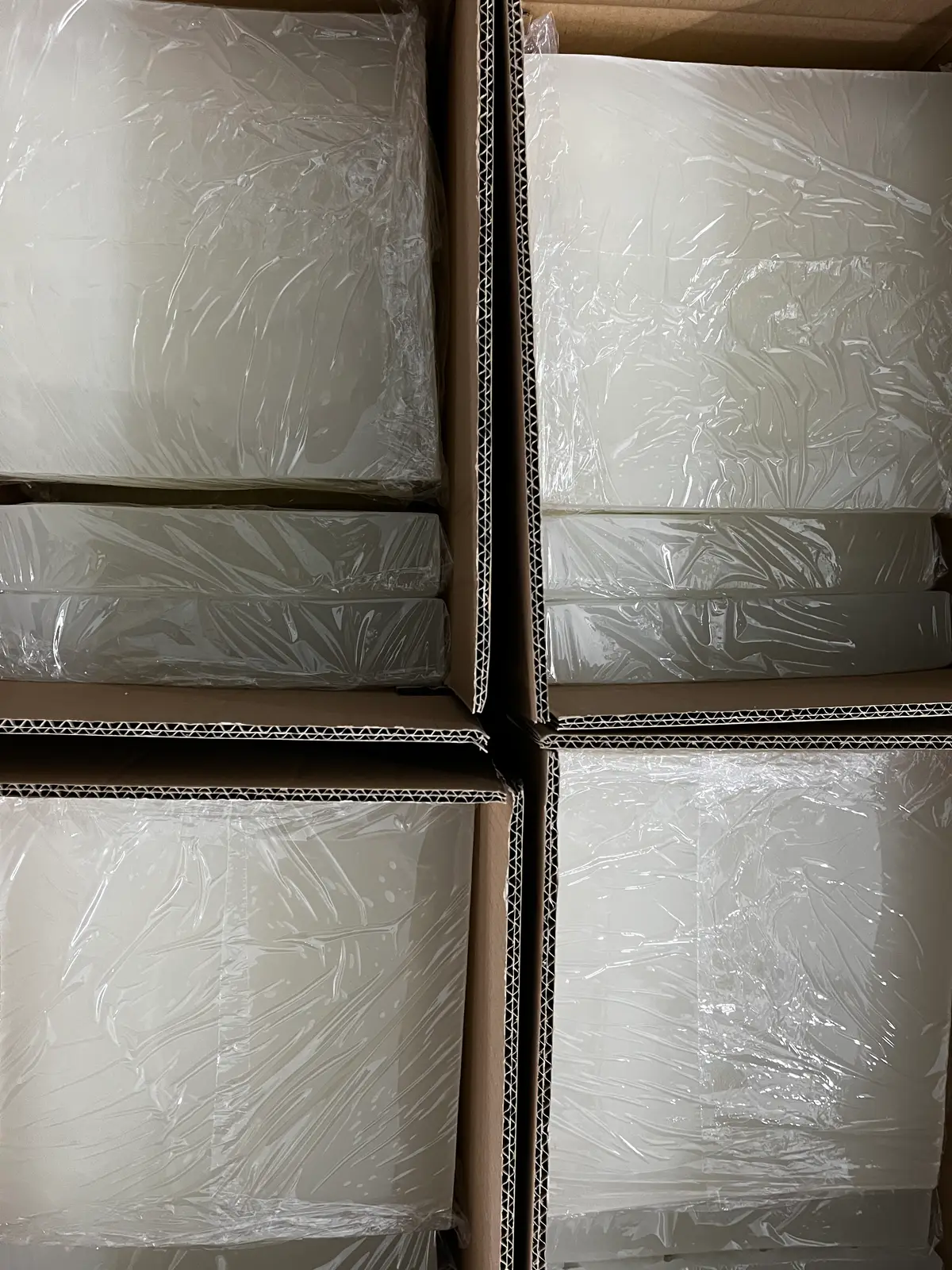
- Visual standard: flash, flow lines, knit, transparency
If you need a full first-article packet, say so at Gate 1. Adding it at ship date adds a week you will blame on the shop.
A schedule you can put on a whiteboard
Ranges, not promises. Local queues move them.
| Path | After CAD freeze, typical shape |
|---|---|
| RTV tool off an existing master | Days to a short week for first casts |
| RTV tool off a new printed master | Add master print + post-cure + inhibition control |
| Printed LSR insert in an existing frame | Days to a week, *if* heat and shutoff are already solved |
| New 1-cavity aluminum LSR, open-and-shut, simple polish | On the order of 2-4 weeks including tryout, not spindle time alone |
| Aluminum with slides or heavy texture | Add design and fit time; think extra weeks, not extra hours |
| Class 105 steel labeled “proto” | Production-tool calendar with prototype life |
“24-hour silicone samples” are almost always RTV off a ready master, or a reprint of a part, not a new LSR tool.
Where buyers add weeks without noticing
- Shipping a master without a material callout, then arguing inhibition.
- Asking for production color on the first LSR shot when the color paste is a special order.
- Requiring full PPAP-like paperwork on a 1-cavity aluminum tryout without listing the forms at RFQ.
- Splitting DFM across three emails so freeze never happens.
- Paying for “expedite” that only jumps the queue at Gate 2, while Gate 3’s press is still booked.
A date with no gates is not a schedule
Do not buy a single date with no gate list.
Do not buy steel lead time when you asked for a prototype.
Do not buy an RTV calendar when the question you need answered is LSR flash at heat.
Write the PO like this: “Samples due as four dated gates: freeze (buyer), cavity complete, first shots, FAI/sample packet. State which process. Expedite applies only to named gates, not to drawing changes.”
FAQ
Why is a "two-week sample" usually four gates?
Only one gate is cutting metal. The others are drawing freeze, cavity make, tryout, and a packet that lets you use the parts. Spindle hours on 1-cavity aluminum are often a day or two. Calendar dies in queues and waiting.
Should I pay expedite while two lip versions are still open?
No. Gate 1 is the buyer's freeze of CAD, material, flash, and inspection. A shop that cuts during that argument generates scrap steel. Expedite applies to named later gates, not to drawing changes.
Is SPI Class 105 steel a prototype schedule?
It is a production tool with a short life rating. Treat it as weeks of design and build even if someone labeled it proto. Printed inserts and RTV off a ready master live on a different clock.
Why are "24-hour silicone samples" almost never a new LSR tool?
They are almost always RTV off a ready master, or a reprint of a part. New 1-cavity aluminum LSR with tryout is on the order of weeks including people for polish, slides, and press time, not spindle time alone.
What buyer moves add weeks without looking like delay?
Shipping a sticky master into platinum RTV costs a week to inhibition. Production color on shot one waits on a special-order paste. Full PPAP-like forms added at ship date, DFM split across emails so freeze never happens, and expedite that only jumps Gate 2 while the sample press is still booked all add calendar without looking like delay.
Ready to order custom silicone molds?
Free quote for OEM/ODM projects. MOQ 20 · Prototype 3-7 days · FDA/LFGB available.