
Skin-Safe Platinum: RTV Mold Rubber vs Wearable SKU
Skin-safe is platinum chemistry plus a scoped ISO 10993 plan, not a label. The RTV mold that copies a sculpt is usually not the liner. Keep tin off skin.
 Kyler Yang · Founder9 min read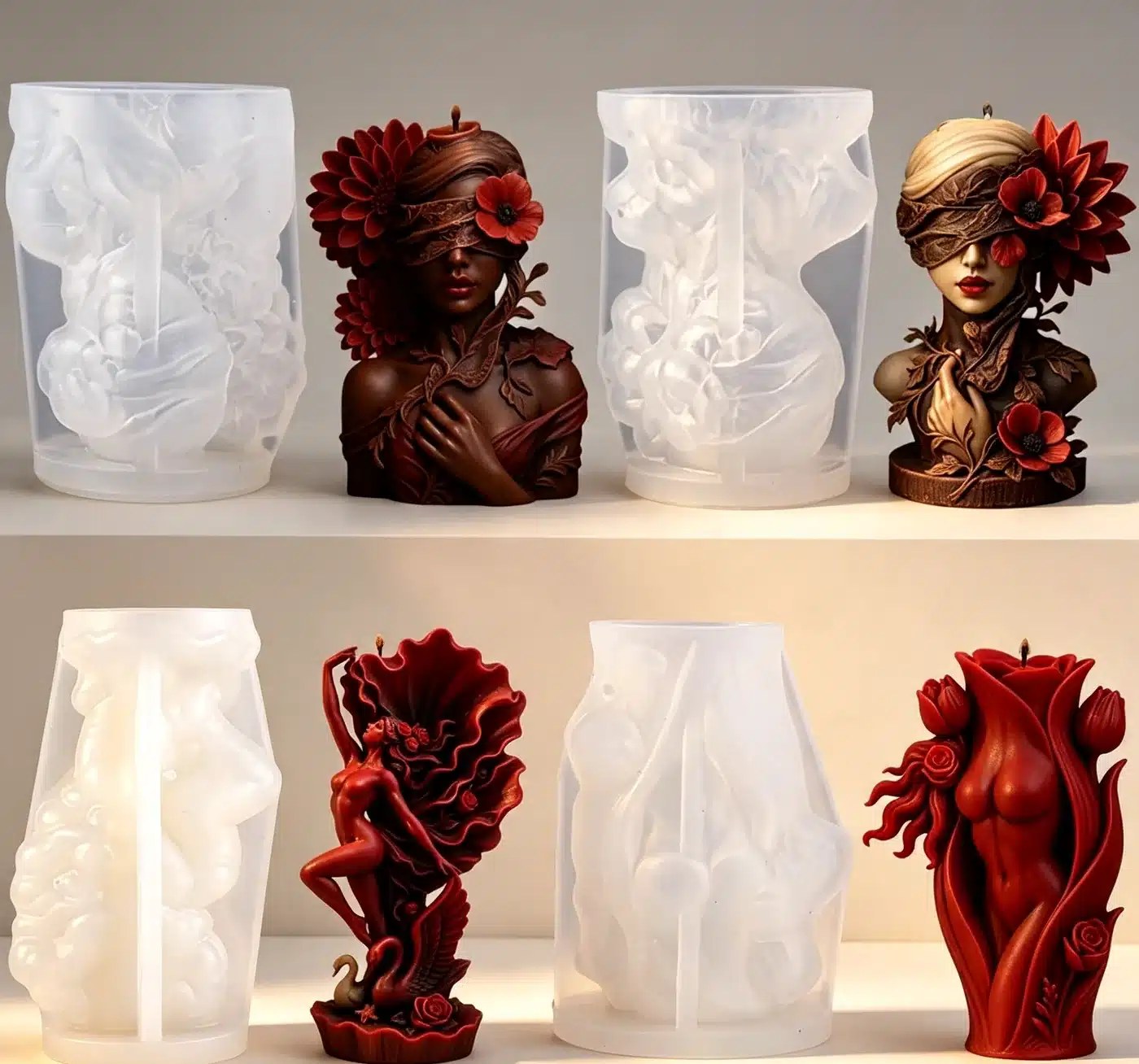
Skin-safe is not a marketing grade. For wearables and prosthetics it is platinum chemistry, control of residuals, and a biological evaluation scoped to contact duration. A skin-safe icon on a craft RTV bottle is not the same file as a socket liner that will sit on residual limbs for ten hours a day. On this site we usually select the mold rubber that copies the sculpt. The article that touches skin is often a second platinum SKU poured or painted into that cavity.
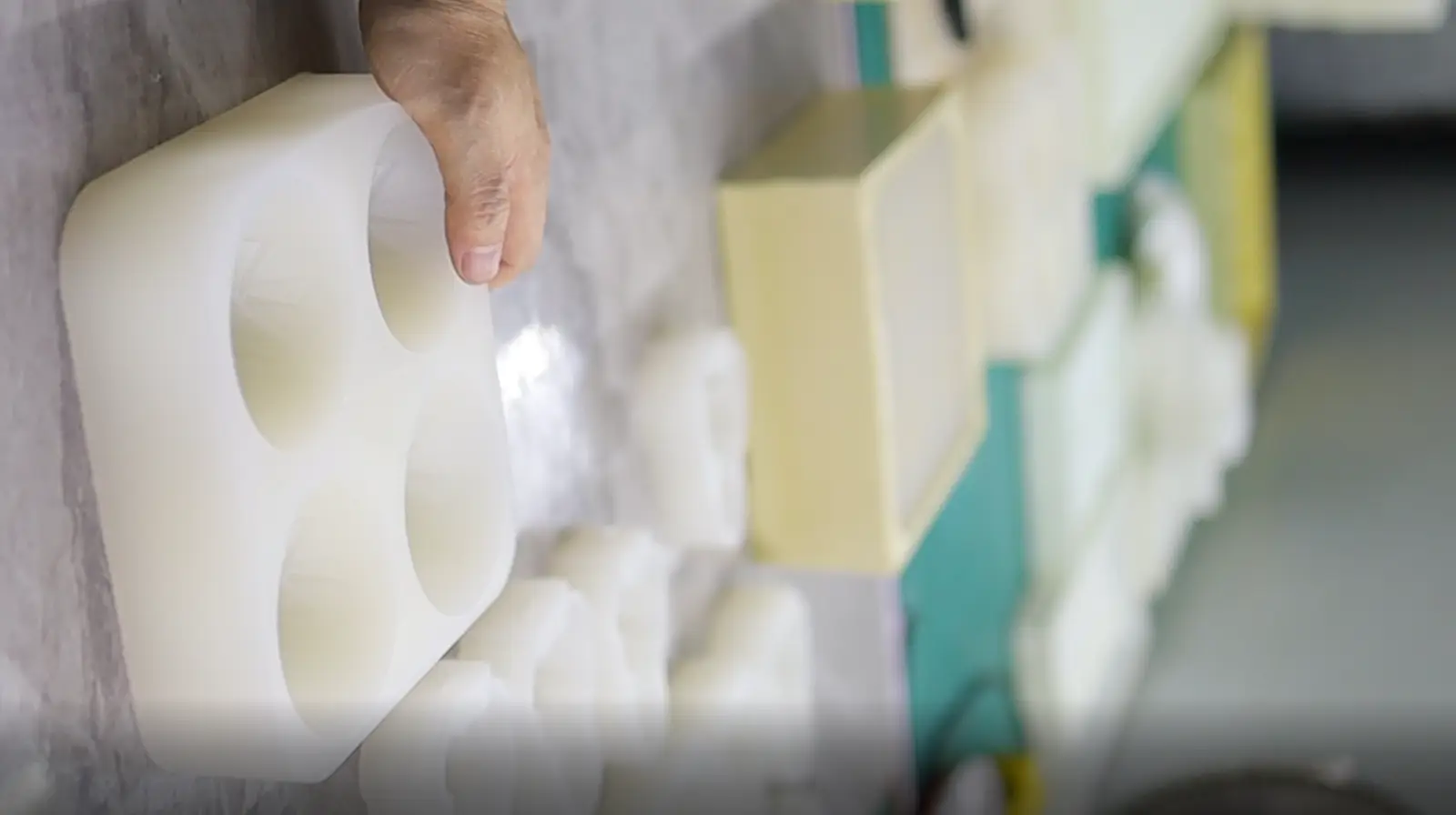
On this site the path is photos, sketch, or CAD, then a 3D-printed pattern, often a temporary silicone flip, a resin production mother, then batch RTV. The mother is not the pattern. Free DFM. HTV/HCR compression mold tooling is also quoted on RUUIPON.
The object on this page
For a device or a prosthetic that contacts intact skin: platinum (addition) silicone, not tin-cure. No unapproved process aids on the part: no sacrificial mold release, no oil bloom used as a finish, no craft pigment from a hardware jar. Post-cure per the gum supplier's healthcare schedule when volatiles matter. ISO 10993 scoped to the contact. USP Class VI still appears on datasheets. Treat it as a historical screen. Do not use it as a substitute for a 10993 plan on a wearable you will sell as a device. If the product is a costume appliance sold as novelty, that does not make tin-cure plus oil paint a good idea on broken skin.
Most wearables mix a skin-facing elastomer with electronics, adhesives, and textiles. The mold rubber that copies the sculpt is one spec - often 10A-20A platinum RTV, high-tear, jacket / mother-mold support shell if the pour is large - on the locked path. Barrier-coat printed patterns so platinum does not inhibit. The article is a healthcare-grade platinum, post-cured, pigmented with colors that belong in that file. Mixing those two purchases as one hardness choice is a common procurement error. If your email still says "master, box, keys, jacket" as the buy, you are listing shop furniture, not the object.
Liners, sleeves, and facial prostheses worn for hours are prolonged contact, sweat, and cleaning chemicals. Tear strength is a clinical durability spec. A liner that rips at the distal end is a patient-safety problem, not a cosmetic one. The mold that copies the sculpt can be a high-tear 20A platinum RTV. The liner compound is a different SKU. Inhibition is a wearable-specific trap: some adhesives, silver inks, and foam tapes poison platinum at the bond line. Test the actual stack.
Common mix-up
A 10A RTV glove that copies a sculpt is not a 10-hour socket liner. Two line items. Same email said skin-safe mold. Catalog copy that says cut a resin master skips the pattern-vs-mother split. We will not quote that sentence.
Typical shop values
Reference values only. Confirm material-specific limits against the supplier’s technical data and agree project acceptance criteria before production.
| Item | Typical shop value |
|---|---|
| Path (mold) | Photos / sketch / CAD, 3D-printed pattern, often a flip, resin production mother, batch RTV |
| Mold skin | Platinum 1:1 or 10:1, often 10A-20A, support shell if wet/large |
| Flesh appliance pour | Often 00-20A neighborhood for flesh; firmer cores |
| Platinum shrink (mold) | About 0.1-0.3% after full cure |
| Contrast: LSR part shrink | About 2-3% - different RFQ, finished parts an HTV product or mold RFQ here, or a different LSR-tool RFQ - ask us |
| USP Class VI | Historical screen, not a 10993 substitute |
| DFM / CAD / proto / MOQ | Free DFM; USD 50 when we edit 3D; 3-7 days after CAD lock; 20 pcs/design |
Worked example
Platinum RTV skin of a sculpt, 20A, support shell, to cast a facial appliance worn about 8 hours - this site, healthcare cast compound as a separate SKU. After CAD lock: pattern, often a flip, living mother, batch RTV. Sister PO: 50,000 LSR watch straps, Class 8, cold-runner - a different RFQ - ask us. Same email said skin-safe mold.
Stay on this page / skip this page
Stay when the platinum is the RTV cavity of a sculpt, and maybe a second healthcare SKU for the pour.
Skip LIM parts in a classified room - a different RFQ - ask us. Skip if you already know you need a compression mold - RUUIPON HTV/HCR mold RFQ. A tiny open-back appliance can skip a heavy support shell. A large wet-cast prosthetic still needs a support shell.
We will not recommend tin-cure plus oil paint on broken skin. We will not treat a craft skin-safe icon as a 10-hour liner file. We will not raise mold Shore A first to make it medical. We will not treat USP Class VI as a 10993 substitute. We will not paste LIM strap tooling onto a sculpt cavity. We will not cut a resin master as the written shop path.
Related: what tooling means, custom RTV molds, contact.
What to send
- Is the RTV the mold, the skin-contact article, or both?
- Contact: intact skin / mucosa / compromised skin; hours per day and days of use
- Platinum, not tin? Post-cure? Allowed pigments?
- Ban on sacrificial release against the article
- Whose ISO 10993 plan - molder or OEM
- Sculpt / STEP; photos, sketch, or CAD
Send the pack to [email protected] or contact.
- What is the platinum? - RTV cavity of a sculpt -> This site: pattern, often flip, mother, batch RTV
- What is the platinum? - Patient-contact article at volume -> 10993 on the article; maybe LIM an HTV product or mold RFQ here, or a different LSR-tool RFQ - ask us
- This site: pattern, often flip, mother, batch RTV -> Often a second healthcare SKU for the pour
- 10993 on the article; maybe LIM an HTV product or mold RFQ here, or a different LSR-tool RFQ - ask us -> LSR straps / ear tips?
- LSR straps / ear tips? - yes -> an HTV product or mold RFQ here, or ask us if you need a high-volume LSR cold-runner tool: finished parts
- This site: pattern, often flip, mother, batch RTV -> Platinum not tin; no cavity oil; post-cure the article
FAQ
Is a craft bottle's skin-safe icon enough for a socket liner worn ten hours a day? No. Skin-safe here is platinum chemistry, control of residuals, and ISO 10993 scoped to contact duration. USP Class VI is a historical screen, not a 10993 substitute.
Why is tin-cure the wrong path for prolonged skin contact? Tin catalyst and condensation byproducts are the wrong residuals, and tin RTV is not the usual ISO 10993 path. Ban unapproved process aids on the part. A strap that still smells of siloxane is not finished.
How can a wearable be two silicones in one product? The mold rubber that copies the sculpt is one spec; the skin-facing article, adhesives, textiles, and electronics are others. Test the actual stack for platinum inhibition against PSA, inks, and foams.
Why is liner tear strength a patient-safety spec, not a cosmetic one? Liners and sleeves see prolonged contact, sweat, and cleaning chemicals. A rip at the distal end is a clinical failure. Do not buy mold Shore and liner Shore as one hardness choice.
Can I paint a wearable device with artist oils or flesh paint? Extrinsic paint takes you out of the biological file unless you re-evaluate the finished painted article. Intrinsic color from a listed pigment at a supported loading is the cleaner device path. Encapsulated paint is common in film work; call it film work.
Custom silicone development · DFM & prototype support
CAD, drawing, photos or sample details