
CNC vs SLA vs DLP Masters for an RTV Silicone Mold
There is no universal best master for an RTV cavity. CNC and SLA/DLP often produce the pattern, not the final RTV silicone mold and not always the resin production mother we pour batch RTV against. CNC is the usual pick when flatness, logo depth, or a hard datum is commercial. SLA or DLP is the usual pick when the shape is sculptural and a machine path would be slow. A physical sample wins when texture must copy and CAD would invent the grain. Choose backward from the dump: what has to be true on the cavity, then pick the pattern process. A finished print is often a pattern, not the final production mother. Common shop path: print → temporary silicone flip → cast resin production mother → pour batch RTV molds. CNC masters and direct pour-on-print remain valid DFM choices when named - do not imply every job skips the flip/resin-mother stage. A perfect platinum pour cannot correct a wrong pattern.
RUUIPON finishes masters and pours RTV tools in Bao'an, Shenzhen (Licheng Technology Industry Park, Xinhe Blvd, Shajing; USCC 91440300MA5FAXCN9W) since 2018. Simple 3D is USD 50 when that CAD scope applies. Prototype is 3-7 business days after CAD lock. Production is MOQ 20 pieces per design. This page compares pattern processes for RTV. Do not frame CNC vs SLA as competing final RTV masters only. HCR/LSR part tools are quoted here as HTV products or molds, or as a different LSR-tool RFQ - ask us.
Where this page sits
The master-plus-prototype commercial URL is silicone mold master and prototype. How to wash, seal, and patch-test a print is prepare a 3D-printed master. Tacky platinum on an SLA face is cure inhibition. Geometry cleanup is design service. The working first tray is silicone mold prototype. This page covers CNC vs SLA/DLP (and when a physical sample beats both).
Start from the feature that can fail the job
Ask which of these is commercial: cosmetic finish, tiny lettering, dimensional fit, deep organic shape, master size, strength when the RTV peels, platinum compatibility, or revision speed. A 40 mm logo candy pocket and a 900 mm sculpture should not share one master habit.
When CNC is the master
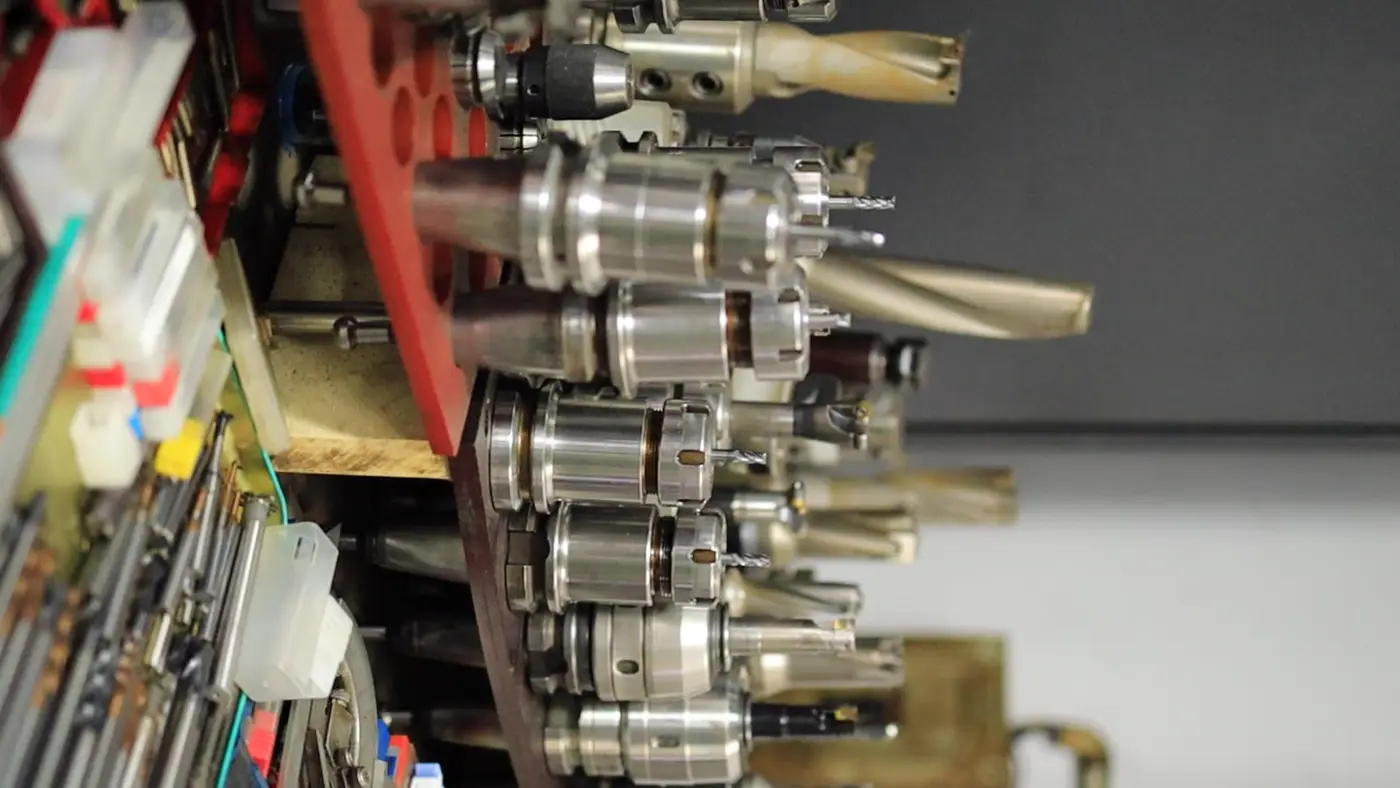
Name whether CNC is the production mother we pour batch RTV against, or only the pattern before a temporary silicone flip and a resin production mother. Machine when you need flat trays, simple 2.5D reliefs, controlled radii, mating or sealing faces, large flatness, or a surface you can polish. You avoid photopolymer inhibition from the substrate itself. Coatings, fillers, and wax still need a coupon if they touch platinum. CNC gets expensive on deep organic undercuts and sculptural grain that would take a long toolpath. When we batch many skins, we often flip a temporary silicone tool from the CNC pattern and cast a resin production mother rather than pouring every RTV cavity on the first mill.
When SLA or DLP is the master
Print when you need fine text, figurine detail, compound curves, or fast cosmetic revisions. A finished print is often a pattern, not the resin production mother. Smooth off the printer is not chemically ready. Wash, full post-cure, finish, and a 20 g platinum slug on a hidden land before you commit a production cup. DLP vs SLA is equipment behavior (pixel, orientation, resin). Buyers should ask what finish and what verification the pattern gets, and whether we will flip a temporary silicone tool and cast a resin production mother for batching, not which printer logo is on the brochure.
Inhibition patch before the full pour
If platinum is solid everywhere except the print-facing skin, that is interfacial inhibition. Mix a cup control. If the cup cures and the master face stays greasy, stop. Reclean, finish the post-cure, seal only if the coupon passes, or remake in another resin / CNC. Waiting longer is not a reliable fix. The coupon protocol is cheaper than a sticky cavity. Detail: inhibition page.
Finish becomes the cavity
RTV copies layer lines, support scars, sanding waves, and polish. Approve the master surface before A/B is weighed. A seal coat has thickness - on a 0.4 mm logo it can erase the brand. Measure critical features after finishing. Photograph the locked master. That picture is how you later decide whether a dump defect started on the pattern or in the rubber.
Typical shop values
Reference values only. Confirm material-specific limits against the supplier’s technical data and agree project acceptance criteria before production.
| Question | CNC | SLA / DLP |
|---|---|---|
| Flatness / hard datums | Strong | Verify after finish |
| Organic / sculptural | Slow / costly | Strong |
| Fine lettering | Possible, toolpath-heavy | Strong if washed and post-cured |
| Platinum inhibition from the substrate | Low; coatings still need a coupon | Must patch-test the resin/process |
| Revision speed on cosmetics | Moderate | Usually faster |
| Large master | Cost rises with stock and time | Often sectioned and assembled |
| 3D / CAD | USD 50 when that modeling scope applies | |
| Prototype after lock | 3-7 business days, then MOQ 20 per design | |
| Contact | [email protected] · +86 135 3006 2969 | |
Hybrid masters
CNC a flat tray base and print decorative inserts. Print a sculpture and machine the mounting face. Scan a sample, rebuild datums in CAD, then print the free-form. Use a replaceable CNC logo insert when SKUs share a body. Hybrid is how you avoid remaking the whole pattern for one brand change.
Worked example: 18-cavity chocolate
Typical job, not a named PO. Each pocket is a 40 mm round with a smiley. Spacing and a clean food face are commercial. We CNC the layout as the pattern when grams and pitch matter; we will print the smiley only if a coupon shows the resin will not inhibit platinum and the finish matches the approved gloss. For a batch of RTV trays we may flip a temporary silicone tool from that pattern and cast a resin production mother rather than treating the first CNC or SLA part as the only production mother. Automated fixture datums push the base toward CNC. The artwork alone does not pick the printer.
Master strength on demold
RTV will grip a deep undercut. A brittle printed ear can snap on the first peel and wreck both pattern and skin. Options: stronger stock, a removable master piece, a different split, a local plug, or a change to the order you extract sections. Soft Shore does not save a weak master.
What to approve before we mix A/B
CAD revision, critical dimensions, cosmetic standard, logo depth, allowed repair marks, parting relationship, master process, and a coupon result if the pattern is a photopolymer. Do not approve only a rendering.
When this page does not apply
This comparison does not replace the master-prototype hub, the print-prep essay, or the inhibition diagnosis page. It does not apply if you are buying a molded silicone part in HCR or LSR - that master/tool path is an HTV product RFQ here. A catalog ice shape that already exists does not need a CNC-vs-print debate. A dirty sulfur clay you want copied as-is still needs a barrier conversation, not a printer brand.
RFQs we will not accept as-is
Picking SLA because it is "high-res" with no coupon on platinum. Pouring a full food logo to "see" inhibition. Asking which printer brand to buy instead of which feature can fail the cavity. Sending an HCR/LSR part tool through this RTV master compare. Asking us to freeze finish after the rubber is already mixed.
Matched next step
Send CAD or reference images, mark the surface that matters most, and name the critical dimensions. We will say CNC, SLA/DLP, physical sample, or hybrid - and whether USD 50 3D still applies. "Best master, 20 pcs" with no feature list is not a quote.
Send the master-process pack · Master and prototype · Prototype hub · Design service · Print prep
[email protected] · +86 135 3006 2969 · Licheng Technology Industry Park, Xinhe Blvd, Shajing, Bao'an, Shenzhen. USCC 91440300MA5FAXCN9W.
FAQ
Is DLP better than SLA for RTV? Not as a slogan. Finish, wash, post-cure, and the coupon decide. Ask what verification the master gets.
Does CNC always avoid inhibition? The stock usually does. Paint, sealer, and wax still need a patch.
Can I supply my own print? Yes. Send resin name, wash/post-cure, and any coating. We still want a slug on a hidden land.
When is USD 50 3D in scope? When we still have to model a simple production-ready solid. Sculpture rebuild is quoted separately.
What happens after the pattern is locked? After CAD lock we typically 3D-print or CNC a pattern, often flip a temporary silicone tool, cast a resin production mother, then pour the RTV prototype in 3-7 business days. Then MOQ 20 per design if the dump passes.