
Kyler Yang··8 min read·Design & DFM
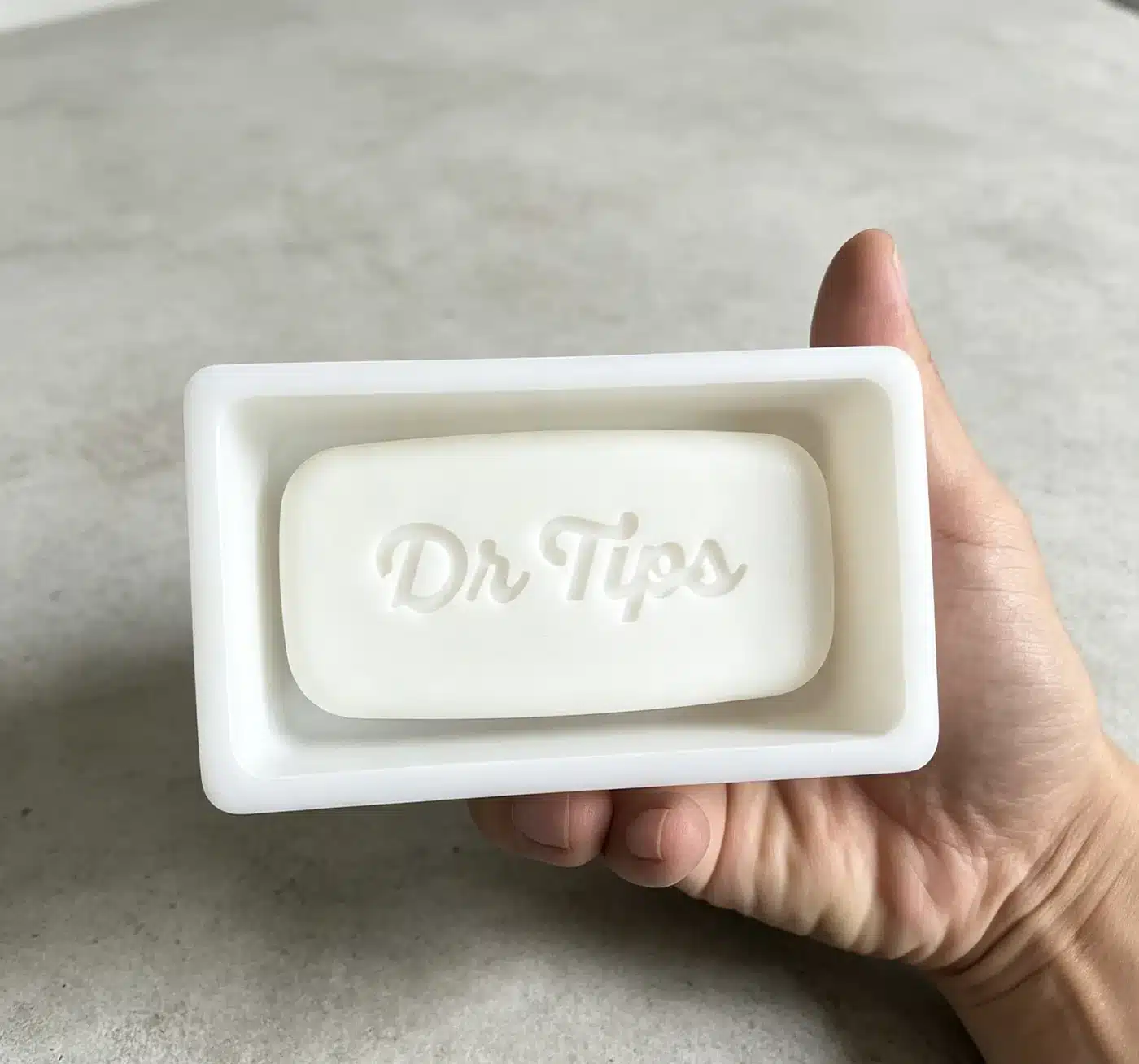
Multi-Cavity Silicone Mold Layout
Choose cavity count and spacing around your equipment, tray dimensions, loaded weight and release method. Compare one large tray with smaller supported layouts.
Read article -Custom silicone development · RTV mold MOQ from 20 · DFM & prototype support
Explore practical silicone mold guides from RUUIPON, covering design, release, materials and production planning. Start with the problem you need to solve, then open the relevant product page when you are ready to discuss a quotation. CAD, drawings, samples and measured reference photos can all help define the project.
A broad DFM guide covering release, undercuts, splits, detail, multi-cavity layout, material selection and prototype validation.
The information that helps a supplier identify the correct mold structure, process, quantity and documentation requirements.
Understand when a flexible casting mold, compression tool or LSR tool fits the product.
Understand what food-contact documentation means and what to request for the destination market.
Use this cluster for one-piece vs two-part molds, undercuts and split molds, registration keys, wall thickness and support, edge radius, logo/text detail, tolerance and shrinkage, and DFM review.
One-piece vs two-part · Undercuts and split molds · DFM review
Use this cluster for gummy mold design, gummy size and cavity volume, chocolate molds, baking, ice and food-contact documents.
Use this cluster for platinum vs tin cure, vacuum degassing, cure time, RTV vs HCR/HTV vs LSR, and overmolding.
Use this cluster for RFQ preparation, low MOQ, lead time, custom vs off-the-shelf, factory sourcing, prototype to production, and ownership/reorder.
RFQ guide · Low MOQ · Custom vs off-the-shelf · Manufacturer
Use this cluster for common defects, tearing, resin bubbles, storage/warping, lifespan and cleaning.
Common defects · Resin bubbles · Storage and warping · Mold lifespan
Latest articles · 412 guides · page 3 of 42 · 10 per page
Title preview
Choose cavity count and spacing around your equipment, tray dimensions, loaded weight and release method. Compare one large tray with smaller supported layouts.
Read article -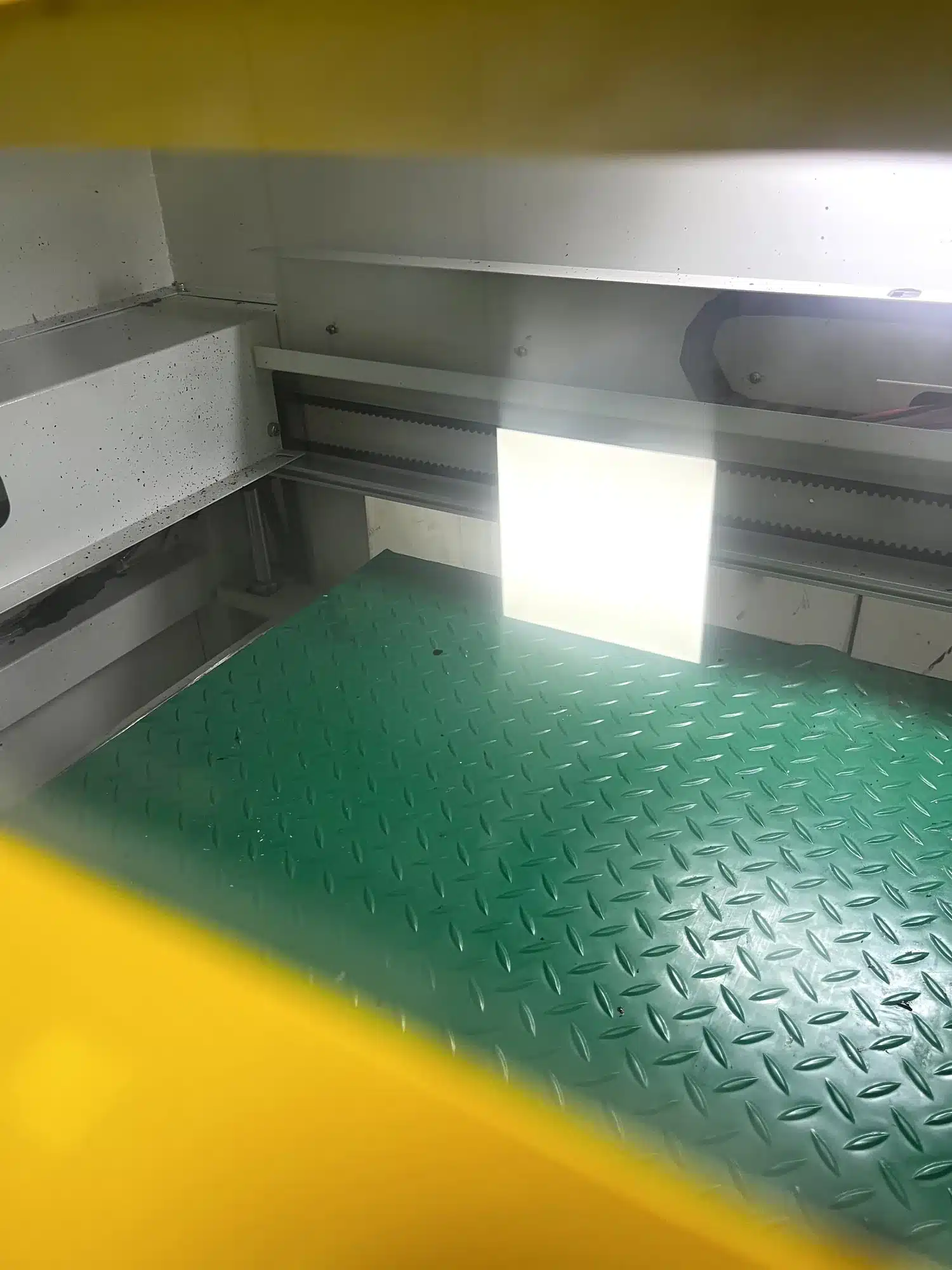
Quote the finished object, the pour, and how it leaves the cavity. Shore A and wall thickness come after that.
Read article -
3D modeling cost depends on whether the factory is cleaning CAD, rebuilding geometry, reverse engineering a sample or sculpting an organic form. Learn what buyers are actually paying for.
Read article -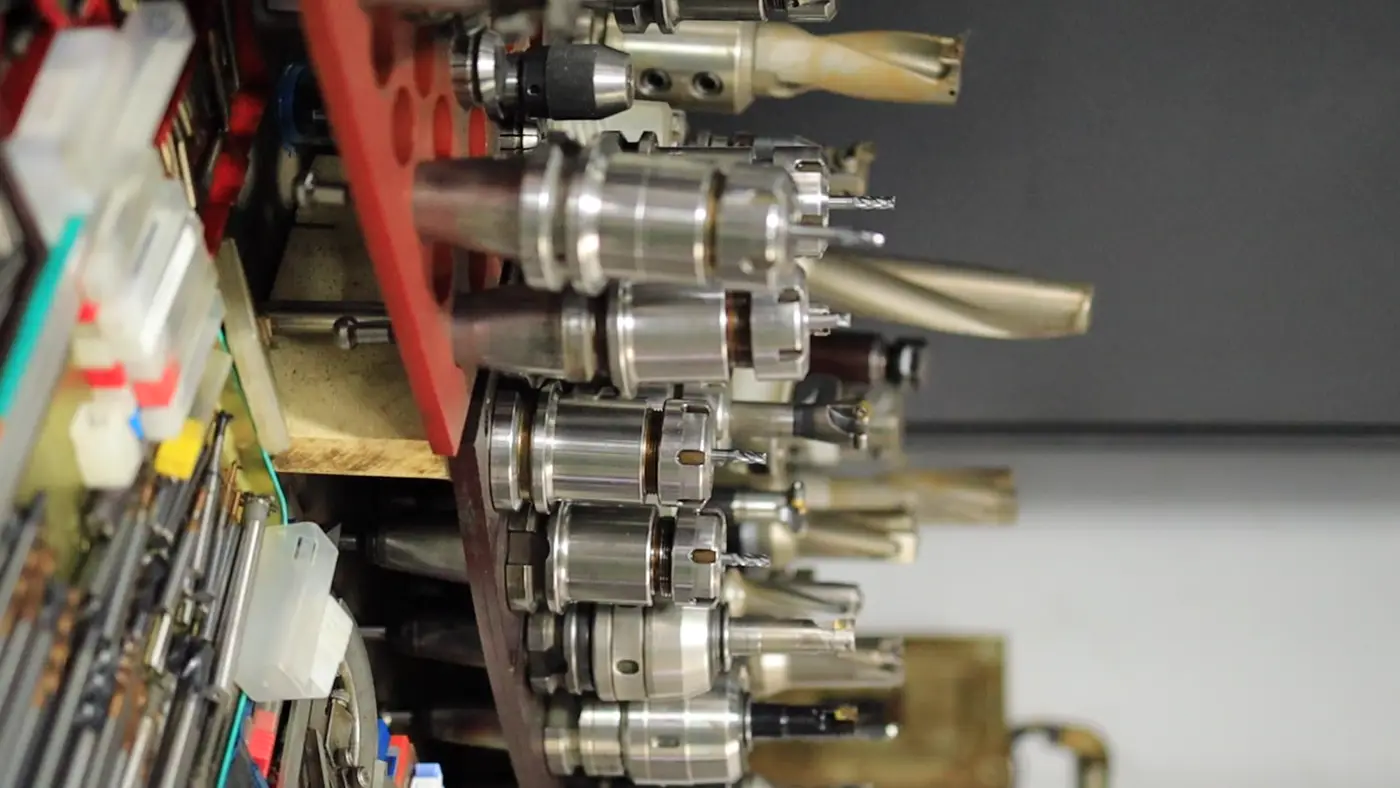
Why two-part molds, removable cores, FRP mother molds and high-cavity RTV trays cost more-and when the added structure is actually justified.
Read article -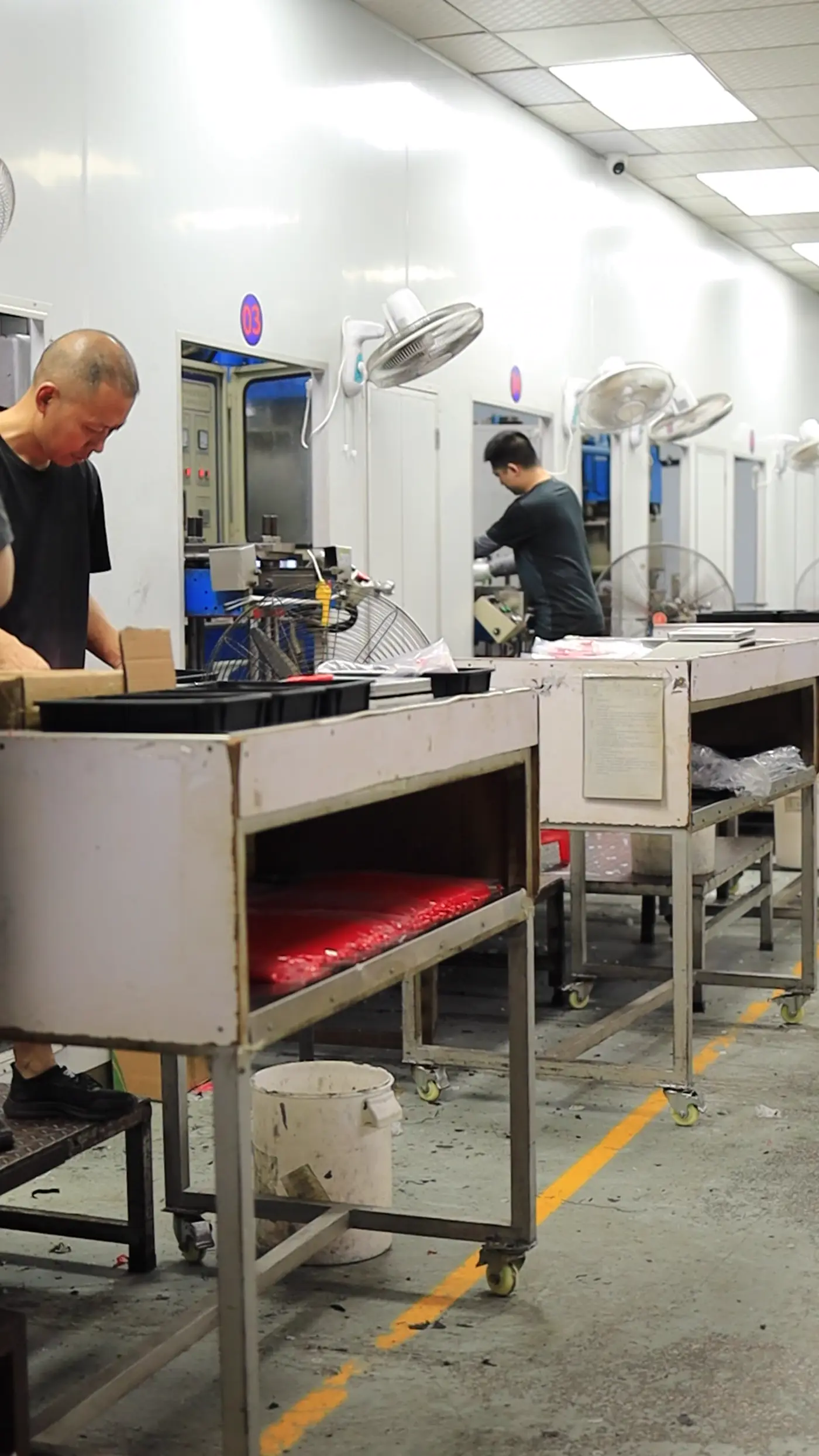
A custom RTV tooling fee may cover CAD, DFM, master production, prototype, cores, mother molds and test casting. Learn what buyers should ask to see itemized.
Read article -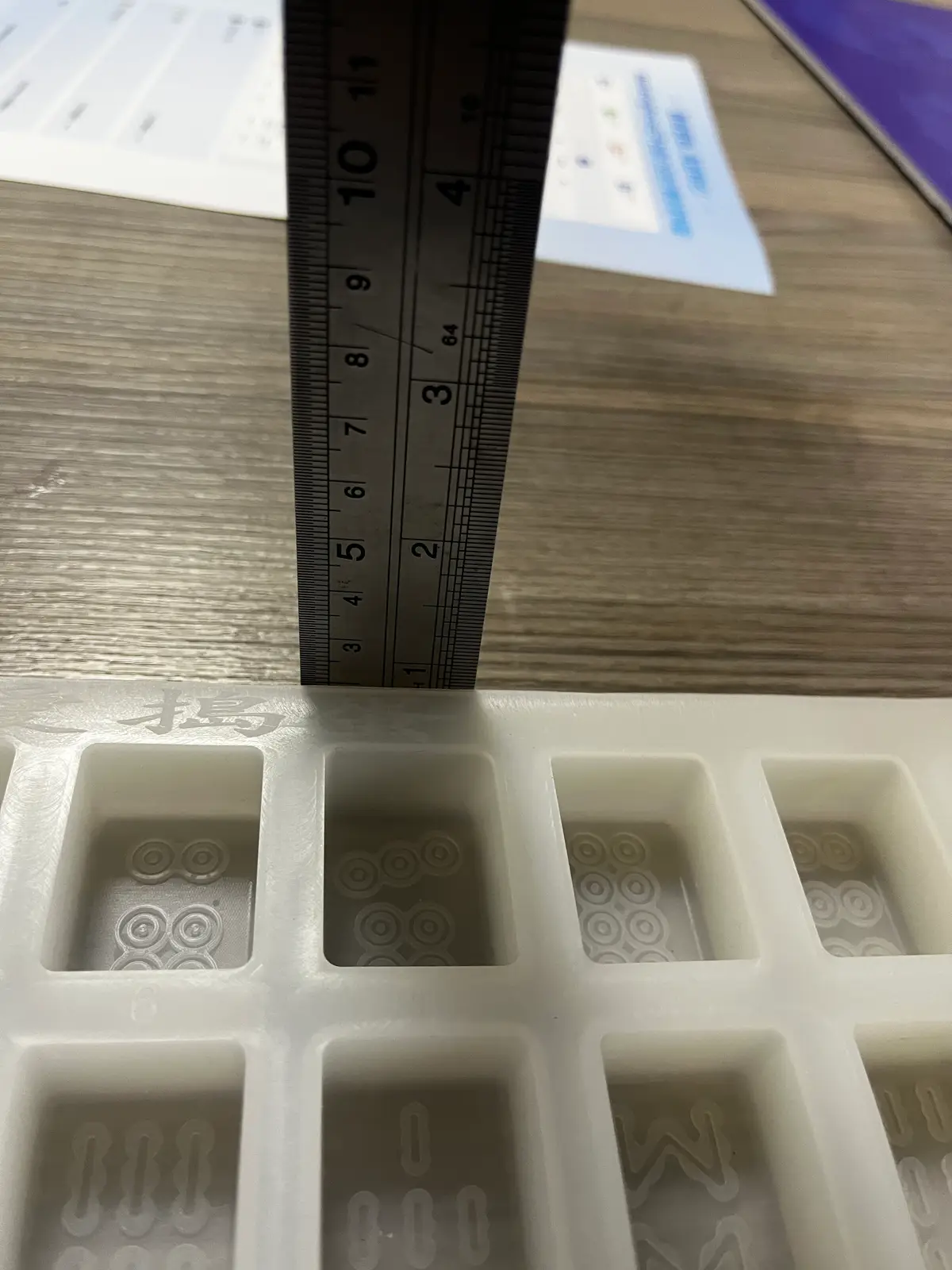
Compare custom silicone molds by cost per good casting, not only unit price. Include usable cycles, operator labor, rejects, downtime, freight and replacement cost.
Read article -Which 3D file should you send for a custom silicone mold? STEP is best for editable dimensions, STL for meshes/printing, and OBJ for sculpted/textured geometry.
Read article -
Size the vacuum pot to the mixed cup, not the pump. Foam rise needs headspace. Overflow, weak pull, and when a bigger chamber still fails. MOQ 20, $50 CAD.
Read article -
A cold bench thickens platinum, stretches pot life, and fakes inhibition. Heat the rubber and the room, not the logo with a torch. Typical shop. MOQ 20.
Read article -
Tin RTV needs moisture to condense-cure; a dry room stalls it. Platinum is addition-cure. Condensation on the master is a different fault. MOQ 20, $50 CAD.
Read article -