

Kyler Yang··8 min read·Food & confectionery
FDA vs LFGB for Food-Grade Silicone Molds
FDA 21 CFR 177.2600 and LFGB sections 30/31 are different tests. A report for one market does not cover the other.
Read article -Custom silicone development · RTV mold MOQ from 20 · DFM & prototype support
Explore practical silicone mold guides from RUUIPON, covering design, release, materials and production planning. Start with the problem you need to solve, then open the relevant product page when you are ready to discuss a quotation. CAD, drawings, samples and measured reference photos can all help define the project.
A broad DFM guide covering release, undercuts, splits, detail, multi-cavity layout, material selection and prototype validation.
The information that helps a supplier identify the correct mold structure, process, quantity and documentation requirements.
Understand when a flexible casting mold, compression tool or LSR tool fits the product.
Understand what food-contact documentation means and what to request for the destination market.
Use this cluster for one-piece vs two-part molds, undercuts and split molds, registration keys, wall thickness and support, edge radius, logo/text detail, tolerance and shrinkage, and DFM review.
One-piece vs two-part · Undercuts and split molds · DFM review
Use this cluster for gummy mold design, gummy size and cavity volume, chocolate molds, baking, ice and food-contact documents.
Use this cluster for platinum vs tin cure, vacuum degassing, cure time, RTV vs HCR/HTV vs LSR, and overmolding.
Use this cluster for RFQ preparation, low MOQ, lead time, custom vs off-the-shelf, factory sourcing, prototype to production, and ownership/reorder.
RFQ guide · Low MOQ · Custom vs off-the-shelf · Manufacturer
Use this cluster for common defects, tearing, resin bubbles, storage/warping, lifespan and cleaning.
Common defects · Resin bubbles · Storage and warping · Mold lifespan
Latest articles · 412 guides · page 2 of 42 · 10 per page
Title preview
FDA 21 CFR 177.2600 and LFGB sections 30/31 are different tests. A report for one market does not cover the other.
Read article -
Prepare a custom silicone mold RFQ with the files, dimensions, application, material, quantity, prototype criteria, document needs and shipping details a supplier needs to quote the correct manufacturing route.
Read article -
Silicone baking molds do not share one oven number. Check the compound data sheet, the time in the oven, and whether the filled tray stays flat.
Read article -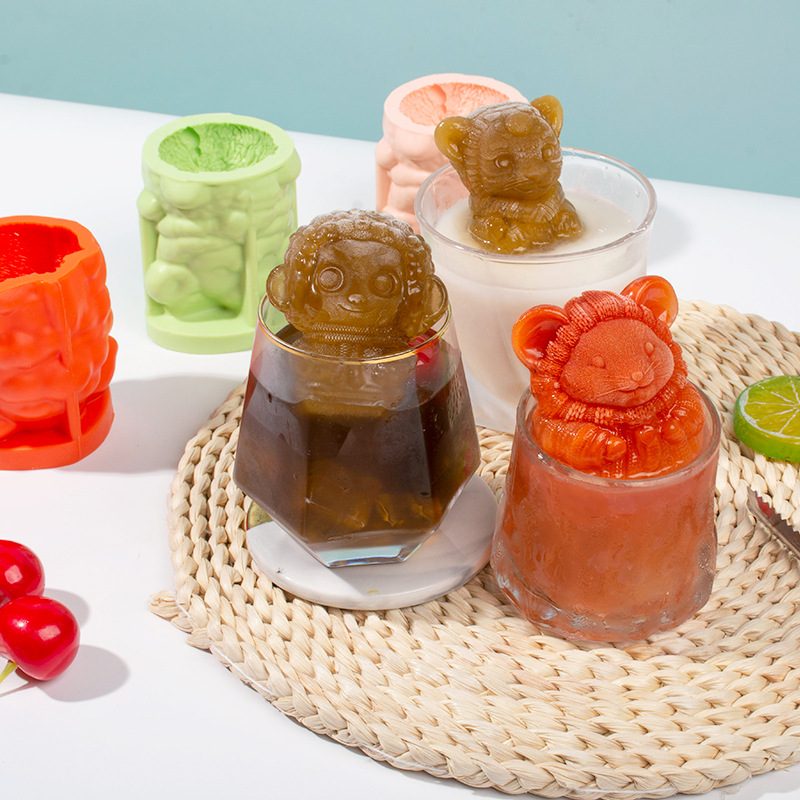
Size the cube, the lid or split, and how the full tray leaves the freezer. A logo on a stock tray is a different job.
Read article -
Bar, loaf, and logo trays are different tools. Name the soap process and the finished bar before Shore A.
Read article -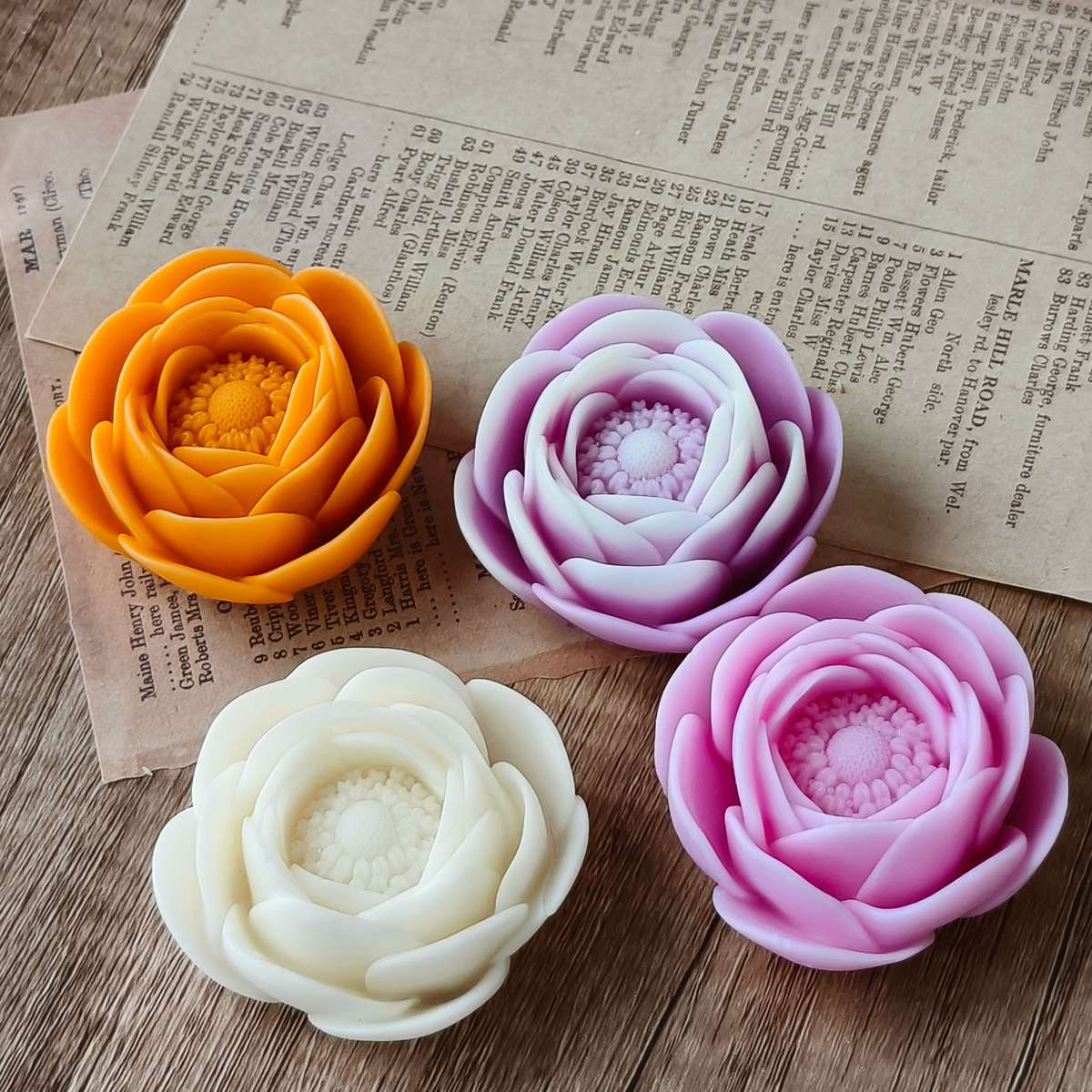
Diagnose candle mold seam lines, flash and sticking by checking parting-line placement, alignment, support, wax condition, geometry lock and demolding sequence before changing hardness.
Read article -
Design silicone resin molds around release direction, undercuts, one-piece vs split structure, plugs/cores, master finish, fill/vent paths, support and real resin validation.
Read article -
Start with grams per piece and how the bar should break. Cavity count comes after that.
Read article -
See how a custom chocolate mold moves from artwork and cavity design to a master, prototype and production approval, including weight, finish and packaging checks.
Read article -
The cavity is the reverse of the finished mark. Say whether the logo stands proud or sits recessed, and send the smallest stroke.
Read article -