
Plaster Jacket vs Resin Shell for RTV Skins | RUUIPON
A plaster jacket is a mother mold behind a platinum skin, not a cavity. When gypsum wins vs resin or a printed shell. MOQ 20, $50 CAD when that scope
 Kyler Yang · Founder7 min read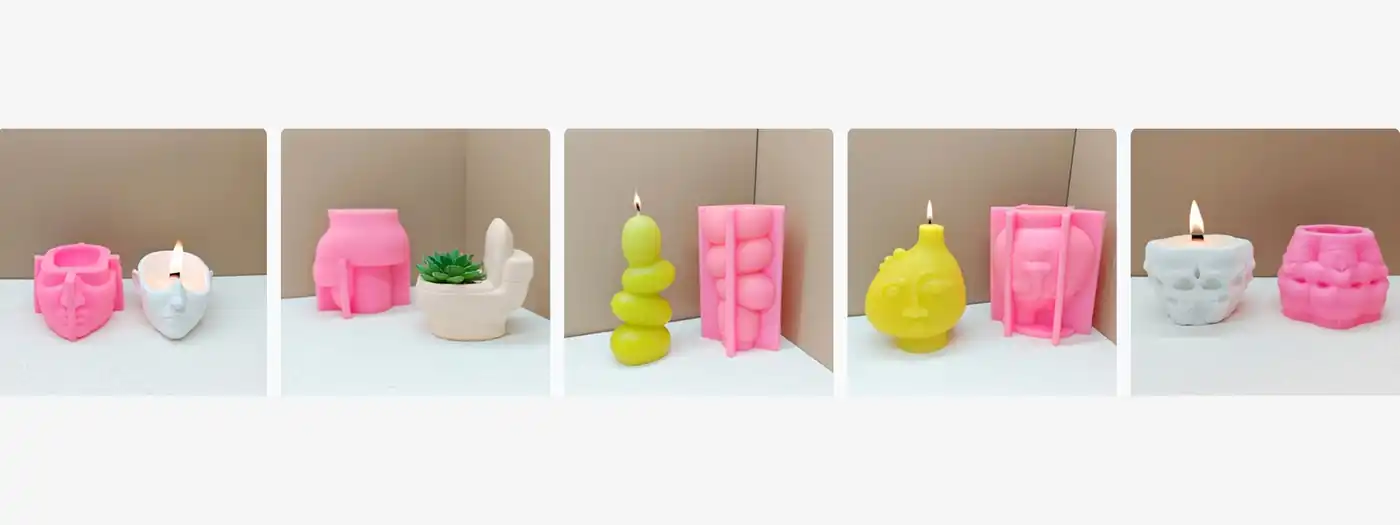
A plaster jacket is a gypsum mother mold wrapped around a soft RTV skin. It is not a second silicone, and it is not the cavity you dump into. You pour or laminate plaster *around* a cured (or clay-backed) glove so a 10A–20A face can take a wet plaster, concrete, or resin column without ballooning. When the jacket is plaster poured *into* the cavity by mistake, you have filled the tool, not supported it.
RUUIPON builds plaster, resin, and printed jackets in Bao'an / Shajing since 2018. Prototype 3–7 business days after CAD lock. Production MOQ 20 pieces per design. Simple 3D is USD $50 when that CAD scope applies. Mix of the *skin* is 1:1 or 10:1 by weight; platinum shrink about 0.1–0.3% after full cure. Steel jackets for LSR *parts* are a different plant.
Does not apply when you want a silicone mold *of* a plaster sculpture (master is plaster). Seal that master and pour the cavity; do not confuse master plaster with jacket plaster. See sealer on porous masters. It also does not apply to a food tray that only needs a light plastic carrier.
Plaster is a mother mold, not a second RTV
Gypsum is cheap, fast, heavy, and thirsty. It loves a shop that will not ship the fixture through a wet wash room. Keys can be cast as pockets in the plaster if you soap or release the skin first so the jacket comes off for storage. Three-piece plaster mothers on a statue follow the same Structure Decision as rubber splits: undercuts in the *jacket* need their own seams or you will lock the shell onto the glove.
When plaster loses:
- Freight. Cracks, chips, weight.
- Wet wash SOP on a food line. Gypsum and dishwashers are a bad marriage.
- Tight repeat dumps with clamp loads. Resin or a printed shell takes bolts; plaster takes straps and prayer.
When plaster wins: architectural panels, concrete tiles, a one-shop fixture that stays on the same bench as the skin. Related: when you need a mother mold, concrete molds, plaster dump molds.
- Wet dump or wide span? - no -> Jacket optional
- Wet dump or wide span? - yes -> Jacket must ship or live wet?
- Jacket must ship or live wet? - yes -> Resin or printed shell
- Jacket must ship or live wet? - no stays in shop -> Plaster mother is in play
- Plaster mother is in play -> Release the skin; cast jacket around it
- Release the skin; cast jacket around it -> Jacket undercuts?
- Jacket undercuts? - yes -> Split the plaster, keys in the shell
- Jacket undercuts? - no -> One-piece mother
The photo that would prove a plaster jacket: skin seated in the gypsum shell, a gap only where keys sit, a dump that did not balloon the seam. A photo of plaster *in* the cavity proves the wrong pour.
Water-load the skin in the gypsum shell
Seat the empty skin in the plaster mother, dump water to the fill line, watch for ballooning and leaks at jacket seams. Then a witness dump of the real mass (plaster or a stand-in). Straightedge on a tray: typical shop sag without a jacket is about 0.5–1.5 mm. We are not publishing a named PO from this test.
Gypsum also moves while it dries. If you seat a freshly poured plaster mother around a still-green platinum skin, you can print drying cracks into the back of the glove and lock keys that were meant to release. Wait the rubber demold and a dry jacket. Store plaster mothers off concrete floors in a dry cabinet; they wick. A resin shell can live in a wet wash room that would powder gypsum in a month.
Keys in plaster want a release on the skin and a draft on the pocket. Sharp square pockets chip the first time an operator pries the glove out with a screwdriver. We round those pockets on the 2D. If the jacket is the register for a two-part dump, treat plaster seams like rubber parting lands: off the show face, clocked so the shell cannot close backwards.
ISO 3302-1 M2 is a rubber drawing class. Gypsum thickness is "stiff enough for this span," not a precision callout.
Shop numbers for plaster mothers
Reference values only. Confirm material-specific limits against the supplier’s technical data and agree project acceptance criteria before production.
| Item | Typical shop value |
|---|---|
| Skin Shore | 10A–20A platinum; jacket is plaster |
| Mix / shrink of the skin | 1:1 or 10:1; about 0.1–0.3% |
| Sag if jacket missing | about 0.5–1.5 mm |
| Prototype | 3–7 business days after CAD lock |
| Production MOQ | 20 pieces per design (skins; jackets as a line) |
| Simple 3D | USD $50 when that CAD scope applies |
Plaster we would not spec
We would not recommend plaster as the shippable fixture for a wet food wash room. Name 21 CFR 177.2600 on the article; pick a jacket that survives the SOP.
We would not recommend pouring plaster into the cavity "to make a jacket."
We would not recommend a one-piece plaster mother over a heavily undercut glove.
We would not recommend thickening the RTV instead of casting a mother. That is the wrong family — thin vs thick.
A tooling charge is not unrestricted ownership of the gypsum shell. Write who keeps it; plaster chips in freight if you do.
Worked example: 180 mm tile that needed gypsum, not gum
180 mm concrete tile, platinum 15A skin, buyer asked for "more silicone so it doesn't belly." We kept the thin skin, cast a two-piece plaster mother with keyed seams, released the skin so it could come out for storage. Prototype 3–7 business days after CAD lock of the split. $50 3D applied (photos of an existing paver). Production MOQ 20 skins of that design; jackets quoted per pair.
Mix-up: pouring plaster into the cavity instead of around the skin
The cavity is for the customer's dump. The jacket is the back. If plaster is your *dump*, you still need a jacket *behind* the silicone if the skin is soft and the pour is large. Two plasters, two jobs.
Questions that pick gypsum vs resin
- Will the jacket ship, or live on one bench?
- Wet wash or dry shop?
- Skin Shore and dump mass?
- Jacket undercuts that need a split shell?
- Who keeps the mother after the tooling charge?
Related: contact.
RFQ copy-pack — plaster jacket
Paste into [email protected]:
Object: RTV skin + mother mold, not an LSR/HCR part Dump material, mass, peak °C Jacket: plaster / resin / printed / you mark it Skin Shore if you have one File: STEP / STL / photos with a millimetre scale CAD: mold-ready STEP OR USD $50 3D if that scope applies Prototype 3–7 business days after CAD lock, then MOQ 20 per design Who keeps the unsanded master and the jacket
Send span and where the jacket will live. We mark plaster vs resin on the 2D — not a blank "free quote." Phone +86 135 3006 2969. Licheng Technology Industry Park, Xinhe Blvd, Shajing, Bao'an. Shop since 2018.
FAQ
Is a plaster jacket food-contact? No. The cavity rubber might be, on a 21 CFR 177.2600 / LFGB path. Gypsum is the back.
Can I skip silicone and dump concrete in plaster? That is a different process with draft and life limits. This page is a mother mold behind RTV.
Will plaster hold keys as well as a printed shell? It can, if you split and soap the skin. Printed shells take abuse and bolts better.
Does platinum shrink apply to the plaster? The 0.1–0.3% band is the rubber. Plaster has its own drying move; seat the skin after the mother is dry.
If I pay for the jacket, can another shop recast the skin into it? A tooling charge is not unrestricted ownership of shell, master, or CAD. Write custody.
Custom silicone development · DFM & prototype support
CAD, drawing, photos or sample details