
Reusable RTV Food Molds and Repeated-Use Rubber Rules
21 CFR 177.2600 already assumes repeated use. Reusable RTV food molds still need platinum-cure, wash, recast, and a real SKU report, not a lifetime badge.
 Kyler Yang · Founder8 min read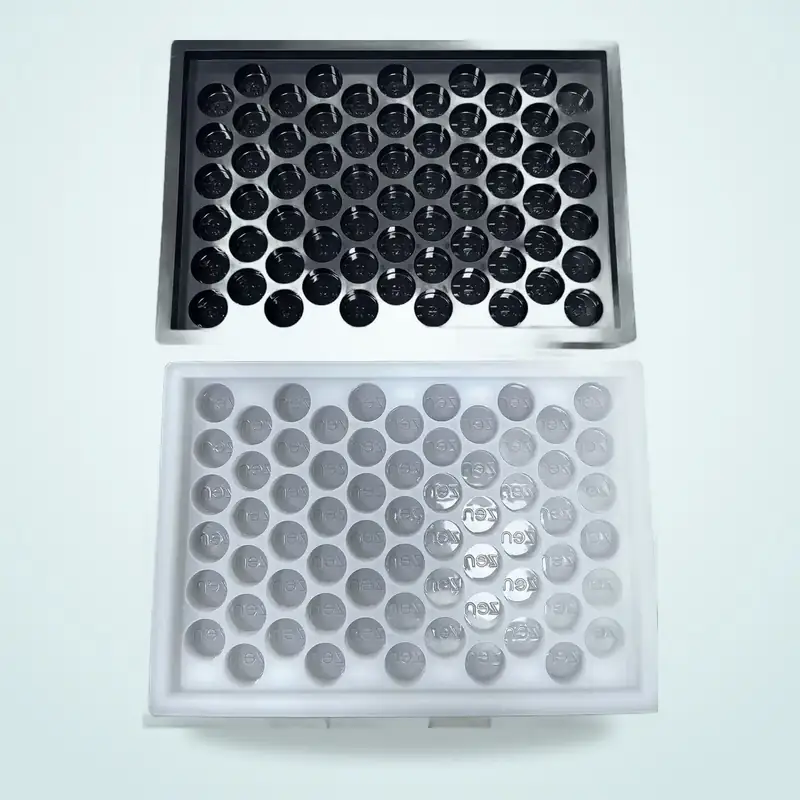
If you're buying a “reusable” food-grade silicone mold, you're buying the normal case, not a special upgrade. FDA 21 CFR 177.2600 is written for rubber articles intended for repeated use. The muffin tray, chocolate sheet, gummy plate, and ice mold are assumed to come back tomorrow. LFGB/BfR XV kitchenware thinking is the same: an article, used again, that must not keep transferring smell or migrants.
Reuse doesn't relax chemistry. Platinum addition-cure RTV is still typical. Post-cure, wash, a jacket that doesn't warp, and a report on that SKU still apply. Single-use marketing isn't a way to ship tin-cure RTV into a bakery. Don't print FDA approved as a product registration of a “lifetime” pan. When the face tears, the usual repair is a recast against the same master — not a new steel tool.
Common mix-up: reusable means infinite, or single-use means you can skip post-cure
A lot of RFQs treat “reusable” as a legal upgrade and “disposable” as a chemistry waiver. In the shop that usually means invented 10,000-cycle badges, skipped bakes on a “one-shot” tray, and a pool of mixed natural and red sheets washed as one SKU.
177.2600 extracts the food-contact surface (water for aqueous, n-hexane for fatty) because people will use the part again. Thorough cleansing before food contact is in the section. If you sell a silicone mold as disposable, you haven't escaped article testing. You've only written a wasteful carton. Don't publish an invented cycle life. Publish inspection: retire when torn, permanently smelly, or warped off the depositor.
What to ask when you're buying reuse (and recast)
- Platinum RTV, jacketed, dry release — or a mold that only demolds with oil every cycle?
- Wash SOP: mild detergent, dishwasher only if claimed and draining, no unnamed sanitizer left unrinsed
- Who owns the master and jacket, and is a recast of the RTV skin included after wear or a logo change?
- Retirement criteria written: tear at logo or key, warpage, odor after correct wash
- 177.2600 and/or LFGB/BfR XV on this SKU; mixing old natural lots with new pigmented lots is two articles in one rack
- Paying a tooling charge doesn't, by itself, give unrestricted transfer of the master
What reuse actually wears — and when to recast
The food-contact face wears by tears at undercuts and logos from forced demold, knife cuts from prying hard candy, staining in blast texture that won't wash, permanent distortion from overheating, bond-line dirt on framed pans, residual fat or perfume in grooves. A mold that can only be demolded with oil is a poor reusable article: the oil becomes part of every cycle.
Platinum RTV, post-cured, is the usual network that survives bakery washdown. Tin-cure craft rubber that tears after a few chocolate pulls was never this product. The lab sees a cleansed, post-cured first article. Users must wash back toward that state. They won't recreate the 177.2600 flask at home.
Retire when cuts or tears hold food you can't clean; the cavity no longer demolds without picks or oil; warpage breaks depositor registration or spills batter; odor remains after a correct wash; steel frames rust into the food path; you exceeded the claimed temperature envelope. Replacement is cheaper than a sensory complaint on a branded gummy. A replacement RTV cavity isn't a new steel tool. It's a recast against the same master, same shrink and keys, provided the master still exists and hasn't been sanded “to clean it up.”
Bakeries that keep a pool of identical sheets should lot-tag them. If the pool mixes old natural lots with new pigmented lots, you have two articles in one wash rack. Replacing 10% of a pool after a recut master is a process change if thickness shifted — treat the new sheets as first article again. Sustainability copy can say reusable if the article is designed and tested for repeated use. It can't invent a compost story for thermoset silicone.
Worked example: 48-cavity gummy at ~2,000 dumps/month
A vitamin line runs a 48-cavity gummy sheet, cavities about 20 mm, platinum RTV skin plus jacket, about 2,000 dumps a month.
Inspection catches a tear at the logo before a production run. Recast the skin against the unsanded master, same keys, same post-cure, same pigment. Don't grind the registration hole. Don't promise a lifetime sheet. Promise a food-contact article designed for repeated use, with a wash SOP, with retirement criteria, with a current report. That's all 21 CFR 177.2600 ever asked reusable rubber to be, plus the German sensory bar if you sell there.
When “reusable” is the wrong headline
If the mold is resin-only, reuse isn't a food-contact story. If you need high-cavity LSR *parts* as consumer ware, reuse is a parts-OEM warranty, not an RTV recast. If the master was lost or sanded, you don't have a cheap recast — you're back to CAM. A tiny one-piece ice tray may outlast a 64-cavity depositor sheet at the same dump count because of registration wear. Geometry can override quantity.
Related reading: cleaning the cavity, what tooling and recast mean, are they safe for food, food-grade molds.
What to send to spec reuse and recast
Copy this onto the PO.
- SKU, platinum RTV, Shore, jacket, cavity count, monthly dumps
- Wash SOP and dishwasher claim yes/no
- Master ownership; shop copy for recasts yes/no; recast included after tear or logo change
- Retirement criteria; lot-tagging if you run a pool
- 177.2600 and/or LFGB/BfR XV on the current freeze
- Storage: out of UV, jackets not stacked to warp
Send dump count, a photo of any current tear, and who holds the master. We'll quote a recast against that master if it still registers, or we'll tell you you're back to CAM.
We would not recommend a lifetime pan badge, or skipping post-cure on "single-use"
We would not recommend mixing old natural lots with new pigmented lots in one wash rack, or grinding a torn logo instead of recasting. We would not treat dishwasher reuse as a different 177.2600 law.
flowchart TD
  I[Inspect] -->|tear at logo / key| R[Recast against unsanded master]
  I -->|warped jacket / ovalized pins| J[Replace jacket or sheet; don't grind holes]
  I -->|odor after correct wash| P[Post-cure / absorbed perfume — retire or recast]
  I -->|clean, registers| U[Keep in pool, lot-tagged]
Typical shop values: reuse and recast on RTV food molds
| Item | Typical shop value | | --- | --- | | Chemistry / Shore | Platinum 1:1 or 10:1; 10A–20A + jacket | | Shrink on recast | Same ~0.1–0.3% if the master wasn't sanded | | Edge sag | ~0.5–1.5 mm if jacket warps in storage | | Outer-row gummy | 3–6% heavy vs center is a sag tell, not a "seasoning" | | Monthly dumps | ~2,000 on a 48-cavity gummy sheet is a common production band | | Cycle-life badge | Don't invent 10,000 cycles; write retirement criteria |
Caption these as typical shop values.
FAQ
If 177.2600 is already repeated-use, why sell “reusable” as a feature? Retail copy contrasts silicone with paper liners. The regulation already assumed reuse. The feature still has to be designed: wash, tear, odor, recast. Don't imply a legal upgrade that doesn't exist.
Can I treat a food-grade mold as single-use to skip post-cure? Skipping post-cure makes a dirtier first (and only) contact. Single-use isn't a chemistry waiver. It's waste.
How many dumps until I must retest the SKU? There's no universal cycle count, and invented ones are marketing. Retest when compound, pigment, process, post-cure, master, or claimed use changes. Inspect individual molds and recast or retire damaged ones.
Does dishwasher reuse require a different 177.2600 test? Dishwasher is a use claim that may belong in LFGB/BfR XV conditions and in design. 177.2600 remains finished-article extraction for named food types. Claim dishwasher only if the article drains and the file matches.
Are reusable ice trays exempt because ice is just water? Aqueous repeated-use rubber still sits under 177.2600. Freezer twist tears are a reuse design issue, so wash perfume out or the next ice tastes like soap. Cold isn't a waiver.
Ready to order custom silicone molds?
Free quote for OEM/ODM projects. MOQ 20 · Prototype 3-7 days · FDA/LFGB available.