
Low-MOQ Custom Silicone Molds for Startups and Small Production Runs
When low-MOQ RTV silicone tooling makes sense, what costs stay fixed, how to validate one prototype, and how to scale from 20 molds to repeat production.
A low MOQ is useful only when it reduces launch risk, not when it hides an unfinished design.
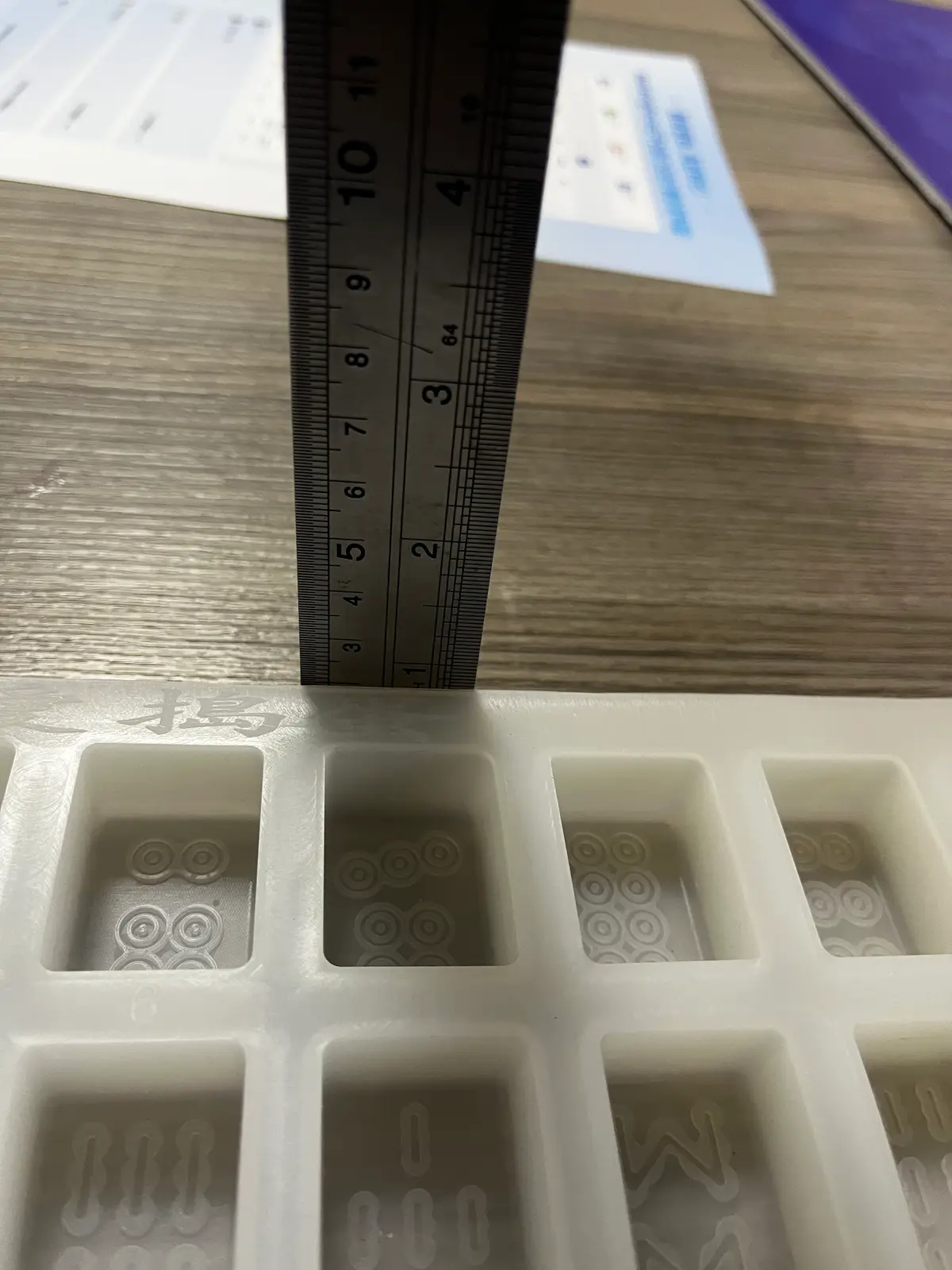
RTV silicone tooling can support small production runs because the manufacturing route does not require the same capital investment as a steel production tool. That makes it practical to approve one working prototype, then order tens of molds rather than committing immediately to hundreds or thousands. At RUUIPON, the normal production MOQ is 20 molds per design after prototype approval.
The important distinction is that low MOQ does not mean zero development cost. CAD cleanup, master production, mold-structure design and prototype validation still exist whether you buy 20 molds or 200.
Where a 20-mold order makes commercial sense
Low-volume RTV production is particularly useful when the business still has something to learn.
Typical situations include:
- a startup validating a new product shape;
- a seasonal candle or soap collection;
- a food brand testing a branded gummy/chocolate design;
- an Etsy/Shopify seller moving beyond single-cavity hobby tools;
- a resin or plaster studio that needs repeatable molds but not steel tooling;
- an OEM buyer running pilot production before a larger release;
- a company comparing several cavity sizes or visual variants.
In these cases, buying a controlled first batch can be cheaper than discovering a design mistake after a large order.
Prototype quantity and production quantity are different decisions
A prototype stage may use one functional mold because its job is to answer engineering questions.
For example:
- Does the casting release without damaging fine detail?
- Is the seam in an acceptable location?
- Does the mold bulge when full?
- Does the actual cavity volume produce the intended weight?
- Can the operator demold the part at the required cycle time?
- Does the finished logo look correct in the casting material?
Once those questions are answered, the production quantity is based on output.
If one mold produces 12 pieces per cycle and the customer needs 1,200 pieces per day, the number of production molds should be calculated around cycle time, labor and backup capacity-not chosen because "20 is the MOQ."
What stays fixed even when you only order 20 molds
Low MOQ reduces the number of repeated mold copies. It does not eliminate one-time work.
The cost stack can include:
1. Geometry preparation Cleaning or rebuilding the CAD, converting reference photos into a usable 3D model, adjusting logos, draft or parting geometry.
2. Master production CNC, SLA/DLP print, sculpting, surface finishing or reverse engineering from a physical sample.
3. Mold engineering Split-line planning, removable plugs, core design, cavity spacing, mother mold or support shell.
4. Prototype RTV mold Silicone material, mold box, mixing/degassing, cure, trimming and assembly.
5. Functional validation A test casting, dimensional check, fit test or use-condition trial where needed.
After that, repeat molds generally benefit from using the already-approved master and structure.
That is why a buyer should ask for development cost and repeat-mold unit cost separately.
One prototype can be the most valuable unit in the project
The prototype is where you should deliberately try to break the assumptions.
For a detailed resin figurine, do not only inspect the empty silicone cavity. Cast the actual resin, then watch where the silicone stretches during demolding. If the same ear or finger creates high strain every cycle, change the split or local wall before multiplying the mold.
For a 50-cavity soap tray, fill it to production weight and check whether the center and edge cavities stay in the same plane. A tray that looks flat when empty can still sag when loaded.
For a candle, test with the intended wax blend and pour temperature. A prototype that demolds paraffin easily may behave differently with a softer soy blend and a deep textured undercut.
Low MOQ works best when the prototype stage is treated as engineering, not ceremony.
When a tiny order is false economy
A buyer can also under-order.
Suppose a production line needs 30 molds to hit the required daily output, but only 20 are purchased to save cash. The result may be excessive cycling, rushed demolding and no spare capacity when a mold is damaged. Unit cost is lower on the PO, but production risk is higher.
Another example: a large silicone skin mold may require a custom FRP mother mold. If the jacket and master dominate the development cost, producing just one or two copies may not be economically attractive unless the product value is high.
A sensible MOQ discussion should therefore consider:
- first launch volume;
- cycle time;
- pieces per mold;
- labor available;
- expected reorder timing;
- spare-mold requirement;
- cost of line stoppage.
Scaling from 20 molds without losing consistency
The safe way to scale is to preserve the approved reference.
A repeat-order archive should identify:
- approved CAD revision;
- master revision;
- silicone grade;
- pigment/color if specified;
- mold structure;
- cavity count and layout;
- target mold weight or critical dimensions;
- packaging method;
- prototype approval date.
The next 20 or 50 molds should be recast from the approved master wherever practical, not copied from a production mold that has already stretched, worn or absorbed casting residue.
Low MOQ does not mean low specification
A 20-piece order can still require serious controls.
A food-contact mold may require a defined silicone compound, pigment, documentation and traceability. A depositor tray may require nozzle pitch and first-cavity datum. A two-part sculpture mold may require keyed registration and a rigid support shell. A resin mold may require a vent path and high tear resistance around undercuts.
The production quantity does not change the physics of the mold.
A practical 1 → 20 → repeat-batch route
For many startup projects, the lowest-risk sequence is:
Stage 1 - Feasibility Review the CAD/photos, casting material and target output. Identify any geometry that will lock, tear or distort.
Stage 2 - One prototype Produce a functional mold and test it with the real casting process.
Stage 3 - Correct before multiplication Move a split line, change a logo depth, reinforce a border or modify a core if the test exposes a problem.
Stage 4 - First production batch Produce the agreed quantity, often starting from 20 molds per design at RUUIPON.
Stage 5 - Reorder from archive Use the same approved master and specification for repeat production.
What to send for a low-MOQ review
You do not need a finished production specification to start, but the following reduces guesswork:
- STEP/STL/OBJ, sketch, sample or clear photos;
- finished part dimensions;
- casting material;
- prototype quantity;
- expected first production quantity;
- expected annual demand;
- desired pieces per mold/cavity count;
- target launch date;
- destination country;
- any required food-contact documentation.
If the product is still changing every week, say so. In that case, spending more time on the master before making 20 molds is usually the cheaper decision.
Use low MOQ to validate, not to postpone engineering
Low MOQ is most valuable when it separates product validation from production commitment. One good prototype can expose a bad split line, unstable tray or difficult demolding path before those problems are copied 20 times.
Send your first-order quantity, expected annual demand and best available design file to RUUIPON. We can separate the prototype stage from the production-mold quotation and recommend whether 20 molds is a sensible first batch for the actual process.
Start your custom silicone mold project
Send your design, target material, and quantity. We confirm silicone grade, hardness, and certification needs - usually within 24 hours.