
Freezing Resin to Demold Risks Thermal Shock | RUUIPON
A freezer can shrink some PU off a well. Shock-freezing thick epoxy often cracks the dump and nicks the lip. Confirm the lock first. Typical shop values.
 Kyler Yang · Founder7 min read
A short chill can shrink some polyurethanes enough to break a vacuum lock in a smooth well. Shock-freezing a thick epoxy brick — tray from room temp into a chest freezer, or worse, onto dry ice — often cracks the dump, star-crazes the face, and nicks the platinum lip on the way out. Freezing does not open an undercut, does not un-cook an exotherm-etched well, and is not a food SOP. Confirm why the piece is stuck before you reach for cold. Chocolate temper already has its own contraction story; don't copy a freezer hack onto couverture or onto a gummy tray.
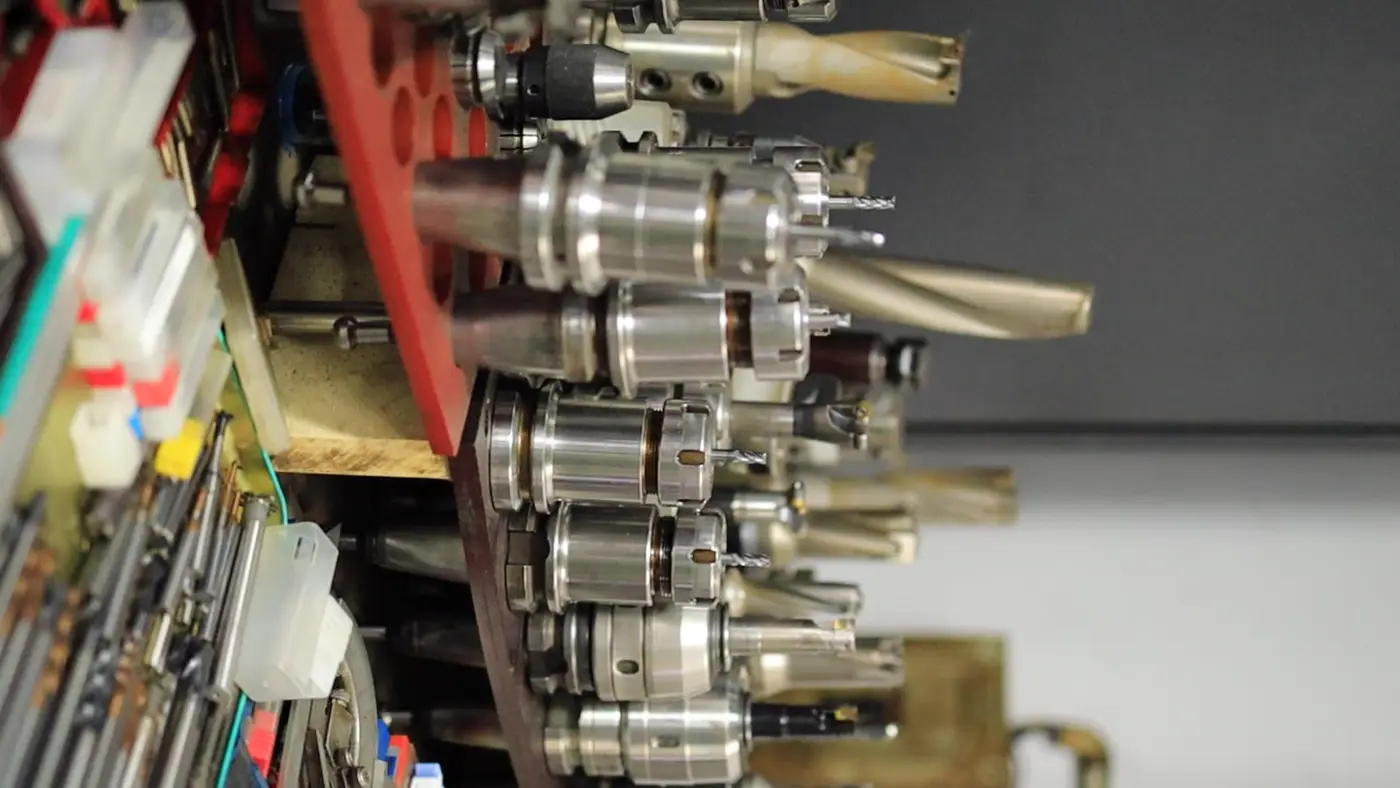
On this site the path is photos, sketch, or CAD, then a 3D-printed pattern, often a temporary silicone flip, a resin production mother, then batch RTV. The mother is not the pattern. Free DFM. HTV/HCR compression mold tooling is also quoted on RUUIPON.
Does not apply when the pour is ice or popsicle (those tools are meant to freeze — different product family), when the rubber face is still tacky from inhibition, or when you are post-curing HCR *parts*. Don't treat a viral "pop it in the freezer" short as a recast waiver.
Cold is a shrink lever, not a geometry lever
Resin lock is usually one of four things (empty-well photo tells you which): cooked/matte face (exotherm), greasy amine etch, a hook, or a wet first pour glued at the floor. Cold only sometimes helps the last of those, on a PU that actually shrinks on cooldown. Epoxy often does not shrink enough to matter and is brittle when cold.
Confirm:
- Unused spare peels at shop temp → your mix or your wait time, not the tool.
- Empty well hooked under raking light → Structure Decision, not a freezer.
- Empty well matte at the thick mass → the face is already cooked; freezing the next brick will still grab.
- Piece cracks in the freezer, rubber lip nicked → you bought a broken dump and a recast.
We will not spec a freeze-demold step on a production traveler as the primary release method. If a PU TDS allows a controlled cooldown, write the temperature and the dwell. A kitchen freezer with leftover dumplings is not that spec.
Food cavities: no freeze-hack with grease, no tin. Ice molds are designed for freeze-flex; resin tools are not ice molds.
Thermal shock on the rubber
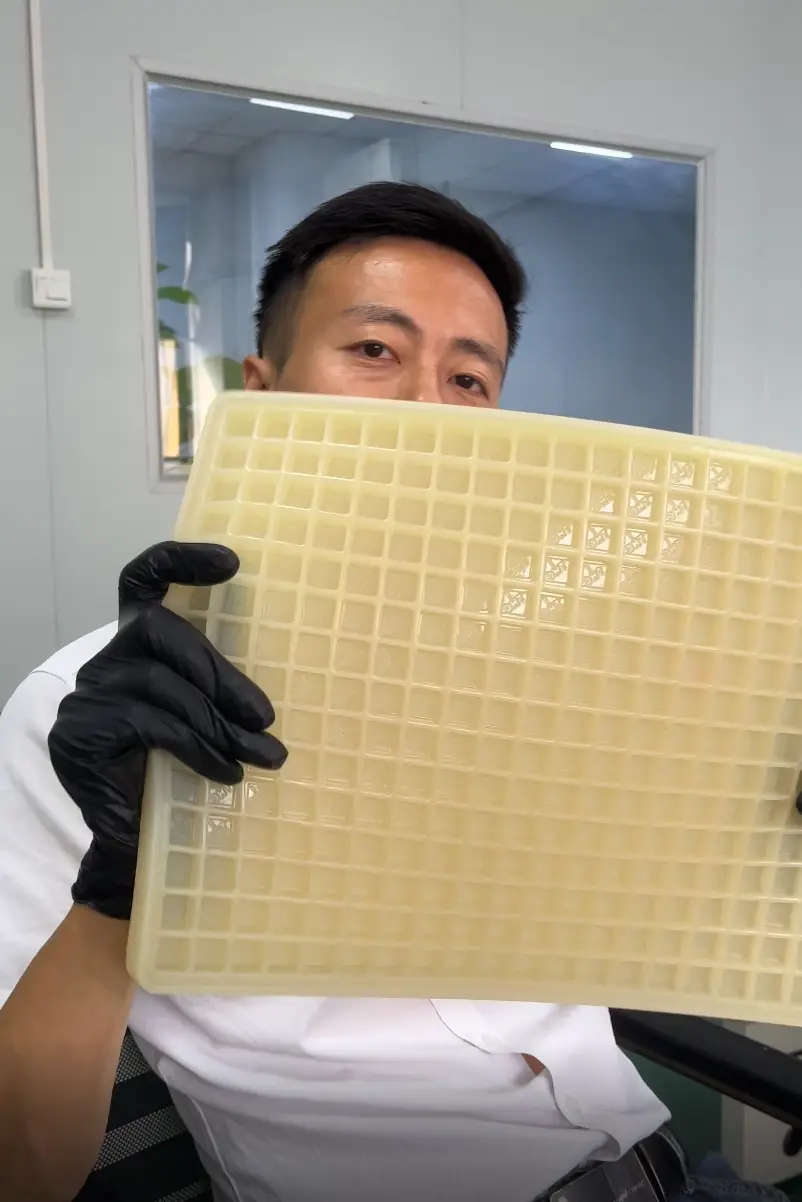
Platinum RTV in the 10A–20A glove band stays flexible cold. The damage is usually the dump cracking and the lip tearing on a jagged edge, or water condensing in the well when you pull a frozen tool into humid air. That condensate becomes a bubble in the next dump and a dirt film on a food-adjacent bench. Dry the tool cavity-up if you did chill a *craft* PU.
A jacketed tool (plaster, FRP) can crack the mother long before the skin cares. Don't freeze a plaster jacket.
- Empty well glossy? - no matte/greasy -> Exotherm or etch — recast / change mix; skip freezer
- Empty well glossy? - yes -> Hook or closed letter?
- Hook or closed letter? - yes -> Split / plug / core — cold will not open it
- Hook or closed letter? - no -> PU that shrinks on cooldown, thin section?
- PU that shrinks on cooldown, thin section? - yes named TDS -> Controlled chill, then peel; dry the well
- PU that shrinks on cooldown, thin section? - no thick epoxy or unknown -> Do not shock-freeze; change pour or geometry
The photo that would prove shock damage: cracked dump still in the well, lip nick, frost or condensate beads, unused spare in frame. A heroic "it popped out" clip is not that photo.
Typical shop values
Reference values only. Confirm material-specific limits against the supplier’s technical data and agree project acceptance criteria before production.
| Item | Typical shop value |
|---|---|
| Tool rubber | platinum RTV, mix 1:1 or 10:1 by weight |
| Glove Shore | 10A–20A with jacket |
| Platinum shrink (the rubber) | about 0.1–0.3% after full cure |
| Freeze-demold | not a production default; craft PU only if TDS allows |
| Food cavity | no freezer hack, no grease, no tin |
| Prototype | 3–7 business days after CAD lock |
| Production MOQ | 20 pieces per design |
| Simple 3D | USD $50 when that CAD scope applies |
Controlled cooldown versus a kitchen shock
If a PU TDS names a demold temperature, that is a process band: cool the tool on a rack, in air or in a rated chamber, then peel. A chest freezer full of food is an uncontrolled ramp, often below what the dump can take, and it condenses water onto the cavity when you open the lid. Write the band on the traveler if we agree it is craft PU. Do not copy it onto epoxy, onto a plaster mother, or onto a chocolate well.
A dummy of this mistake: buyer freezes an open-back tray, the dump contracts off the floor then expands a hook at the rim, and the lip tears on the hook during the yank. Cold made the geometry worse. Structure Decision first.
Worked example (anonymized)
Epoxy 15 mm badge, platinum ~20A open-back. Dump locked. Buyer froze the tray overnight; badge cracked across the logo and the serif lip tore. Empty well had been glossy — the lock was a closed letter, not heat. We recast with a designed split and a small plug for the letter, $50 CAD because the split was new, witness at shop temperature, MOQ 20. No freezer on the traveler.
One procurement mix-up
Copying an ice-cube SOP onto a resin tool because "silicone likes the freezer." Ice tools are food-path freeze-flex. Resin tools fail on chemistry and hooks. Tooling charge is not a license to shock the SKU and still call the first article good.
Stay on this page / skip this page
Stay when a buyer wants a freezer, dry ice, or blast chill to pop resin out of a platinum well, and you need to separate controlled cooldown from thermal shock.
Skip if the pour is ice or popsicle (those tools are meant to freeze). Skip a still-tacky inhibited face. Skip post-curing HCR parts. Skip greasing a well so it "pops when cold."
We will not quote dry ice or a blast freezer as a demold tool for epoxy. We will not freeze a plaster jacket / mother-mold support shell. We will not quote a freezer hack on chocolate or gummy wells. We will not grease a well so it pops when cold. We will not spec freeze-demold as the primary release on a production traveler.
Related: hairspray myth, contact.
What to ask when you're buying
- PU or epoxy, thickness, TDS cooldown if any?
- Empty-well photo before you freeze anything?
- Split vs one-piece — will rigid dump even peel?
- If the lip already nicked, recast qty and rotation?
- Food vs craft cabinet — stay split?
RFQ copy-pack
Send to [email protected] · +86 135 3006 2969 · Xinhe Blvd, Shajing, Bao'an.
RUUIPON freeze-demold / lock RFQ Photo: dump in well + empty well + any crack or lip nick Resin: PU / epoxy / other; thickness mm Already frozen? yes / no; cracked? yes / no Geometry: hook / closed letter / smooth Want split or plug quoted? yes / no Food-contact? no (resin) Qty: recast witness / MOQ 20 CAD: locked / $50 3D if split new
Matched next step: send the empty-well photo before another freeze. We split hooks and recast nicked lips. We will not write a kitchen freezer into a production SOP. Prototype 3–7 business days after CAD lock. MOQ 20 per design.
Related: resin stuck in RTV, undercuts and splits, custom resin molds, contact.
FAQ
Can I freeze a chocolate bar mold to speed demold? Chocolate wants temper contraction, not a chest freezer shock. Don't grease it, don't switch to tin, don't copy a resin hack.
My PU TDS says a cool demold is allowed. Will you write that on the traveler? If you name the temperature band and the SKU is craft, we can note it. We still will not shock-freeze epoxy or plaster jackets.
Does cold make platinum brittle? The usual damage is the dump and the lip, not a glassy rubber brick at kitchen-freezer temps. Don't test that on a food tray.
If the dump already cracked in the freezer, is the mold scrap? If the lip is nicked or the face is cooked, recast. If the well is still glossy and un-nicked, fix geometry or pour — don't freeze again.
Will a pressure pot plus freezer guarantee release? No. Neither opens an undercut. Structure Decision first.
Custom silicone development · DFM & prototype support
CAD, drawing, photos or sample details