
Kyler Yang··8 min read·Material & demold
Self-Demolding Geometry in Flexible Silicone Molds
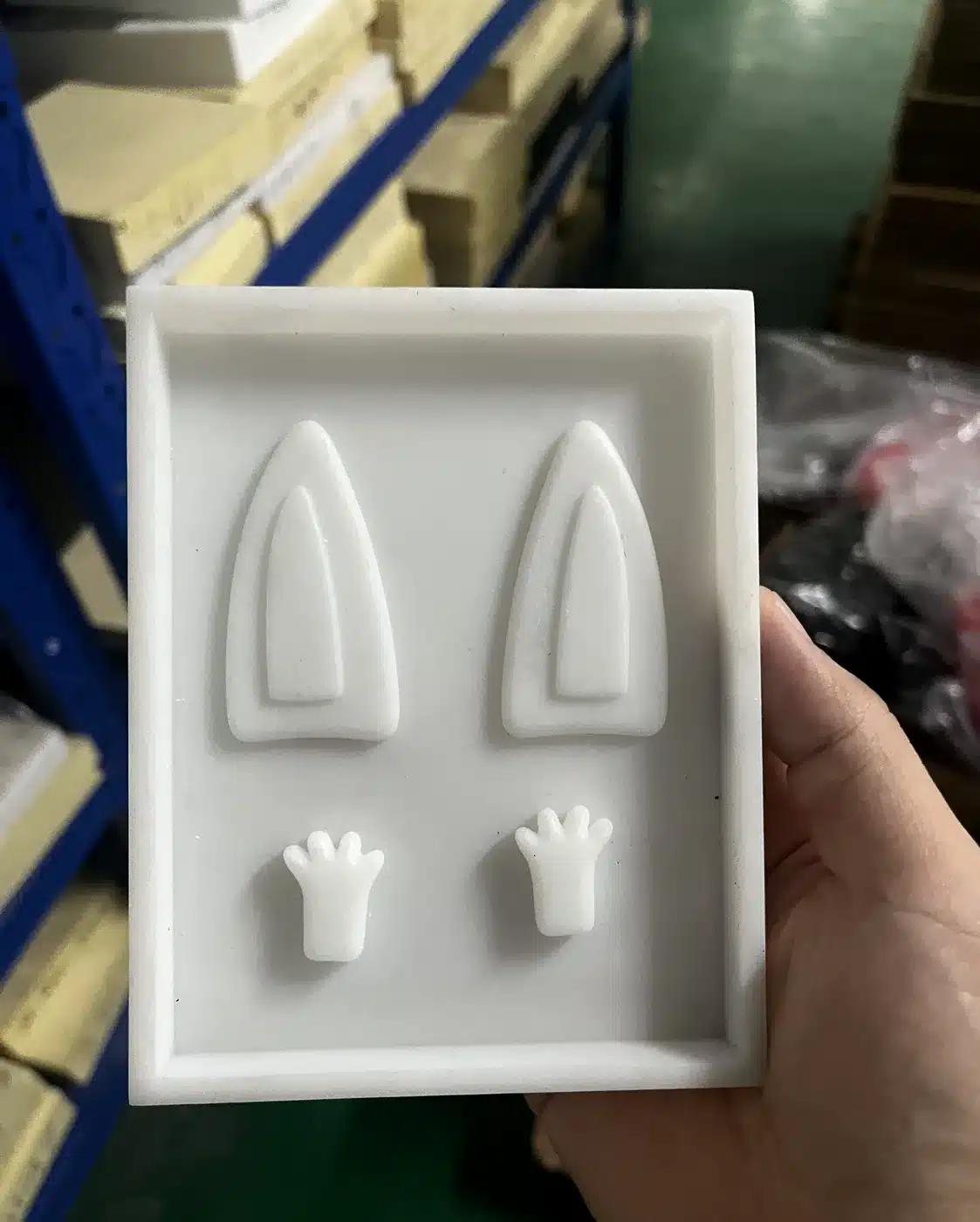
A return that peels is a one-piece mold. A return that locks is a split. Draw the demold direction before you pick Shore A.
Read article -Custom silicone development · RTV mold MOQ from 20 · DFM & prototype support
Explore practical silicone mold guides from RUUIPON, covering design, release, materials and production planning. Start with the problem you need to solve, then open the relevant product page when you are ready to discuss a quotation. CAD, drawings, samples and measured reference photos can all help define the project.
A broad DFM guide covering release, undercuts, splits, detail, multi-cavity layout, material selection and prototype validation.
The information that helps a supplier identify the correct mold structure, process, quantity and documentation requirements.
Understand when a flexible casting mold, compression tool or LSR tool fits the product.
Understand what food-contact documentation means and what to request for the destination market.
Use this cluster for one-piece vs two-part molds, undercuts and split molds, registration keys, wall thickness and support, edge radius, logo/text detail, tolerance and shrinkage, and DFM review.
One-piece vs two-part · Undercuts and split molds · DFM review
Use this cluster for gummy mold design, gummy size and cavity volume, chocolate molds, baking, ice and food-contact documents.
Use this cluster for platinum vs tin cure, vacuum degassing, cure time, RTV vs HCR/HTV vs LSR, and overmolding.
Use this cluster for RFQ preparation, low MOQ, lead time, custom vs off-the-shelf, factory sourcing, prototype to production, and ownership/reorder.
RFQ guide · Low MOQ · Custom vs off-the-shelf · Manufacturer
Use this cluster for common defects, tearing, resin bubbles, storage/warping, lifespan and cleaning.
Common defects · Resin bubbles · Storage and warping · Mold lifespan
Latest articles · 412 guides · page 39 of 42 · 10 per page
Title preview
A return that peels is a one-piece mold. A return that locks is a split. Draw the demold direction before you pick Shore A.
Read article -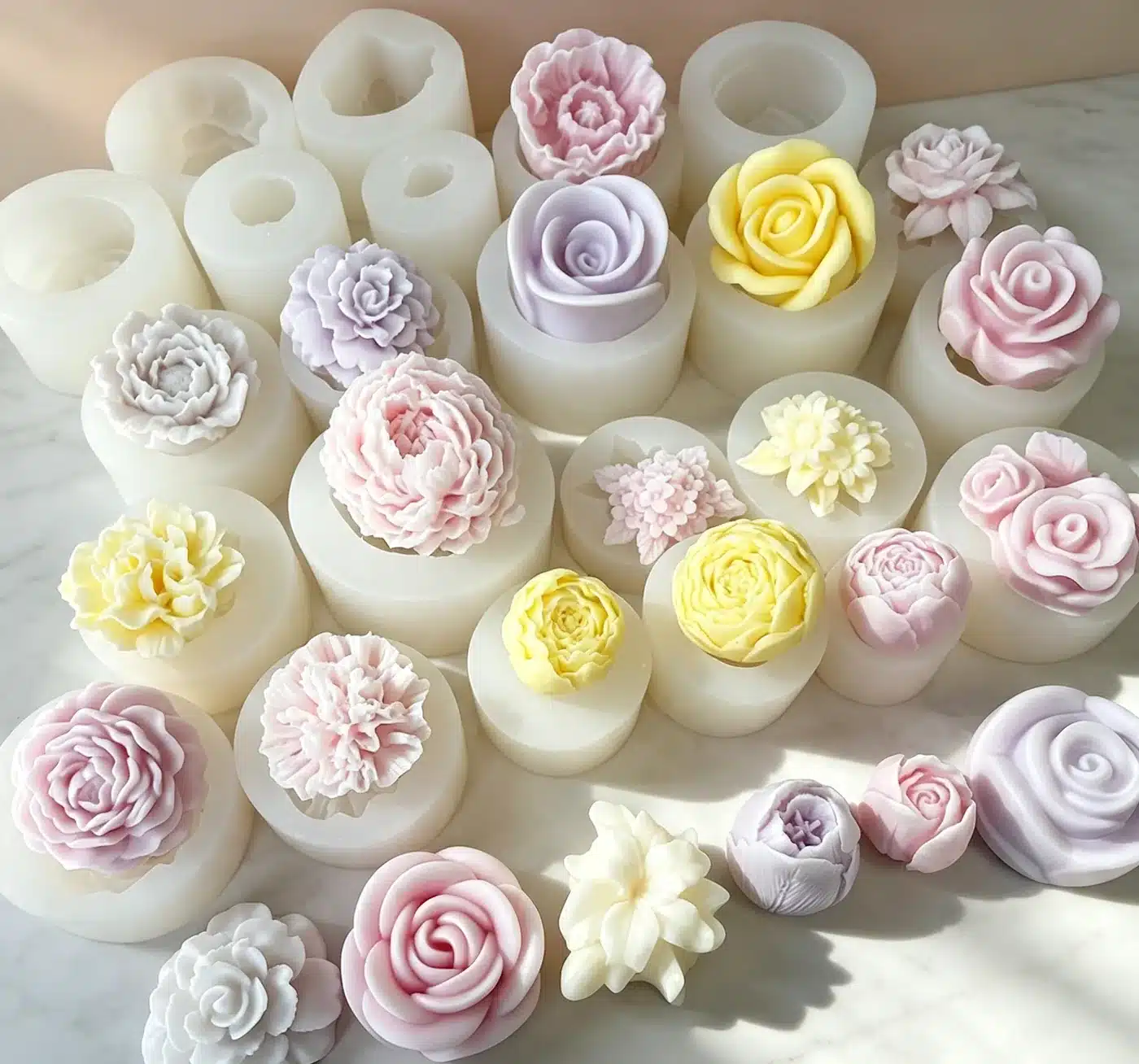
A custom mold is the cavity for your shape, your logo, and your piece weight. A catalog tray is the right buy when those three already match.
Read article -
A buyer guide to importing custom silicone molds from China, including sample approval, PO/specification, invoice, packing list, customs classification, DDP/DAP, packing and inbound QC.
Read article -
A stock popsicle cavity is fine when the shape and the stick already match. Custom starts when the brand, the volume, or the stick seat is wrong.
Read article -
Troubleshoot silicone mold tearing, flash, bubbles, sticky or uncured areas, warping, poor detail and difficult demolding by identifying whether the cause is material, geometry, process or handling.
Read article -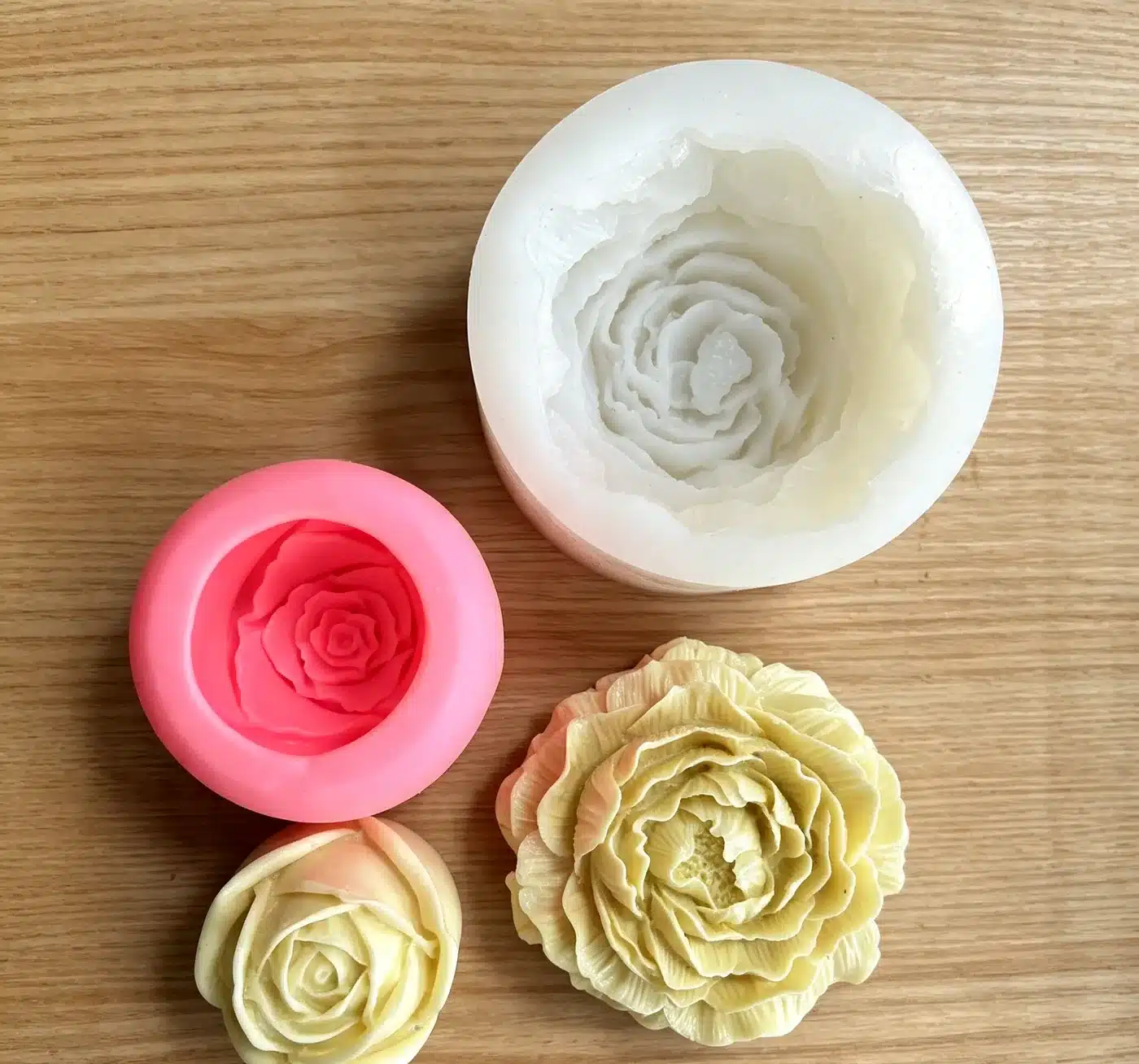
Keys locate the two halves. They do not clamp the mold shut. If the seam flashes, look at the land and the close, not only the key.
Read article -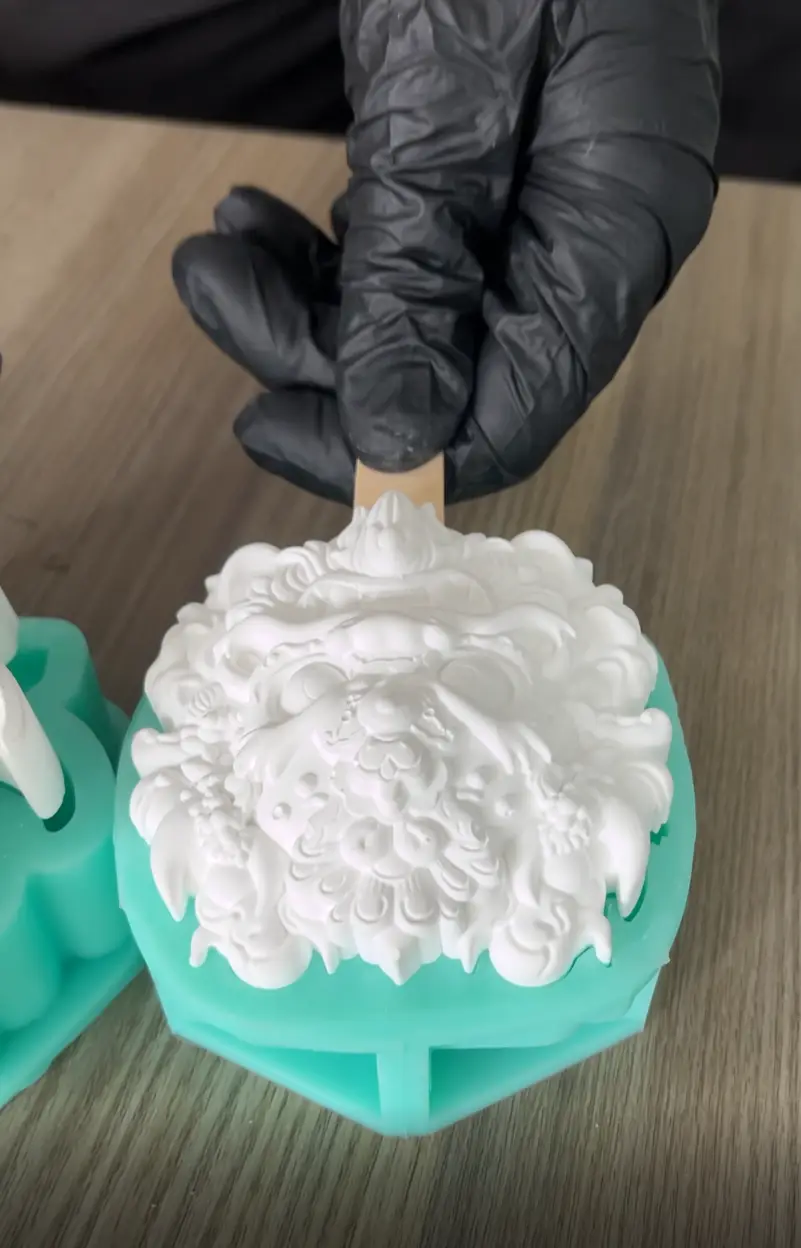
Keep the catalog tray when the shape, weight, and logo already match the SKU. Custom starts when one of those three is wrong.
Read article -
A one-part mold that works for a sample often slows a repeat pour. Split when alignment, seam, or peel time shows up on every cycle.
Read article -
Simple 3D is about USD 50 when we still have to model the cavity. A locked STEP file usually means that fee does not apply.
Read article -
Calculate a starting gummy cavity volume from target piece weight and formula density, then validate the final cavity with the real pectin or gelatin formula before production.
Read article -