
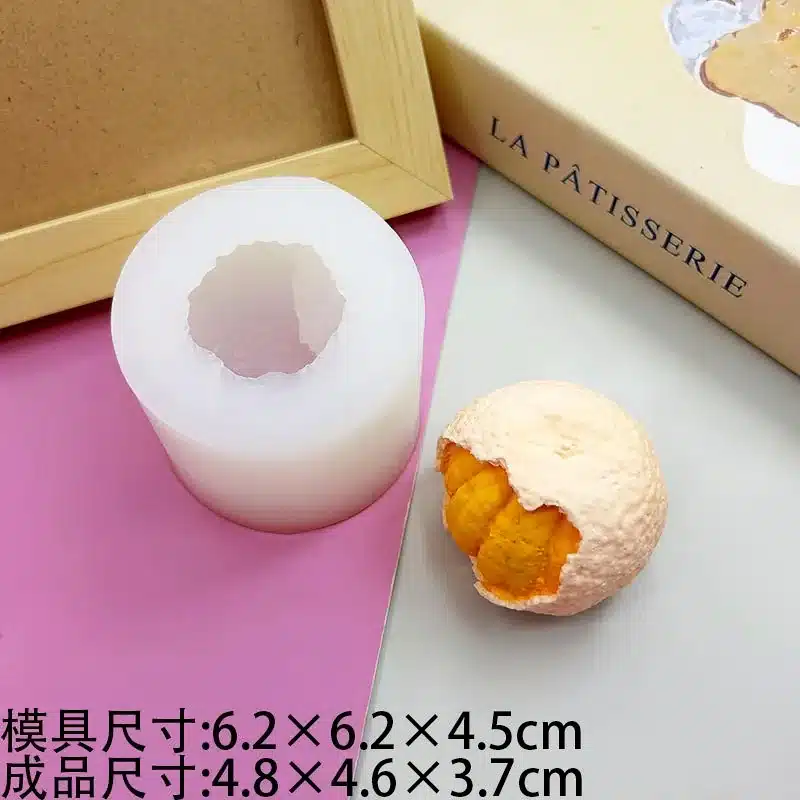
Kyler Yang··8 min read·Food & confectionery
Odor and Taste in Food-Contact Silicone Molds
If you still smell the mold after a wash and a dry night, name the cure system and the food. A wash does not delete tin leftover.
Read article -Custom silicone development · RTV mold MOQ from 20 · DFM & prototype support
Explore practical silicone mold guides from RUUIPON, covering design, release, materials and production planning. Start with the problem you need to solve, then open the relevant product page when you are ready to discuss a quotation. CAD, drawings, samples and measured reference photos can all help define the project.
A broad DFM guide covering release, undercuts, splits, detail, multi-cavity layout, material selection and prototype validation.
The information that helps a supplier identify the correct mold structure, process, quantity and documentation requirements.
Understand when a flexible casting mold, compression tool or LSR tool fits the product.
Understand what food-contact documentation means and what to request for the destination market.
Use this cluster for one-piece vs two-part molds, undercuts and split molds, registration keys, wall thickness and support, edge radius, logo/text detail, tolerance and shrinkage, and DFM review.
One-piece vs two-part · Undercuts and split molds · DFM review
Use this cluster for gummy mold design, gummy size and cavity volume, chocolate molds, baking, ice and food-contact documents.
Use this cluster for platinum vs tin cure, vacuum degassing, cure time, RTV vs HCR/HTV vs LSR, and overmolding.
Use this cluster for RFQ preparation, low MOQ, lead time, custom vs off-the-shelf, factory sourcing, prototype to production, and ownership/reorder.
RFQ guide · Low MOQ · Custom vs off-the-shelf · Manufacturer
Use this cluster for common defects, tearing, resin bubbles, storage/warping, lifespan and cleaning.
Common defects · Resin bubbles · Storage and warping · Mold lifespan
Latest articles · 412 guides · page 36 of 42 · 10 per page
Title preview
If you still smell the mold after a wash and a dry night, name the cure system and the food. A wash does not delete tin leftover.
Read article -
Plan silicone mold replacement before production stops by checking tears, permanent deformation, surface wear, output quality, remaining inventory, demand, lead time and approved revision records.
Read article -
The resin master, the CAD, and the RTV mold are three different things. Say which one you expect to keep before tooling starts.
Read article -
Say you need an NDA in the first message, before the STEP file. File ownership and exclusivity are separate from confidentiality.
Read article -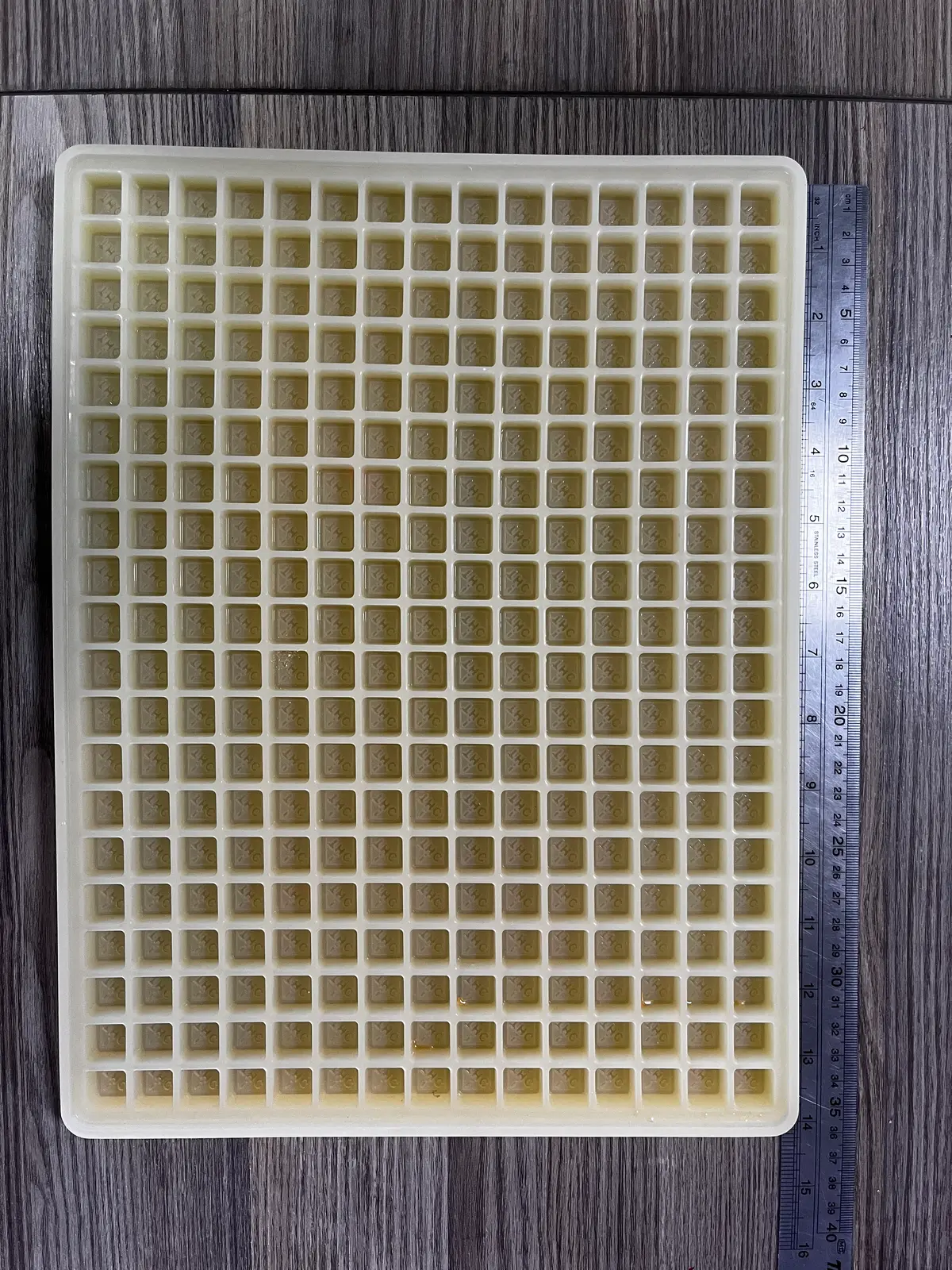
Follow a custom silicone project from RFQ and DFM through CAD, master/tool development, prototype validation, revision approval, production, QC and reorder records.
Read article -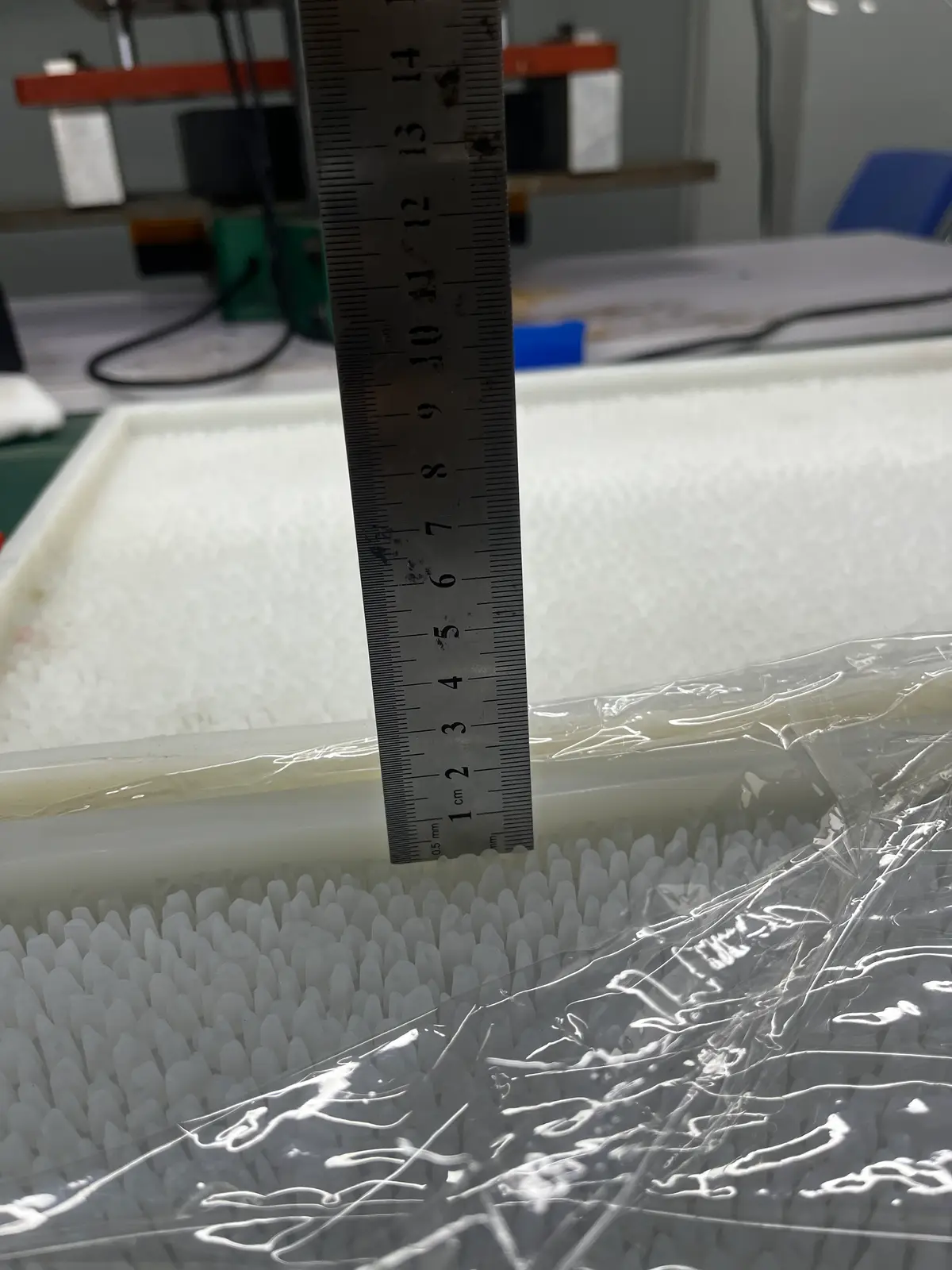
Use this prototype reject checklist to evaluate geometry, dimensions, fit, cavity weight, logo/detail, release, surface, material, support and real-use performance before production approval.
Read article -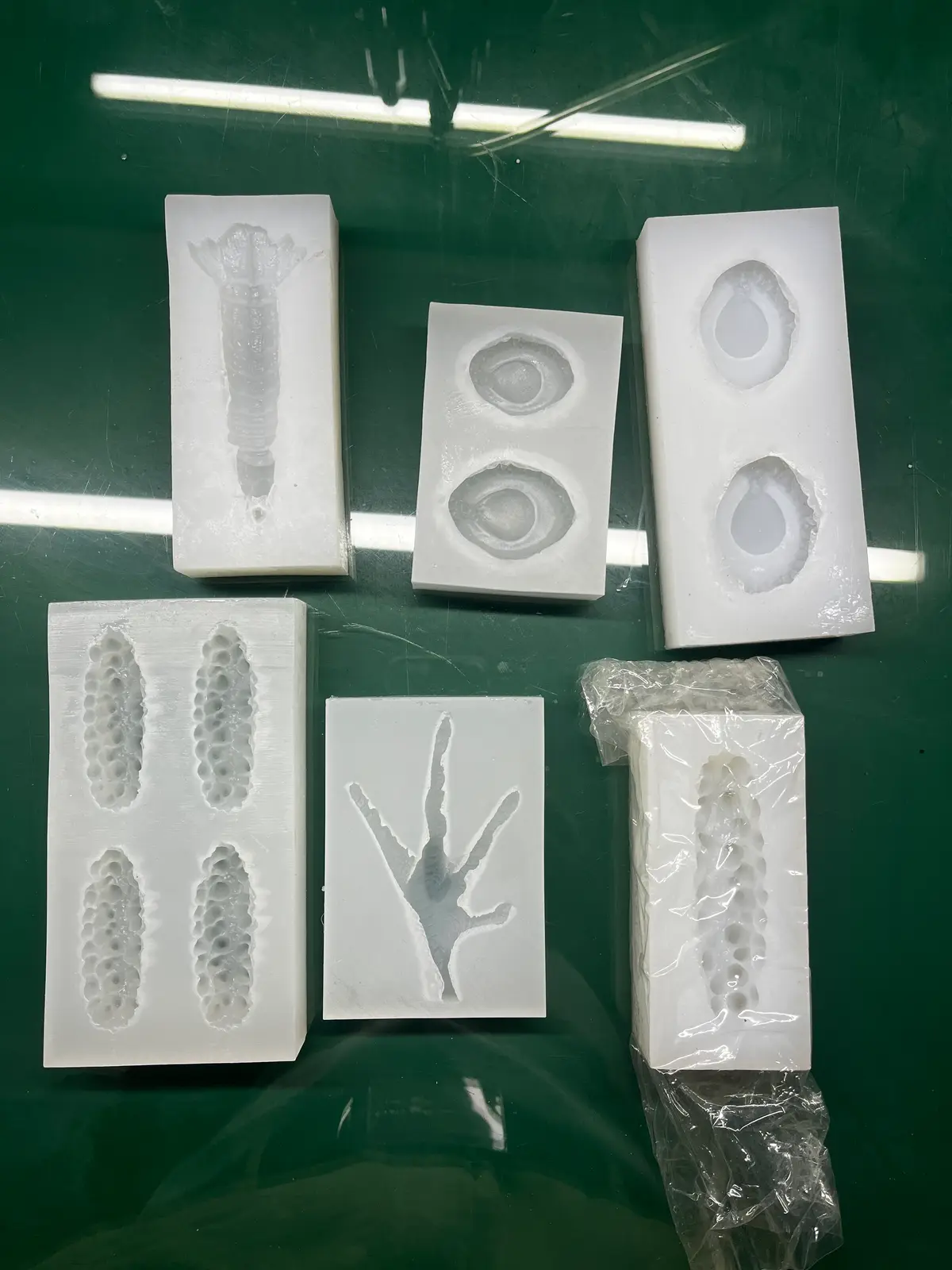
Avoid common first-order mistakes: unclear deliverable, incomplete files, skipping prototype validation, undefined ownership, wrong material documents, unrealistic lead time and shipping assumptions.
Read article -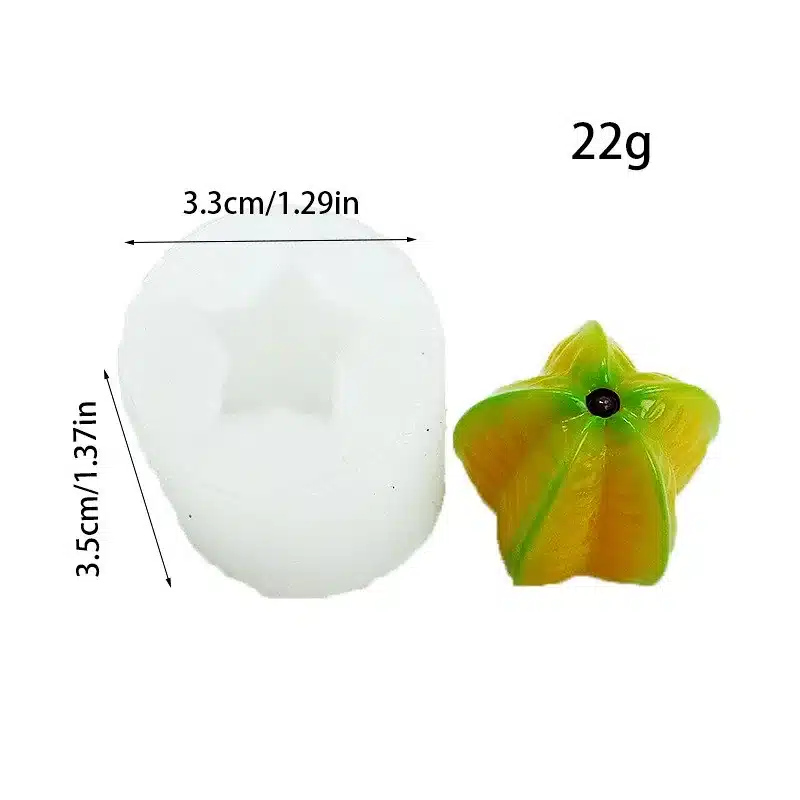
Clean and store food-contact silicone molds by removing residue, using compatible cleaning methods, rinsing thoroughly, drying appropriately, preventing contamination and avoiding long-term deformation.
Read article -
Prevent silicone mold warping by storing molds clean and supported, avoiding sustained bending or concentrated loads, using support trays for large molds and checking flatness before the next production run.
Read article -
Specify silicone mold accuracy by defining CTQs, measurement conditions, master/tool process, material dimensional change, prototype compensation and realistic acceptance criteria.
Read article -