
Kyler Yang··7 min read·Guides
Antimicrobial RTV Molds: Silver-Ion Additive Limits
Silver-ion additives can reduce bacteria on a plaque screen. They don't sterilize a mold or the casting. Don't stir flake into RTV; cleaning still owns
Read article -Custom silicone development · RTV mold MOQ from 20 · DFM & prototype support
Explore practical silicone mold guides from RUUIPON, covering design, release, materials and production planning. Start with the problem you need to solve, then open the relevant product page when you are ready to discuss a quotation. CAD, drawings, samples and measured reference photos can all help define the project.
A broad DFM guide covering release, undercuts, splits, detail, multi-cavity layout, material selection and prototype validation.
The information that helps a supplier identify the correct mold structure, process, quantity and documentation requirements.
Understand when a flexible casting mold, compression tool or LSR tool fits the product.
Understand what food-contact documentation means and what to request for the destination market.
Use this cluster for one-piece vs two-part molds, undercuts and split molds, registration keys, wall thickness and support, edge radius, logo/text detail, tolerance and shrinkage, and DFM review.
One-piece vs two-part · Undercuts and split molds · DFM review
Use this cluster for gummy mold design, gummy size and cavity volume, chocolate molds, baking, ice and food-contact documents.
Use this cluster for platinum vs tin cure, vacuum degassing, cure time, RTV vs HCR/HTV vs LSR, and overmolding.
Use this cluster for RFQ preparation, low MOQ, lead time, custom vs off-the-shelf, factory sourcing, prototype to production, and ownership/reorder.
RFQ guide · Low MOQ · Custom vs off-the-shelf · Manufacturer
Use this cluster for common defects, tearing, resin bubbles, storage/warping, lifespan and cleaning.
Common defects · Resin bubbles · Storage and warping · Mold lifespan
Latest articles · 412 guides · page 25 of 42 · 10 per page
Title preview
Silver-ion additives can reduce bacteria on a plaque screen. They don't sterilize a mold or the casting. Don't stir flake into RTV; cleaning still owns
Read article -
Barium sulfate makes silicone radiopaque or, at high loading, an attenuator. Don't dump BaSO4 into a mold cup. Put the filler in the article, not the
Read article -
Some silicones stay rubbery near -100 C if crystallization is suppressed. Most RTV molds are not cryogenic tools. Test the cavity or part cold after a
Read article -
Long-term implantable silicone needs ISO 10993-1 on the finished device. An RTV mold is tooling. This page is a map, not a filing or implant-approved
Read article -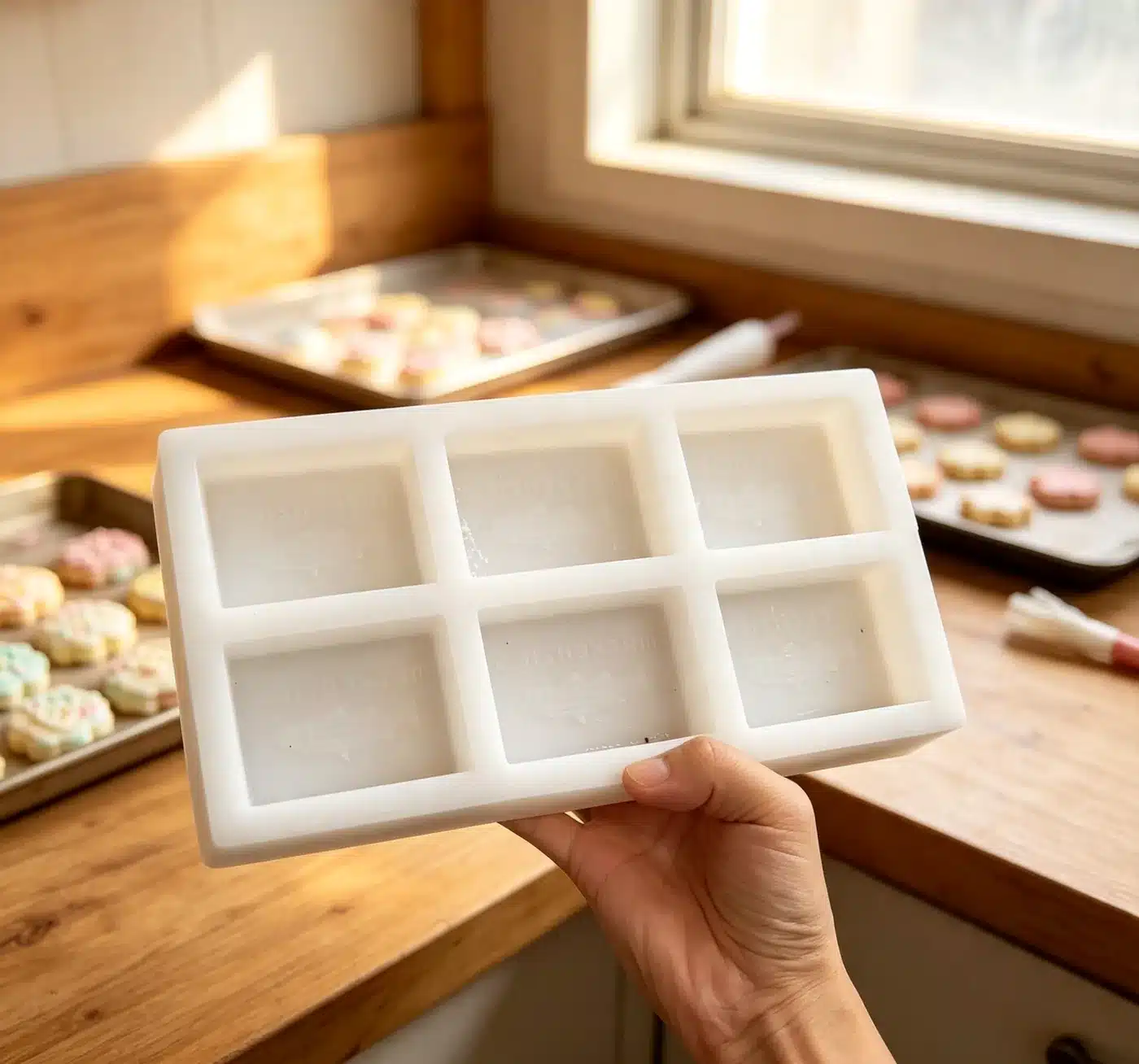
ASTM E595 is a 24 h TML/CVCM screen. Optics often need rates (ASTM E1559) and a bake. Tin RTV keeps outgassing; platinum can be a candidate after vacuum
Read article -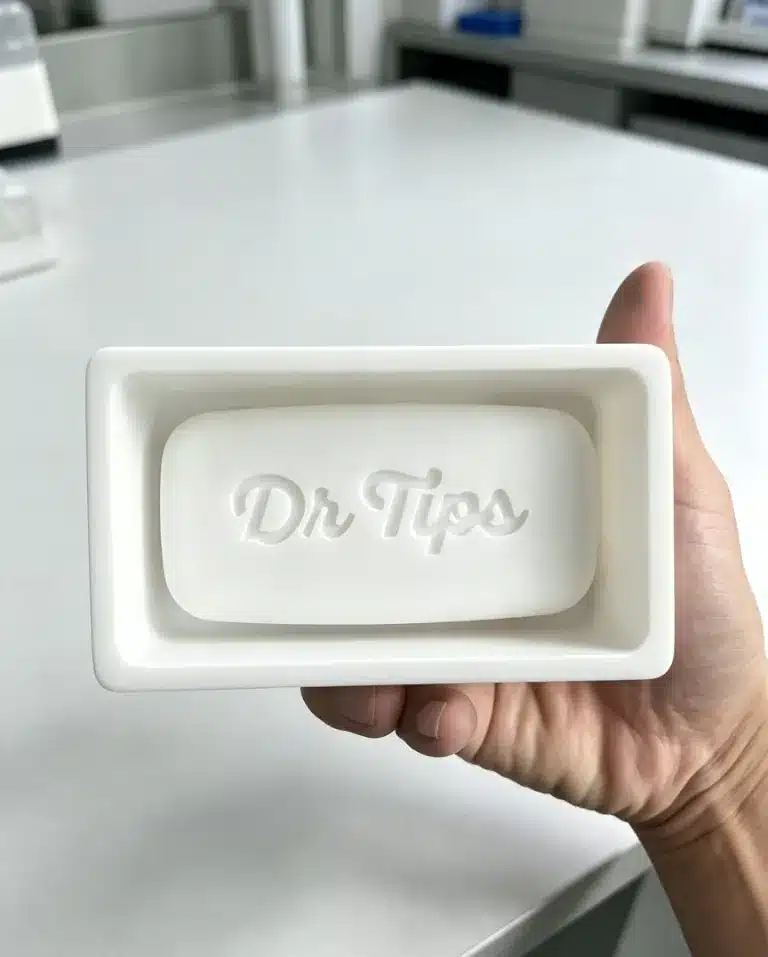
Fumed silica builds RTV viscosity and tear. Quartz flour loads higher, abrades, and is the wrong shrink knob on platinum jackets. Do not invent a shop
Read article -
Magnetic RTV is ferrite in polysiloxane. More powder means more pull and a paste that won't mix. Spec the function, not a loading. Keep ferrite off food
Read article -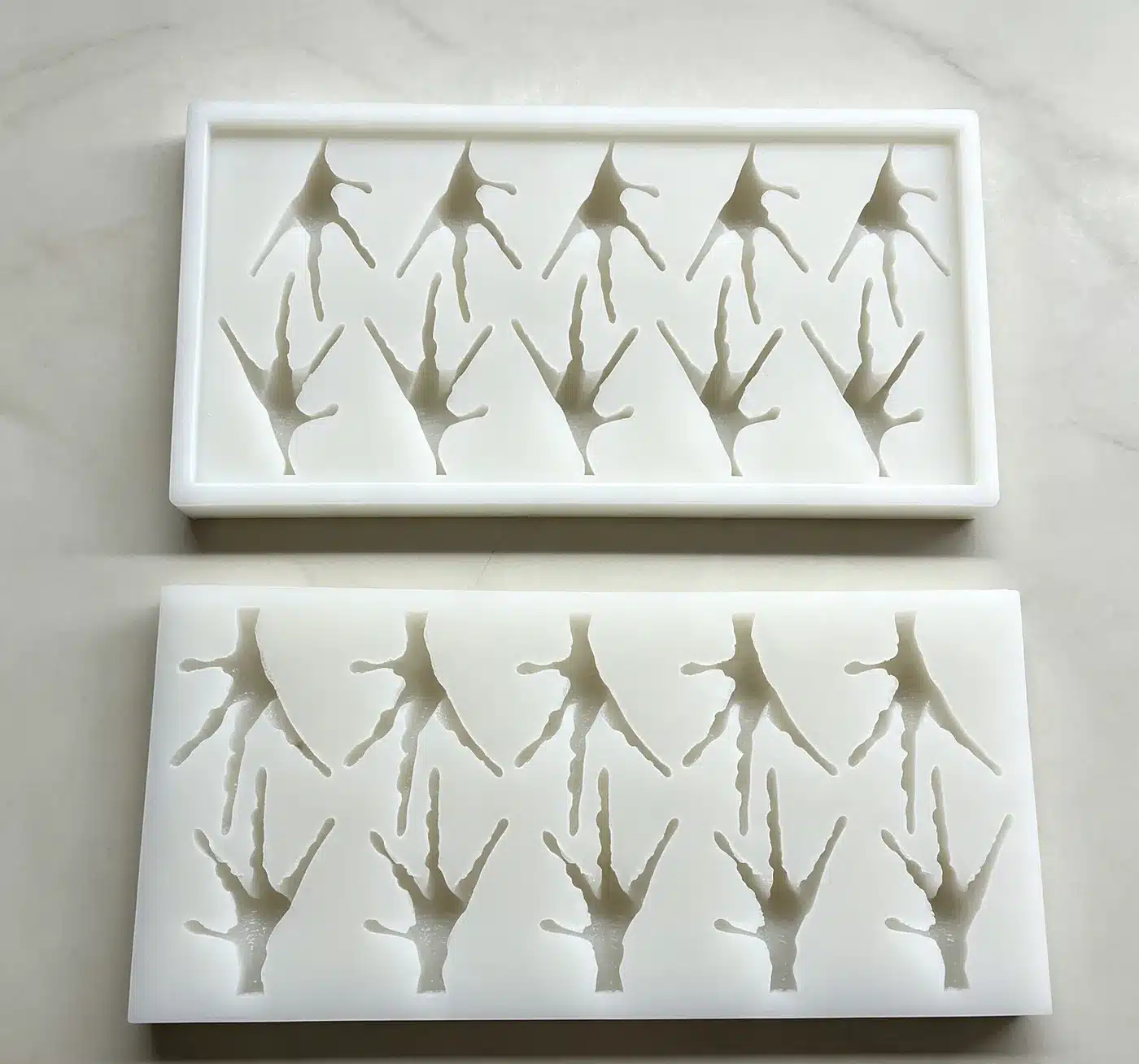
Glow silicone is SrAl or ZnS pigment in polysiloxane. Keep coarse phosphor out of a precision mold face. Mixing control beats a shop-invented loading
Read article -
Thermally conductive silicone is alumina- or BN-filled paste. Heat follows a thin path onto metal. The potting mold locates the sink; don't invent watt
Read article -
Deep cores trap air. For RTV molds, vacuum-degas the mix and pour in a chamber when the master is a blind well. HCR compression vacuum is a different
Read article -