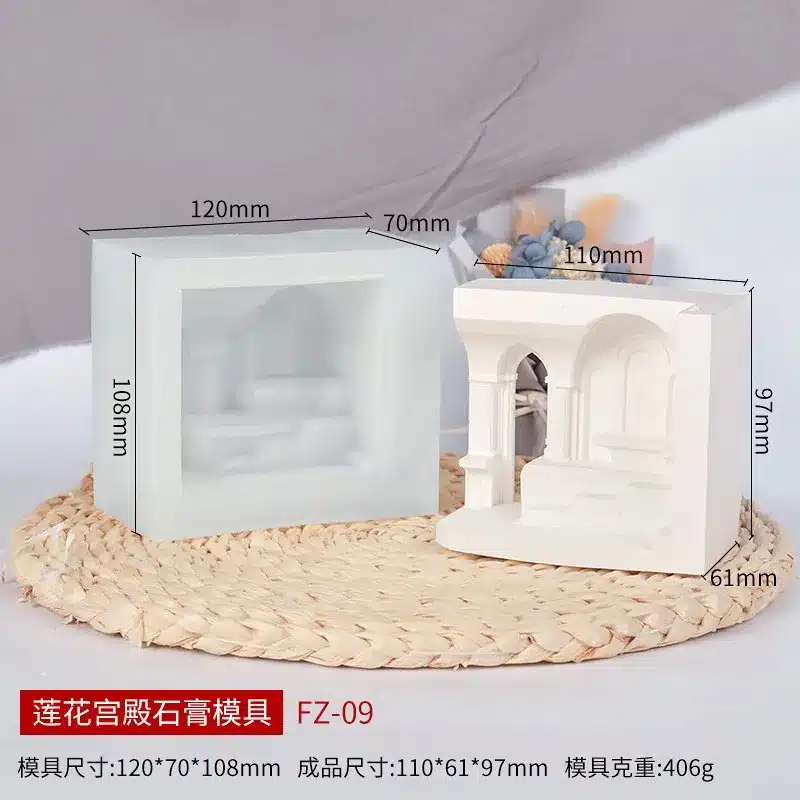
Custom RTV Molds for Concrete and Gypsum Architecture
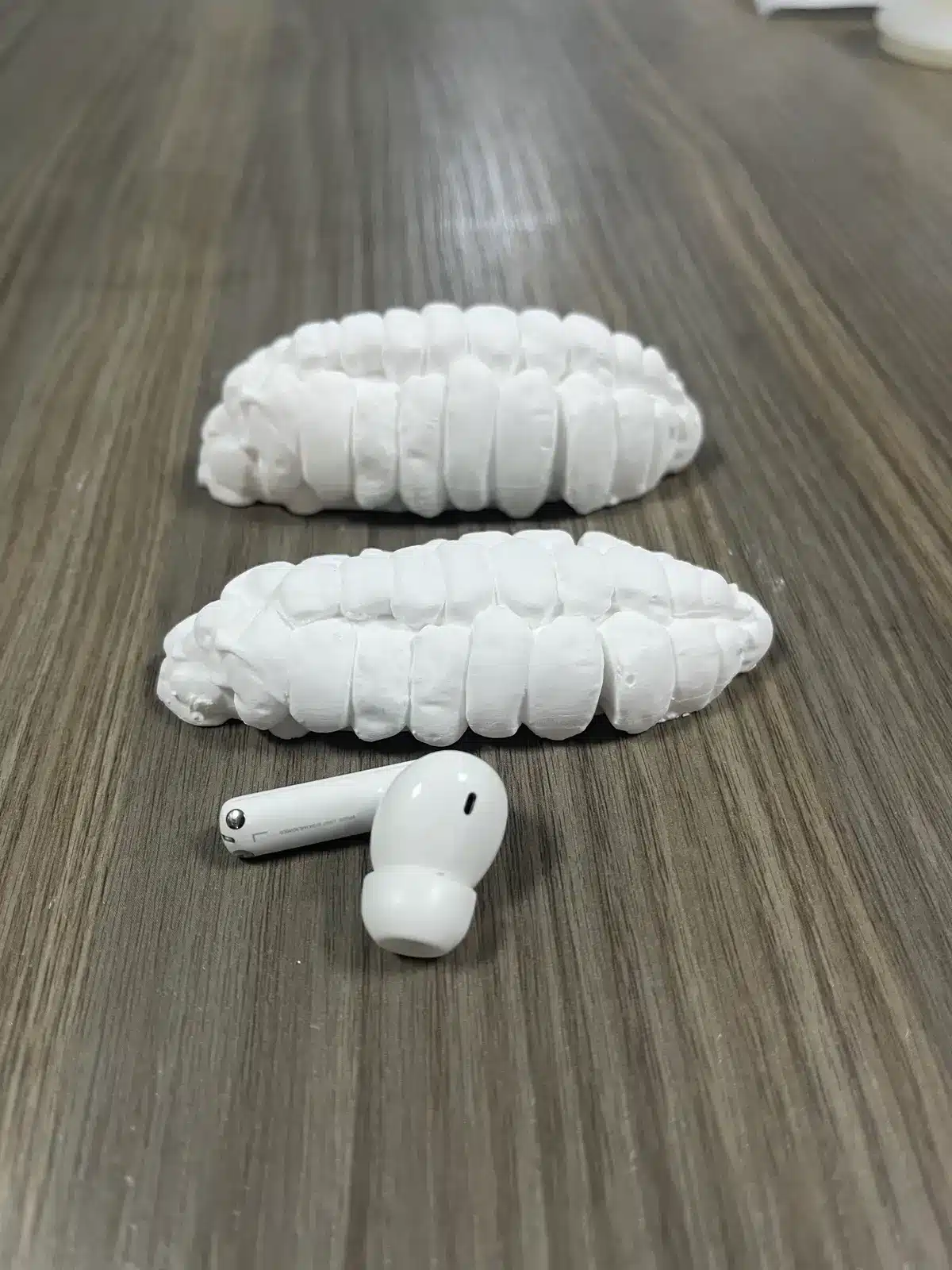
Architectural gypsum and concrete load molds with weight, suction, and abrasion. Use a supported platinum skin, not a jewelry 10A block without a jacket.
Read article -Custom silicone development · RTV mold MOQ from 20 · DFM & prototype support

Explore practical silicone mold guides from RUUIPON, covering design, release, materials and production planning. Start with the problem you need to solve, then open the relevant product page when you are ready to discuss a quotation. CAD, drawings, samples and measured reference photos can all help define the project.
A broad DFM guide covering release, undercuts, splits, detail, multi-cavity layout, material selection and prototype validation.
The information that helps a supplier identify the correct mold structure, process, quantity and documentation requirements.
Understand when a flexible casting mold, compression tool or LSR tool fits the product.
Understand what food-contact documentation means and what to request for the destination market.
Use this cluster for one-piece vs two-part molds, undercuts and split molds, registration keys, wall thickness and support, edge radius, logo/text detail, tolerance and shrinkage, and DFM review.
One-piece vs two-part · Undercuts and split molds · DFM review
Use this cluster for gummy mold design, gummy size and cavity volume, chocolate molds, baking, ice and food-contact documents.
Use this cluster for platinum vs tin cure, vacuum degassing, cure time, RTV vs HCR/HTV vs LSR, and overmolding.
Use this cluster for RFQ preparation, low MOQ, lead time, custom vs off-the-shelf, factory sourcing, prototype to production, and ownership/reorder.
RFQ guide · Low MOQ · Custom vs off-the-shelf · Manufacturer
Use this cluster for common defects, tearing, resin bubbles, storage/warping, lifespan and cleaning.
Common defects · Resin bubbles · Storage and warping · Mold lifespan
Latest articles · 412 guides · page 23 of 42 · 10 per page
Title preview
Architectural gypsum and concrete load molds with weight, suction, and abrasion. Use a supported platinum skin, not a jewelry 10A block without a jacket.
Read article -

Skin-safe is platinum chemistry plus a scoped ISO 10993 plan, not a label. The RTV mold that copies a sculpt is usually not the liner. Keep tin off skin.
Read article -Thermally conductive silicones are filled; dielectric grades are often unfilled. The RTV jacket must fill without voids. One compound will not maximize
Read article -Automation saves labor, not the RTV mold by default. Timed peelers extend life when they cut peak strain. They shorten it when they yank a locked undercut.
Read article -
Compression set is leftover squeeze after heat and time. On RTV tools it shows up as stacked skins and pinched jackets. Design support, not more Shore A.
Read article -Pin witnesses on LSR parts are a LIM problem. On RTV cavities the analog is master pins, keys, and peel stretch. Move the push off the show face. Wait to
Read article -Cavity shade shifts and halo bleed are separate faults: weigh-up, loading, inhibition, post-cure. Lock the paste and cure state before blaming the master.
Read article -
More clamp coins a bending HCR land. RTV flash is overfill or a walking shut. Design overflow and stiffness. Compression mold tooling stays on RUUIPON.
Read article -A CMM stylus on a 10A–20A RTV skin measures the dent. Optical is the default for cavities and dumps. Write free-state vs jacketed, not a fake Gage R&R.
Read article -UL 94 V-0 rates a specimen at a stated thickness, not a mold. Specify chemistry, wall, and whether the cavity or the casting is the test article.
Read article -