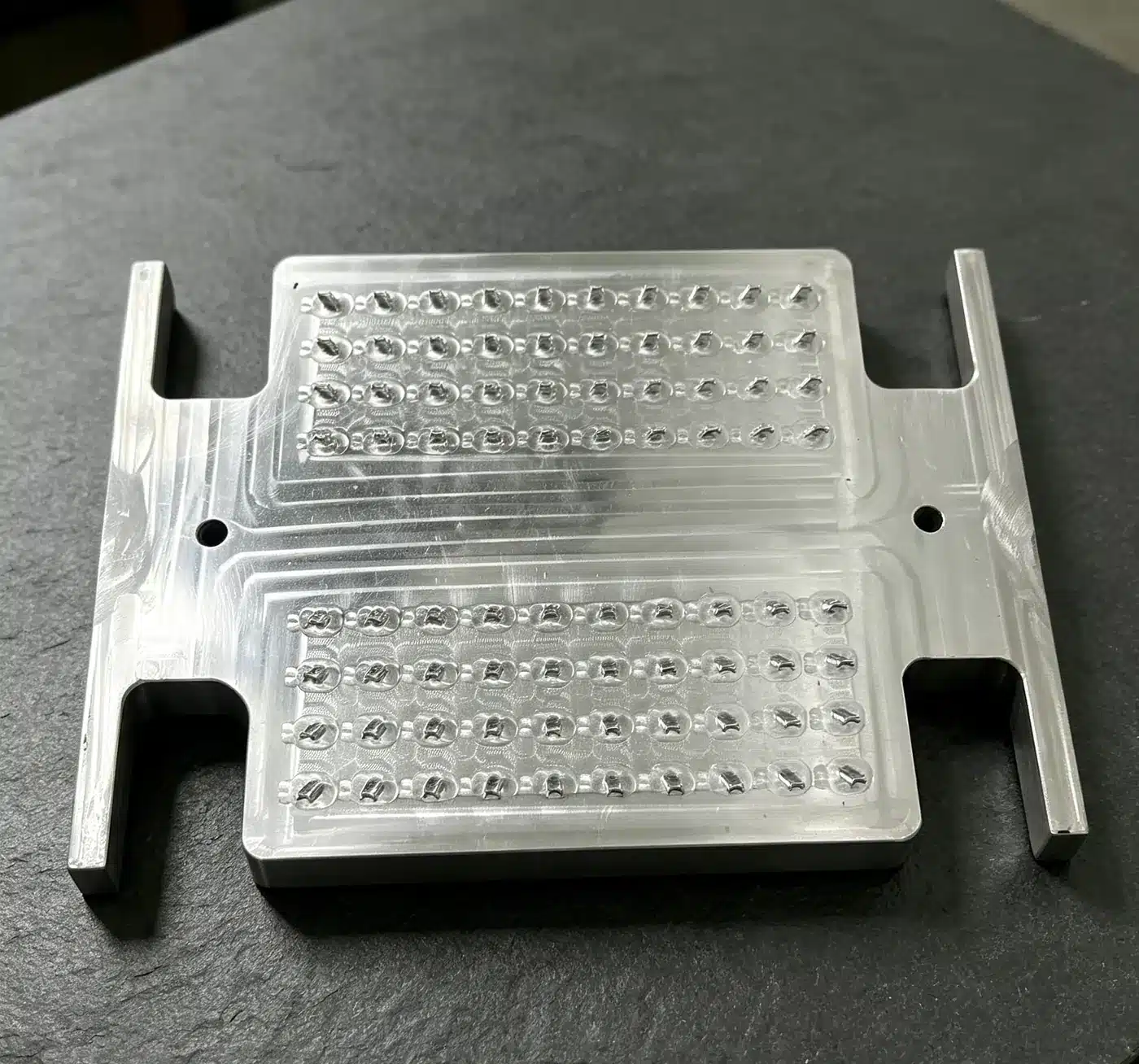
When RTV Casting Should Stop: Recast vs a Part Tool
Stay on an RTV mold until labor, sag, or chemistry force a change. Volume alone is not the switch. Recast and duplicate first; steel LSR is a parts quote.
Read article -Custom silicone development · RTV mold MOQ from 20 · DFM & prototype support

Explore practical silicone mold guides from RUUIPON, covering design, release, materials and production planning. Start with the problem you need to solve, then open the relevant product page when you are ready to discuss a quotation. CAD, drawings, samples and measured reference photos can all help define the project.
A broad DFM guide covering release, undercuts, splits, detail, multi-cavity layout, material selection and prototype validation.
The information that helps a supplier identify the correct mold structure, process, quantity and documentation requirements.
Understand when a flexible casting mold, compression tool or LSR tool fits the product.
Understand what food-contact documentation means and what to request for the destination market.
Use this cluster for one-piece vs two-part molds, undercuts and split molds, registration keys, wall thickness and support, edge radius, logo/text detail, tolerance and shrinkage, and DFM review.
One-piece vs two-part · Undercuts and split molds · DFM review
Use this cluster for gummy mold design, gummy size and cavity volume, chocolate molds, baking, ice and food-contact documents.
Use this cluster for platinum vs tin cure, vacuum degassing, cure time, RTV vs HCR/HTV vs LSR, and overmolding.
Use this cluster for RFQ preparation, low MOQ, lead time, custom vs off-the-shelf, factory sourcing, prototype to production, and ownership/reorder.
RFQ guide · Low MOQ · Custom vs off-the-shelf · Manufacturer
Use this cluster for common defects, tearing, resin bubbles, storage/warping, lifespan and cleaning.
Common defects · Resin bubbles · Storage and warping · Mold lifespan
Latest articles · 412 guides · page 21 of 42 · 10 per page
Title preview
Stay on an RTV mold until labor, sag, or chemistry force a change. Volume alone is not the switch. Recast and duplicate first; steel LSR is a parts quote.
Read article -
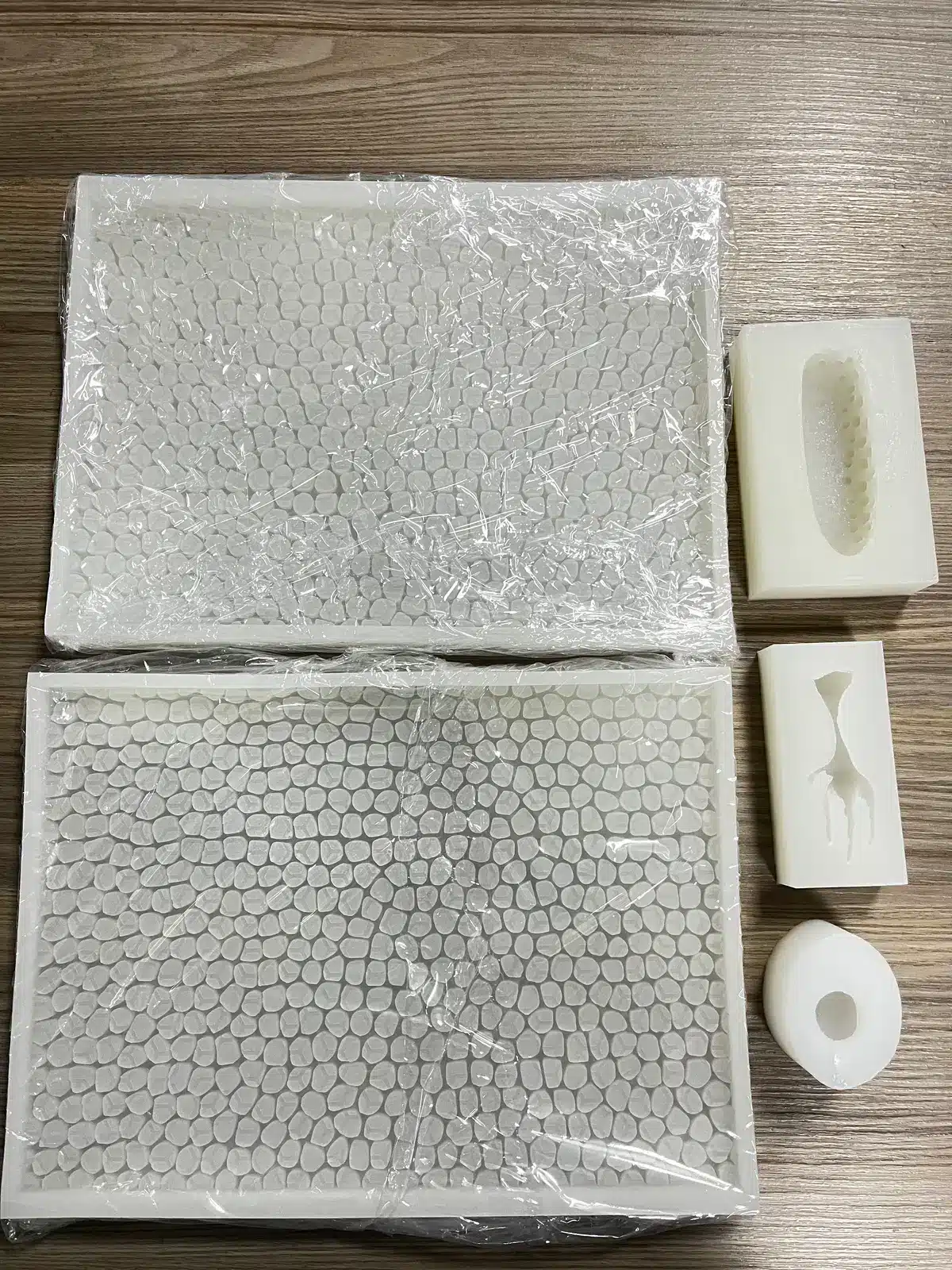
An 8-cavity RTV tray does not cut dump price by eight. It cuts pour time per piece and raises jacket, sag, scrap, and recast. Run the dump math.
Read article -FAI on an RTV mold is a packet: ballooned drawing, fill-weight, Shore, jacket, and visual. It is not a photo of a nice dump. State wait and trim.
Read article -Remote audit of an RTV mold shop is a timed shot list: vacuum bench, mix, pattern, resin mother, jackets, metrology. If you cannot name the shots, you are touring.
Read article -You cannot NDA a master into secrecy. Make copying expensive: watermarked files, custody of the pattern, no-export, recast rights, and photos of your
Read article -An RTV mold pays for itself when trim, sag scrap, and recasts stay below a steel jump you may not need. TCO is stack plus conversion, not piece vs mold
Read article -Precision RTV kits fail in transit packed as cargo: crushed skins, cracked support shells, warped living mothers. Crate the kit dry, blocked, and nested.
Read article -You can recast an RTV skin on the same living mother. A geometry change means a new mother, then a recast. Budget add vs subtract on the pattern, not a weld.
Read article -
RTV prototype time starts at CAD lock, not the first email. Cut calendar by unmixing RTV vs LSR, finishing the pattern, and not cutting steel first.
Read article -
A torn RTV skin is not automatically a dead tool. Inspect pour face, support shell, and living mother. Recast the skin; replace when the mother is gone.
Read article -