
Kyler Yang··8 min read·Guides
Degas Silicone Without Vacuum: When Not To | RUUIPON
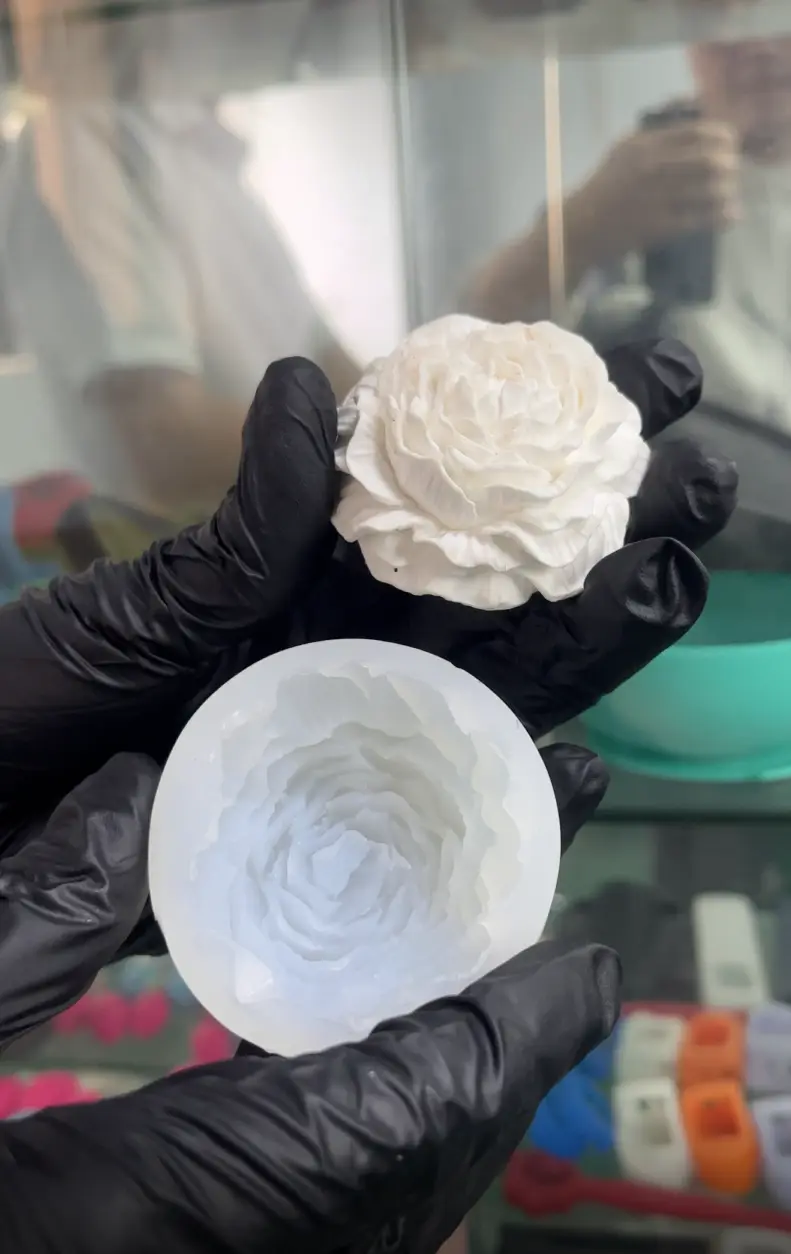
Thin craft pours may use a pressure pot and a brush coat. Food logos, thick skins, and production RTV still need vacuum — when we refuse to skip it.
Read article -Custom silicone development · RTV mold MOQ from 20 · DFM & prototype support
Explore practical silicone mold guides from RUUIPON, covering design, release, materials and production planning. Start with the problem you need to solve, then open the relevant product page when you are ready to discuss a quotation. CAD, drawings, samples and measured reference photos can all help define the project.
A broad DFM guide covering release, undercuts, splits, detail, multi-cavity layout, material selection and prototype validation.
The information that helps a supplier identify the correct mold structure, process, quantity and documentation requirements.
Understand when a flexible casting mold, compression tool or LSR tool fits the product.
Understand what food-contact documentation means and what to request for the destination market.
Use this cluster for one-piece vs two-part molds, undercuts and split molds, registration keys, wall thickness and support, edge radius, logo/text detail, tolerance and shrinkage, and DFM review.
One-piece vs two-part · Undercuts and split molds · DFM review
Use this cluster for gummy mold design, gummy size and cavity volume, chocolate molds, baking, ice and food-contact documents.
Use this cluster for platinum vs tin cure, vacuum degassing, cure time, RTV vs HCR/HTV vs LSR, and overmolding.
Use this cluster for RFQ preparation, low MOQ, lead time, custom vs off-the-shelf, factory sourcing, prototype to production, and ownership/reorder.
RFQ guide · Low MOQ · Custom vs off-the-shelf · Manufacturer
Use this cluster for common defects, tearing, resin bubbles, storage/warping, lifespan and cleaning.
Common defects · Resin bubbles · Storage and warping · Mold lifespan
Latest articles · 412 guides · page 19 of 42 · 10 per page
Title preview
Thin craft pours may use a pressure pot and a brush coat. Food logos, thick skins, and production RTV still need vacuum — when we refuse to skip it.
Read article -
Food RTV trays need a rinse, no oil, and a matte-dry face. Resin tools take a solvent wipe. Dishwasher film and grease shorten life; spec wash on the RFQ.
Read article -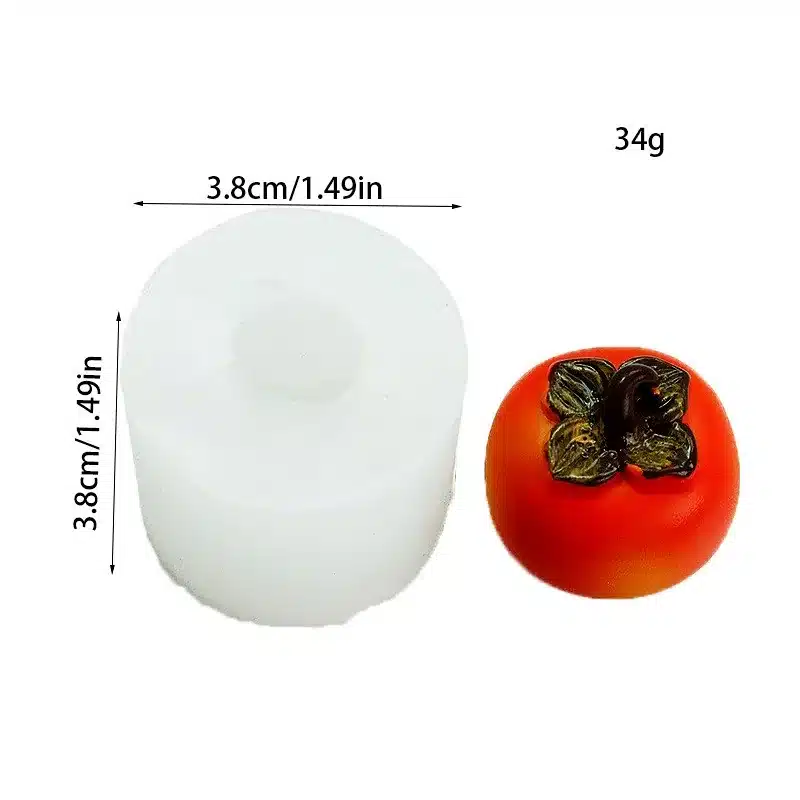
New platinum RTV has a short shop odor a wash and rest usually clear. Tin leftover, food film, and solvent smell different. Don't bake a food tray to
Read article -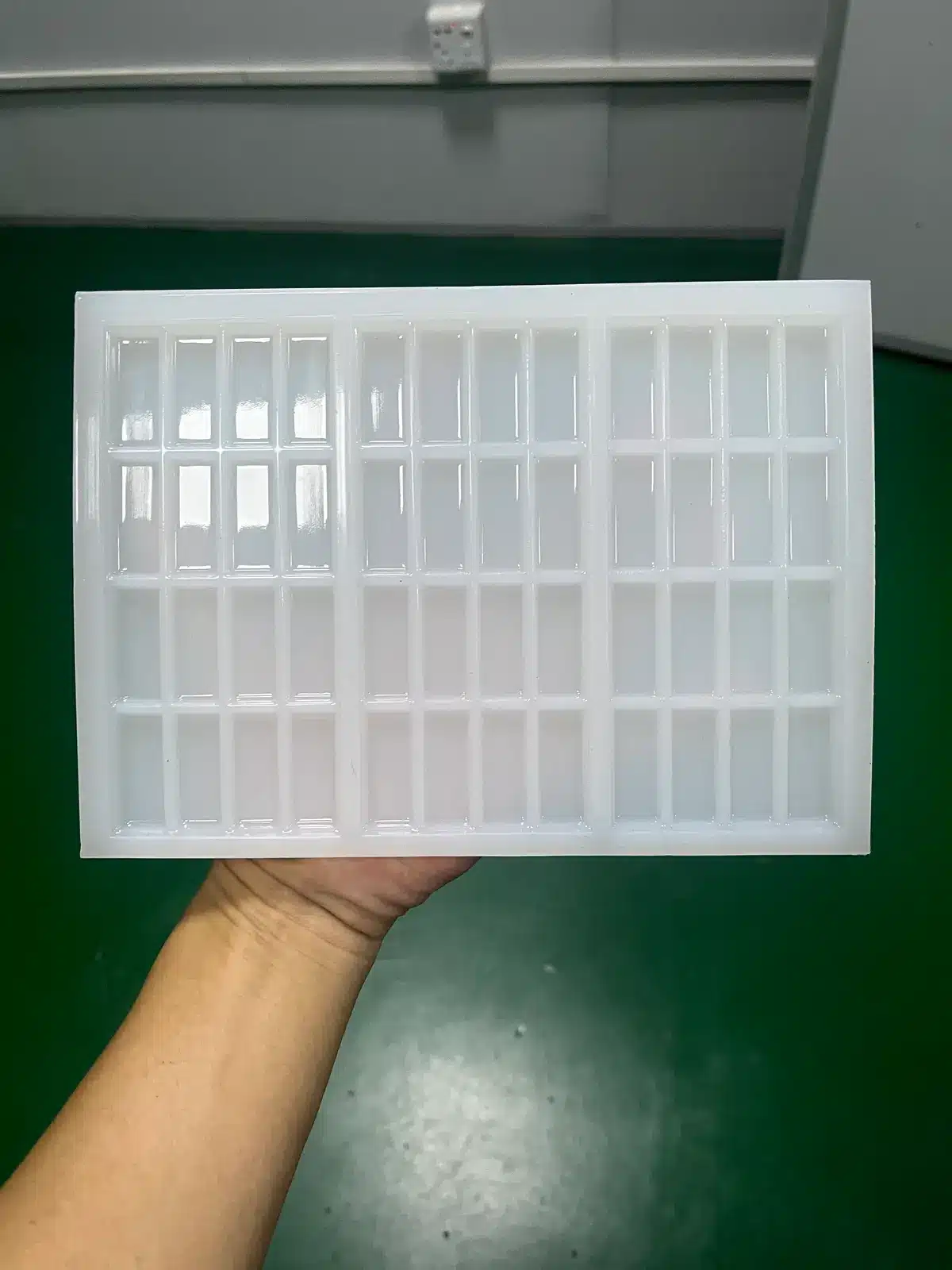
Baking trays curl from uneven heat and a floppy sheet. Fridge curl is cold set plus stacking. Confirm jacket, bake temp, and storage before recasting
Read article -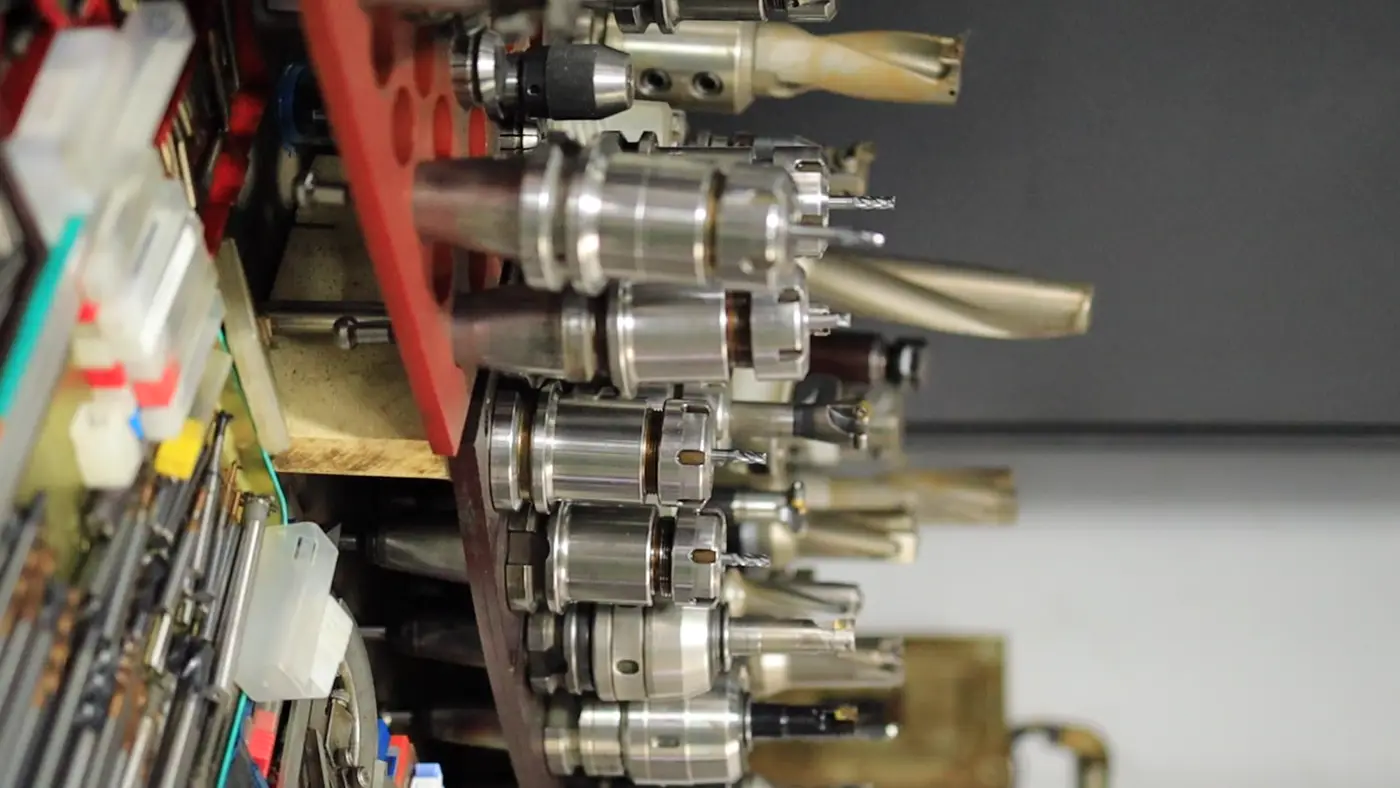
Clear platinum RTV yellows from UV, heat, and some pours. Tin and peroxide HCR yellow differently. Confirm chemistry and storage before recasting
Read article -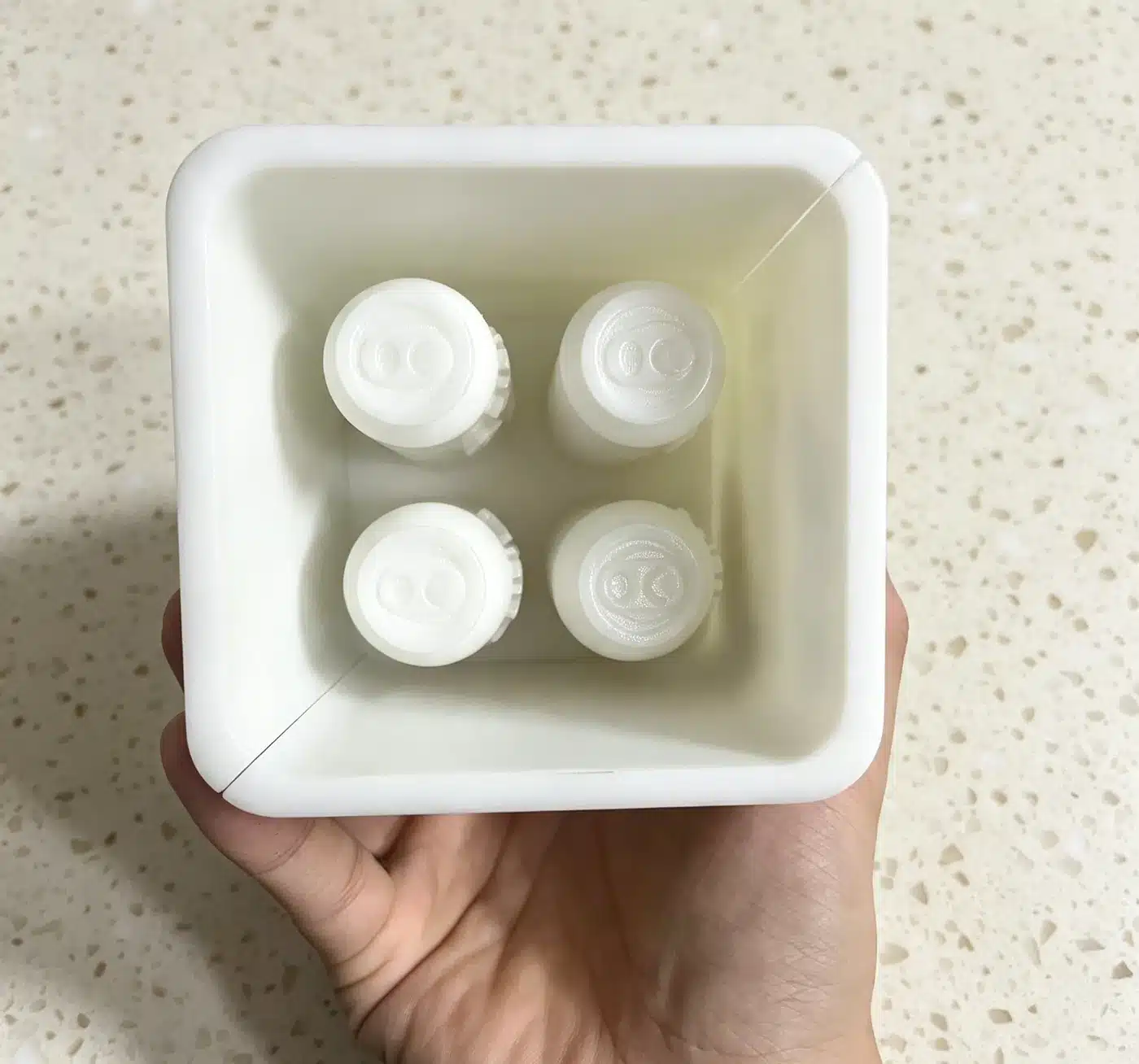
A greasy film on old RTV may be tin bleed, a filled cheap mix, or last week's oil. Confirm with a spare and a wipe test before you recast or add oil.
Read article -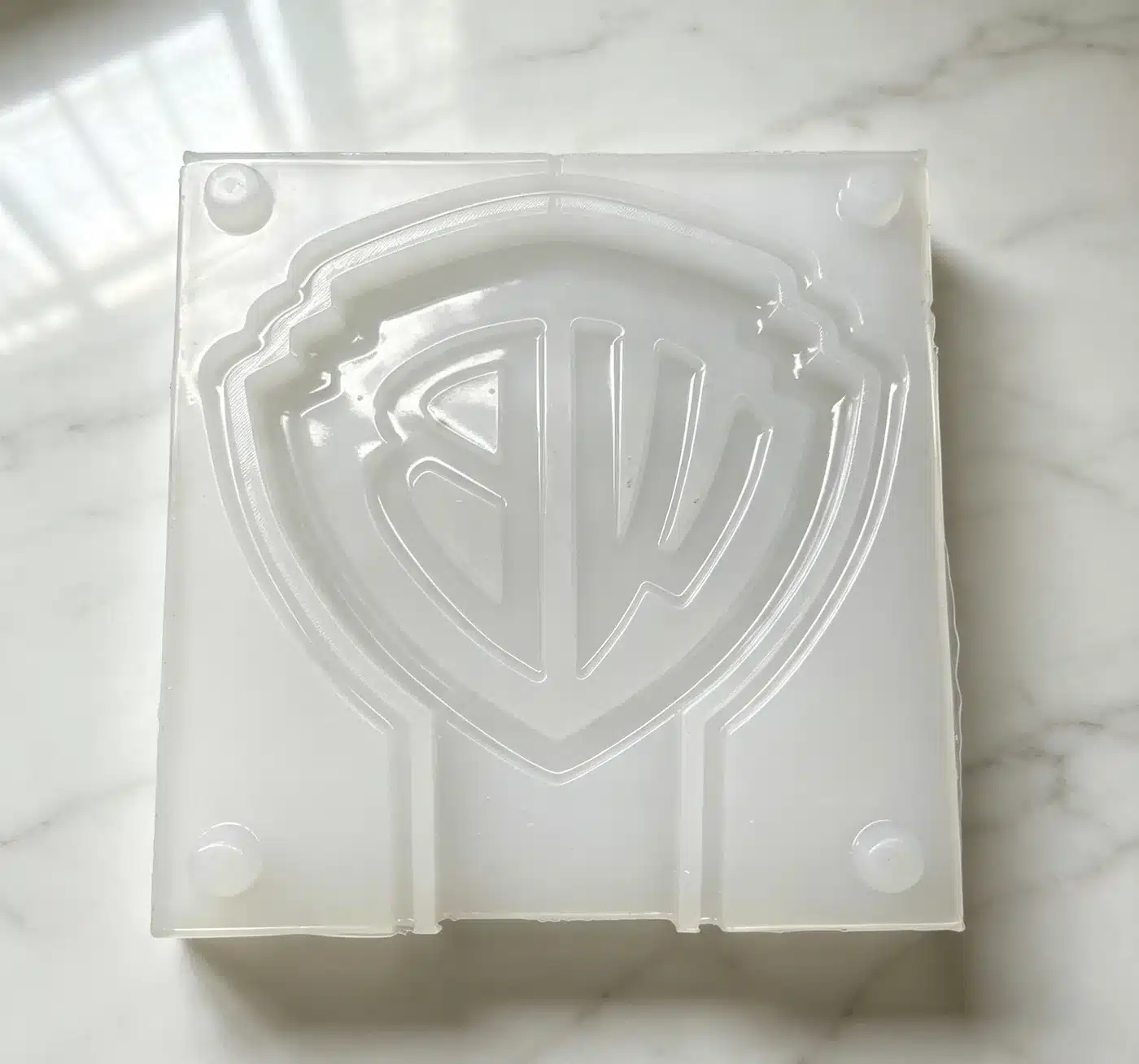
For a custom RTV mold, lock metal cores, pins, and jacket hardware with holes or dovetails. Primer helps the face; it does not replace a peel-proof lock.
Read article -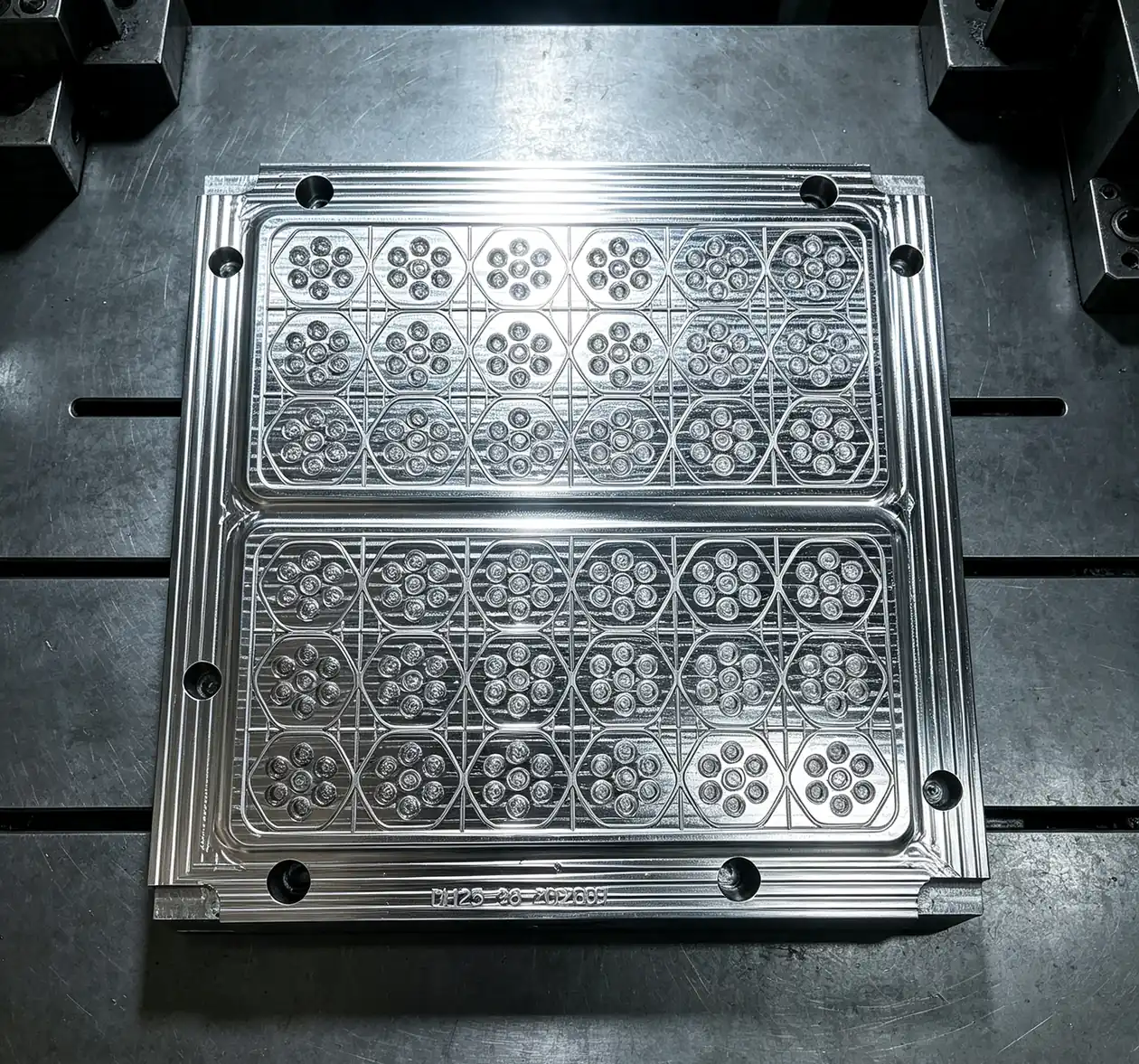
On an RTV mold, “sink” is usually air in a boss or a jacket that ballooned. Vacuum and a mother mold fix it; copying ABS rib ratios onto a 10A skin does
Read article -
A sharp internal corner in an RTV cavity is a tear starter. Fillet the master; keep true knives only where a seal or logo is a named exception.
Read article -
Send the STEP, then the answers it cannot give: platinum or tin, Shore, split, jacket, and dump material. An RFQ without those is a guess with a glove
Read article -