
Kyler Yang··9 min read·Design & DFM
Textures and Logos in Custom Silicone Tool Cavities
A logo easy to mill in aluminum can tear a 10A RTV skin. Set depth and draft on the master; laser-EDM in LSR steel is a different parts quote.
Read article -Custom silicone development · RTV mold MOQ from 20 · DFM & prototype support
Explore practical silicone mold guides from RUUIPON, covering design, release, materials and production planning. Start with the problem you need to solve, then open the relevant product page when you are ready to discuss a quotation. CAD, drawings, samples and measured reference photos can all help define the project.
A broad DFM guide covering release, undercuts, splits, detail, multi-cavity layout, material selection and prototype validation.
The information that helps a supplier identify the correct mold structure, process, quantity and documentation requirements.
Understand when a flexible casting mold, compression tool or LSR tool fits the product.
Understand what food-contact documentation means and what to request for the destination market.
Use this cluster for one-piece vs two-part molds, undercuts and split molds, registration keys, wall thickness and support, edge radius, logo/text detail, tolerance and shrinkage, and DFM review.
One-piece vs two-part · Undercuts and split molds · DFM review
Use this cluster for gummy mold design, gummy size and cavity volume, chocolate molds, baking, ice and food-contact documents.
Use this cluster for platinum vs tin cure, vacuum degassing, cure time, RTV vs HCR/HTV vs LSR, and overmolding.
Use this cluster for RFQ preparation, low MOQ, lead time, custom vs off-the-shelf, factory sourcing, prototype to production, and ownership/reorder.
RFQ guide · Low MOQ · Custom vs off-the-shelf · Manufacturer
Use this cluster for common defects, tearing, resin bubbles, storage/warping, lifespan and cleaning.
Common defects · Resin bubbles · Storage and warping · Mold lifespan
Latest articles · 412 guides · page 20 of 42 · 10 per page
Title preview
A logo easy to mill in aluminum can tear a 10A RTV skin. Set depth and draft on the master; laser-EDM in LSR steel is a different parts quote.
Read article -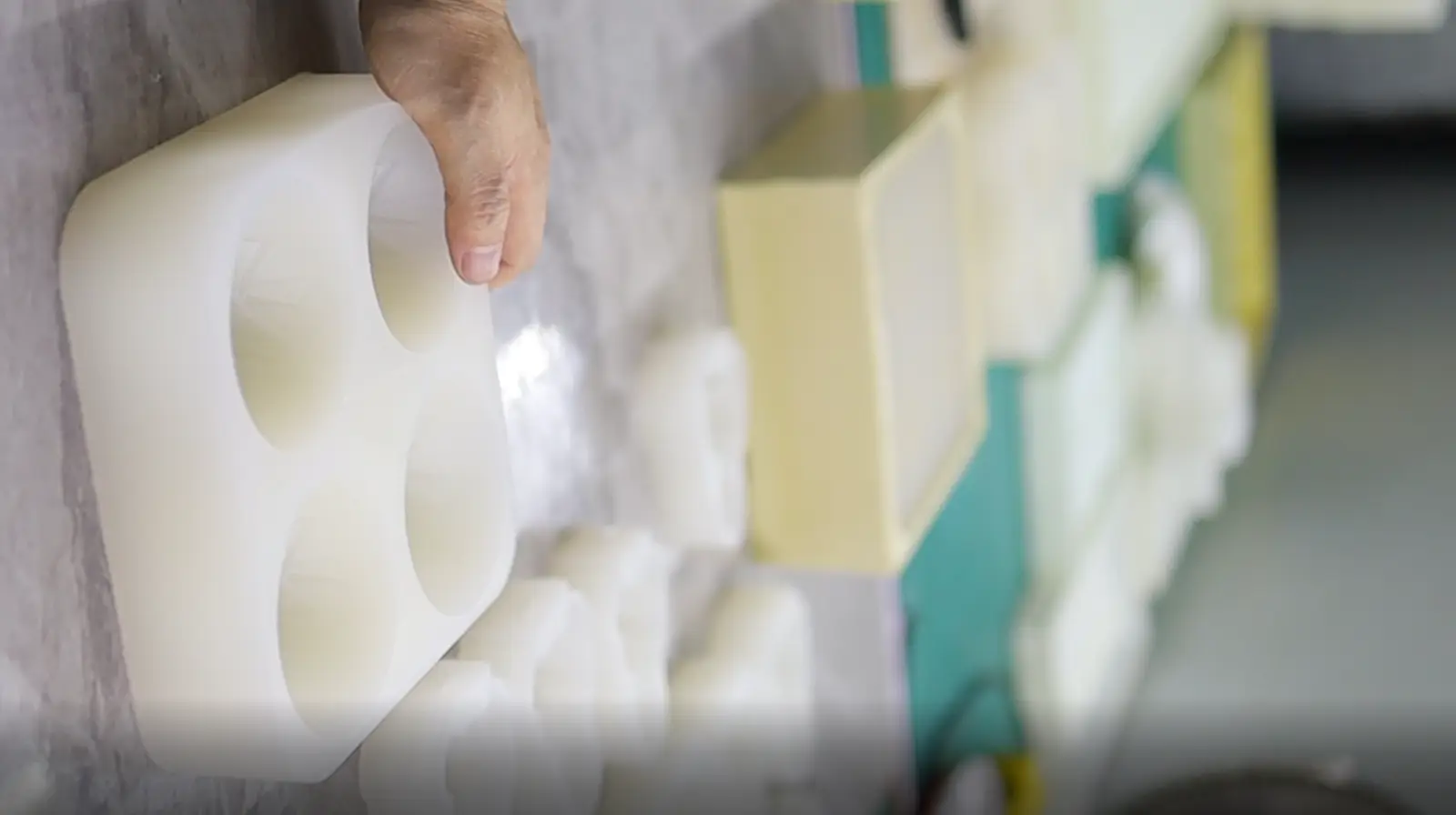
If pocket 1 is full and pocket 8 is light, the pour and jacket are not balanced. RTV trays need even head and a flat mother mold, not an LSR cold-runner.
Read article -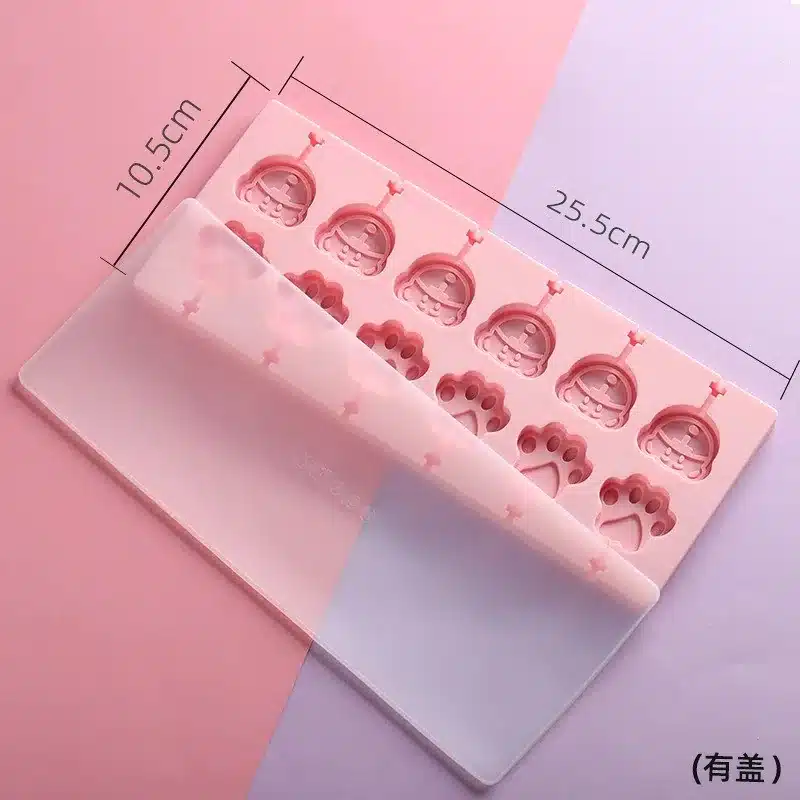
If two RTV halves can close 0.3 mm off and still look shut, they will. Key the jacket and use odd-count buttons; do not locate on the flash land.
Read article -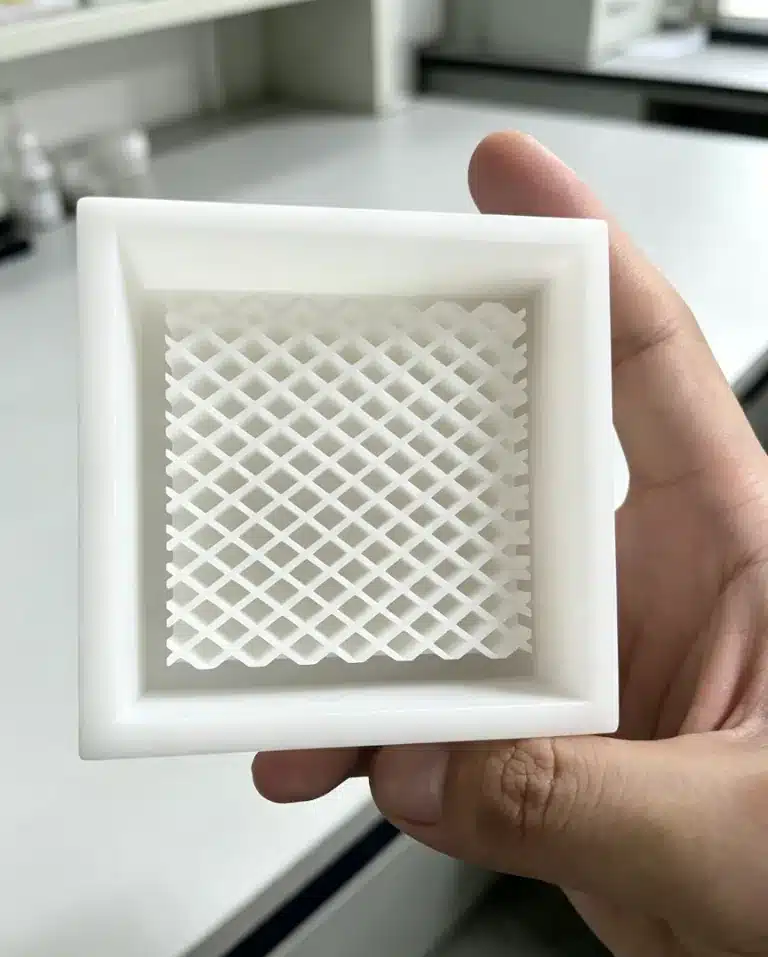
Paste 2% on a platinum RTV job and you cut the master wrong. Platinum holds ~0.1–0.3%; tin keeps moving. Coupon the dump, not an LSR steel factor.
Read article -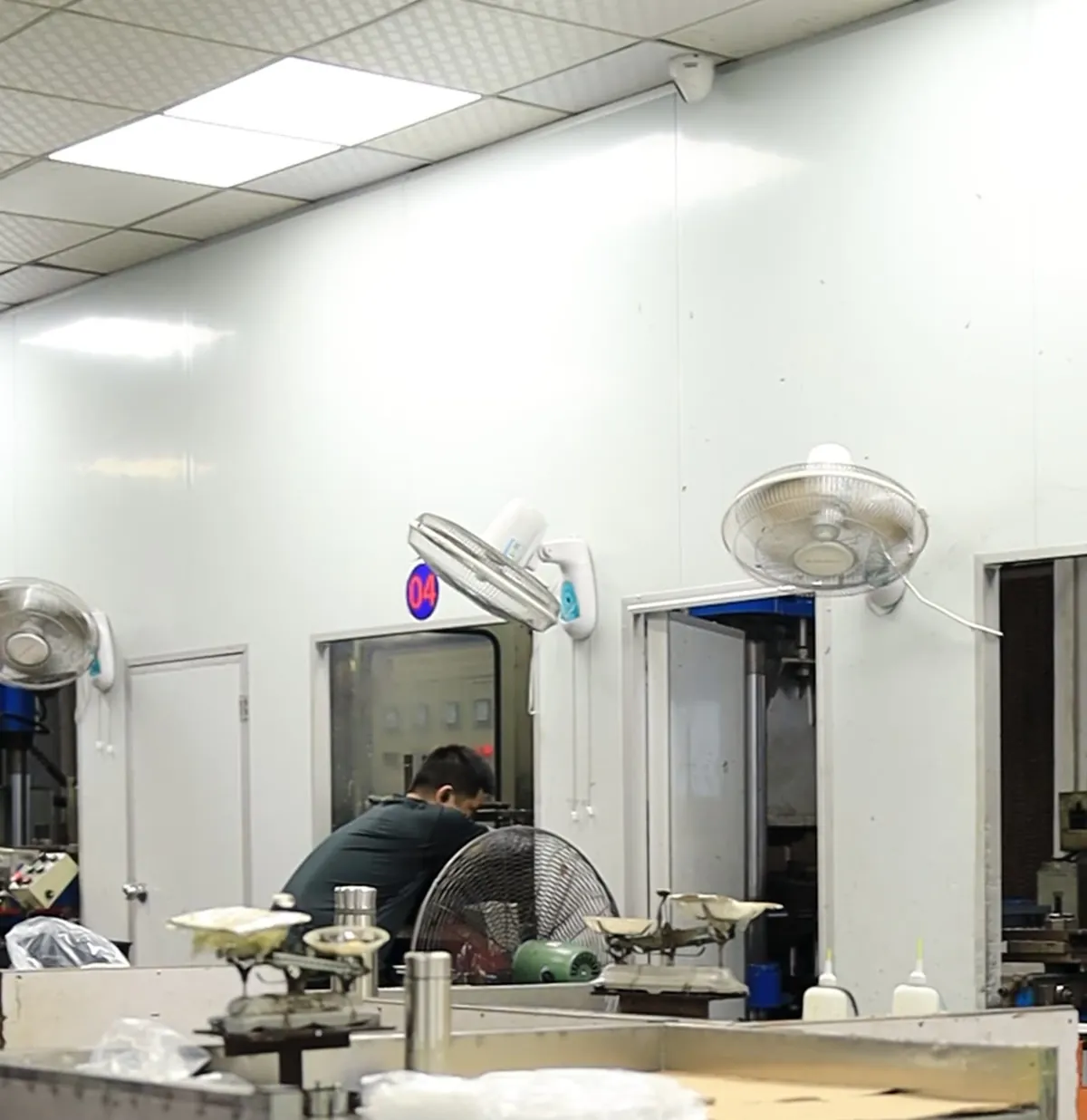
A STEP of the product is not a production mother. Add split, jacket offset, and dump shrink, then name platinum or tin so RTV skins and LSR steel do not share one file.
Read article -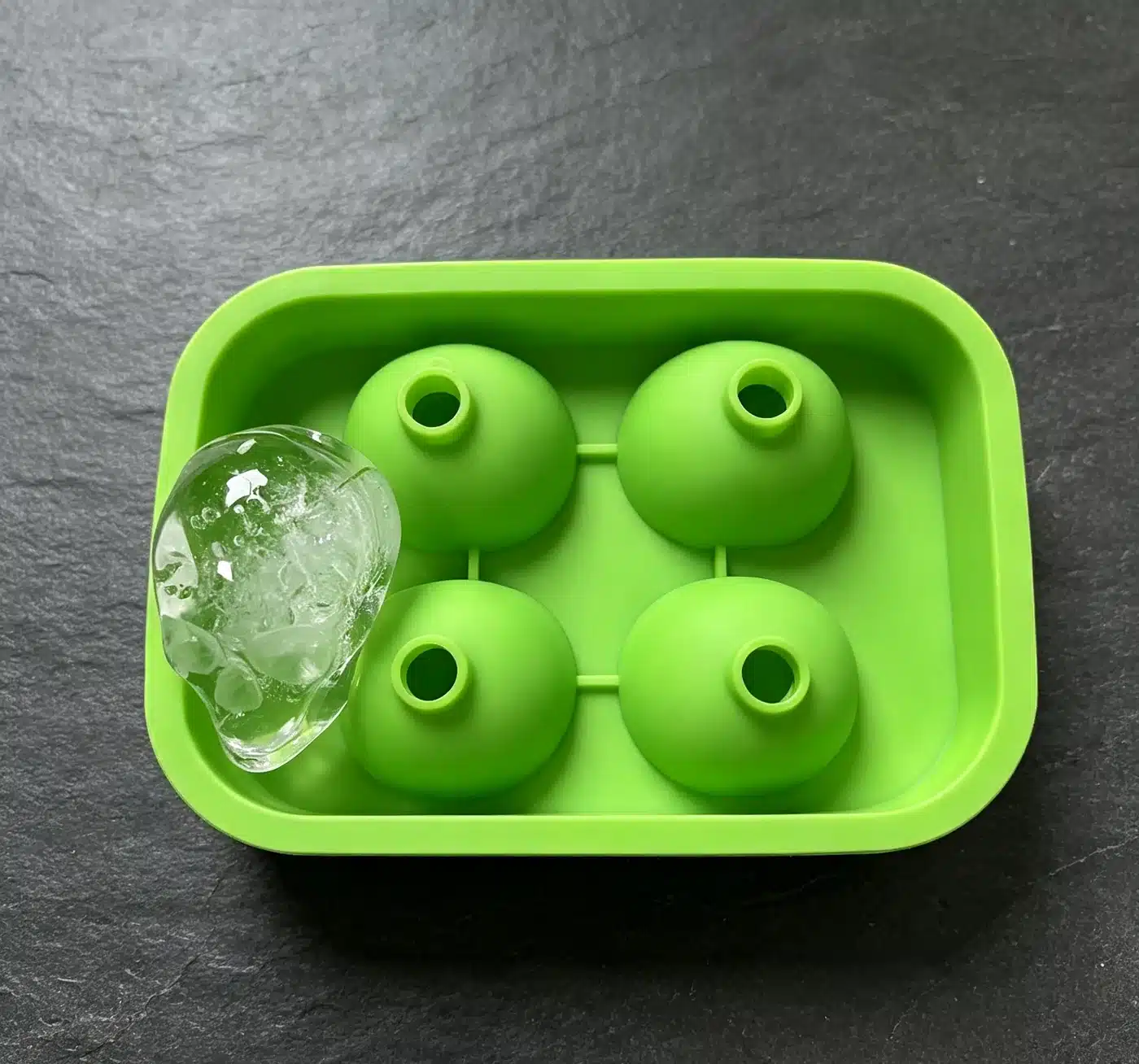
Dump price at 10,000 is not the 100-pour quote divided by 100. It drops where mix, setup, sag scrap, and mold amortization stop dominating each pour.
Read article -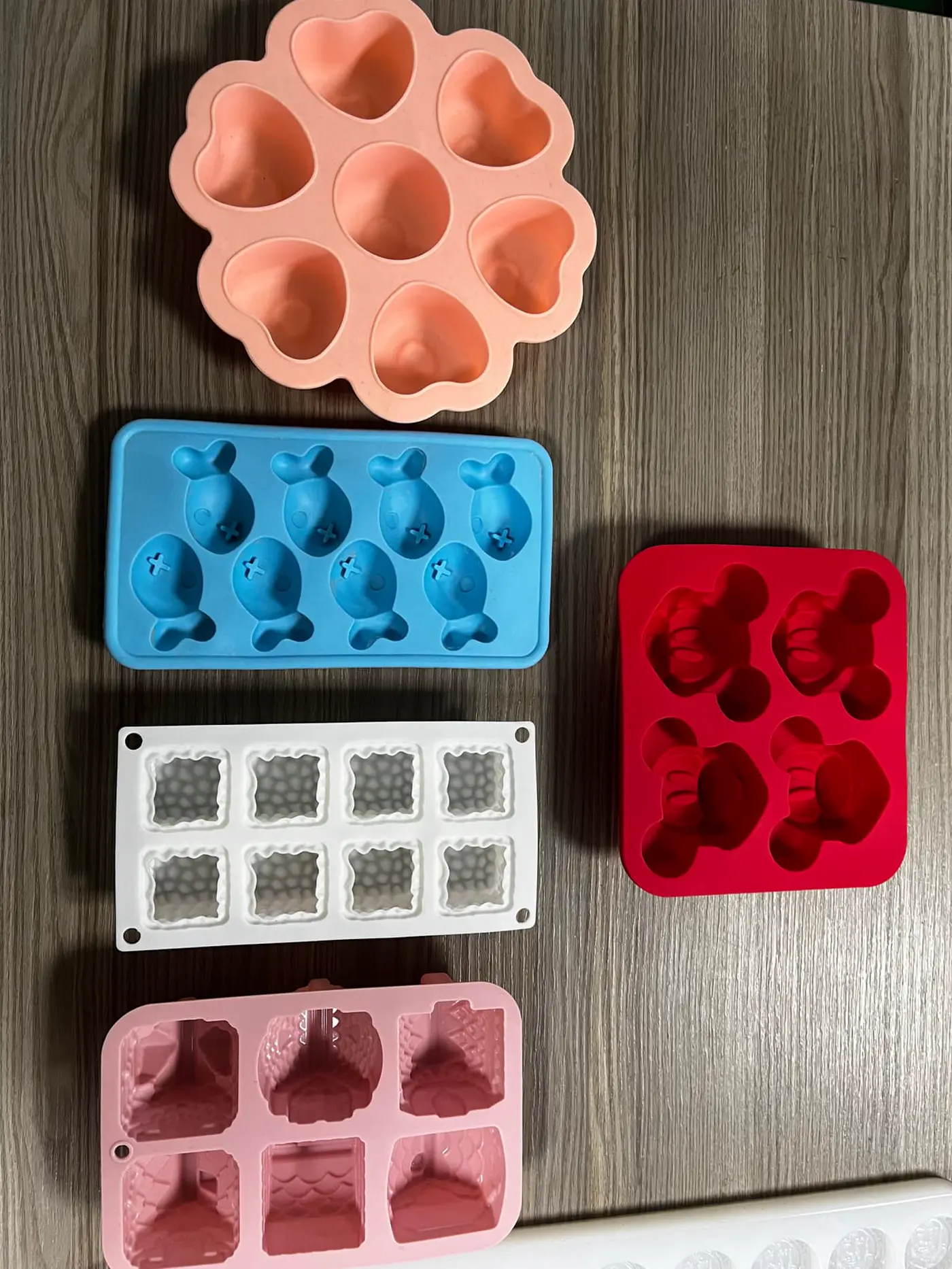
For a custom RTV mold, the fork is CNC versus printed *masters*. Printed LSR cavities are a different, hot-tool exception. Finish and inhibition decide.
Read article -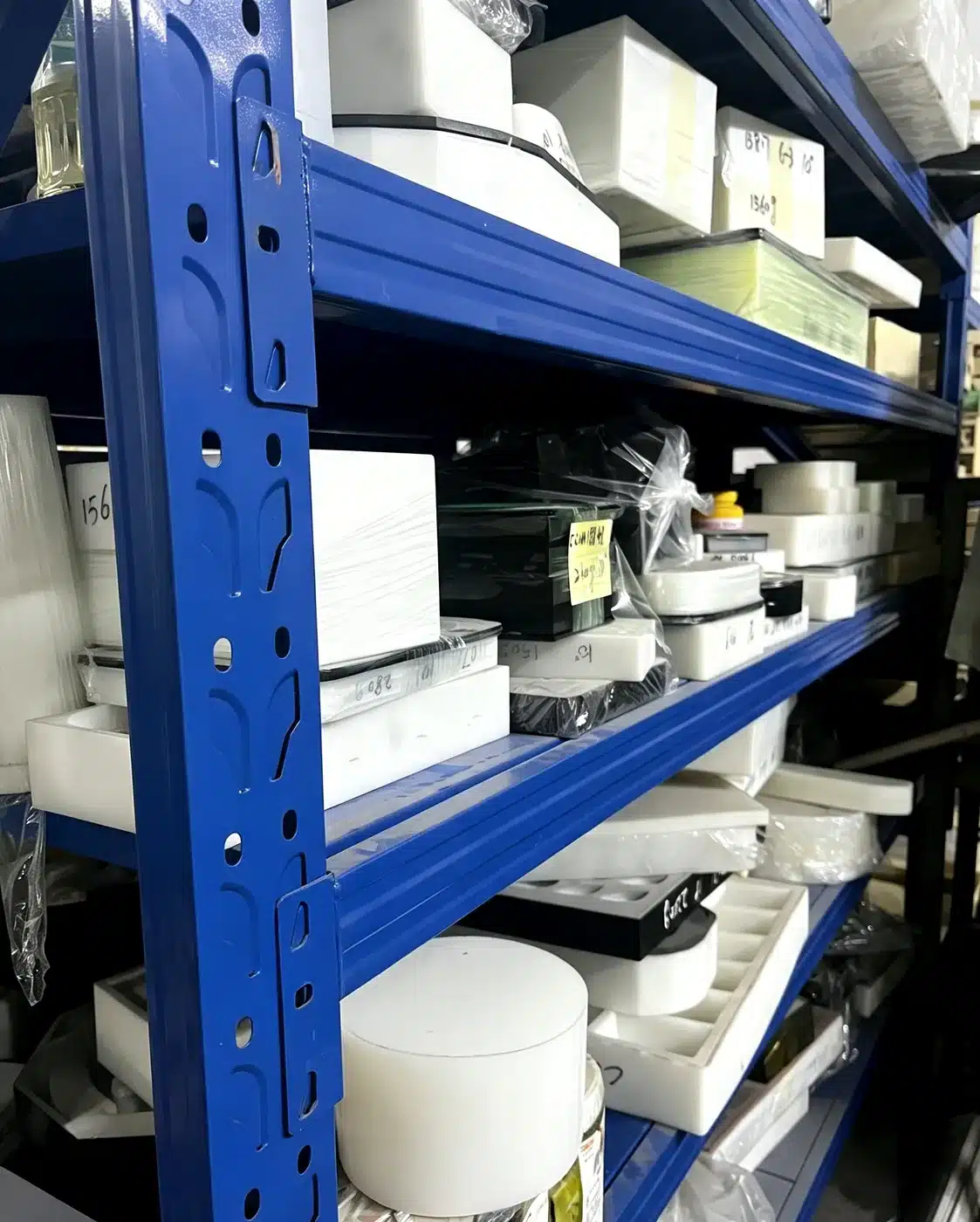
A low MOQ on a custom RTV mold is a setup-cost policy, not a kindness. Check master custody, kit size, recast, and whether the shop actually pours gloves.
Read article -
RTV vacuum casting makes a pour cavity. LSR molding makes a vulcanized part. Soft tooling is an industry aside. Finished LSR parts are an HTV product or mold RFQ here, or a different LSR-tool RFQ - ask us.
Read article -
Mold price is the visible third. Split-trim labor, sag scrap, and recasts often outrun the first skin. Budget the leaks, not just the glove.
Read article -