

Kyler Yang··7 min read·Guides
Engineering a Custom RTV Silicone Mold Before the Pour
RTV mold engineering is split faces, keys, cores, pour gates, and a rigid jacket around the master. Shrink maps belong on the casting, not on an LSR
Read article -Custom silicone development · RTV mold MOQ from 20 · DFM & prototype support
Explore practical silicone mold guides from RUUIPON, covering design, release, materials and production planning. Start with the problem you need to solve, then open the relevant product page when you are ready to discuss a quotation. CAD, drawings, samples and measured reference photos can all help define the project.
A broad DFM guide covering release, undercuts, splits, detail, multi-cavity layout, material selection and prototype validation.
The information that helps a supplier identify the correct mold structure, process, quantity and documentation requirements.
Understand when a flexible casting mold, compression tool or LSR tool fits the product.
Understand what food-contact documentation means and what to request for the destination market.
Use this cluster for one-piece vs two-part molds, undercuts and split molds, registration keys, wall thickness and support, edge radius, logo/text detail, tolerance and shrinkage, and DFM review.
One-piece vs two-part · Undercuts and split molds · DFM review
Use this cluster for gummy mold design, gummy size and cavity volume, chocolate molds, baking, ice and food-contact documents.
Use this cluster for platinum vs tin cure, vacuum degassing, cure time, RTV vs HCR/HTV vs LSR, and overmolding.
Use this cluster for RFQ preparation, low MOQ, lead time, custom vs off-the-shelf, factory sourcing, prototype to production, and ownership/reorder.
RFQ guide · Low MOQ · Custom vs off-the-shelf · Manufacturer
Use this cluster for common defects, tearing, resin bubbles, storage/warping, lifespan and cleaning.
Common defects · Resin bubbles · Storage and warping · Mold lifespan
Latest articles · 412 guides · page 31 of 42 · 10 per page
Title preview
RTV mold engineering is split faces, keys, cores, pour gates, and a rigid jacket around the master. Shrink maps belong on the casting, not on an LSR
Read article -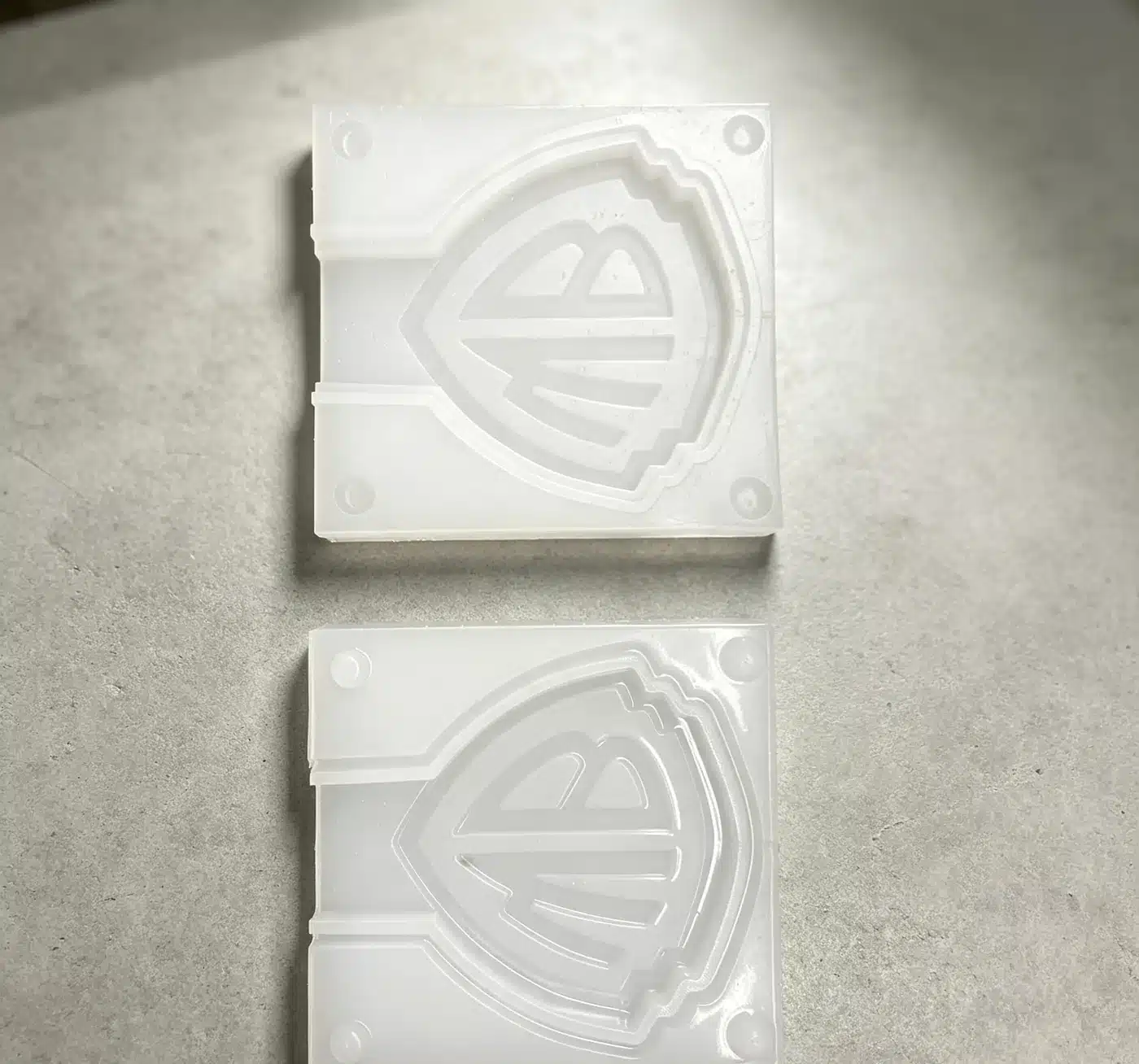
RTV mold calendars are master finishing, jacket work, and first-cast review, not CNC hours on steel. Parallel coupons and food files, and put gates on
Read article -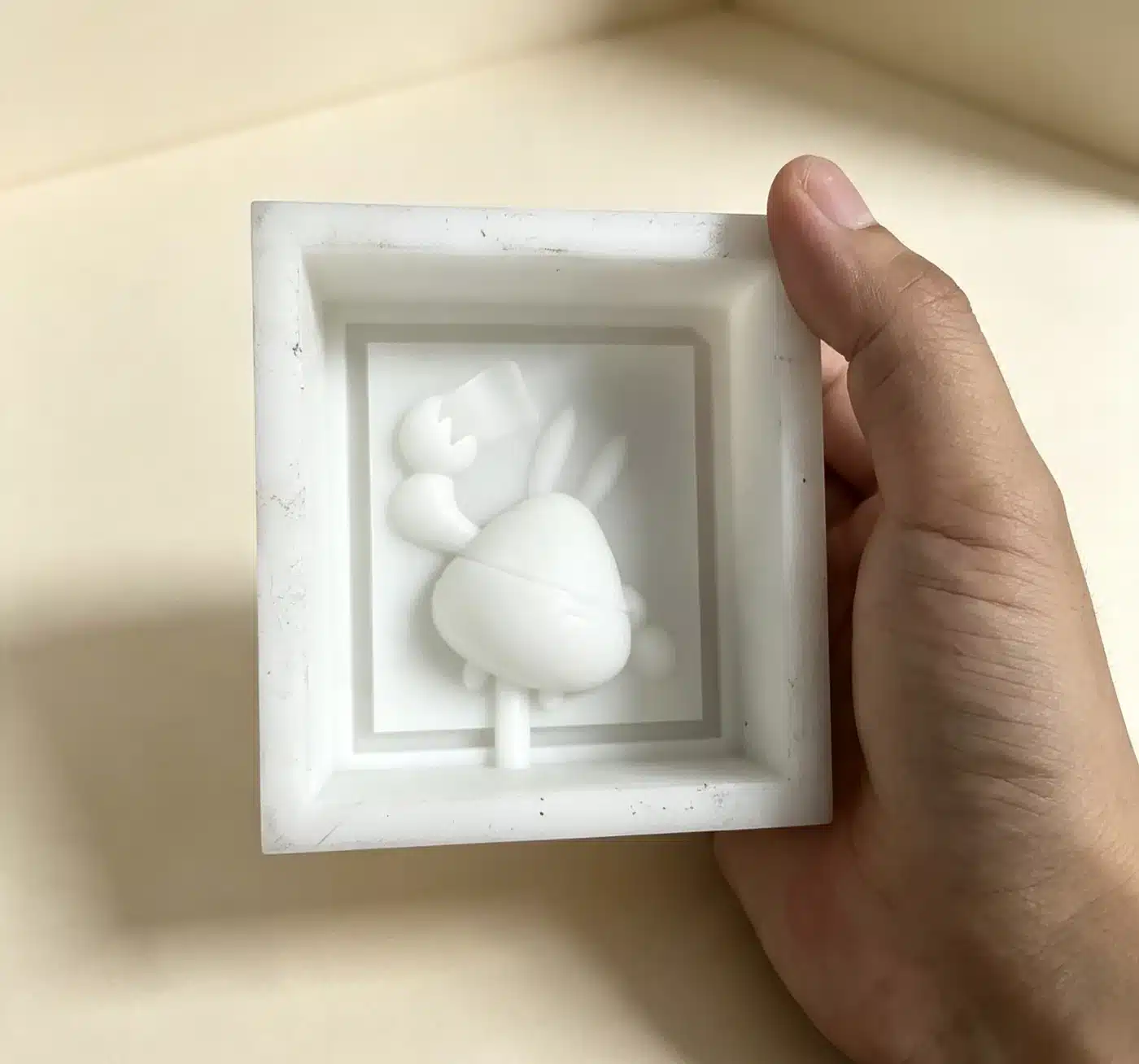
Maintain RTV molds with chemistry that does not swell the face, unstressed dark storage, and recast triggers at tears - not steel oil.
Read article -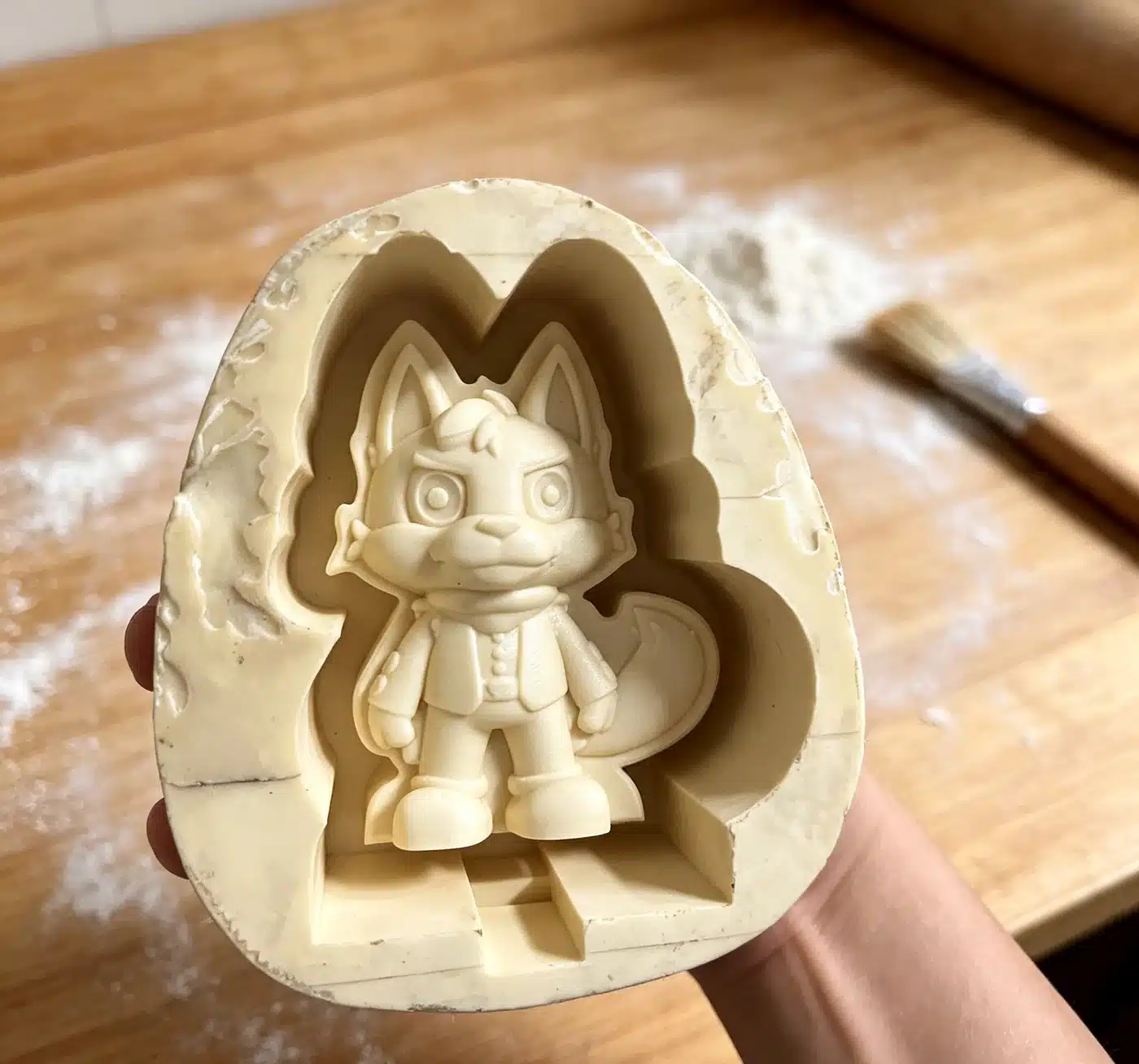
RTV molds on a depositing line need registration, dump orientation, and jackets that nest in the fixture. Design those at the master, not after the first
Read article -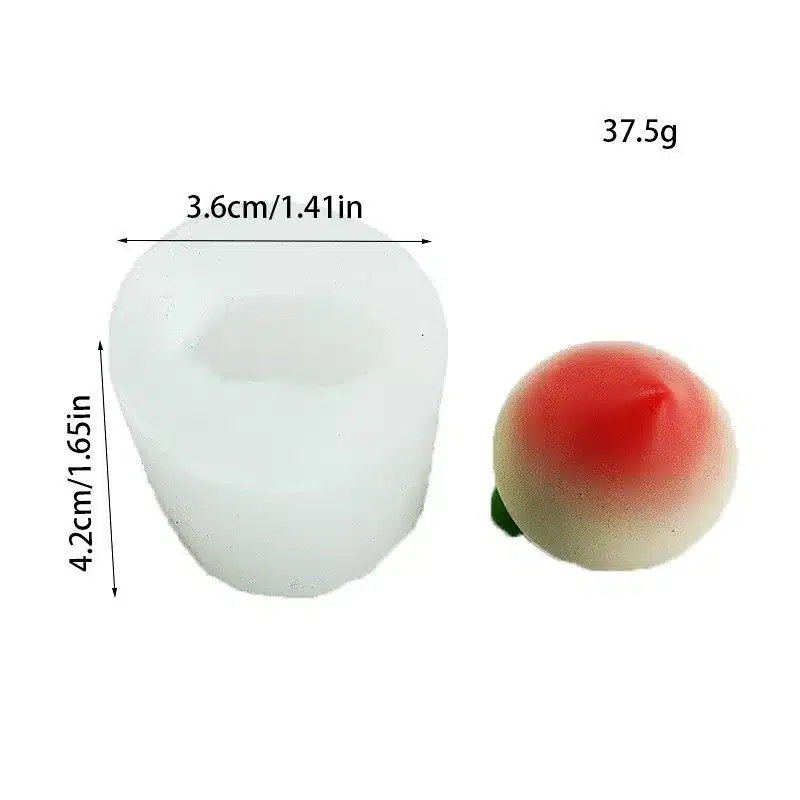
2026 RTV work is finished patterns, platinum skins, food files, and recast against a living mother. LSR share is a parts story, not this cavity.
Read article -
An RTV mold is food-safe only as a tested finished article under 21 CFR 177.2600 or LFGB/BfR XV. Platinum-cure is typical. BPA-free is not the proof.
Read article -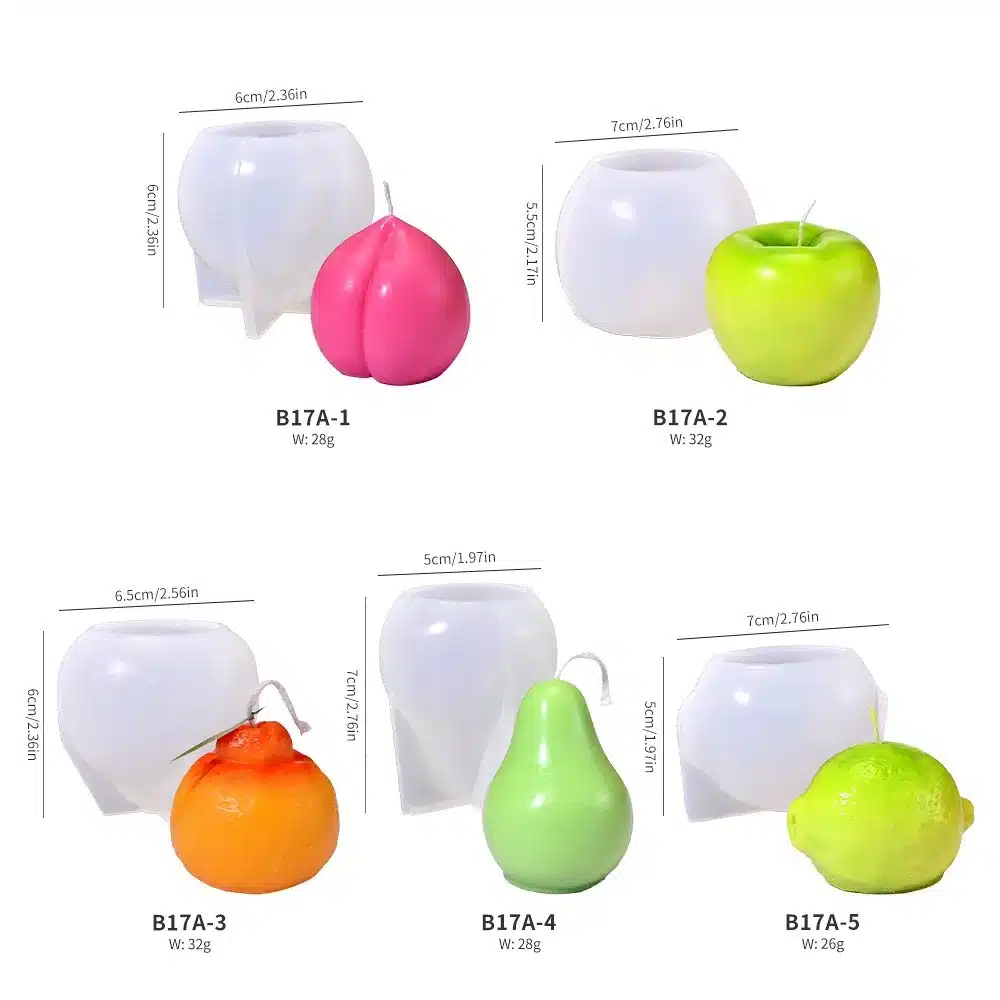
Test the finished RTV cavity: 21 CFR 177.2600 extraction or LFGB/BfR XV simulants, volatiles, and sensory after post-cure, not a drum or plaque.
Read article -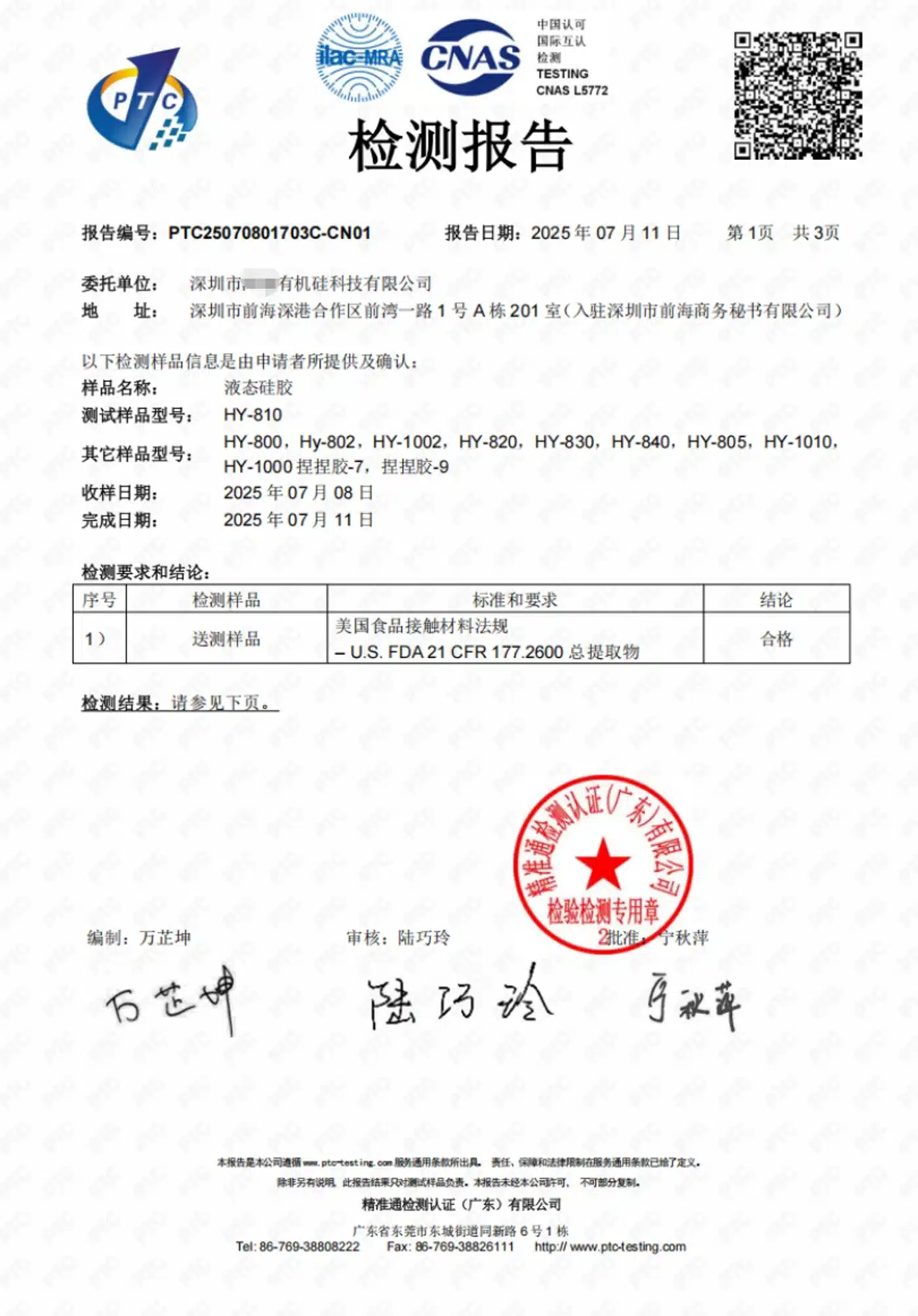
FDA does not approve RTV baking or chocolate molds as registered products. 21 CFR 177.2600 is finished-article extraction for repeated-use rubber.
Read article -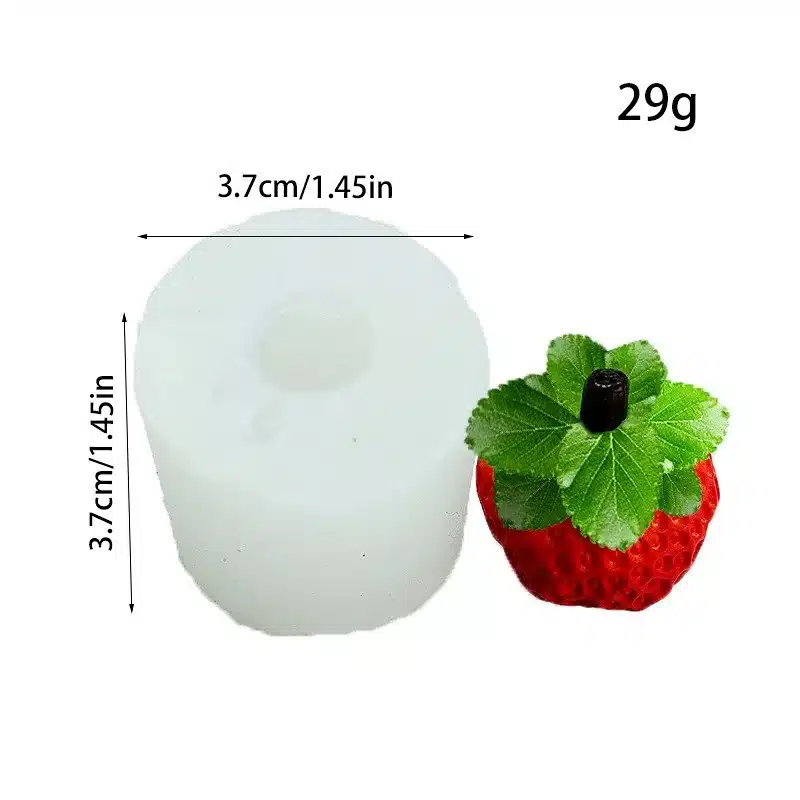
Design RTV food molds for dry release, even walls for post-cure, washable logos, and a 21 CFR 177.2600 specimen that matches the SKU you recast.
Read article -
Baking-mold manufacturing is platinum RTV, even walls, jacket, post-cure, wash, then 21 CFR 177.2600 or LFGB/BfR XV on the oven-claimed cavity.
Read article -