
Kyler Yang··11 min read·Buying & MOQ
LSR Robots vs RTV Pour Labor: What Pays
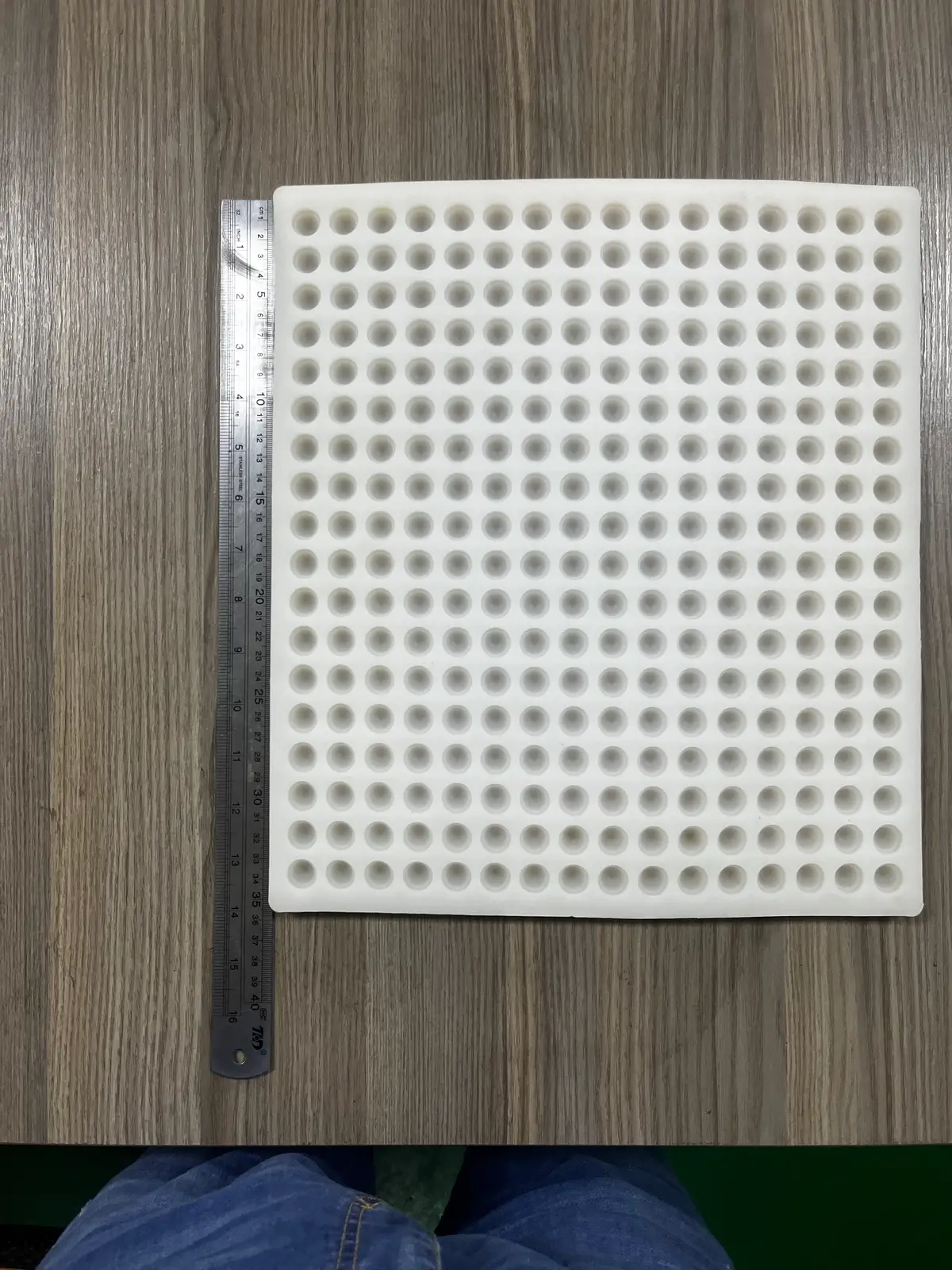
LSR cycle time is often cure, not handling. A robot does not shrink vulcanization. RTV analog is mix, degas, and dump — multi-cavity trays beat a
Read article -Custom silicone development · RTV mold MOQ from 20 · DFM & prototype support
Explore practical silicone mold guides from RUUIPON, covering design, release, materials and production planning. Start with the problem you need to solve, then open the relevant product page when you are ready to discuss a quotation. CAD, drawings, samples and measured reference photos can all help define the project.
A broad DFM guide covering release, undercuts, splits, detail, multi-cavity layout, material selection and prototype validation.
The information that helps a supplier identify the correct mold structure, process, quantity and documentation requirements.
Understand when a flexible casting mold, compression tool or LSR tool fits the product.
Understand what food-contact documentation means and what to request for the destination market.
Use this cluster for one-piece vs two-part molds, undercuts and split molds, registration keys, wall thickness and support, edge radius, logo/text detail, tolerance and shrinkage, and DFM review.
One-piece vs two-part · Undercuts and split molds · DFM review
Use this cluster for gummy mold design, gummy size and cavity volume, chocolate molds, baking, ice and food-contact documents.
Use this cluster for platinum vs tin cure, vacuum degassing, cure time, RTV vs HCR/HTV vs LSR, and overmolding.
Use this cluster for RFQ preparation, low MOQ, lead time, custom vs off-the-shelf, factory sourcing, prototype to production, and ownership/reorder.
RFQ guide · Low MOQ · Custom vs off-the-shelf · Manufacturer
Use this cluster for common defects, tearing, resin bubbles, storage/warping, lifespan and cleaning.
Common defects · Resin bubbles · Storage and warping · Mold lifespan
Latest articles · 412 guides · page 28 of 42 · 10 per page
Title preview
LSR cycle time is often cure, not handling. A robot does not shrink vulcanization. RTV analog is mix, degas, and dump — multi-cavity trays beat a
Read article -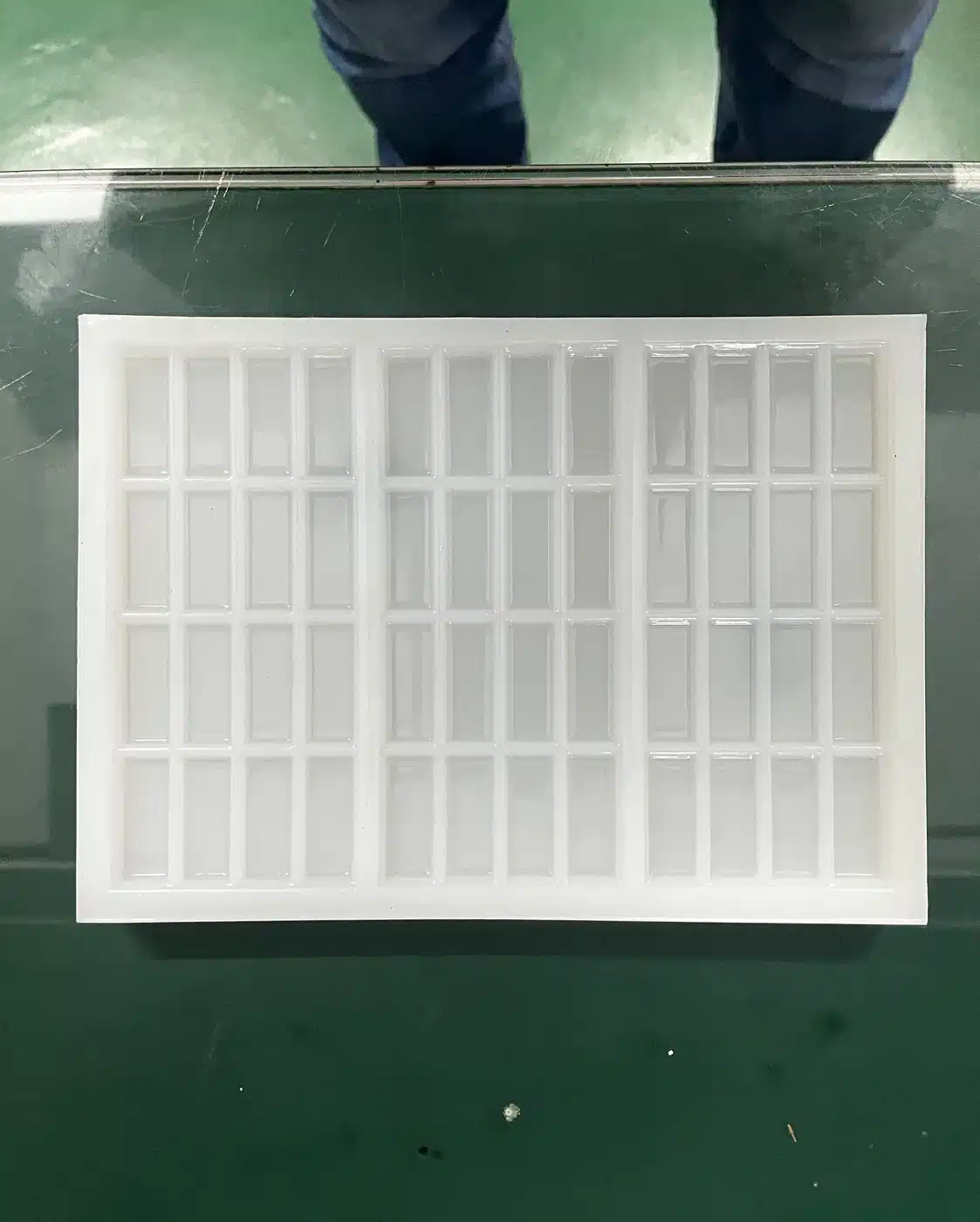
A second source is a qualified process, not a crate. Move the master with files and a first-dump pack. RTV jackets usually recast; they rarely travel well.
Read article -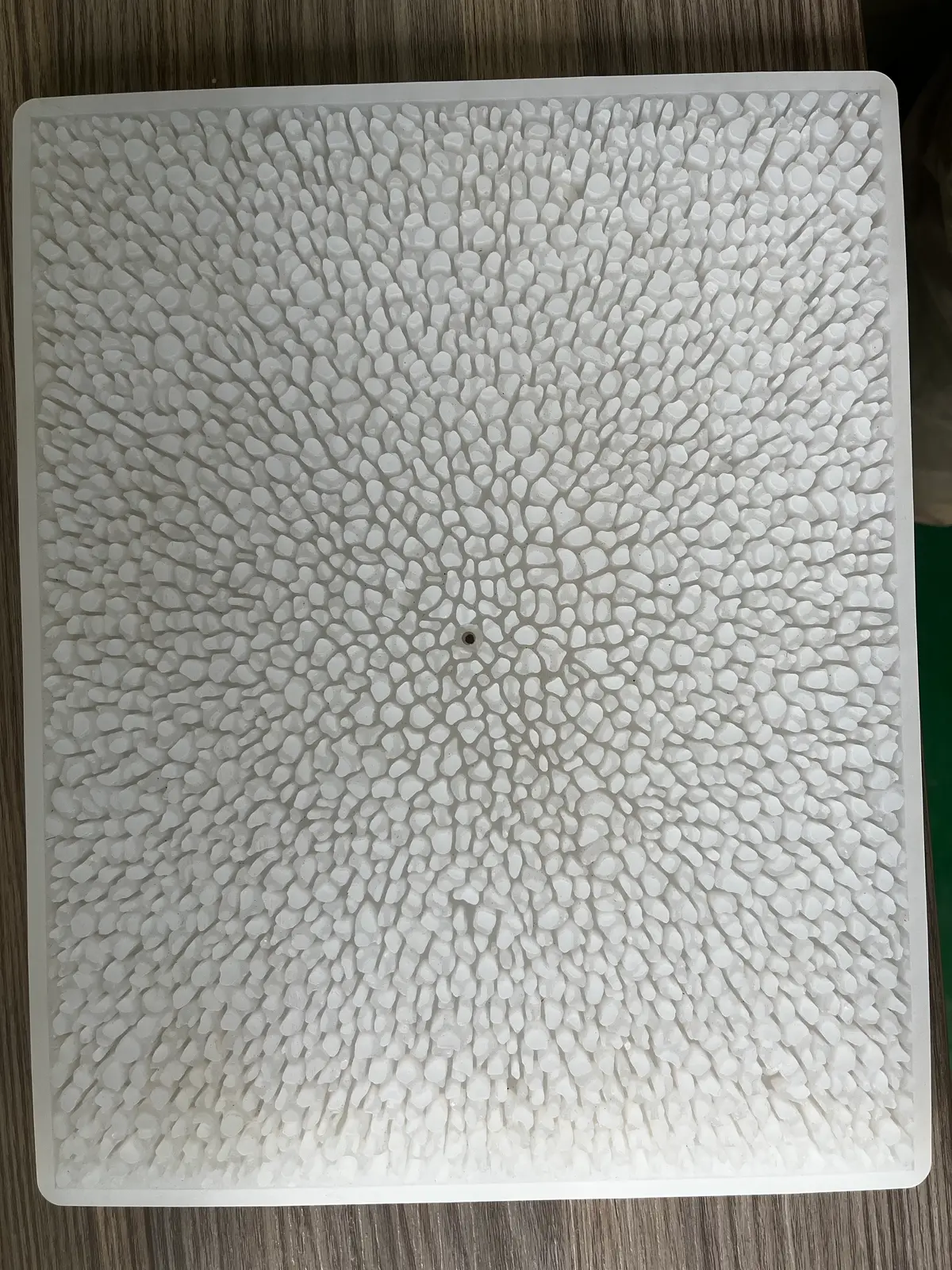
RTV molds ride platinum kits and siloxanes. Shortages show as allocation, leftover policy, and reopeners. Contract for triggers, not a frozen kit myth.
Read article -
A pretty sample jacket is not a pour system. Score overseas RTV shops on recast, master control, QMS, and change control before you freeze the pattern.
Read article -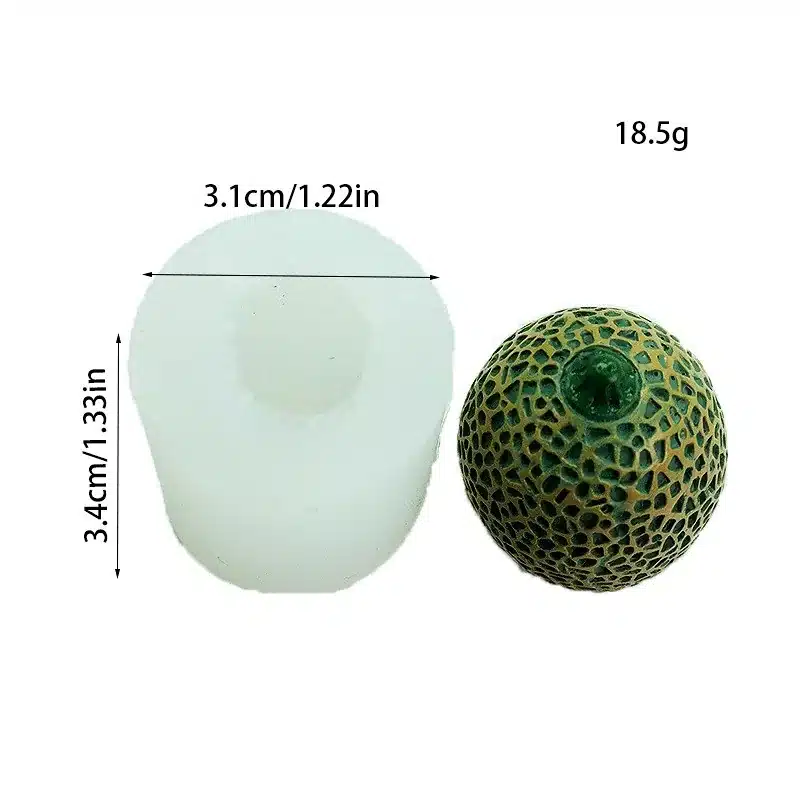
Photos, sketch, or CAD. After CAD lock: 3D-printed pattern, often a silicone flip, production master, then batch RTV. MOQ 20; prototype after CAD lock.
Read article -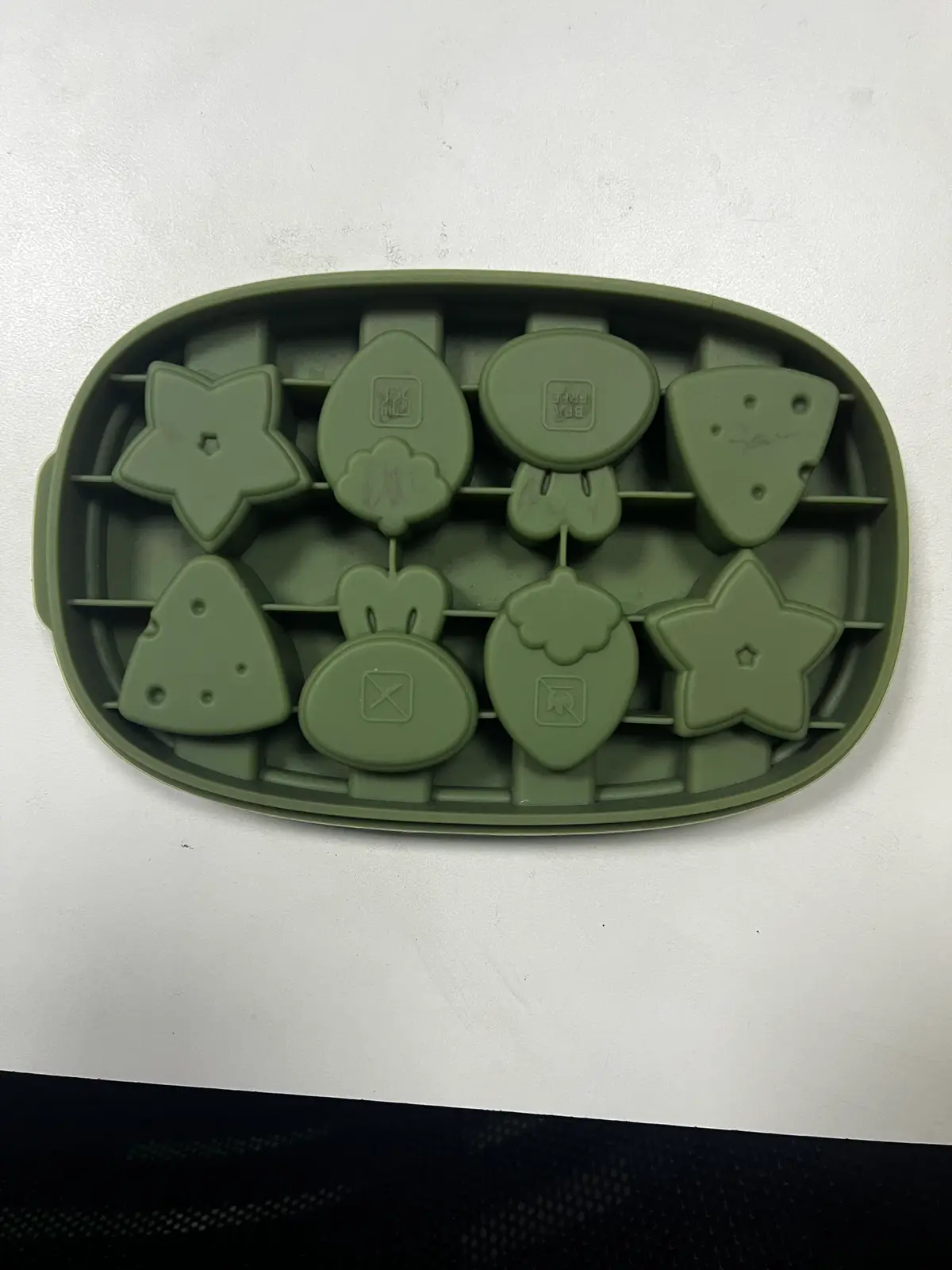
Custom RTV molds pay off when a catalog tray cannot hold your pocket, logo, or recast plan. They are not automatically cheaper, faster, or a steel part.
Read article -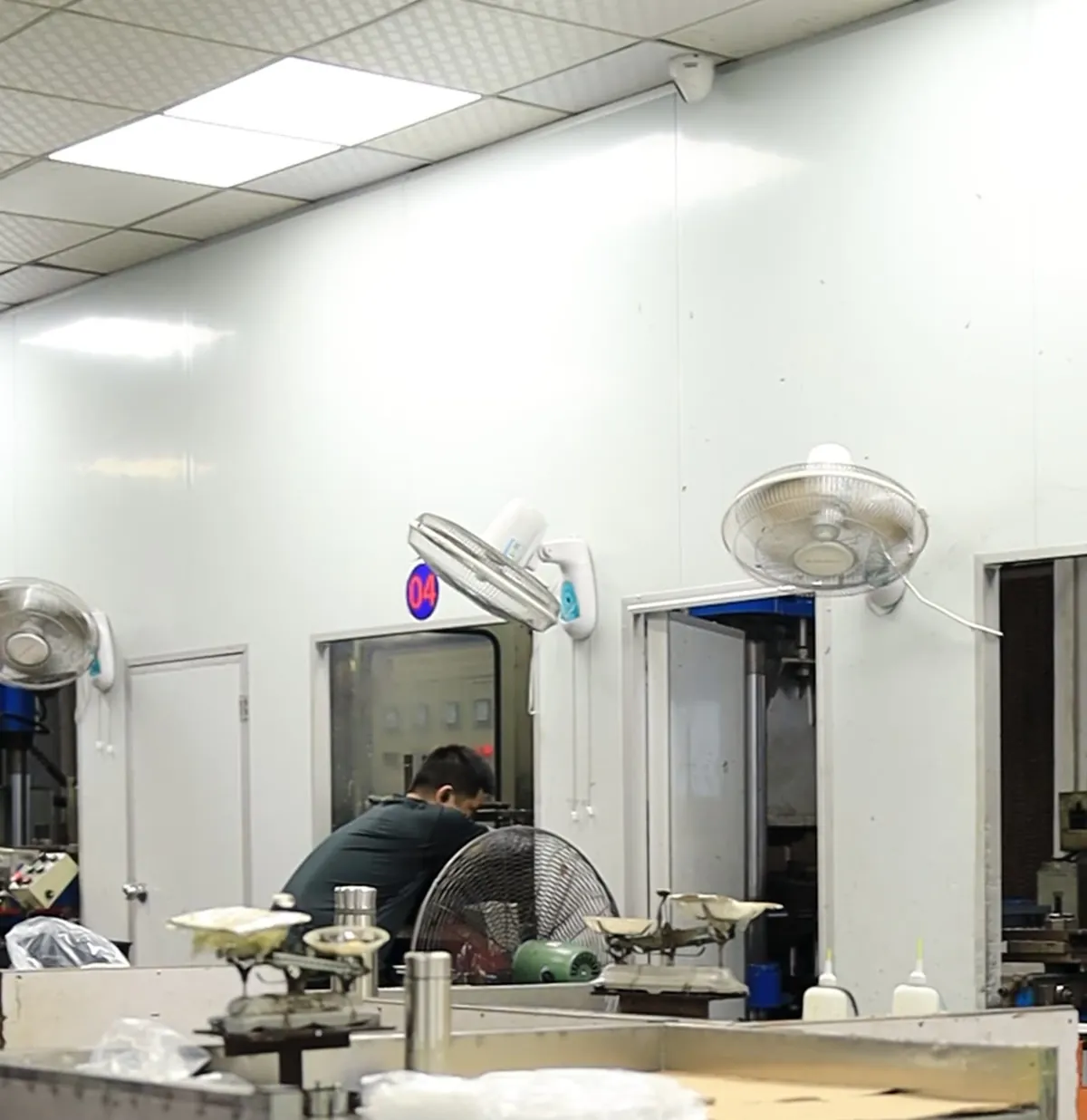
RTV recasts usually start on the drawing: mixed processes, missing shrink, logos on the shut, Shore A as a grade. Fix those before anyone mixes A/B.
Read article -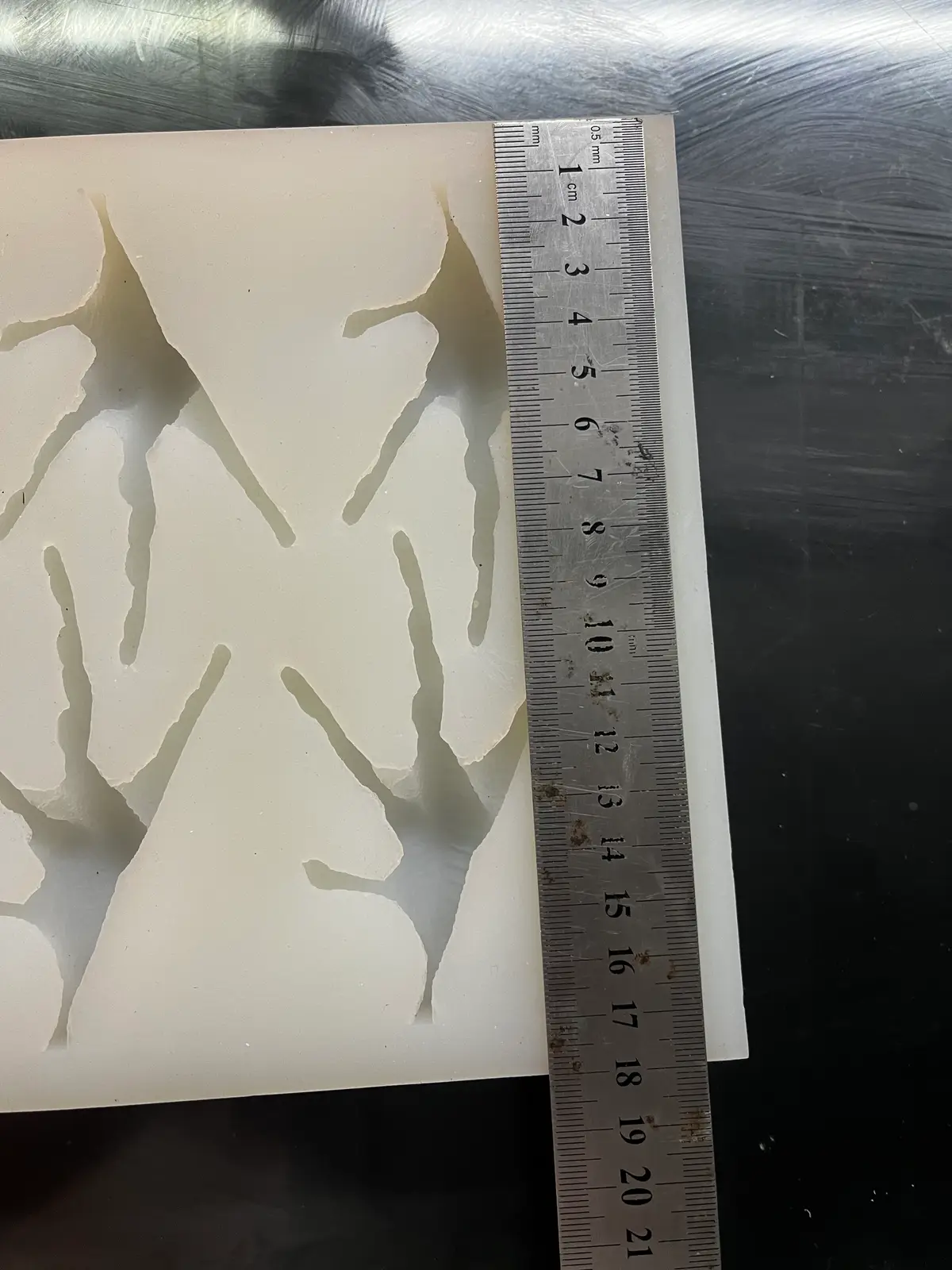
Best mold material here is platinum or tin RTV for the cavity, often 10A–20A with a jacket. LSR and HCR are article chemistries on a different parts quote.
Read article -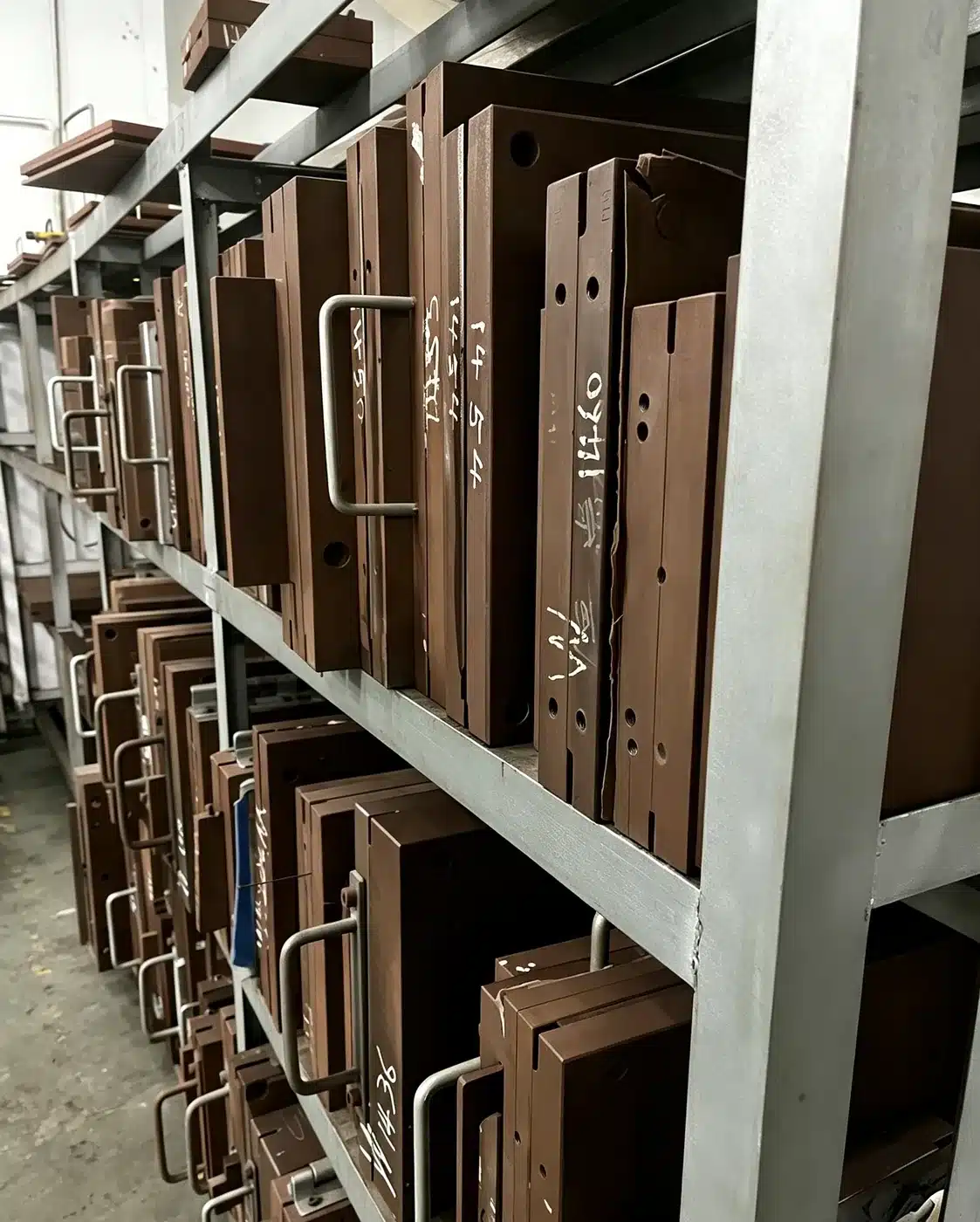
Custom RTV means this cavity did not exist as a tray. OEM is who runs your brand. Living-mother ownership assigns the risk, not the word partnership.
Read article -
Cut RTV mold cost by freezing the master, limiting first-cavity count, and capping recast loops. Substituting LSR steel isn't a save — it's a different
Read article -