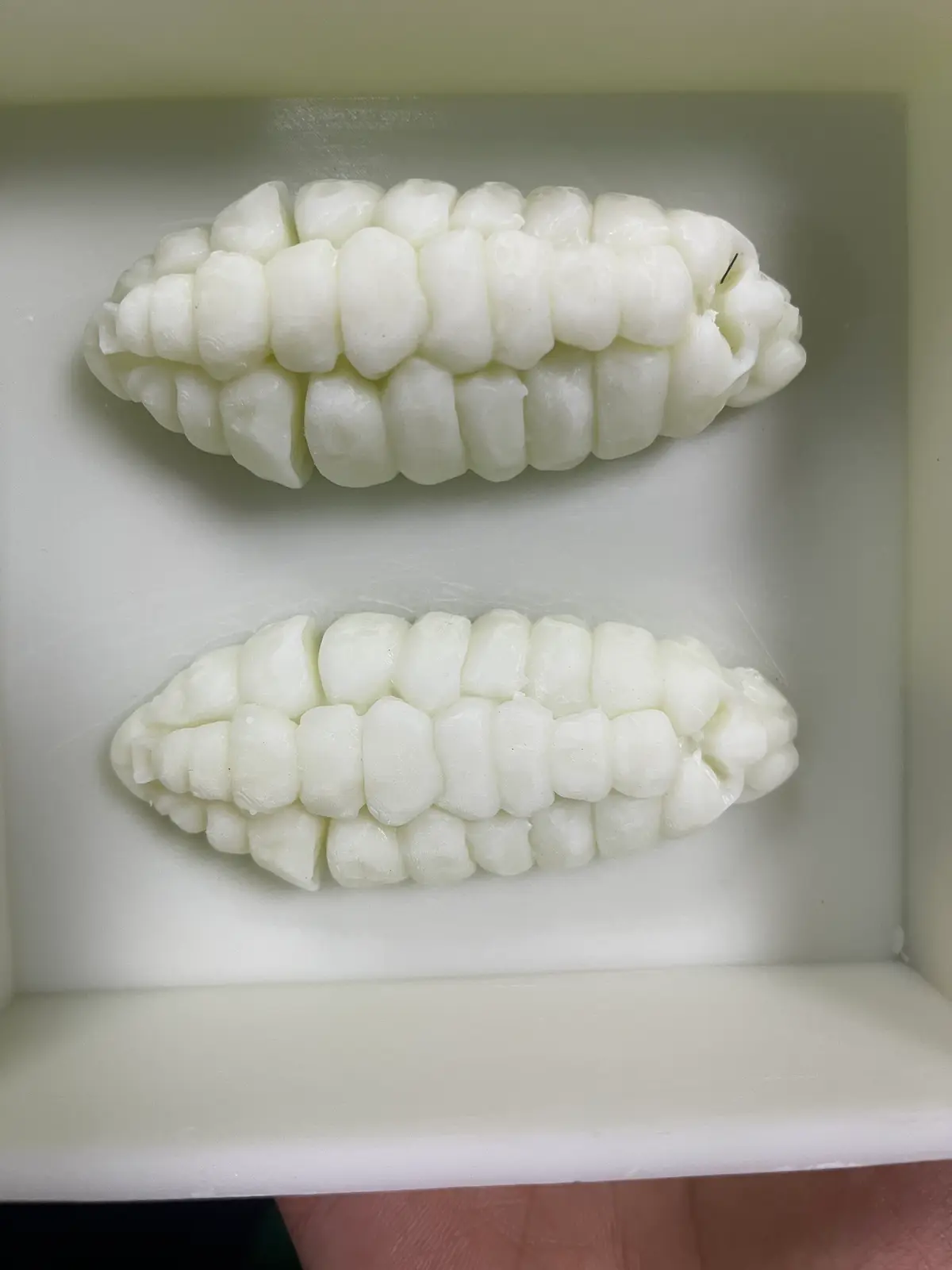
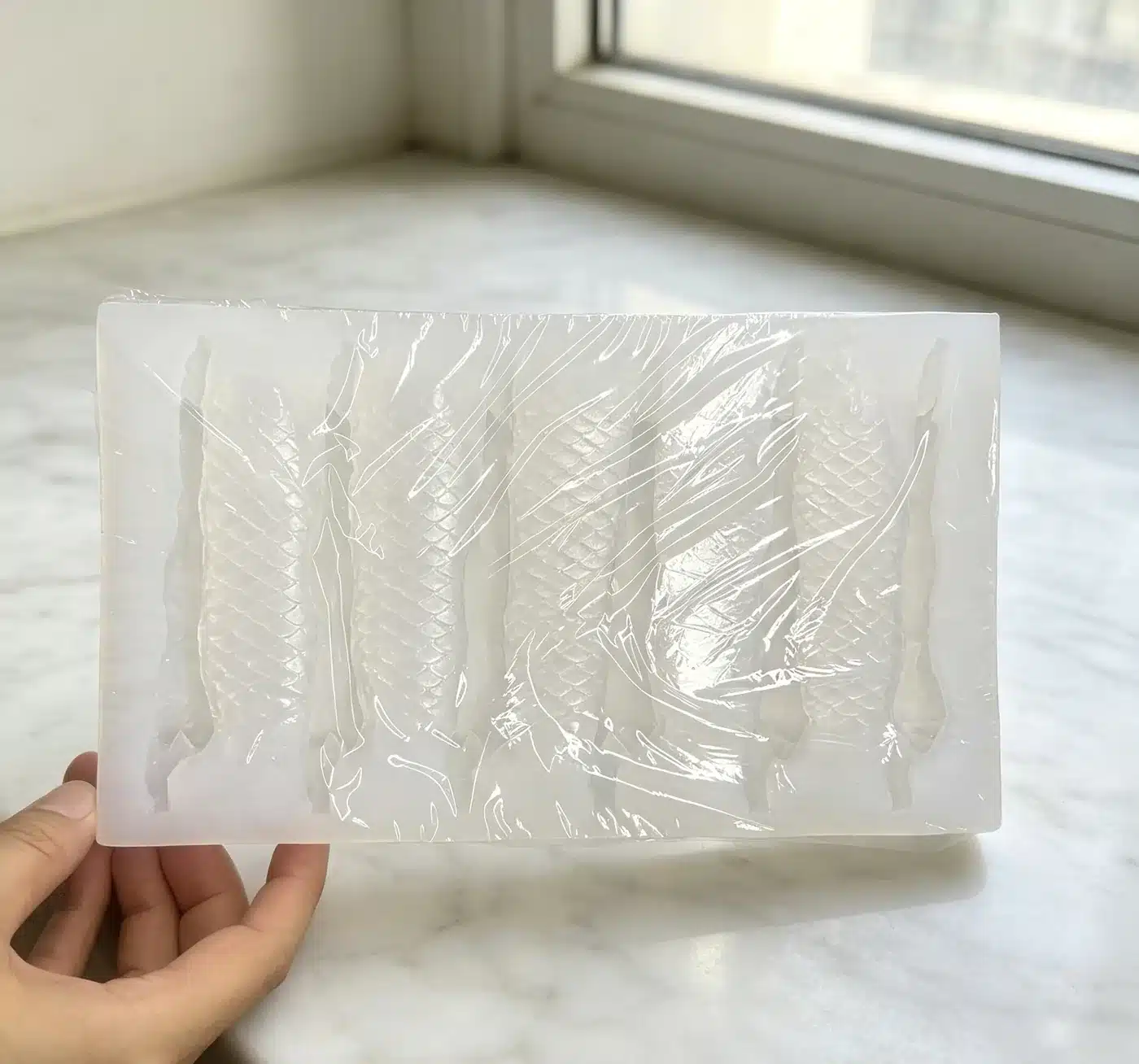
Don't Pour Silicone Over Sticky Silicone | RUUIPON
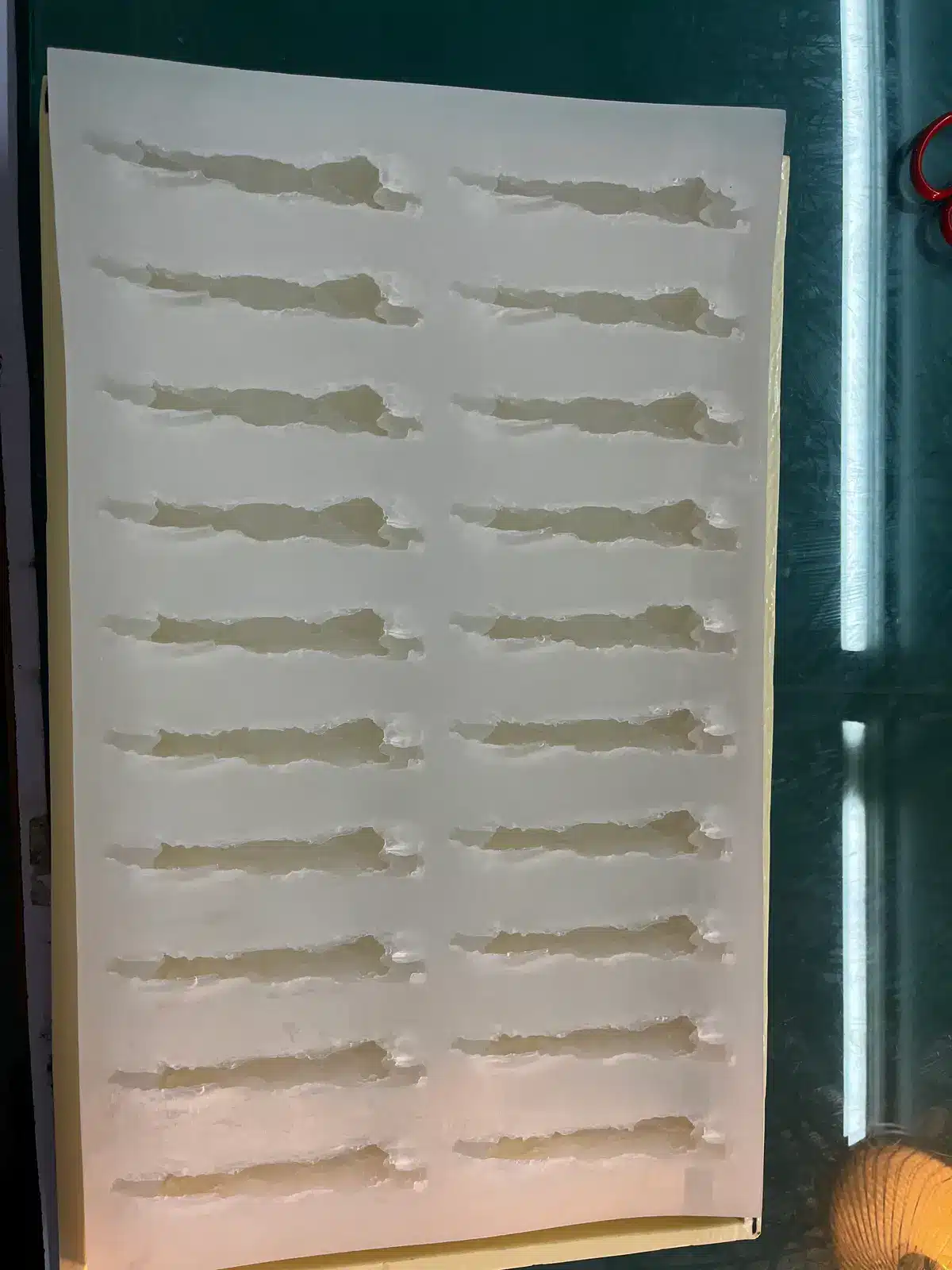
A second platinum pour on a tacky cavity will not finish the cure. Scrap food skins. Recast from a quiet master. Craft salvage is still a new face, not a
Read article -Custom silicone development · RTV mold MOQ from 20 · DFM & prototype support
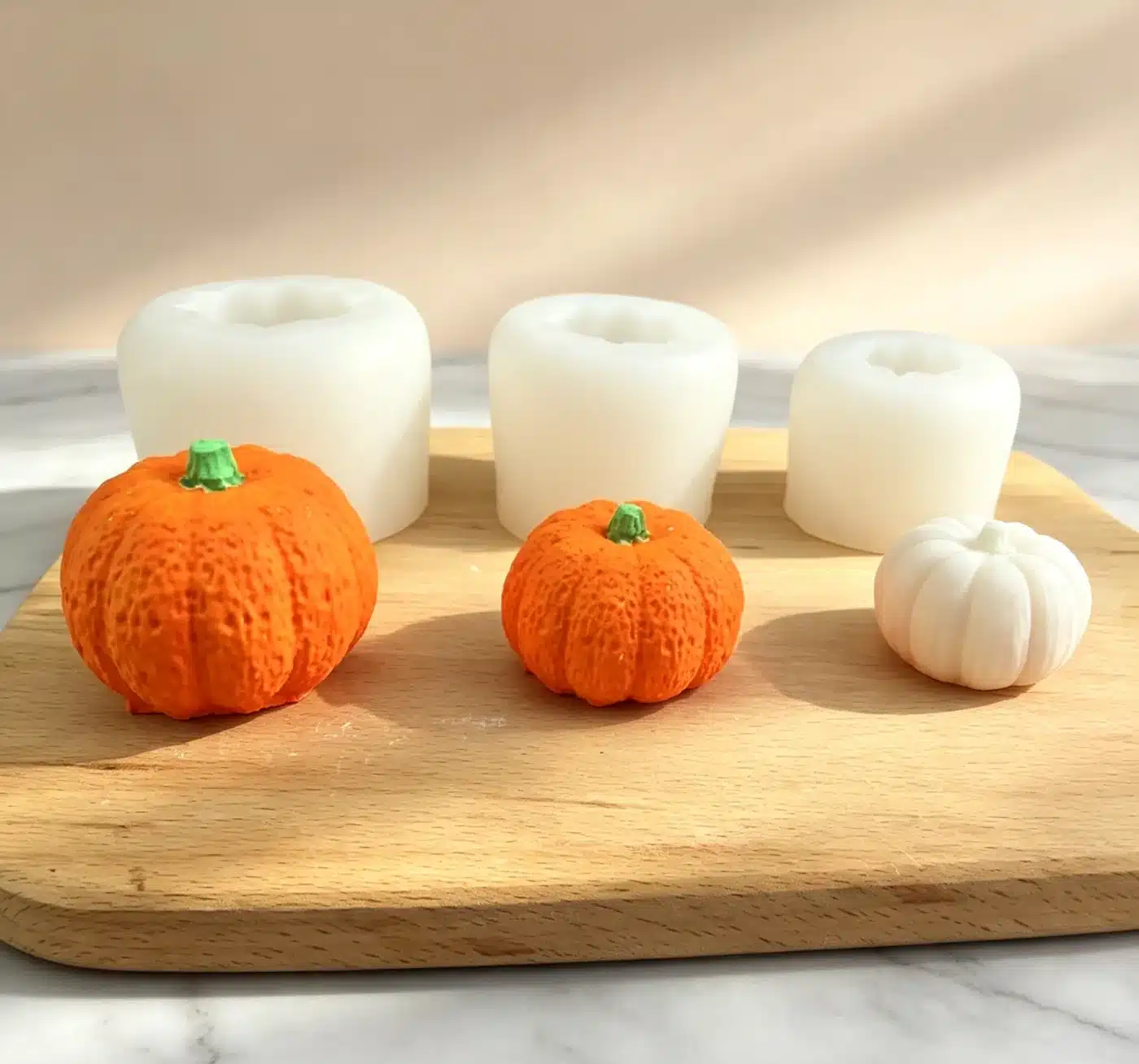
Explore practical silicone mold guides from RUUIPON, covering design, release, materials and production planning. Start with the problem you need to solve, then open the relevant product page when you are ready to discuss a quotation. CAD, drawings, samples and measured reference photos can all help define the project.
A broad DFM guide covering release, undercuts, splits, detail, multi-cavity layout, material selection and prototype validation.
The information that helps a supplier identify the correct mold structure, process, quantity and documentation requirements.
Understand when a flexible casting mold, compression tool or LSR tool fits the product.
Understand what food-contact documentation means and what to request for the destination market.
Use this cluster for one-piece vs two-part molds, undercuts and split molds, registration keys, wall thickness and support, edge radius, logo/text detail, tolerance and shrinkage, and DFM review.
One-piece vs two-part · Undercuts and split molds · DFM review
Use this cluster for gummy mold design, gummy size and cavity volume, chocolate molds, baking, ice and food-contact documents.
Use this cluster for platinum vs tin cure, vacuum degassing, cure time, RTV vs HCR/HTV vs LSR, and overmolding.
Use this cluster for RFQ preparation, low MOQ, lead time, custom vs off-the-shelf, factory sourcing, prototype to production, and ownership/reorder.
RFQ guide · Low MOQ · Custom vs off-the-shelf · Manufacturer
Use this cluster for common defects, tearing, resin bubbles, storage/warping, lifespan and cleaning.
Common defects · Resin bubbles · Storage and warping · Mold lifespan
Latest articles · 412 guides · page 14 of 42 · 10 per page
Title preview

A second platinum pour on a tacky cavity will not finish the cure. Scrap food skins. Recast from a quiet master. Craft salvage is still a new face, not a
Read article -
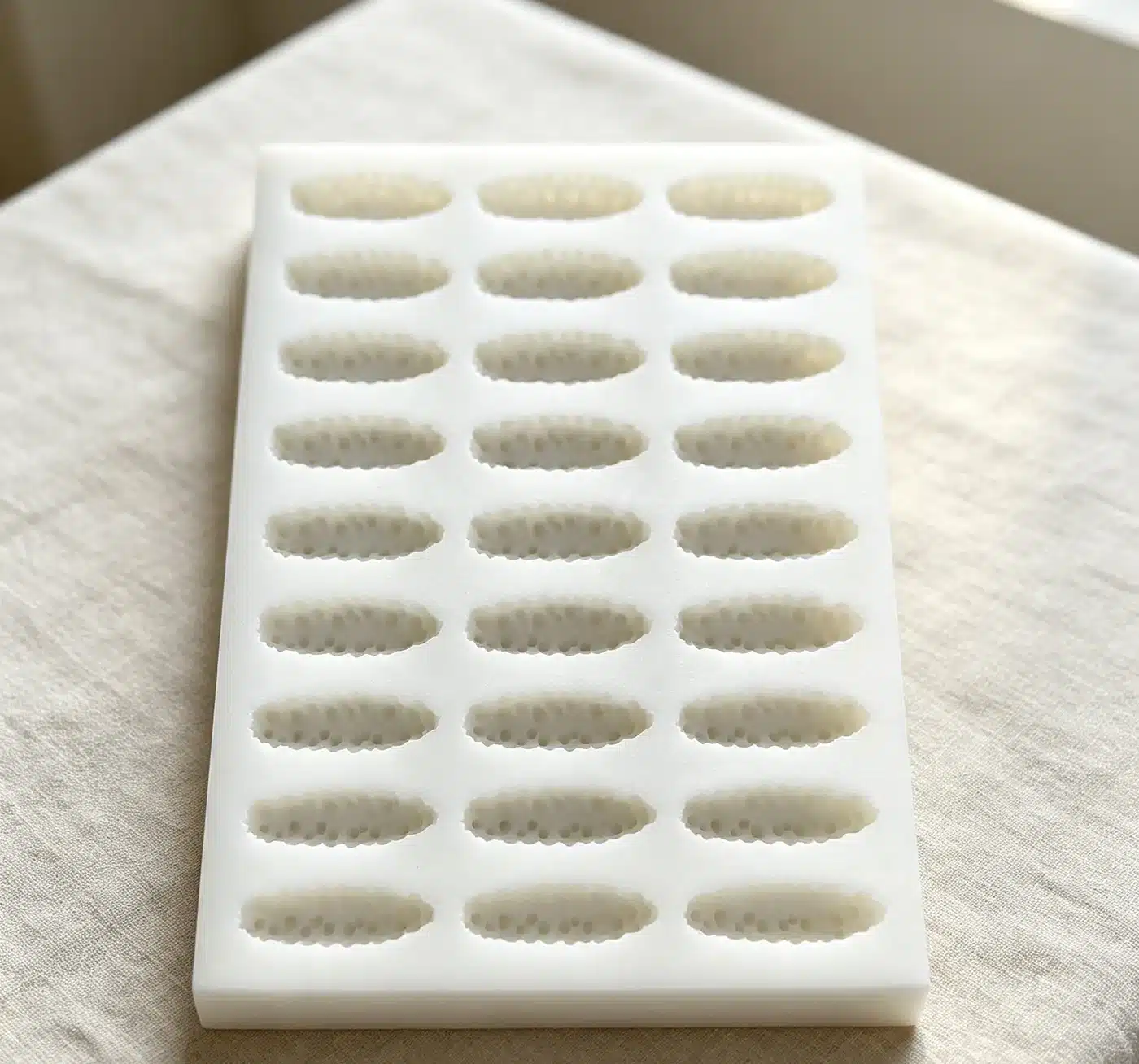
If the jacket is as soft as the face, look at weigh-up, shop temperature, and B-side age before you blame the master. Face-only tack is a different
Read article -
If the dry cavity is glossy and the resin is pocked, change the pour - warmer resin, pressure pot, vents. Recasting a smooth RTV face will copy the same well.
Read article -Mark ISO 3302-1 M2 on the dump drawing if you need a rubber class. RTV cavity maps use millimetres and grams. “Precision silicone mold” is not a class.
Read article -CAD lock freezes millimetres, not the first dump's luck. Budget a modification after witness: logo, vent, jacket, split. Sample is not MOQ 20.
Read article -
Photos and a sample start the quote. CAD lock still needs millimetres. Simple 3D is USD $50 when that CAD scope applies. A STEP skips the fee.
Read article -Mark the peel vector before Shore. An undercut that strips along the dump path can stay one-piece; a hook across that path needs a split, plug, or core.
Read article -STEP in millimetres prices a master. STL needs units and watertight mesh. IGES is a maybe. Photos still need a datum. $50 CAD when we must rebuild.
Read article -Mutual NDA before proprietary STEP is normal. It is not a client list, not FDA, and not mold ownership. Write archive and recast rights on the PO too.
Read article -Paying to keep a master on the rack is archive, not ownership. Recast needs the locked CAD plus the unsanded master. Fee ≠ free title or a steel-like life.
Read article -